AI-Powered O&M for Telecom Rectifier Systems Generating Energy-Saving Suggestions Automatically

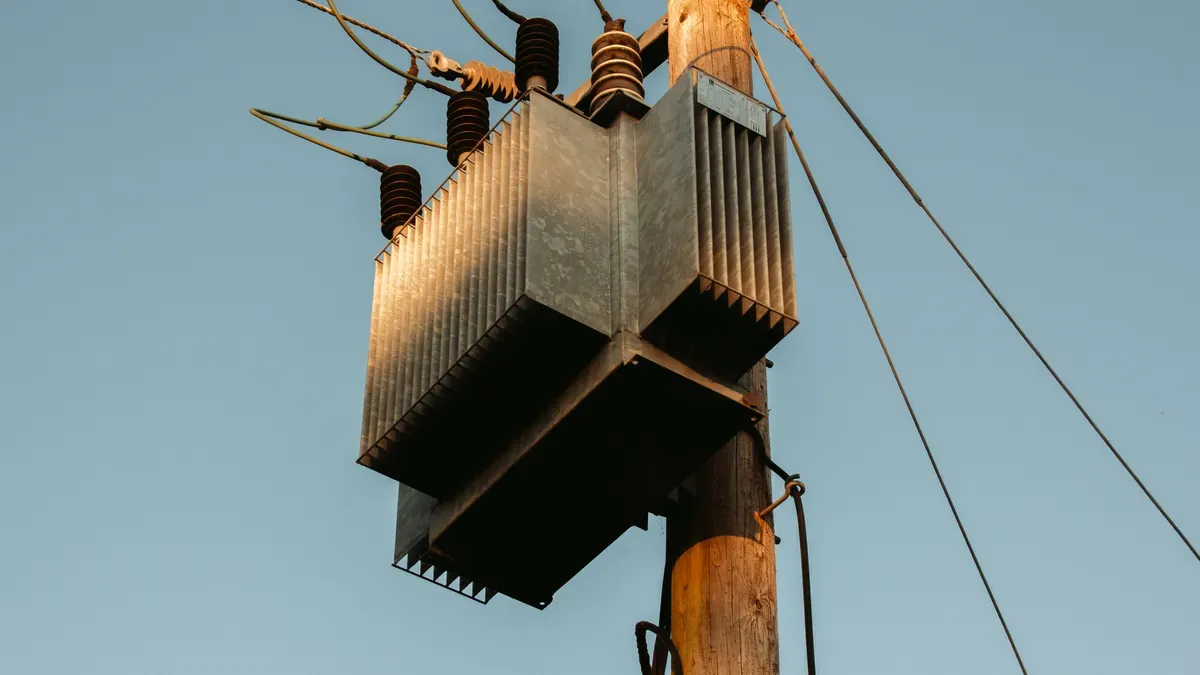
You connect rectifier sensors and controllers to an AI O&M platform through standard protocols like SNMP and Modbus. This link lets the platform gather real-time load, temperature, and efficiency data from your Telecom Rectifier Systems. Machine learning models then study these patterns. They spot inefficiencies and automatically suggest optimal rectifier shutdown, voltage adjustments, and cooling strategies. You will learn the integration architecture, data requirements, AI training process, suggestion generation, and real-world validation steps.
Key Takeaways
Connect rectifier sensors to an AI platform using SNMP and Modbus protocols.
AI models learn from historical data to find inefficiencies and suggest energy-saving actions.
AI can automatically adjust rectifier settings to save energy and reduce costs.
Validate AI suggestions by comparing power consumption before and after optimization.
Real deployments achieve 14-15% energy savings and payback in 2-5 years.
Telecom Rectifier Systems and Energy Waste
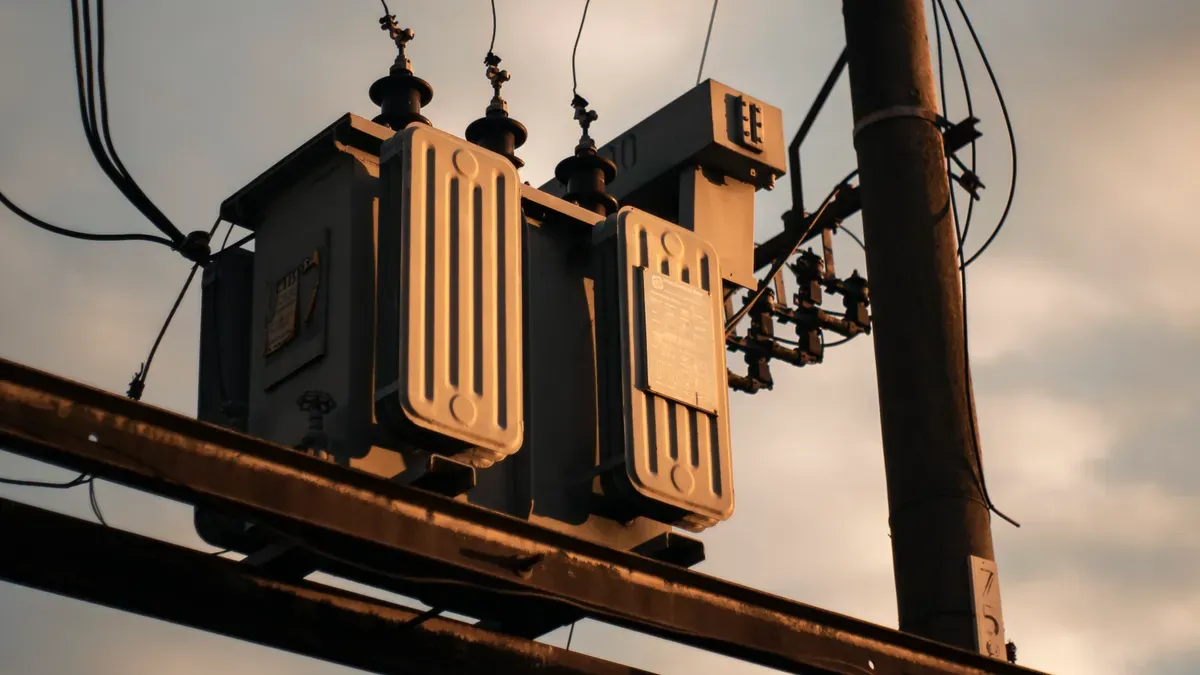
Rectifier Operation in Base Stations
ESTEL's Telecom Rectifier System takes AC input and converts it to a stable DC output for telecom loads. The system accepts AC220VAC or 380VAC input. It delivers a consistent DC48V output. You can install these units in modular 6U, 3U, or 2U rack-mount designs. This flexibility fits standard 19-inch racks in base stations.
Telecom rectifiers typically provide either 48 V DC or 24 V DC output. Low power ratings commonly reach 400 W, 800 W, 1200 W, 2000 W, 2500 W, 2900 W, or 3000 W. A typical module delivers 3 kW output power. The output voltage ranges from -42.0 V to -58.0 V DC and remains adjustable. For global deployments, rack-mount rectifier systems accept AC input from 90–264 VAC. This wide range supports diverse power sources.
Common Sources of Energy Loss
Even high-efficiency units exceeding 96% still waste energy in certain conditions. Redundant configurations at low load create inefficiency. Poor cooling management adds losses. Static voltage settings that never adjust also waste power.
Conversion losses occur during AC-to-DC power conversion. Conduction losses, switching losses, and thermal losses all contribute. Outdated rectifier modules can lose up to 20% of input power during conversion. Modern systems lose less than 4%. Heat generation from traditional ORing diodes forces cooling systems to work harder. Low utilization effects reduce efficiency in older designs when modules operate at partial loads. Upgrading to efficient rectifiers can lower energy costs by up to 30%. Modern rectifiers achieve efficiencies near 97%. Legacy models waste more energy. Poor HVAC practices, inefficient lighting, and unnecessary operation of electronics also drive waste. A case study site wasted 150,000 kWh annually, equal to a ¥200,000 loss. Compatibility issues such as voltage mismatches and incompatible communication protocols cause efficiency losses and heat. You need SNMP (Simple Network Management Protocol) and Modbus to monitor these conditions properly.
Integration Architecture for AI O&M
Data Ingestion, Sensors, and Gateways
Your ESTEL Telecom Rectifier System exposes performance data through its built-in controllers and sensors. These components track output voltage, current, temperature, and efficiency in real time. The system then connects to IoT gateways using SNMP (Simple Network Management Protocol) and Modbus. SNMP provides a standard way to poll device status and receive trap alerts. Modbus offers a simple serial or TCP interface for reading register values. Both protocols work together to feed raw data into your AI O&M platform.
ESTEL's rack-mount rectifiers simplify sensor and gateway installation in 19-inch racks. The copper bar grounding provides a solid electrical reference for sensors. Flexible cable inlets let you route communication cables without custom modifications. You mount the gateway in the same rack, connect the RS-485 or Ethernet cable, and configure the polling interval. A typical setup polls each rectifier every 30 to 60 seconds. This frequency captures load fluctuations without flooding the network.
The gateway acts as a protocol translator. It converts Modbus register values and SNMP object identifiers into a unified data format. The gateway then pushes this data to your cloud platform or local edge server. You configure data points such as input voltage, output current, module temperature, and fan speed. Each data point carries a timestamp for time-series analysis. The AI platform stores this data in a historian database for model training.
Cloud Versus Edge AI with ESTEL
You face a choice between cloud and edge AI deployment. Cloud-native O&M platforms offer centralized data storage and powerful model training. Edge AI deployment suits latency-sensitive sites. Edge computing processes data locally and returns suggestions in milliseconds. This speed matters when you need immediate rectifier shutdown or voltage adjustment.
Factor | Cloud AI | Edge AI |
|---|---|---|
Latency | Seconds to minutes | Milliseconds |
Data storage | Centralized, scalable | Local, limited |
Model training | Large datasets, frequent updates | Smaller datasets, periodic sync |
Connectivity | Requires stable backhaul | Works during network outages |
Cost | Subscription-based | Higher upfront hardware cost |
AI-empowered intelligent O&M frameworks are designed for telecom power infrastructure. These frameworks support both deployment models. You can train models in the cloud and push them to edge devices. The edge device runs inference locally and sends only summary results back to the cloud. This hybrid approach reduces bandwidth costs and maintains real-time response.
For a base station with reliable fiber backhaul, cloud AI works well. For a remote site with satellite or microwave backhaul, edge AI prevents data bottlenecks. You can also deploy edge AI for safety-critical functions. Voltage adjustments that prevent equipment damage should never wait for a cloud round trip. The edge device handles these tasks instantly. The cloud platform handles long-term trend analysis and model retraining.
ESTEL's rectifier systems support both architectures. The controllers expose data through standard protocols. You choose the gateway and AI platform that match your site conditions. This flexibility lets you start with cloud AI and add edge devices as your network grows.
Training AI Models for Auto-Suggestions
Learning from Historical Performance Data
Your ESTEL Telecom Rectifier Systems generate a steady stream of operational data. Load current, module temperature, input voltage, and efficiency readings flow into your historian database every 30 to 60 seconds. Machine learning models consume this historical data to establish baseline behavior. The model learns what normal looks like for each site. It maps the relationship between load demand, ambient temperature, and rectifier efficiency across days, weeks, and seasons.
Different algorithms suit different fault types. The table below shows how researchers match measured signals to detection methods.
Faulty Event | Measured Signal | Feature Domain | Algorithm | Data Source |
|---|---|---|---|---|
Ground fault | vdc, iin, iout | Time | CCA | Test-bench |
Capacitor reduction | iin, iout | Time | ANN | Simulation |
Capacitor ageing | vin, vdc | Time | ANFIS | Simulation |
Capacitor reduction | i, v | Time and frequency | SVR | Simulation |
Artificial neural networks (ANN) also detect IGBT open-circuit faults from voltage and current signals. Support vector machines (SVM) diagnose IGBT open-circuit conditions when you preprocess current signals with wavelet transforms. ANN can distinguish both open-circuit and short-circuit faults using voltage, current, and torque variables converted into statistical features like maximum, minimum, and standard deviation.
From Detection to Actionable Recommendations
Once the model detects an inefficiency, it generates specific suggestions. Sleep mode shuts down redundant rectifier modules during low-load periods. Dynamic voltage scaling adjusts the DC48V output within its adjustable range to match actual load requirements. Optimized cooling strategies vary fan speed based on real module temperature rather than running at fixed speed.
AI integrated with Energy Management Systems (EMS) provides real-time optimization insights. The EMS receives suggestions and applies them through the rectifier controller. AI can maximize energy efficiency in 5G systems by analyzing power usage data across multiple sites. Modular and scalable rectifier architectures enable optimal load sharing. Individual modules then operate at peak efficiency. Advanced power conversion with PWM and digital control circuits dynamically adjusts to load conditions. High-frequency switching rectifier technology with resonant converters and soft-switching reduces losses. Power factor correction and harmonic reduction using active filtering achieve near-unity power factor. Digital twin technology lets you simulate scenarios and test predictive optimization before applying changes to live equipment.
AI-driven power optimization with hybrid renewables (solar, micro wind, LiFePO₄ storage) extends these benefits. Edge AI monitoring supports predictive maintenance, signal optimization, and remote reconfiguration. AI power balancing cuts inverter losses and battery size by approximately 15%.
Implementation, Validation, and Case Example
Step-by-Step Deployment and Safety Checks
You start with a pilot at one site running ESTEL Telecom Rectifier Systems. First, install IoT gateways in the same 19-inch rack. Use the copper bar grounding and flexible cable inlets to simplify wiring. Second, connect the rectifier controllers to the gateway through SNMP and Modbus. Configure polling every 30 to 60 seconds. Third, let the platform collect historical load, temperature, and efficiency data for several weeks. Fourth, train the machine learning models on this baseline data. Fifth, review every AI suggestion manually before you allow automatic application. This review step catches false positives and builds trust in the system.
Safety checks matter at each stage. Verify that the gateway does not interfere with rectifier operation. Confirm that all communication cables stay clear of power conductors. Test the fail-safe behavior: if the AI platform goes offline, the rectifiers must continue running at their last safe settings. Document every change you make during the pilot.
Measuring Savings and a Real-World Example
You validate results by comparing pre- and post-optimization power consumption. Check that the DC48V output remains stable within its adjustable range. Confirm that efficiency stays above 96%. Track these metrics daily for at least one month.
Real deployments show what you can expect. Samsung and SK Telecom applied an AI-based cell sleep solution across approximately 8,000 sites. They achieved average energy savings of 14–15%, with savings reaching over 20% during off-peak periods, all while maintaining network performance. Humanis AI reports that software-driven optimization can reduce energy OpEx by 10–15%, delivering annual savings of over $450,000 per 1,000 sites. Telecom operators using AI O&M for power infrastructure have reduced Power Usage Effectiveness (PUE) from above 1.5 to below 1.2. These results demonstrate that AI-driven optimization improves both energy efficiency and PUE.
You connect rectifier sensors and controllers through SNMP and Modbus. The AI platform then reads load and temperature data. It analyzes patterns and automatically generates energy-saving suggestions.
Start small. Connect sensors, deploy gateways, train models on historical data, validate each suggestion, and measure results. Run a pilot on one rectifier site with ESTEL's Telecom Rectifier System and a compatible AI O&M platform. Scale once savings are proven.
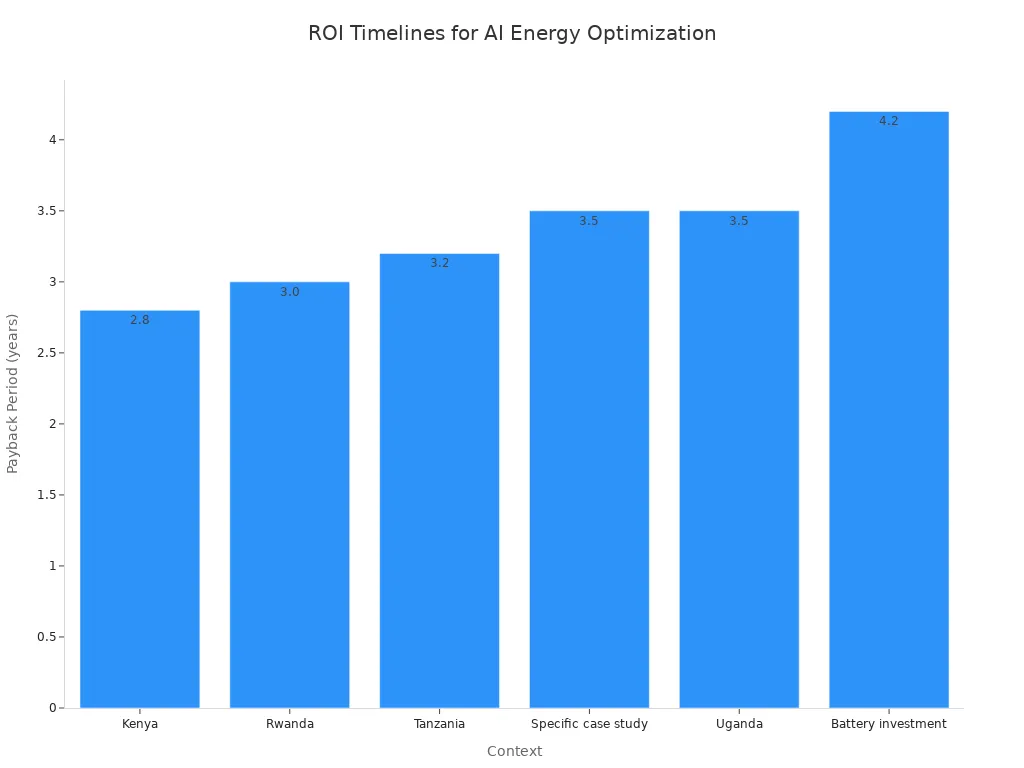
Context | Payback Period |
|---|---|
General AI-driven energy optimization (telecom) | 2-5 years |
Specific case study | 3.5 years |
Request a demo, download an integration checklist, or contact ESTEL for an assessment.
FAQ
What protocols connect my rectifiers to the AI platform?
You connect through SNMP and Modbus. SNMP polls device status and receives trap alerts. Modbus reads register values over serial or TCP. Both protocols feed load, temperature, and efficiency data into your AI O&M platform.
Do I need cloud AI or edge AI for my site?
It depends on your backhaul. Cloud AI suits sites with reliable fiber. Edge AI works for remote sites with satellite or microwave links. Edge AI processes data locally in milliseconds. You can also run both in a hybrid setup.
How long before the AI generates useful suggestions?
You collect baseline data for several weeks first. The models learn normal behavior across load and temperature cycles. After training, the platform detects inefficiencies and suggests actions. You review each suggestion manually before automatic application.
What energy savings can I expect from AI optimization?
Real deployments show 14–15% average savings across thousands of sites. Off-peak savings can exceed 20%. Software-driven optimization reduces energy OpEx by 10–15%. These results maintain network performance while cutting power consumption.
How do I validate that the AI suggestions work?
Compare pre- and post-optimization power consumption daily for at least one month. Verify DC48V output stays stable within its adjustable range. Confirm efficiency remains above 96%. Track these metrics to prove savings before scaling to more sites.
See Also
Methods For Computing Telecom Cabinet Power And Battery Systems
Solar Energy Storage Power Systems Designed For Telecom Cabinets
Grid Tied Solar Inverter And Battery Setup For Telecom Cabinets
Steps To Guarantee Dependable Electrical Power For Telecom Enclosures
Key Information Regarding Telecom Power Supply Characteristics And Functions
CALL US DIRECTLY
86-13752765943
3A-8, SHUIWAN 1979 SQUARE (PHASE II), NO.111, TAIZI ROAD,SHUIWAN COMMUNITY, ZHAOSHANG STREET, NANSHAN DISTRICT, SHENZHEN, GUANGDONG, CHINA
