How to Align Telecom Power Systems with Green Energy Incentives

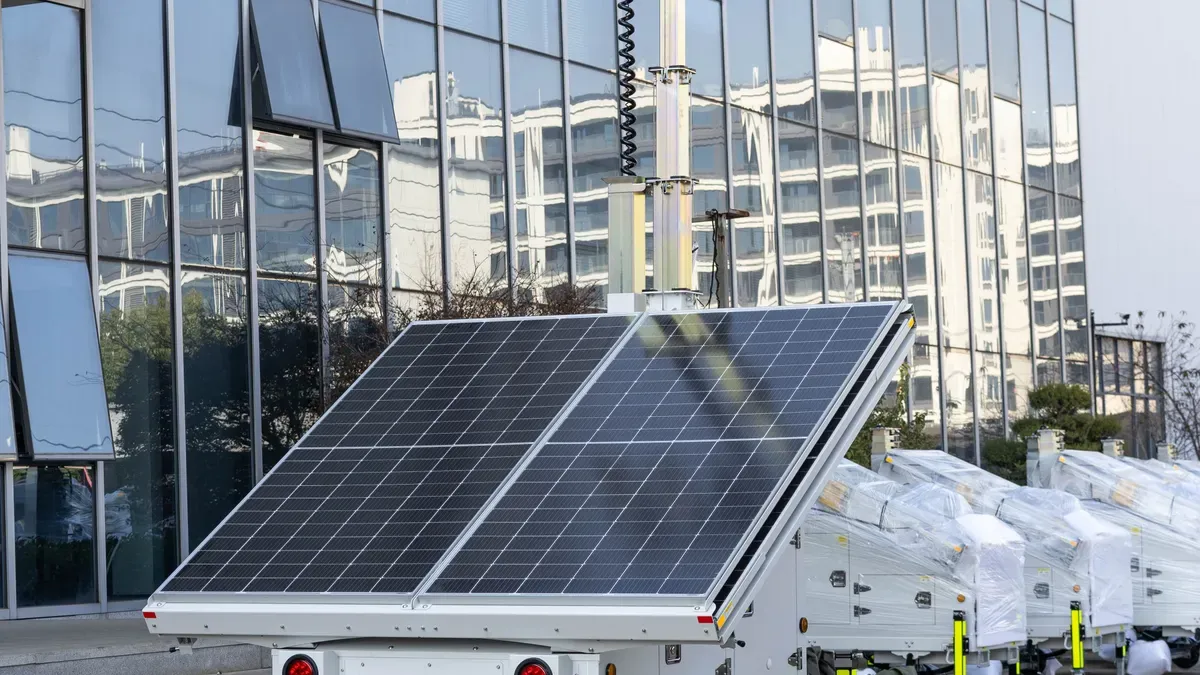
Aligning telecom power systems with green energy incentives demands three core actions. First, upgrade to renewable energy and efficient power sources. Second, confirm your eligibility under current new energy policy subsidies. Third, complete a structured application. This alignment delivers a dual benefit for telecom operators. You lower operating costs, and you unlock federal or state incentives for your sites. A modern telecom power system sits at the center of this shift. Policy context, eligibility rules, system alignment, application steps, and long-term benefit maximization all shape your results. Each element builds on the last. Together, they turn compliance into measurable financial return.
Key Takeaways
Upgrade to renewable energy and efficient power sources to lower costs and qualify for incentives.
Check your eligibility for federal and state subsidies using the DSIRE database.
Apply with complete documentation and accurate equipment specs to avoid rejection.
Monitor operations and maintain compliance to keep incentives and maximize savings.
Partner with experienced providers like ESTEL to sustain long-term benefits.
Telecom Power Systems and Today's Energy Policies
Federal Programs Driving Change
The Bipartisan Infrastructure Law and the Inflation Reduction Act form the backbone of current federal support for clean energy projects. These laws created roughly $390 billion in clean energy tax credits. Over 40% of that funding supports deployment, which means money flows directly into installed equipment rather than research alone. You can use these programs to offset the cost of upgrading your telecom power systems.
The Database of State Incentives for Renewables and Efficiency, known as DSIRE, serves as the most comprehensive U.S. source for tracking available incentives. This database covers federal, state, and utility programs in one place. You can search by location, technology type, or project size. The tool helps you identify which green energy subsidies apply to your specific sites. Many operators miss out simply because they do not know what programs exist. DSIRE solves that problem by centralizing information you need for planning.
Why Telecom Operators Must Act Now
Telecom networks consume 3–5% of global electricity. This figure will climb as 5G technology expands. The evidence shows several troubling trends for operators:
Total network energy consumption is projected to increase by 150–170% by 2026.
Overall energy demand is 250% higher compared to 4G.
Net 5G energy consumption is projected to be 4 to 5 times higher than 4G.
5G base station power consumption is at least twice that of a 4G base station.
These numbers explain why new energy policies now target telecom infrastructure. Government incentives are a game-changer for operators who lack capital for renewable energy adoption. You no longer need to fund the entire transition yourself. Federal programs and state subsidies can cover a substantial portion of your upgrade costs. The window for early action remains open, but competition for limited funds will intensify. Operators who move first will capture the best green energy incentives before programs reach capacity.
New Energy Policy Subsidies and Eligibility
Qualifying Upgrades for Telecom Sites
You qualify for new energy policy subsidies when your project includes specific equipment types. Solar generation tops the list. A typical U.S. telecom macro site solar system with 10 kWp PV, 30 kWh battery, and grid backup carries a CAPEX reference range of $20,000–$35,000. Battery storage comes next, and lithium iron phosphate batteries lead this category. Hybrid power systems that combine multiple renewable energy sources also qualify. Energy-efficient rectifiers round out the approved upgrades. These qualifying upgrades and configurations directly determine your eligibility for subsidies.
Solar, hybrid, and battery integration forms the technical heart of most approved projects. A hybrid power architecture pulls from renewables, batteries, and generators as backup within a single modular design. This approach satisfies subsidy requirements because it reduces grid dependence and lowers emissions. Your telecom power system eligibility often depends on how well these components work together. Review each subsidy criteria document carefully before you purchase equipment.
Features That Meet Incentive Criteria
Monitoring and efficiency features separate approved applications from rejected ones. Remote monitoring capabilities let you track performance data in real time. Communication ports enable integration with utility reporting systems. Natural cooling technology delivers measurable energy efficiency gains. Thermosiphon-based free cooling can reduce cooling energy use by 40–70% annually compared to continuous compressor operation in temperate climates. Adding a free cooling bypass saves 40–60% in those same conditions.
Battery round-trip efficiency also influences eligibility criteria under many programs. The table below shows how lithium iron phosphate compares to other options.
Battery Type | Typical Round-Trip Efficiency |
|---|---|
LiFePO4 | |
Lead-Acid (AGM & Gel) | 80–85% |
Other Lithium-Ion (NMC, LCO) | 90–95% |
These figures matter because green energy subsidies often require minimum performance thresholds. Higher efficiency means greater renewable energy utilization and stronger applications. When you document your telecom power system for green energy incentives, lead with these performance numbers. They provide the evidence reviewers need to approve your request.
Aligning Telecom Power Systems Step by Step
Assessing Infrastructure and Gaps
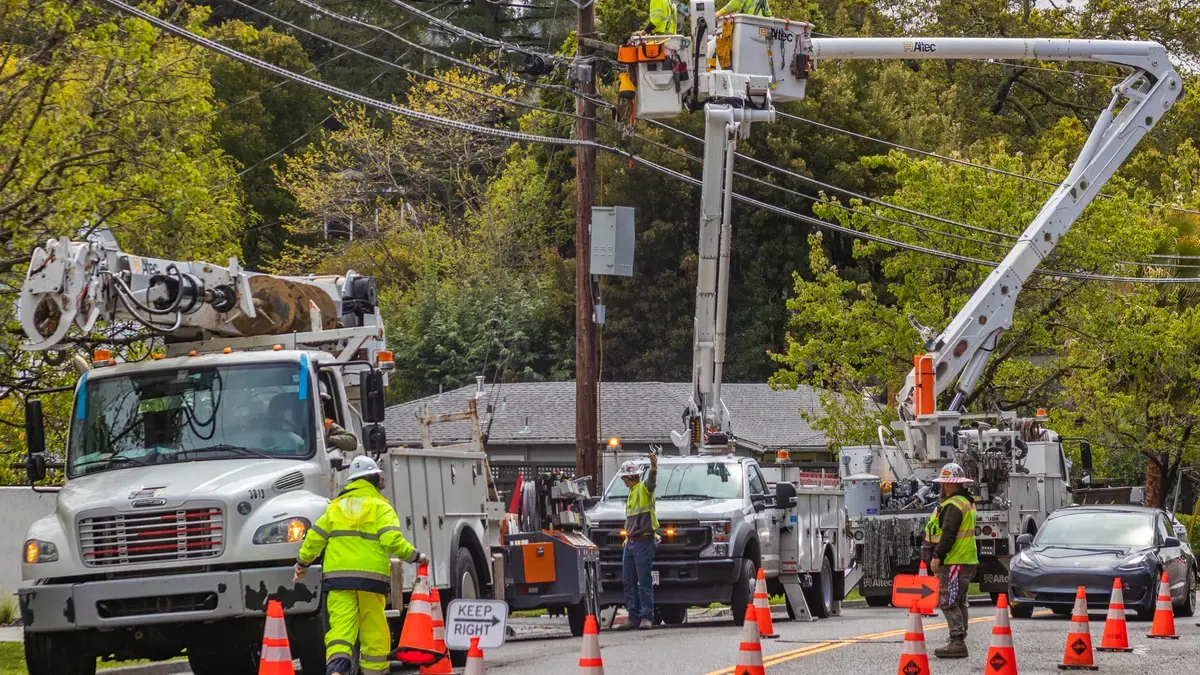
You start with a clear picture of what you already have. Walk each site and record four things: the age and condition of your current rectifiers, the health of your battery bank, the actual load your equipment draws, and the environmental conditions the site faces. Old rectifiers often run below modern efficiency thresholds. Batteries near end of life cannot support renewable energy integration reliably. Site load determines how much capacity your upgraded telecom power system must deliver. Temperature, humidity, and dust levels dictate which cooling method and enclosure rating you need.
Energy efficiency assessment follows established frameworks. ITU-T Recommendation L.1350 defines the Site Energy Efficiency metric for fully integrated base station sites. ITU-T Recommendation L.1351 specifies measurement points, including the energy consumption of telecommunication equipment at the DC powering interface and the energy from grid to equipment at the site. These standards give you a repeatable way to benchmark each site before and after upgrades. You can compare sites across your network and prioritize those with the largest gaps. This assessment also produces the baseline data that subsidy applications require.
Integrating Efficient Telecom Power System Hardware
After assessment, you select hardware that closes the gaps. ESTEL's Telecom Power System offers a practical integration option for most sites. It accepts a wide AC input range from 90 to 300 Vac, which suits areas with unstable grid supply. Natural cooling removes the need for fans or compressors, cutting maintenance and energy costs. The unit installs on a standard 19-inch rack or inside a cabinet, and it delivers up to 150A output. Multiple communication ports support remote monitoring and integration with your network management system.
Rectifier efficiency directly affects your return on investment. The table below shows measured performance for ESTEL's rectifier system compared to typical industry systems.
Metric | ESTEL's Rectifier System | Industry Standard Systems |
|---|---|---|
Conversion Efficiency | 98% | 95–96% |
Power Factor | 0.99 | 0.95 |
Total Harmonic Distortion | 1.12% | 3–5% |
Efficiency in Rectifier Mode | >97% | 95% |
Efficiency in Inverter Mode | >96% | 94% |
At 50% load, high-efficiency rectifiers achieve 98% efficiency or higher. This performance reduces wasted power and strengthens your subsidy case. ESTEL's broader portfolio supports full renewable energy integration. Outdoor battery cabinets protect lithium iron phosphate batteries in harsh conditions. IP55 base station cabinets house your power system for telecom cabinets alongside rectifier systems. These components work together as advanced telecom power solutions for any site.
You should also plan for renewable energy sources at the site level. Solar panels, battery storage, and grid connections form a hybrid architecture. This design meets the criteria for most green energy subsidies. A well-integrated telecom power system ties these elements into one manageable unit. The result is a site that runs on cleaner power, costs less to operate, and qualifies for available incentives. Each hardware choice you make now determines how much you save over the next decade.
Applying for Green Energy Incentives
Documentation and Evidence
You build your application on a foundation of solid documentation. Every subsidy program asks for the same core evidence. Equipment specifications come first. Collect datasheets for each component you install. Include the telecom power system, solar panels, batteries, and rectifiers. These documents prove your hardware meets the technical requirements set by the program.
Energy savings estimates form the second layer of evidence. You calculate these numbers using your site assessment data. Compare your projected energy use after the upgrade against your baseline consumption. Many programs require a certified engineer to review these figures. Some states also ask for third-party verification of your calculations. The more rigorous your estimates, the stronger your application.
Site data rounds out your documentation package. You need the exact location of each upgraded site, its load profile, and its current energy source. Utility bills from the past 12 months provide the consumption baseline most programs require. You also need proof of installation, such as photographs, contractor invoices, and commissioning reports. Finally, compliance records show your equipment meets relevant standards. These records include safety certifications, performance test results, and environmental compliance documentation. Organize all this material before you start any application. Missing documents delay approval and sometimes cause rejection.
Application Steps and Pitfalls
The application process follows a clear sequence. Step one requires you to identify the right program. Federal programs, state subsidies, and utility rebates each have different rules. You check eligibility for each one using the DSIRE database or your state energy office. Step two verifies that your project qualifies. You match your equipment list against the subsidy requirements for each program. Some programs restrict funding to specific technologies or site types. Step three involves submitting your documentation through the program's portal or paper process. Follow the instructions exactly. Attach every required file. Step four requires you to respond to reviewer questions. Programs often ask for clarification or additional evidence. You answer quickly and completely to keep your application moving.
Common pitfalls block many applications. Incomplete evidence is the most frequent problem. You submit a datasheet without the efficiency numbers. You forget the installation photos. You miss a required form. Double-check your package before you send it. Missed deadlines cost operators their funding. Each year, subsidy programs close their application windows on specific dates. You miss that window and you wait until the next cycle. Some programs reopen only once every two years. Mismatched equipment specs create another trap. Your datasheet shows one model number, but your invoice shows another. The reviewer rejects the application as inconsistent. Verify every document matches the actual installation.
One warning applies to every program. You cannot retrofit your way into green energy subsidies. You must plan your telecom power system update around the incentive criteria from the start. Equipment purchased before you verify eligibility rarely qualifies. Applying for green incentives rewards preparation, not speed. Take the time to get every detail right. Your access to funding that cuts your project payback period by years depends on it. Each approval moves you closer to lower operating costs and a cleaner network.
Maximizing Green Incentives for Telecom Operators
Operational Efficiency and Compliance
You capture the full value of your upgrades through daily operations. Natural cooling removes fans and compressors from your sites. Fewer moving parts mean fewer failures and lower maintenance costs. A wide AC input range of 90 to 300 Vac keeps your equipment running through grid fluctuations. This resilience reduces downtime and protects your service quality. Every hour your site stays online is an hour you earn revenue and avoid repair bills.
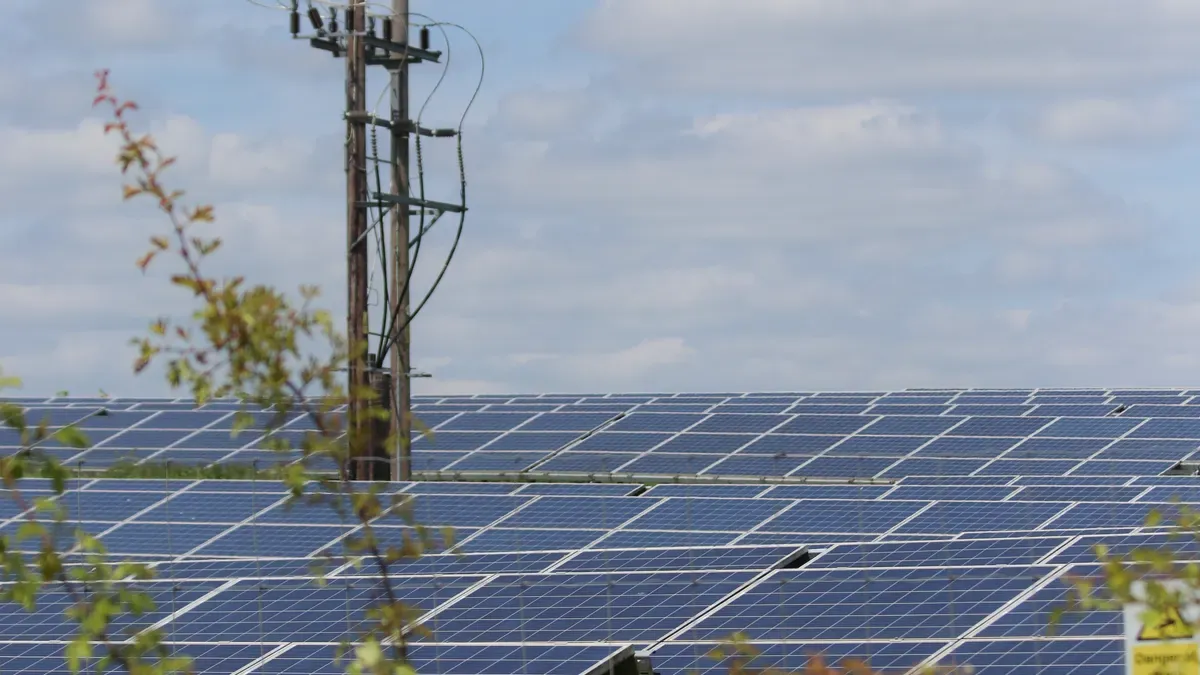
Compliance monitoring turns one-time approvals into lasting benefits. You track energy output from your solar panels and batteries. You report those figures to the program administrators on their schedule. You keep your documentation ready for audits at any time. Programs can review your site years after approval. Operators who maintain clean records keep their incentives without interruption. Those who fall behind on reporting risk repayment or disqualification. Build a simple tracking routine and assign one person to own it.
Long-Term Savings with ESTEL Solutions
Your savings compound over the life of the equipment. Efficient rectifiers waste less power, so you buy less electricity every month. Lithium iron phosphate batteries last through many charge cycles, which delays replacement costs. These gains stack on top of the subsidies you already received. The result is a payback period far shorter than a standard upgrade.
ESTEL supports your long-term results as a partner for reliable outdoor telecom infrastructure. The company's portfolio covers outdoor battery cabinets, IP55 base station cabinets, rectifier systems, and lithium iron phosphate batteries. Each product integrates with the others, so you build one coherent system instead of mismatched parts. ESTEL's Telecom Power System delivers up to 150A output with multiple communication ports for remote management. You monitor performance, plan maintenance, and prove compliance from one platform. This combination of efficient hardware and ongoing support helps you sustain renewable energy adoption for years. Your network grows cleaner, your costs stay lower, and your access to future funding remains strong.
Your path to lower costs and cleaner power follows three actions. Upgrade your telecom power system with renewable and efficient hardware. Verify your eligibility under current new energy policy subsidies. Apply strategically with complete documentation and accurate equipment specs. Treat this alignment as an ongoing process. Energy policies shift, technology improves, and new incentives appear each cycle. Review your sites every year and adjust your strategy. Operational savings compound when efficient rectifiers and natural cooling cut your monthly bills. Capturing available funding shortens your payback period and strengthens your budget for the next upgrade. Experienced solution providers like ESTEL help you sustain both results over the long term.
FAQ
Which federal programs support telecom power system upgrades?
The Bipartisan Infrastructure Law and the Inflation Reduction Act provide roughly $390 billion in clean energy tax credits. Over 40% of that funding supports deployment. You can also search DSIRE for state and utility programs that apply to your sites.
What equipment qualifies for new energy policy subsidies?
Solar generation, battery storage, hybrid power systems, and energy-efficient rectifiers qualify. Lithium iron phosphate batteries meet efficiency thresholds that many programs require. Remote monitoring and communication ports strengthen your application. Natural cooling features also support eligibility under most incentive criteria.
How do I document my telecom power system for an incentive application?
You collect equipment datasheets, energy savings estimates, site data, and proof of installation. Utility bills from the past 12 months establish your consumption baseline. Compliance records show your hardware meets safety and performance standards. Verify every document matches your actual installation before submission.
What mistakes cause green energy incentive applications to fail?
Incomplete evidence is the most common problem. Missing datasheets, absent installation photos, and forgotten forms delay or block approval. Missed deadlines force you to wait for the next funding cycle. Mismatched equipment specs between your datasheet and invoice trigger rejection.
Can I apply for incentives after installing new power equipment?
You must plan your telecom power system update around incentive criteria from the start. Equipment purchased before you verify eligibility rarely qualifies. Review program requirements first. Then select hardware that meets those specifications. This sequence protects your access to funding.
See Also
Grid-Tied Solar Inverter And Battery Setup For Telecom Cabinets
Solar Energy Storage Power System For Telecom Cabinet Applications
Essential Facts About Telecom Power Supply System Features
How To Maintain Reliable Power Supply For Telecom Cabinets
Beginner's Guide To Learning About Telecom Power Supply Systems
CALL US DIRECTLY
86-13752765943
3A-8, SHUIWAN 1979 SQUARE (PHASE II), NO.111, TAIZI ROAD,SHUIWAN COMMUNITY, ZHAOSHANG STREET, NANSHAN DISTRICT, SHENZHEN, GUANGDONG, CHINA
