Battery management features for -48V outdoor telecom systems

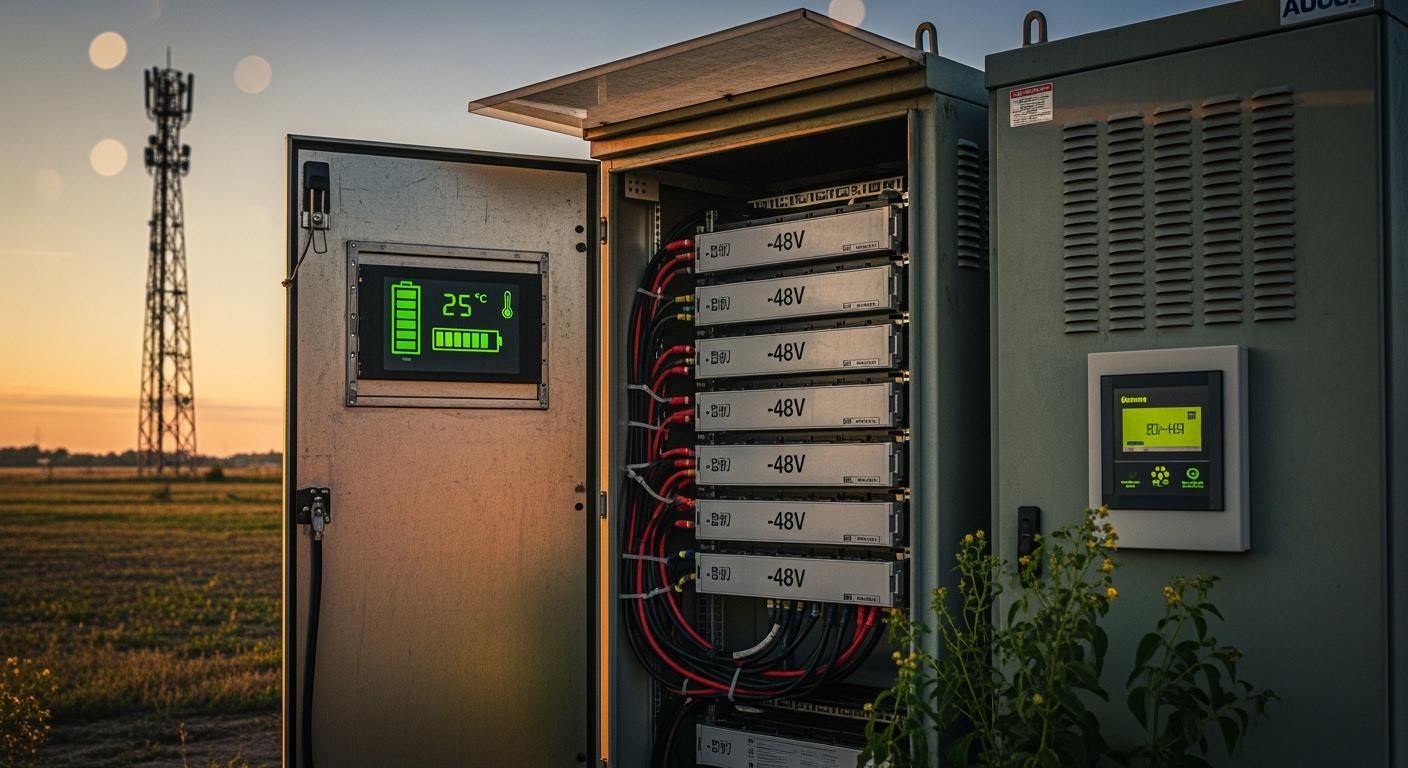
You need advanced battery management features to protect critical telecom equipment and guarantee business continuity. The most essential features include:
Continuous battery monitoring systems
Advanced safety features with thermal management
Integration of battery management systems with real-time monitoring
These features help you maintain continuity and uninterrupted communication, even during runtime testing. ESTEL’s Telecom Power System supports continuous operation for telecom networks. The table below shows how ESTEL’s technology improves reliability and business continuity:
Reliability Statistic | Description |
|---|---|
Efficiency | ESTEL modules achieve over 95% efficiency, which saves energy and reduces costs. |
Durability | Modules are designed to last long even in adverse conditions, ensuring reliability. |
Trusted brands like ESTEL use modular design and special cooling systems, reducing battery failure rates and supporting uninterrupted service in demanding outdoor environments.
Key Takeaways
Continuous battery monitoring ensures telecom networks stay online.
Temperature compensation prevents battery overheating and extends life.
Remote monitoring allows real-time tracking of battery health.
Predictive maintenance reduces downtime and improves efficiency.
Lithium-ion batteries offer longer life and lower maintenance costs.
Key Features for Telecom Batteries
Temperature Compensation
Temperature compensation plays a vital role in maintaining battery performance for telecom batteries. You need this feature to adjust charging voltage based on battery temperature. This adjustment prevents overcharging and reduces heat, which helps batteries last longer. In outdoor telecom environments, temperature can change quickly. If you use temperature compensation, you protect telecom batteries from thermal stress and extend their lifespan.
Temperature compensation technology adjusts charging voltage as the temperature changes.
This process prevents overheating and keeps batteries healthy.
C&D gel battery technology shows better results than other VRLA types in outdoor telecom applications.
Research shows that temperature compensation methods, such as TC-MSCC, lead to longer operating lifetimes for telecom batteries. You also get faster charging and less heat buildup. The multistage charging method reduces charging time by over 40% compared to older methods. It limits temperature rise to only 5°C above room temperature, which means a 20% reduction compared to conventional charging.
Remote Monitoring and Control
Remote monitoring and control give you real-time visibility into the status of telecom batteries. You can track battery health, voltage, current, and temperature from anywhere. This feature uses telemetry systems and RTUs to send data to your network management platform. You receive alerts if something goes wrong, so you can act before a problem affects your telecom network.
A Battery Monitoring System acts like a virtual maintenance person. You do not need to visit remote sites as often. The system identifies issues before they cause failures. By preventing overcharging and deep discharging, remote monitoring extends battery life and reduces operational costs.
Real-time monitoring of gases like hydrogen and carbon monoxide provides early warning of faults.
Metal oxide sensors detect outgassing events seconds before thermal runaway.
Automated alerts notify you of voltage, current, or temperature deviations.
Integration with third-party platforms centralizes data and improves scalability.
AI and IoT-enabled sensors predict failures and optimize maintenance schedules.
Charge/Discharge Management
Charge and discharge management help you maintain the health and safety of telecom batteries. You need to monitor discharge patterns to avoid deep discharges, which can reduce battery capacity. Keeping batteries within a moderate state of charge range extends their service life. Temperature management prevents overheating and ensures optimal battery performance.
Proper installation techniques prevent physical damage.
Choosing the right battery type improves reliability.
Regular maintenance checks identify issues early.
Smart monitoring systems provide real-time data for proactive care.
Fault Detection and Alarms
Fault detection and alarm systems protect your telecom batteries from unexpected failures. You can set thresholds for voltage, internal resistance, and temperature. If a value goes beyond the limit, the system sends an alert. You store at least 24 months of 1-minute samples for detailed analysis. Annual discharge tests help you monitor capacity loss and resistance changes.
Metric | Minor Threshold | Major Threshold |
|---|---|---|
Voltage deviation | + or -3% of nominal | + or -5% of nominal |
Internal resistance | +15% rise | +25% rise |
Temperature | + or -5 C | + or -8 C or >45 C |
You can customize alarm thresholds based on your site’s needs. For secure network integration, enable SNMPv3 in authPriv mode and use Access Control Lists to restrict access to trusted IPs.
Predictive Maintenance
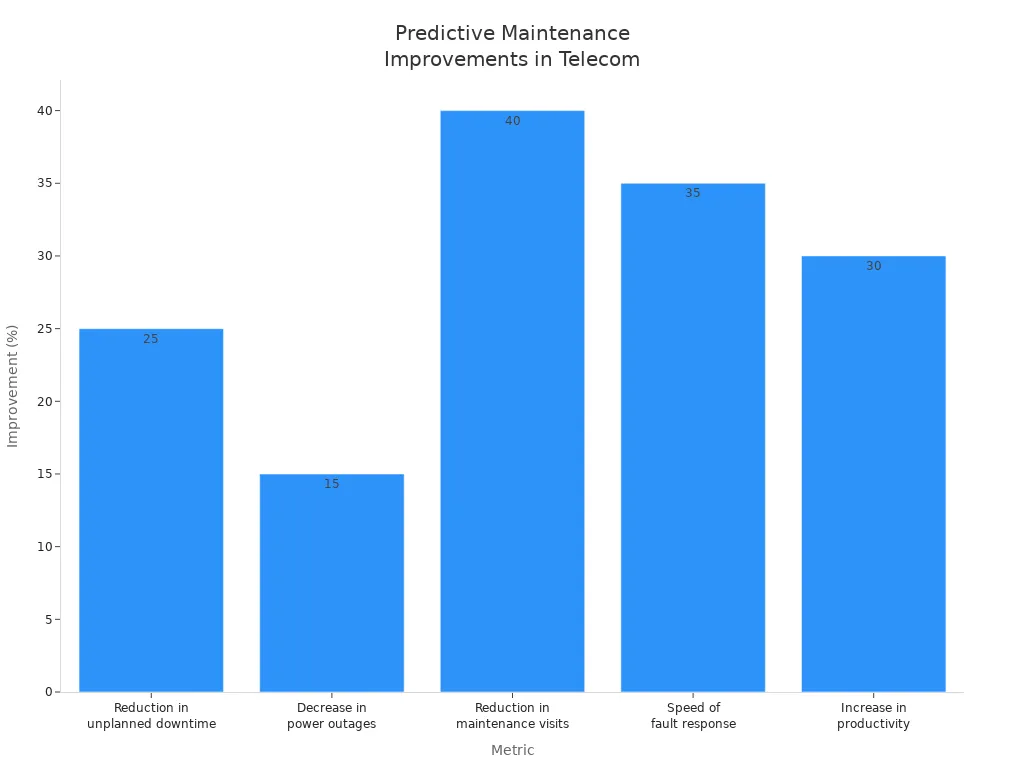
Predictive maintenance uses advanced analytics to forecast potential problems with telecom batteries. You can reduce unplanned downtime by 25% and decrease power outages by 15%. Maintenance visits drop by 40%, and fault response becomes 35% faster. Productivity increases by 30%. These improvements help you keep your telecom network running smoothly.
Tip: Regular monitoring and predictive analytics help you avoid costly repairs and extend the life of your telecom batteries.
You can see that these key features work together to improve reliability, save costs, and extend the lifespan of telecom batteries. If you use advanced monitoring and management, you keep your telecom network strong and resilient.
Outdoor Challenges for Critical Infrastructure
Temperature Extremes
You face serious risks when your telecom batteries operate in temperature extremes. Cold weather can slow chemical reactions inside batteries, reducing available capacity and making it harder for your network to stay online. High temperatures can cause even more damage. A study found that if the temperature rises by just 8°C, the lifespan of a lead-acid battery can be cut in half. For example, a battery that lasts 10 years at 25°C may only last 5 years at 33°C. In extreme heat, such as 42°C, you might see battery life drop to just over a year. High temperatures also increase charging time, gas generation, and self-discharge rates. While you may notice a temporary boost in efficiency, long-term exposure to heat will shorten battery life and increase the risk of network downtime. Cold weather can also make batteries less reliable, especially during winter storms or sudden temperature drops.
Tip: You should monitor battery temperature closely and use cabinets with proper insulation to protect against both heat and cold weather.
Power Outages and Grid Instability
Power outages remain a major threat to outdoor telecom systems. You must prepare for sudden outages caused by severe weather, aging infrastructure, or grid instability. The frequency and intensity of natural disasters are rising, which means you will likely face more prolonged power outages. Research shows that long outages are ten times more common on days with multiple severe weather events. Climate change continues to strain electrical grids, making outages more frequent and unpredictable. Prolonged power outages can lead to network downtime, loss of communication, and damage to sensitive equipment.
Impact Type | Description |
|---|---|
Immediate Threats | Grid outages pose immediate threats to telecom power systems, interrupting communication services. |
Equipment Vulnerability | Voltage fluctuations and transient overvoltages can damage sensitive telecom equipment. |
Operational Downtime | Outages lead to significant operational downtime and potential data loss. |
Role of Surge Protection Devices | SPDs help maintain continuous operation and reduce maintenance costs, enhancing system reliability. |
Severe cold weather can make outages last longer and increase the risk of network downtime.
You should install surge protection devices to help maintain continuous operation and reduce maintenance costs.
Environmental Hazards
Outdoor telecom battery systems face many environmental hazards. You must protect your equipment from risks such as thermal runaway, corrosive electrolytes, and harsh external conditions. Thermal runaway can happen because of internal short circuits, leading to fires or explosions. Batteries like lead-acid types can vent corrosive gases, which may cause injury. Extreme cold weather, high humidity, and exposure to corrosive substances can degrade battery performance and increase the chance of failure.
Safety Risk | Description |
|---|---|
Thermal Runaway | Can occur due to internal short circuits, leading to fires and explosions. |
Corrosive Electrolytes | Lead acid and other batteries can vent corrosive gases, posing injury risks. |
Environmental and External Factors | Extreme temperatures, high humidity, and exposure to corrosive substances can degrade battery performance and increase the likelihood of failure. |
You should use outdoor battery cabinets with high ingress protection ratings and anti-corrosion coatings to shield your batteries from cold weather, moisture, and contaminants. Regular inspections and preventive maintenance help you avoid unexpected failures and network downtime.
Battery Management Solutions with ESTEL
Telecom Power System Integration
You need a telecom power system that can handle the toughest outdoor conditions. ESTEL’s telecom power system gives you reliable backup power during hurricanes, heatwaves, and other extreme weather events. This system uses advanced hybrid power supply technology and remote monitoring to keep your batteries charged and ready. You get uninterrupted backup for your telecom network, even when the grid fails. The robust design includes thermal management to prevent overheating and enclosures that shield batteries from moisture and debris. These features help you maintain backup power and energy storage in harsh environments. You can trust the telecom power system to deliver consistent backup and protect your critical infrastructure.
Outdoor Battery Cabinet Protection
You must protect batteries from environmental hazards to extend their life and reduce failures. ESTEL’s outdoor battery cabinet regulates temperature and humidity, preventing overheating and degradation of batteries. The cabinet uses proper ventilation to remove harmful gases and maintain a stable environment. Storing batteries in a controlled setting reduces the risk of damage and increases their lifespan. You also get protection from mechanical shocks, falls, and chemical leaks. The cabinet’s flame-retardant lining and sealed compartments minimize fire and electrical hazards. Effective seals and ventilation regulate internal temperature and humidity, which enhances battery performance and backup reliability.
Cabinets regulate temperature and humidity for batteries.
Ventilation systems remove harmful gases.
Controlled settings extend battery lifespan.
Protection from shocks and leaks.
Flame-retardant linings and sealed compartments reduce hazards.
Seals and ventilation prevent condensation and corrosion.
Advanced Rectifier System Benefits
You need a rectifier system that meets modern energy efficiency standards and supports continuous backup power. ESTEL’s telecom rectifier system uses modular and hot-swappable designs, so you can maintain uptime with plug-and-play modules. Digital monitoring and AI-driven load balancing help you predict maintenance needs and optimize energy use. The system delivers reliable power supply for telecom batteries, supporting backup and reducing downtime.
Benefit | Description |
|---|---|
Energy Efficiency Mandates | Equipment meets efficiency benchmarks (>96% peak efficiency). |
Modular & Hot-Swappable Designs | Plug-and-play modules ensure continuous uptime for backup power. |
Technological Innovations | Digital monitoring and AI-driven load balancing improve predictive maintenance and energy use. |
You get a telecom power system that works with rectifier modules and outdoor battery cabinets to create a complete solution. This integration helps you manage batteries, maintain backup power, and keep your telecom network running in any environment.
Battery Capacity and Type Comparison
Lead-Acid vs. Lithium-Ion
You face a choice between lead-acid and lithium-ion batteries when planning telecom backup systems. Lithium-ion batteries offer higher energy density and longer lifespan, often reaching up to 10 years. You benefit from faster charging and discharging, which lowers operational costs. Lead-acid batteries may seem affordable at first, but they require frequent replacements and regular maintenance. Over a decade, lithium-ion batteries cost less because you replace them less often and spend less time on upkeep.
Feature | Lead-Acid Batteries | Lithium-Ion Batteries |
|---|---|---|
Lifespan | 3-5 years | 10 years or more |
Cycle Life | 200-400 cycles | 4000+ cycles |
Depth of Discharge (DoD) | 30-50% | Up to 100% |
Efficiency | Lower efficiency | Higher efficiency |
Maintenance | Regular checks required | Minimal maintenance required |
Weight | Heavier | Lighter |
Cost Over 10 Years | $2400 (multiple replacements) | $1000 (one-time purchase) |
Lithium-ion batteries last longer, reducing replacement frequency and costs.
Lead-acid batteries may require multiple replacements over 10 years, leading to higher overall costs.
The initial investment for lithium-ion batteries is offset by their longevity and lower maintenance needs.
Battery Management System (BMS) Needs
You need battery management systems to monitor and control batteries in telecom applications. These systems track battery capacity, temperature, and voltage. You receive alerts for faults or abnormal conditions. Battery management systems help you prevent deep discharges and overcharging, which protects batteries and extends their lifespan. You can optimize battery performance and reduce downtime with real-time data and predictive analytics.
Tip: Use battery management systems to automate maintenance and improve reliability for telecom networks.
Optimizing Battery Capacity for Telecom
You must balance battery capacity, cost, and reliability to keep telecom networks running during outages. Energy storage systems reduce energy costs and stabilize your network. Backup power ensures uninterrupted service. You can use peak shaving to lower electricity bills. Integrating renewable energy, such as solar, increases sustainability and stores excess power for emergencies. Lithium-ion batteries provide high efficiency and long lifespans, making them ideal for telecom sites in harsh climates.
Backup Power Option | Description |
|---|---|
VRLA Batteries | Low initial cost but shorter lifespan and poor performance in extreme weather. |
Higher cycle life and better performance in harsh climates, though with higher upfront costs. | |
Solar-Powered Microgrids | Ideal for off-grid sites, reducing diesel consumption and carbon footprint. |
Hybrid Systems | Combine solar, batteries, and diesel for resilience and efficiency. |
You can monetize idle assets by participating in demand response programs. Distributed generation lets you produce electricity on-site, reducing grid dependence. Choose the right battery capacity to match your backup needs and optimize costs for your telecom infrastructure.
Best Practices for Reliable Operation
Seasonal and Preventive Maintenance
You need to adjust your maintenance routines throughout the year to keep your outdoor telecom battery systems running smoothly. Each season brings unique challenges. The table below shows the most effective practices for every season:
Season | Maintenance Practices |
|---|---|
Summer | Regular upkeep and cleaning of outdoor cabinets, power systems, and TE equipment; temperature control measures. |
Fall | Check landscaping, clear debris, and inspect cables, wiring, and tower lights for potential hazards. |
Winter | Prevent equipment freezing, check humidifiers, heaters, and boilers; standardize and automate maintenance. |
Spring | Ensure commercial power source efficiency, test backup systems, and prevent water damage. |
You should schedule regular inspections and cleaning. Use temperature control measures in summer and prevent freezing in winter. Always test backup systems in spring and clear debris in fall. These steps help you avoid unexpected failures and extend battery life.
Data-Driven Monitoring
You can improve reliability and efficiency by using data-driven monitoring. Modern systems collect data continuously and send immediate alerts when they detect abnormal conditions. Automated responses address problems before they escalate. AI and machine learning models analyze both historical and live data to detect anomalies. Predictive models forecast optimal maintenance times. Integration of IoT and AI-driven analytics turns raw sensor data into actionable predictions about battery health and remaining useful life.
Continuous data collection enables immediate alerts.
Automated responses fix issues quickly.
AI models detect anomalies and forecast maintenance needs.
IoT analytics provide actionable insights for battery management.
You get a smarter, more proactive approach to battery care.
Partnering with ESTEL for Support
You benefit from partnering with ESTEL for ongoing battery management and maintenance. ESTEL offers tailored solutions for both compact and high-capacity systems. You receive comprehensive support, including installation, maintenance, and upgrades. Regular inspections and cleaning keep your equipment in top condition. Monitoring tools like sensors and remote solutions help you track battery health. Proactive maintenance strategies reduce costs and improve efficiency.
Partnering with a trusted provider like ESTEL guarantees expert support tailored to your system's needs.
Maintaining ESTEL telecom battery backup systems ensures uninterrupted operations and extends system lifespan. By leveraging monitoring tools, you maintain the health of your batteries and maximize system performance.
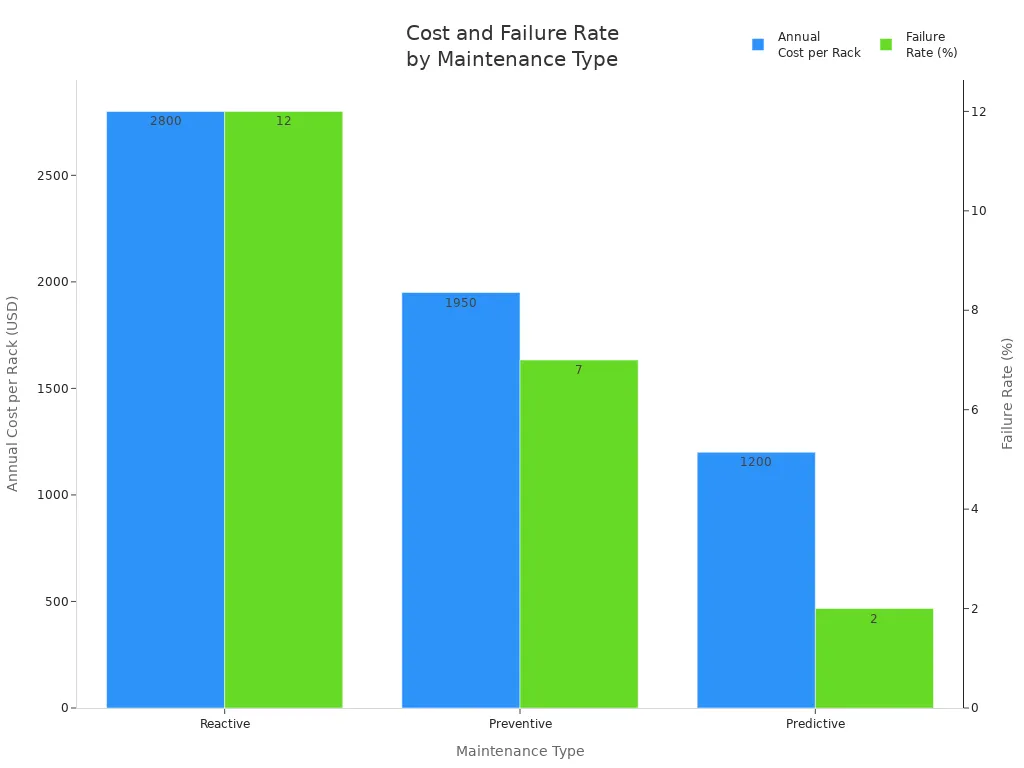
You improve network reliability and uptime by using advanced battery management features and ESTEL’s solutions for -48V outdoor telecom systems. Proactive management lowers failure rates and annual costs, as shown below:
Maintenance Type | Annual Cost per Rack | Failure Rate |
|---|---|---|
Reactive | $2,800 | 12% |
Preventive | $1,950 | 7% |
Predictive | $1,200 | 2% |
You should select products with high energy density, strong safety features, and robust monitoring. ESTEL helps you protect your critical infrastructure and achieve long-term savings.
FAQ
What is the main benefit of using a battery management system (BMS) in telecom applications?
You get real-time monitoring and control of your batteries. A BMS helps you prevent overcharging, deep discharging, and overheating. This system extends battery life and improves network reliability.
How do ESTEL outdoor battery cabinets protect batteries in harsh environments?
You benefit from IP55 or IP65 rated enclosures. These cabinets shield batteries from dust, water, and temperature extremes. Built-in cooling and ventilation systems keep batteries at safe operating temperatures.
Why should you choose lithium-ion batteries over lead-acid for telecom backup?
You gain longer lifespan, higher efficiency, and less maintenance with lithium-ion batteries. They handle more charge cycles and perform better in extreme temperatures. Over time, you save money on replacements and upkeep.
How often should you perform preventive maintenance on outdoor telecom battery systems?
You should inspect and clean your systems at least once per season. Regular checks help you spot issues early and keep your network running smoothly.
Can you monitor ESTEL battery systems remotely?
Yes! ESTEL offers remote monitoring tools. You can track battery health, temperature, and performance from anywhere. This feature helps you respond quickly to any problems and reduces site visits.
See Also
Integrated Solar Inverter And Battery System For Telecom Cabinets
Solar Energy Storage Solutions For Telecom Cabinet Power Needs
Battery Solutions For Energy Storage In ESTEL Telecom Cabinets
Calculating Power Systems And Battery Needs For Telecom Cabinets
The Advantages Of Lithium Batteries Over Other Options In Telecom
CALL US DIRECTLY
86-13752765943
3A-8, SHUIWAN 1979 SQUARE (PHASE II), NO.111, TAIZI ROAD,SHUIWAN COMMUNITY, ZHAOSHANG STREET, NANSHAN DISTRICT, SHENZHEN, GUANGDONG, CHINA
