Telecom Power Solutions: Designing a Fault-Tolerant DC System with N+1 Rectifiers

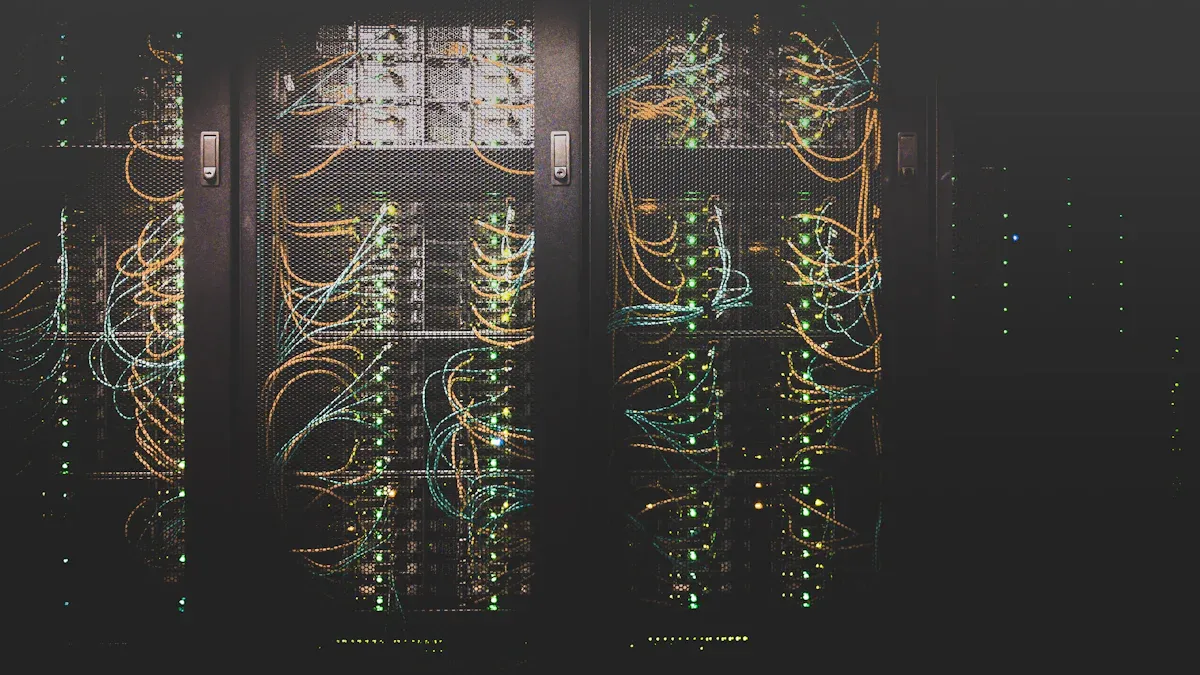
N+1 rectifiers form the foundation of a fault-tolerant DC Telecom Power system, ensuring continuous operation when equipment fails.
N+1 redundancy is critical for semiconductor, military, and industrial applications, as it ensures a company's system continues to operate in the event of component failure. Without N+1 redundancy, if one of the modular power supplies fails it can lead to a complete shutdown of the entire power system. An N+1 system offers an additional module, if one module fails the system can continue to support the load, increasing your system's reliability and reducing the risk of service interruptions.
A robust DC power design reduces network downtime and improves reliability. The following table shows the impact of strong power system architecture:
Performance Aspect | Statistic | Explanation |
|---|---|---|
Downtime Reduction | 25% | Improves network reliability |
ESTEL delivers trusted solutions for telecom infrastructure. The ESTEL Telecom Power System provides reliable and efficient power management for operators in demanding environments.
Key Takeaways
N+1 redundancy enhances system reliability by ensuring continuous operation during equipment failures.
Implementing a robust DC power design can reduce network downtime by up to 25%, improving overall service reliability.
Regular maintenance and proactive checks can significantly lower battery failure rates and extend the lifespan of power systems.
Choosing the right components, like efficient rectifiers and reliable batteries, is crucial for optimal performance in telecom power systems.
N+1 Redundancy in DC Telecom Power

N+1 Concept and Benefits
N+1 redundancy describes a system design where one extra module supports the required number of units (N) needed to power telecom equipment. This approach ensures that if one rectifier fails, the system continues to operate without interruption. In DC Telecom Power systems, N+1 redundancy plays a vital role in maintaining reliability and resilience. Operators use this design to prevent widespread outages and keep critical communication services running.
Industry studies show that N+1 redundancy allows power systems to function even when a component fails. This design prevents downtime and supports operational continuity. The main advantage of redundant power systems is their ability to provide uninterrupted operations. When the main power source fails, backup modules activate instantly. This seamless transition avoids costly service interruptions.
Regulatory standards, such as NERC Standard TPL-001-5, require telecom power systems to include redundancy. These standards help eliminate single points of failure and ensure that networks remain operational during unexpected events. Investing in N+1 redundancy often proves more cost-effective than facing the consequences of power outages.
N+1 redundancy significantly enhances system reliability.
For a single unit with a failure rate of 10 x 10^5 (MTBF of 100,000 hours), the N+1 system's failure rate is approximately 1 x 10^10 (MTBF of 10 billion hours).
This means two units must fail at the same time for the power system to stop working.
Fault Tolerance in Telecom Applications
Telecom networks require continuous power to support voice, data, and emergency services. Fault tolerance ensures that these networks remain available, even during equipment failures. N+1 redundancy in DC Telecom Power systems provides this fault tolerance by adding an extra rectifier module. If one rectifier stops working, the backup takes over immediately. This process keeps the network running and prevents service disruptions.
Telecom operators rely on fault-tolerant designs to meet customer expectations and regulatory requirements. Uninterrupted power supply protects sensitive equipment and maintains communication links during emergencies. N+1 redundancy forms the backbone of reliable telecom infrastructure.
ESTEL’s Redundancy Solutions
ESTEL offers advanced redundancy solutions for DC Telecom Power systems. Their products feature modular and scalable designs, allowing operators to expand capacity as network demands grow. ESTEL integrates smart energy management systems that optimize battery usage and extend battery life. These features help reduce operational costs and improve energy efficiency.
The following table highlights key features that distinguish ESTEL’s redundancy solutions:
Feature | Description |
|---|---|
Modular and Scalable Design | Customizable setups that can expand as needs grow, ensuring investment is aligned with current requirements. |
Smart Energy Management Systems | Advanced Battery Management Systems optimize energy usage, extending battery life and reducing costs. |
Eco-Friendly Solutions | Integration with renewable energy sources and high energy efficiency to minimize environmental impact. |
Industry-Leading Warranty & Support | Comprehensive warranties and exceptional customer support to ensure operational reliability. |
ESTEL’s Telecom Power System supports flexible installation on standard racks or inside cabinets. The system’s wide input voltage range and natural cooling design make it suitable for diverse environments. With these features, ESTEL helps telecom operators achieve reliable, fault-tolerant power delivery for their critical infrastructure.
DC Telecom Power System Architecture
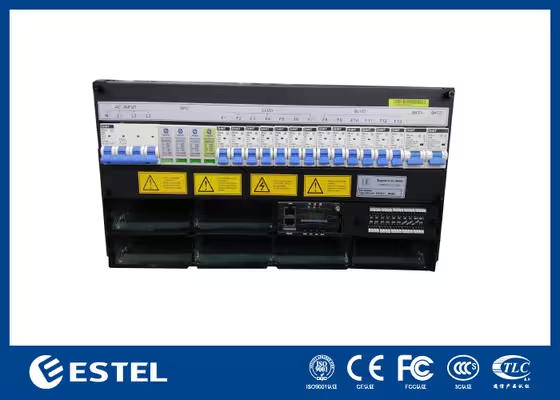
Key Components Overview
A DC Telecom Power system contains several essential components that work together to deliver reliable power to telecom equipment. The main components include rectifiers, batteries, power distribution units, and control systems. Each part plays a specific role in maintaining system stability and efficiency.
Component | Description | Specifications |
|---|---|---|
Rectifier / Charger | Converts AC to DC and charges batteries. | Efficiency, redundancy, modularity, scalability |
Batteries | Provide backup power during outages, typically run in series. | VRLA, Lithium Ion, NICAD, Wet Cell; durability is key |
Power Distribution | Distributes power to various telecom equipment. | Reliability and efficiency based on application |
Control Systems | Monitor and manage the power system's performance and health. | Remote monitoring, alarms, notifications for maintenance |
These components ensure that telecom networks receive stable and continuous power, even in challenging environments.
Role of Rectifiers and Batteries
Rectifiers and batteries form the backbone of DC Telecom Power systems. Rectifiers convert alternating current (AC) from the grid into direct current (DC), which telecom equipment requires. High efficiency and voltage regulation make rectifiers vital for managing varying power demands. Batteries provide backup power during outages, allowing telecom systems to operate without interruption. Maintenance-free batteries, such as lithium-ion or VRLA types, reduce the need for frequent replacements. The combination of efficient rectifiers and reliable batteries minimizes downtime and lowers maintenance costs. Monitoring and protection devices further enhance system reliability by enabling proactive maintenance.
Integration with ESTEL Telecom Power System
ESTEL’s Telecom Power System offers flexible installation options and robust operational reliability. The system supports both rack-mounted and cabinet installations, making it suitable for diverse telecom sites. Customizable solutions allow operators to tailor the system to unique requirements. Scalability ensures that the power system can grow alongside network expansion, supporting new base stations and increased loads. Energy-efficient rectifiers help reduce operational costs and environmental impact. Advanced monitoring tools provide real-time data for performance optimization and early detection of inefficiencies. High-grade materials ensure durability, even in harsh outdoor conditions. These features make ESTEL’s solution a dependable choice for modern DC Telecom Power infrastructure.
Designing an N+1 System
Load Calculation Steps
Designing an N+1 system begins with accurate load calculation. This process ensures the power system meets current and future demands. The following steps outline a reliable approach:
Understand Input Voltage and Output Current
Calculate the total power requirement using the formula: Power (P) = Voltage (V) x Current (I). Gather data on all telecom equipment that will connect to the system.Incorporate Safety Margins
Add a safety buffer of 20-30% to the calculated load. This margin accounts for unexpected increases in demand and future expansion.Adjust for Real-World Conditions
Consider environmental factors such as temperature fluctuations and component aging. These factors can affect system performance over time.
Tip: Always round up the final load value to ensure the system remains reliable during peak usage or equipment upgrades.
Rectifier Selection and Sizing
Selecting and sizing rectifiers is a critical step in building a robust N+1 system. The following table summarizes key factors to consider:
Factor | Description |
|---|---|
Efficiency | High efficiency reduces energy waste and operational costs. Advanced technologies can exceed 99% efficiency. |
Thermal Management | Effective cooling extends rectifier lifespan. Evaluate airflow and consider forced-air cooling in dense setups. |
System Compatibility | Match rectifier input/output voltage ranges and connection types to system requirements. |
Reliability | Choose rectifiers with high Mean Time Between Failures (MTBF) to minimize downtime. |
Cost | Balance initial investment with long-term savings from efficiency and reliability. |
Operators should select rectifiers that align with both current and anticipated load requirements. Proper sizing prevents overloading and supports future scalability.
Redundancy Implementation Methods
Redundancy models determine how a system responds to failures. The table below compares common configurations:
Redundancy Model | Configuration Description | Fault Tolerance | Cost Implication | Typical Use Cases |
|---|---|---|---|---|
N+1 | N units plus 1 spare unit | Handles a single component failure | Moderate cost; cost-effective for small to medium needs | Small/medium data centers, less critical telecom setups |
2N | Two fully independent N systems | Handles multiple failures; allows maintenance without downtime | High cost; requires more space and energy | Large data centers, hospitals, mission-critical telecom facilities |
N+1 redundancy offers a balance between reliability and cost. It allows one failure without service interruption, making it suitable for most DC Telecom Power applications. 2N redundancy provides higher fault tolerance but at a significantly higher cost.
Note: Modular designs enhance scalability and reliability. Operators can add or replace modules without shutting down the system, supporting hot-swapping and minimizing downtime.
ORing Solutions: Diodes vs. MOSFETs
ORing devices prevent backfeed and isolate faulty modules in N+1 rectifier systems. The table below highlights the comparative advantages of diodes and MOSFETs:
Advantage | Diodes | MOSFETs |
|---|---|---|
Cost | Lower component costs | Higher component costs |
Complexity | Simple integration with minimal circuitry | More complex integration |
Efficiency | Low forward voltage (Schottky) for high efficiency | Generally higher losses |
Versatility | Wide range of current/voltage ratings | Limited by design constraints |
Application Breadth | Suitable for both consumer and industrial | Often specialized applications |
Thermal Management | Established thermal characteristics | Requires careful thermal design |
Diodes offer simplicity and broad application, while MOSFETs provide specialized solutions where efficiency and fast switching are priorities. The choice depends on system requirements and budget.
ESTEL Product Selection Tips
Selecting the right ESTEL products ensures optimal performance and reliability. Consider the following criteria:
Criteria | Description |
|---|---|
Power Demand | Assess the total power requirements of the telecom equipment. |
Backup Needs | Determine the necessity for backup power solutions in case of outages. |
Space Limits | Evaluate the physical space available for installation of power units. |
Cost Factors | Consider the budget constraints and overall cost of ownership. |
Environmental Factors | Analyze the environmental conditions such as temperature and humidity. |
Brand Reliability | Look into the reputation and reliability of the brand for long-term support. |
Operators should:
Match module output to cabinet power demand.
Consider operational reliability for remote deployments.
Evaluate the need for DC power systems and battery backups.
Assess the use of UPS systems and PDUs in urban settings.
Choose module sizes based on load requirements (100W, 200W, 300W).
Tip: ESTEL’s Telecom Power System supports flexible installation and natural cooling, making it suitable for a wide range of environments. Operators benefit from advanced monitoring features and robust support, ensuring long-term reliability.
Best Practices and Challenges
System Integration and Monitoring
Operators achieve reliable DC Telecom Power performance by following best practices for system integration and monitoring. They assess power monitoring needs by identifying the number of devices and the level of data detail required. Selecting compatible monitoring equipment ensures accurate data collection. Proper mounting and wiring of hardware, based on manufacturer guidelines, supports reliable operation. Configuration and calibration of sensors provide precise measurements. Routine maintenance and calibration checks maintain system accuracy. Data analysis helps identify optimization opportunities. Integration with building management systems streamlines data collection and supports informed decision-making. Continuous monitoring technologies allow operators to detect faults early, reducing downtime and improving operational efficiency.
Maintenance for Reliability
Regular maintenance plays a vital role in extending the lifespan of power systems. Operators who service their equipment proactively see a significant reduction in battery failure rates. Routine checks and servicing of UPS systems prevent unexpected failures and delays in replacements. Proactive maintenance also ensures operational continuity and reduces the risk of outages. Predictive maintenance strategies, supported by real-time monitoring, can decrease downtime and extend equipment life.
Overcoming Common Issues
Operators often face challenges such as power surges, high-voltage spikes, and transients. These issues can damage sensitive electronic systems. The table below outlines common problems and possible solutions:
Common Issue | Description | Possible Solutions |
|---|---|---|
Power Surges | Voltage exceeds normal levels, often from heavy equipment. | Surge suppressors, voltage regulators, UPS, power conditioners |
High-Voltage Spikes | Sudden voltage peaks, sometimes caused by lightning. | Surge suppressors, voltage regulators, UPS, power conditioners |
Transients | Short-term power quality disturbances. | Surge suppressors, voltage regulators, UPS, power conditioners |
Remote locations present additional challenges. Unreliable power supply, high maintenance costs, safety risks, and complex logistics can impact system performance. Environmental concerns also drive the need for sustainable solutions.
ESTEL Support Services
ESTEL provides a range of support services to help operators address these challenges. Their energy-saving cabinet PDUs can reduce energy consumption by up to 20%. Hybrid power systems and renewable energy integration support sustainability goals. Advanced cooling technologies maintain optimal equipment conditions. Smart monitoring technologies enable real-time management, preventing overloads and ensuring reliability. Operators who adopt ESTEL’s Telecom Power System report measurable improvements, including a 30% reduction in unplanned outages and a 25% decrease in network downtime.
Operators who follow best practices and leverage ESTEL’s support services can achieve reliable, efficient, and sustainable telecom power infrastructure.
Designing a fault-tolerant DC telecom power system with N+1 rectifiers involves several critical steps. The table below highlights essential considerations:
Key Step/Consideration | Description |
|---|---|
Power Shelf Configuration | Use multiple circuit protection devices to support A/B loads. |
AC Diversity Management | Connect individual power module cords to enhance fault tolerance. |
N+1 Design Concept | Keep one module in hot-standby for seamless operation during faults. |
A/B Circuit Isolation | Isolate circuits to eliminate single points of failure. |
Load-Based Configuration | Analyze current draw and configure apparatus for optimal capacity. |
Redundant Power Modules | Install modules with separate AC inputs to increase fault tolerance. |
Telecom engineers and decision-makers can improve reliability by following these recommendations:
Implement redundant designs with backup modules and dual wiring paths.
Regularly test backup systems and document all redundant features.
Utilize effective thermal management and corrosion-resistant materials.
Select reliable suppliers and conduct thorough testing procedures.
Ensure proper cabling, grounding, and adopt predictive maintenance strategies.
Adopting these best practices and choosing ESTEL’s Telecom Power System supports robust, reliable telecom infrastructure.
FAQ
What does N+1 redundancy mean in telecom power systems?
N+1 redundancy means the system uses one more rectifier than needed. If one rectifier fails, the extra unit keeps the system running. This design increases reliability and prevents service interruptions.
What are the main components of a DC telecom power system?
A DC telecom power system includes rectifiers, batteries, power distribution units, and control systems. Each component works together to provide stable and reliable power for telecom equipment.
What makes ESTEL’s Telecom Power System suitable for outdoor use?
ESTEL’s Telecom Power System uses durable materials and weatherproof designs. The system resists corrosion and handles harsh environments. Operators can install it in remote or challenging locations with confidence.
What is the role of rectifiers in telecom power solutions?
Rectifiers convert AC power from the grid into DC power. Telecom equipment needs DC power to operate. Rectifiers ensure a steady and efficient power supply for all connected devices.
What support services does ESTEL offer for telecom operators?
ESTEL provides technical support, advanced monitoring tools, and maintenance services. Operators receive help with installation, troubleshooting, and system optimization. These services improve reliability and reduce downtime.
See Also
Ensuring Consistent Power Supply for Telecom Cabinet Systems
Solar Inverter and Battery Solutions for Telecom Cabinets
Calculating Power Systems and Battery Needs for Telecom Cabinets
Energy Storage Solutions Using Solar Power for Telecom Cabinets
CALL US DIRECTLY
86-13752765943
3A-8, SHUIWAN 1979 SQUARE (PHASE II), NO.111, TAIZI ROAD,SHUIWAN COMMUNITY, ZHAOSHANG STREET, NANSHAN DISTRICT, SHENZHEN, GUANGDONG, CHINA
