Digital Twin Simulation of Smart PDUs in Telecom Cabinets: Test Power Supply Feasibility in Virtual Environments

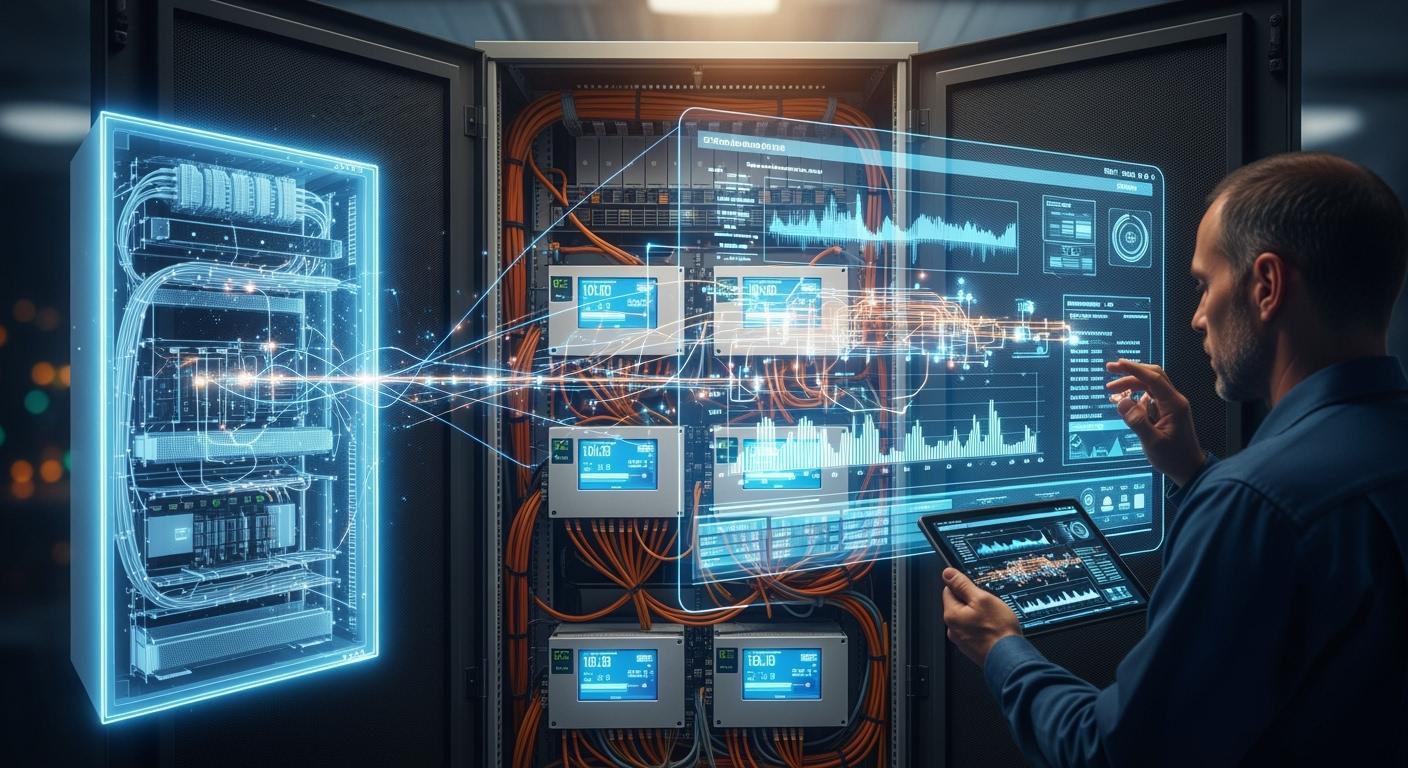
You can use digital twin simulation to test the power supply feasibility of a Smart Power Distribution Unit in telecom cabinets without physical installation. This technology helps you reduce risks, save costs, and improve reliability for your network infrastructure. ESTEL leads the industry with advanced smart PDU solutions designed for telecom engineers and decision-makers who want actionable insights.
Key Takeaways
Digital twin simulation allows you to test power supply scenarios without physical installation, reducing risks and costs.
Smart Power Distribution Units provide real-time monitoring and control, enhancing the reliability of your telecom cabinets.
Using digital twin technology helps you predict equipment failures and optimize performance, leading to fewer downtimes.
Collecting accurate data from your telecom cabinet is crucial for effective digital twin simulation and informed decision-making.
Implementing digital twin solutions can improve energy management and reduce maintenance costs, supporting sustainability goals.
Smart Power Distribution Unit in Telecom Cabinets
Role and Features of Smart PDUs
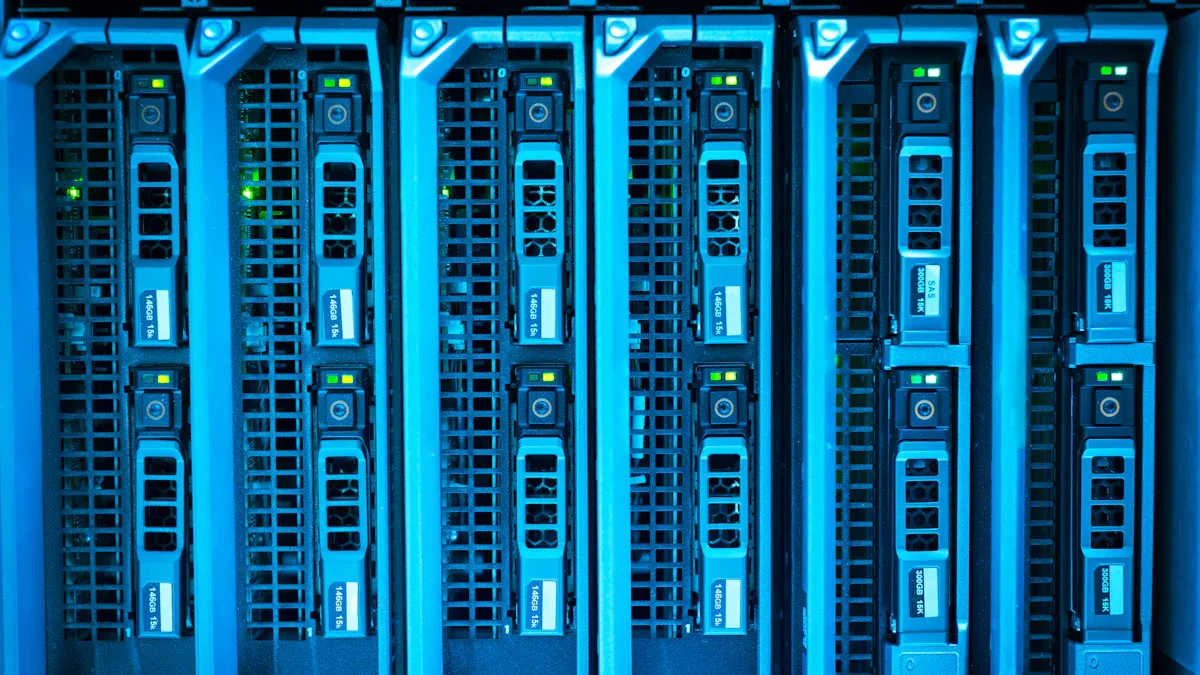
You rely on Smart Power Distribution Units to manage and monitor electrical power in telecom cabinets. These units help you keep your network equipment running smoothly. You can choose from different types of PDUs, each with unique features. The table below shows the most common types used worldwide:
Type of PDU | Features |
|---|---|
Metered PDUs | Measure and report power usage; Provide real-time energy tracking; Help monitor power consumption over a network. |
Switched PDUs | Allow remote management of power outlets; Combine monitoring with the ability to turn outlets on or off; Support efficient power management. |
Smart PDUs | Offer features of metered and switched PDUs; Add advanced functions like environmental monitoring; Support intelligent protocols for automation and analytics. |
Smart PDUs stand out because they offer advanced monitoring and control. You get real-time data about power usage and environmental conditions. You can manage outlets remotely and set alarm thresholds to prevent overloads. The table below highlights key technical features that set Smart Power Distribution Units apart from traditional PDUs:
Feature | Description |
|---|---|
Advanced Monitoring | Offers detailed oversight of power usage and environmental conditions. |
Management Capabilities | Facilitates proactive management through integration with DCIM software. |
Safety Features | Incorporates surge protection and voltage regulation to protect equipment. |
Automated Load Shedding | Initiates shutdown of non-critical outlets to avoid overloads during peak times. |
Predictive Maintenance | Analyzes data trends to detect irregularities and predict failures. |
Dynamic Load Balancing | Balances loads to minimize unplanned downtime and enhance efficiency. |
Remote Management | Enables remote control of outlets to prevent overloads and reduce downtime. |
Alarm Thresholds | Allows users to set thresholds to prevent circuit overloads, with alerts for violations. |
ESTEL’s Product Advantages
You benefit from ESTEL’s Smart Power Distribution Unit because it delivers reliable performance and advanced features. ESTEL’s units provide real-time monitoring of power, temperature, and humidity. You can optimize energy use and reduce costs. Surge protection keeps your equipment safe from power spikes. The modular design lets you tailor power distribution to your needs. You gain precise control over each outlet, which helps you manage your IT equipment more efficiently.
ESTEL’s Smart Power Distribution Unit also ensures uninterrupted power supply. You get advanced reporting tools for capacity planning and early issue detection. Live updates and remote management help you resolve problems quickly. You can reduce energy waste and avoid downtime. ESTEL leads the market with customizable solutions and future-ready infrastructure. You improve efficiency and sustainability when you choose ESTEL for your telecom cabinets.
Digital Twin Technology for Power Systems
Virtual Modeling of Telecom Cabinets
You can create a digital twin of your telecom cabinet by building a virtual model that mirrors the physical setup. This process starts with real-time monitoring, which collects data from sensors installed in your cabinet. You use this data to track temperature, humidity, and power usage. IoT devices help you capture detailed information about every component. GIS mapping gives you a clear view of the cabinet’s location and environment. Predictive maintenance tools analyze the data and alert you to possible failures before they happen. These essential components work together to give you a complete picture of your telecom cabinet’s health and performance.
Tip: Use digital twin technology to test different configurations of your Smart Power Distribution Unit before making changes in the real world. This approach helps you avoid costly mistakes and ensures your system runs smoothly.
Real-Time Simulation and Predictive Analysis
You benefit from digital twin technology because it synchronizes live sensor data with your virtual model. This real-time data flow lets you monitor equipment behavior and predict how your system will respond to different scenarios. You can simulate power surges, equipment failures, or environmental changes without risking your actual hardware. The accuracy of power system modeling improves because you base decisions on current data, not estimates. You maximize uptime and reliability by identifying issues early and making smarter choices. Digital twin simulation helps you optimize the performance of your Smart Power Distribution Unit, ensuring efficient power distribution and reducing downtime.
Simulation Benefit | How It Helps You |
|---|---|
Real-Time Monitoring | Detects problems instantly |
Predictive Maintenance | Prevents unexpected failures |
Scenario Testing | Evaluates system responses safely |
Data-Driven Decisions | Improves reliability and efficiency |
Simulation Process for Smart Power Distribution Unit
Setting Up Virtual Environments
You start by creating a virtual model of your telecom cabinet. This model should match the physical layout and include every component, such as the Smart Power Distribution Unit, batteries, cooling systems, and network devices. You enter specifications like the maximum input current (16A), outlet configurations, and dimensions (600×450×185mm). You add features such as surge protection, remote management, and dehumidifying functions. These details help you build a realistic simulation that mirrors your actual setup.
You use simulation software to place each device in the virtual cabinet. You can test different configurations and see how the Smart Power Distribution Unit responds to changes in load or temperature. You avoid physical risks and save time by running these tests virtually. You can also simulate environmental conditions, such as high humidity or extreme temperatures, to check how your equipment performs.
Tip: Always include real product specifications in your virtual model. This practice ensures accurate results and helps you predict real-world performance.
Data Collection and Model Refinement
You collect data from sensors and monitoring systems in your telecom cabinet. You track power usage, temperature, humidity, and equipment status. You use this data to refine your virtual model and make it more accurate. You update the simulation with new information, such as changes in outlet usage or battery performance.
You face several challenges during this process:
Overheating and equipment overload
Battery failures due to poor maintenance and temperature extremes
Corrosion and short circuits from humidity
You address these issues by adjusting your simulation parameters. You test how the Smart Power Distribution Unit handles sudden power surges or equipment failures. You monitor how the dehumidifying function reduces the risk of corrosion. You use predictive analytics to spot potential problems before they affect your network.
You repeat the simulation with updated data. You compare results and look for patterns. You refine your model until it matches the real-world behavior of your telecom cabinet.
Interpreting Simulation Results
You analyze the results of your simulation to make informed decisions. You review power distribution graphs, temperature trends, and equipment status reports. You check if the Smart Power Distribution Unit maintains stable power supply under different scenarios. You look for signs of overload, overheating, or battery failure.
You use tables to summarize key findings:
Scenario | Outcome | Recommended Action |
|---|---|---|
Power Surge | Surge protection activates, no downtime | Confirm surge protection |
High Humidity | Dehumidifying function reduces corrosion risk | Schedule regular checks |
Equipment Overload | Alarm threshold triggers, outlets shut down | Adjust load distribution |
Battery Failure | Early warning detected, backup activated | Replace faulty batteries |
You use these insights to optimize your telecom cabinet. You adjust outlet configurations, improve cooling, and schedule maintenance. You ensure that your Smart Power Distribution Unit delivers reliable performance in every situation.
Note: Simulation results help you prevent service interruptions and equipment damage. You make data-driven decisions that improve efficiency and reduce costs.
You complete the simulation process by documenting your findings. You share reports with your team and use them to plan upgrades or changes. You rely on digital twin simulation to test power supply feasibility and optimize the performance of your Smart Power Distribution Unit before making any physical changes.
Benefits and Case Studies
Reliability and Cost Savings
You want your telecom cabinets to run smoothly and avoid unexpected failures. Digital twin simulation gives you the tools to achieve this. When you use a digital twin, you can spot problems before they cause downtime. You can also plan maintenance at the right time, which saves money and keeps your network reliable.
Here are some ways digital twin simulation improves reliability and reduces costs:
You collect real-time data from your equipment, which helps you see trends and catch issues early.
You receive alerts before equipment fails, so you can fix problems before they become emergencies.
You spend less on emergency repairs because you handle maintenance proactively.
You lower your overall maintenance costs and boost operational efficiency.
You also benefit from better energy management. AI-powered battery management systems monitor your batteries and predict when they might fail. This helps you avoid outages and extends battery life. You use less energy and make better decisions about when to replace equipment.
Note: Digital twin simulation helps you make smarter choices, reduce waste, and keep your telecom cabinets running at their best.
ESTEL Implementation Example
You can see the impact of digital twin simulation in real-world projects. ESTEL has used this technology to improve the performance of telecom cabinets for many clients. The Smart Power Distribution Unit from ESTEL plays a key role in these solutions.
The table below shows how digital twin simulation delivers results in telecom cabinet power management:
Evidence Type | Description |
|---|---|
Predictive Maintenance | Digital twins enable early detection of issues, reducing downtime by 5-15% and increasing worker productivity by 5-20%. |
Operational Optimization | Automated workflows from digital twin alerts enhance maintenance response and minimize communication errors. |
Real-World Example | In the Najran power system, digital twin technology led to reduced maintenance costs and improved decision-making, resulting in significant energy savings and enhanced reliability. |
ESTEL’s approach uses remote monitoring to collect data from each base station. You can analyze this data to spot trends and get alerts before equipment fails. This proactive method means you spend less time on emergency repairs and more time keeping your network efficient. You also see lower maintenance costs and better use of your resources.
You gain even more benefits when you use AI-powered tools. These systems track battery health and predict when you need to replace them. You avoid outages and extend the life of your batteries. You also use energy more efficiently, which supports your sustainability goals.
Tip: When you use digital twin simulation with ESTEL’s solutions, you improve reliability, save money, and make better decisions for your telecom infrastructure.
You can transform power supply testing for Smart Power Distribution Units by using digital twin simulation. This approach helps you reduce risks, save costs, and improve reliability. Virtual testing lets you optimize your telecom cabinets before making physical changes. If you want to adopt digital twin solutions, consider the following steps:
Challenge | Solution |
|---|---|
Data accuracy | Use automated validation and cleansing |
High costs | Start with phased implementation |
Integration complexity | Apply incremental strategies with APIs |
Security concerns | Strengthen cybersecurity policies |
Skills gap | Invest in training and partnerships |
ESTEL provides expertise and advanced solutions to support your journey.
FAQ
What is a digital twin simulation in telecom cabinets?
A digital twin simulation creates a virtual model of your telecom cabinet. You use this model to test power supply scenarios and predict equipment performance before making changes in the real world.
How does ESTEL’s Smart Power Distribution Unit support remote management?
You control and monitor your Smart Power Distribution Unit from anywhere. The unit provides real-time data and lets you adjust settings remotely, improving efficiency and reducing the need for on-site visits.
Can you use digital twin simulation to prevent equipment failures?
Yes. You analyze real-time data and run simulations to spot issues early. This helps you schedule maintenance before failures occur, reducing downtime and protecting your network equipment.
What data do you need for accurate digital twin simulation?
You collect power usage, temperature, humidity, and equipment status. Accurate data ensures your virtual model matches real conditions, helping you make better decisions for your telecom cabinet.
Is digital twin simulation cost-effective for telecom projects?
You save money by testing setups virtually. You avoid costly mistakes and reduce emergency repairs. Digital twin simulation helps you plan upgrades and maintenance efficiently, lowering overall project costs.
See Also
Ensuring Consistent Power Supply for Telecom Cabinet Systems
Solar Energy Storage Solutions for Telecom Cabinet Power
Understanding the ESTEL Power System for Telecom Cabinets
Exploring ESTEL PDUs and Their Importance in Data Centers
Smart Microgrid Solutions for Telecom Cabinet Energy Storage
CALL US DIRECTLY
86-13752765943
3A-8, SHUIWAN 1979 SQUARE (PHASE II), NO.111, TAIZI ROAD,SHUIWAN COMMUNITY, ZHAOSHANG STREET, NANSHAN DISTRICT, SHENZHEN, GUANGDONG, CHINA
