Dual Redundancy N+1 Architecture Telecom Power System for Uninterrupted Power Supply Assurance in Core Equipment Rooms


You rely on continuous power to keep your telecom operations running without interruption. Dual redundancy N+1 architecture gives you an extra layer of protection by adding an additional unit to your essential systems. This setup allows one unit to take over if another fails, which statistically reduces downtime and prevents total system failure. ESTEL leads the way in providing reliable solutions with advanced technology. Their Telecom Power System and Rectifier System help you achieve the highest level of reliability for your core equipment rooms.
Key Takeaways
Dual redundancy N+1 architecture adds an extra power module to ensure continuous operation, reducing the risk of downtime.
Regular monitoring of power systems helps catch issues early, preventing service interruptions and maintaining customer trust.
ESTEL's Telecom Power System features modular design, allowing easy upgrades and maintenance without disrupting service.
Investing in reliable power solutions meets regulatory demands and enhances customer satisfaction by ensuring uninterrupted service.
Planning for future growth with scalable systems allows for easy expansion as network demands increase.
Dual Redundancy N+1 Architecture Explained
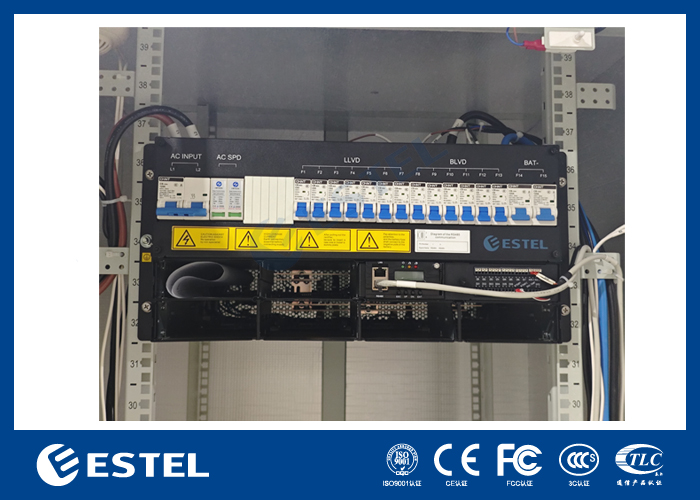
Core Concepts and Components
You need to understand the basics of redundancy in telecom power systems to appreciate why dual redundancy N+1 architecture matters. In a typical setup, you have several power modules that supply energy to your core equipment. The "N" stands for the minimum number of modules required to support your load. The "+1" means you add one extra module as a backup. This extra module steps in if any main module fails. You can find this design in advanced Telecom Power System solutions, which use modular components for easy maintenance and quick replacement.
N+1 Redundancy in Telecom Power Systems
You benefit from N+1 redundancy because it gives you a safety net. If one power module fails, the backup takes over instantly. This setup keeps your Telecom Power System running without interruption. You do not need to shut down your equipment for repairs. The system continues to deliver stable power, which is critical for telecom operations. You can trust this architecture to reduce the risk of downtime and protect your network from unexpected failures.
Dual Redundancy vs. Standard Redundancy
You might wonder how N+1 redundancy compares to other models. The table below shows the main differences:
Redundancy Model | Description | Reliability | Cost Effectiveness |
|---|---|---|---|
N+1 | Adds one backup unit to the minimum required | Moderate | More cost-effective |
2N | Duplicates every critical component and path | High | Less cost-effective |
You see that N+1 redundancy offers a balance between reliability and cost. You get strong protection without doubling your investment. Dual redundancy N+1 architecture uses two sets of N+1 systems for even greater assurance. You can deploy this approach in your Telecom Power System to achieve high availability and efficient resource use.
Importance of Uninterrupted Power in Core Equipment Rooms
Impact of Power Failures
You face serious risks when power fails in your core equipment rooms. Even a short outage can disrupt communication services for thousands of users. You may see dropped calls, lost data, and interrupted internet connections. These failures can damage sensitive equipment and lead to expensive repairs. You also risk losing customer trust if outages happen often. In the telecom industry, every second counts. You need to keep your systems running at all times to avoid these problems.
Tip: Regularly monitor your power systems to catch issues before they cause downtime.
Regulatory and Service Demands
You must meet strict regulations in the telecom sector. Many countries require you to provide reliable service with minimal downtime. You may face penalties or legal action if you do not comply. Customers also expect high-quality, uninterrupted service. They rely on your network for business, safety, and daily life. You need to show that your infrastructure can handle emergencies and unexpected events. Meeting these demands requires a strong commitment to power reliability.
Need for Robust Power Solutions
You need a robust power solution to support your core equipment rooms. A Telecom Power System with dual redundancy N+1 architecture gives you the reliability you need. This system ensures that your equipment stays powered even if one module fails. You can reduce the risk of downtime and protect your network from unexpected power issues. Investing in advanced power technology helps you meet both regulatory requirements and customer expectations. You build a foundation for long-term success by choosing reliable power solutions.
How N+1 Redundancy Works in Telecom Power System
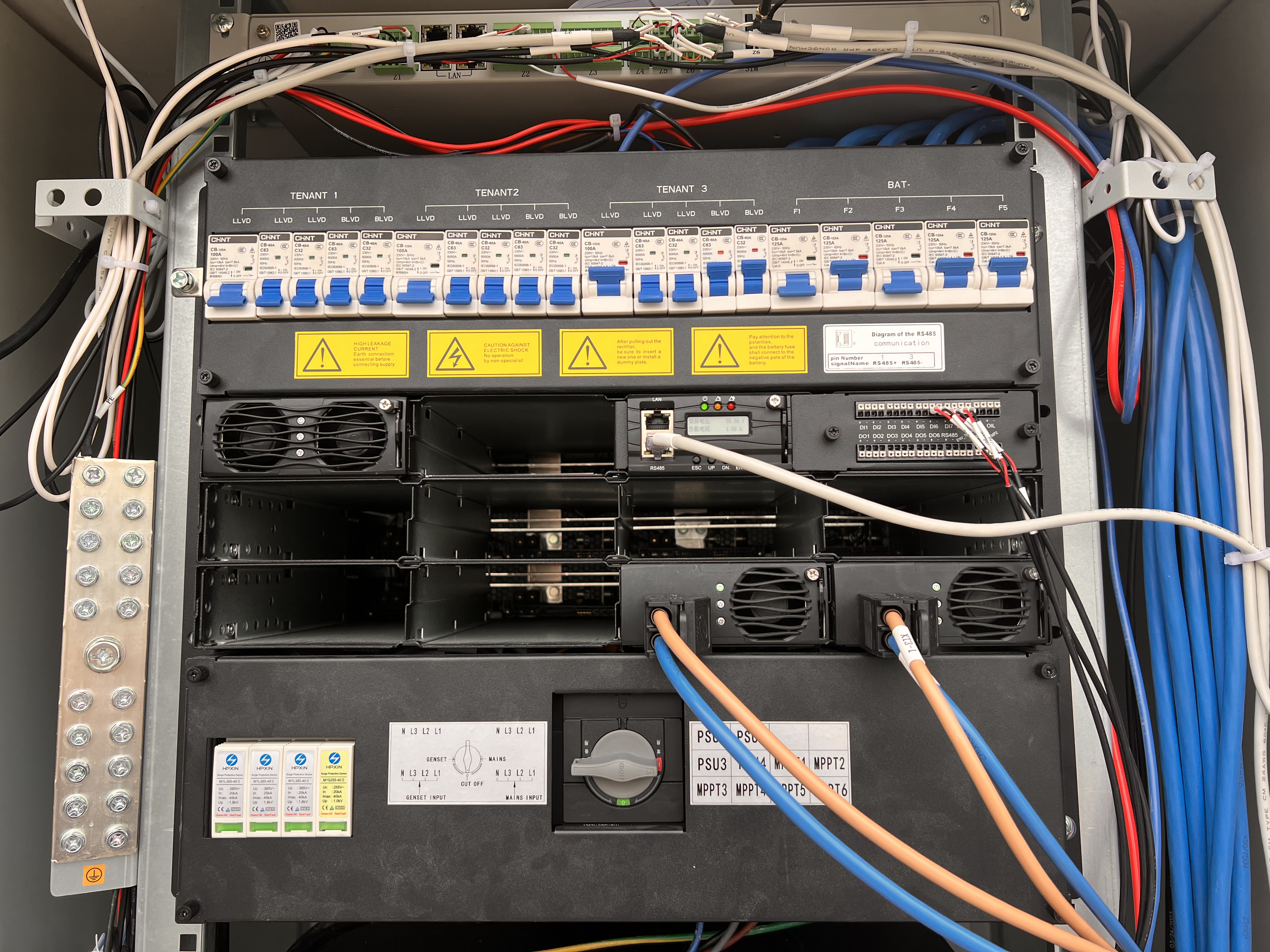
Operational Mechanism and Failover
You need to know how N+1 redundancy operates in a Telecom Power System. In this setup, you use several power modules to meet your equipment’s energy needs. The “N” stands for the number of modules required to handle your full load. The “+1” means you add one extra module as a backup. If one module fails, the backup instantly takes over. You do not experience any interruption. Your core equipment continues to run smoothly.
You can see this mechanism in ESTEL’s Telecom Power System and Rectifier System. These systems use modular designs. You can easily add or replace modules without shutting down your network. If a module stops working, the system automatically switches to the backup. You do not need to intervene. This automatic failover keeps your telecom operations stable and reliable.
Tip: Always check the status of your backup modules. Regular monitoring helps you catch problems before they affect your service.
Risk Mitigation and Reliability
You face many risks in telecom operations. Power failures can cause data loss, dropped calls, and service outages. N+1 redundancy helps you avoid these problems. When you use a Telecom Power System with N+1 architecture, you reduce the chance of downtime. The extra module acts as a safety net. If one module fails, your system keeps running.
You also benefit from the modular design. You can replace faulty modules quickly. You do not need to power down your equipment. This feature saves you time and money. You keep your network reliable and your customers satisfied.
Note: Reliable power systems help you meet industry regulations and maintain your reputation.
ESTEL Telecom Power System Features
You want a power system that supports N+1 redundancy and delivers consistent performance. ESTEL’s Telecom Power System and Rectifier System offer several features that make them ideal for core equipment rooms:
Wide Input Voltage Range: You can connect the system to different power sources. It works with voltages from 90 to 300 Vac. This flexibility helps you handle unstable grids or remote locations.
Natural Cooling: You do not need extra cooling equipment. The system uses natural airflow to stay cool. This design reduces maintenance and saves energy.
Modular Design: You can add or remove modules as needed. This feature makes upgrades and repairs simple. You do not disrupt your network during maintenance.
High Efficiency: The Rectifier System operates at over 96% efficiency. You waste less energy and lower your operating costs.
These features work together to ensure an uninterrupted power supply. You get a system that adapts to your needs and protects your network from unexpected failures. When you choose ESTEL, you invest in reliability and peace of mind.
Callout: Explore more about ESTEL’s Telecom Power System and Rectifier System to see how they can strengthen your telecom infrastructure.
Benefits and Best Practices
Reliability and Scalability
You want your telecom network to stay online, even during unexpected events. Dual redundancy N+1 architecture gives you a strong foundation for reliability. If one power module fails, your backup takes over instantly. This setup keeps your core equipment running without interruption. You can also scale your system as your network grows. Adding more modules is simple. You do not need to redesign your entire setup. This flexibility helps you meet future demands without major changes.
Tip: Plan for future growth by choosing a system that supports easy expansion.
Implementation Guidelines with ESTEL Solutions
You can follow these best practices to get the most from your ESTEL solutions:
Assess your current and future power needs before installation.
Choose the right configuration of the Telecom Power System for your equipment room.
Use modular components to make upgrades and maintenance easier.
Monitor your system regularly with built-in communication ports.
Schedule routine checks for backup modules to ensure readiness.
You can rely on ESTEL’s modular design and natural cooling to simplify installation and reduce maintenance. These features help you save time and lower costs.
Overcoming Common Challenges
You may face challenges like unstable power sources, harsh environments, or limited space. ESTEL’s systems help you overcome these issues:
Challenge | ESTEL Solution |
|---|---|
Unstable power supply | Wide input voltage range handles fluctuations |
High energy costs | High efficiency reduces wasted energy |
Space limitations | Compact, rack-mount design fits tight spaces |
Maintenance downtime | Modular design allows quick, non-disruptive repairs |
You can trust ESTEL to deliver reliable performance, even in demanding conditions. You keep your network running smoothly and your customers satisfied.
Real-World Applications and Case Studies
ESTEL Deployments in Telecom Networks
You can see the impact of reliable power solutions in real-world telecom networks. In a remote mountain region, a major telecom operator faced frequent outages due to unstable grid power. You might experience similar challenges in harsh environments. The operator chose ESTEL’s Telecom Power System for their core equipment room. The system’s wide input voltage range and modular design allowed quick adaptation to local conditions. After installation, the network stayed online during storms and voltage fluctuations. You can achieve the same stability by selecting robust equipment.
In another scenario, a city-based telecom provider needed to upgrade their infrastructure without service interruptions. You may need to expand your network while keeping customers connected. The provider used ESTEL’s modular rectifier system. Technicians added new modules during peak hours. The network continued to operate without downtime. You can benefit from this flexibility when planning future upgrades.
Lessons Learned and Measurable Outcomes
You learn valuable lessons from these deployments. Reliable power systems reduce the risk of outages. You protect sensitive equipment and maintain customer trust. The operators saw measurable results:
Downtime dropped by over 90% after switching to ESTEL solutions.
Maintenance costs decreased because technicians replaced modules quickly.
Customer complaints about service interruptions fell sharply.
Note: You can use these outcomes to justify investments in advanced power systems.
You gain peace of mind when you choose proven solutions. ESTEL’s experience shows that the right Telecom Power System can transform your network’s reliability.
You can achieve uninterrupted power in your core telecom rooms by using dual redundancy N+1 architecture with ESTEL's Telecom Power System. This approach boosts reliability and reduces risks. You should follow best practices to protect your equipment and maintain performance:
Use thermal management systems for temperature control.
Choose protective enclosures with high IP ratings.
Control humidity inside cabinets.
Schedule regular maintenance.
Explore ESTEL’s advanced solutions to strengthen your telecom infrastructure. For expert guidance, contact ESTEL for a consultation or product inquiry.
FAQ
What does N+1 redundancy mean in a telecom power system?
You use N+1 redundancy to add one backup power module to your system. If one module fails, the backup takes over. This setup keeps your equipment running without interruption.
How does ESTEL’s modular design help with maintenance?
You can replace or add modules without shutting down your network. This design saves you time and reduces downtime. You keep your telecom services active during maintenance.
Can ESTEL’s power systems handle unstable power sources?
Yes, you can rely on ESTEL’s wide input voltage range. The system works with voltages from 90 to 300 Vac. This feature helps you manage unstable grids and remote locations.
Why should you choose dual redundancy N+1 architecture?
You increase reliability and reduce risk. If one module fails, your backup keeps the system running. You protect your network and meet industry standards for uptime.
See Also
Strategies for Maintaining Consistent Power in Telecom Cabinets
Solar Energy Storage Solutions for Telecom Cabinet Power
Integrated Solar Inverter and Battery Systems for Telecom Cabinets
Calculating Power Systems and Battery Needs for Telecom Cabinets
Intelligent Microgrid Solutions for Telecom Cabinet Energy Storage
CALL US DIRECTLY
86-13752765943
3A-8, SHUIWAN 1979 SQUARE (PHASE II), NO.111, TAIZI ROAD,SHUIWAN COMMUNITY, ZHAOSHANG STREET, NANSHAN DISTRICT, SHENZHEN, GUANGDONG, CHINA
