How Emergency Battery Pre-Charge Extends Telecom Power System Runtime During Outages

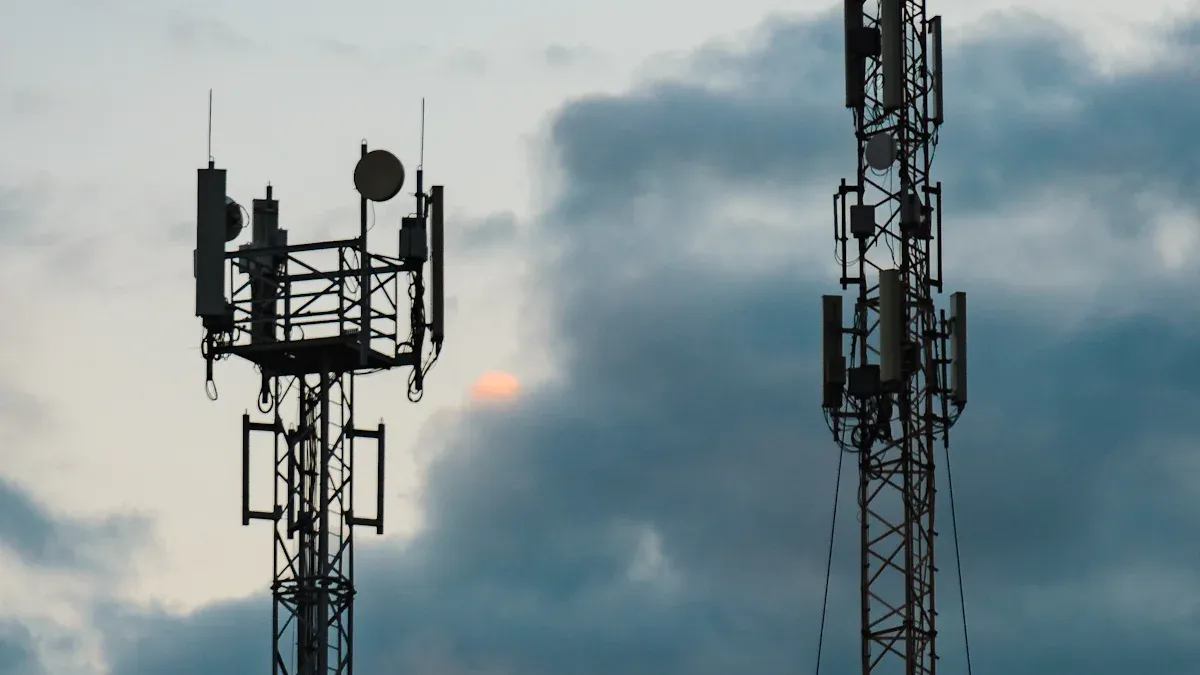
Emergency battery pre-charge keeps your telecom battery backup system fully charged before outages. You maximize network runtime and reliability when you use this emergency power strategy. Power failures cause most major network disruptions. A telecom battery backup system gives you short-term resilience and supports emergency services. Reliable emergency battery pre-charge means you protect vulnerable customers and maintain medical support for vulnerable users. You reduce risk for vulnerable sites and provide reliability for vulnerable network points. ESTEL leads telecom solutions with advanced emergency battery pre-charge, ensuring long-term reliability and service availability for vulnerable users who rely on backup runtime requirements in telecommunications.
Key Takeaways
Emergency battery pre-charge keeps telecom batteries fully charged before outages, maximizing network uptime.
Use smart battery management systems to monitor and optimize charging, ensuring batteries are ready for emergencies.
Activate emergency pre-charge during storms or grid instability to extend backup power and maintain service continuity.
Regularly check battery health and conduct routine maintenance to ensure reliable performance during outages.
Implement advanced safety features and continuous monitoring to enhance network resilience against power disruptions.
Understanding Emergency Battery Pre-Charge
What Is Emergency Battery Pre-Charge?
You need to keep your telecom batteries ready for any emergency. Emergency battery pre-charge means you charge your batteries to full capacity before a power outage happens. This strategy gives you extra time to keep your network running when the grid fails. You use emergency battery pre-charge to make sure your battery management system works at its best. You avoid downtime and protect your equipment. Emergency battery pre-charge helps you prepare for unexpected events and keeps your telecom services reliable.
Tip: Always check your battery management system status before a storm or planned outage. This habit helps you avoid surprises.
How It Works in Telecom Power Systems
You activate emergency battery pre-charge through your battery management system. The system monitors battery levels and starts charging when it detects a risk of outage. You get alerts from the system, so you know when to take action. Emergency battery pre-charge uses smart algorithms to optimize charging speed and efficiency. You see the battery reach full charge quickly, which gives you maximum backup power. You rely on the battery management system to balance charging and prevent overcharging. This process keeps your batteries healthy and ready for emergency use.
Here is a simple table showing how emergency battery pre-charge compares to standard charging:
Feature | Emergency Pre-Charge | Standard Charging |
|---|---|---|
Charging Speed | Fast | Normal |
Activation | Before outage | Routine |
Battery Health | Optimized | Maintained |
Network Protection | High | Moderate |
ESTEL’s Approach to Pre-Charge Solutions
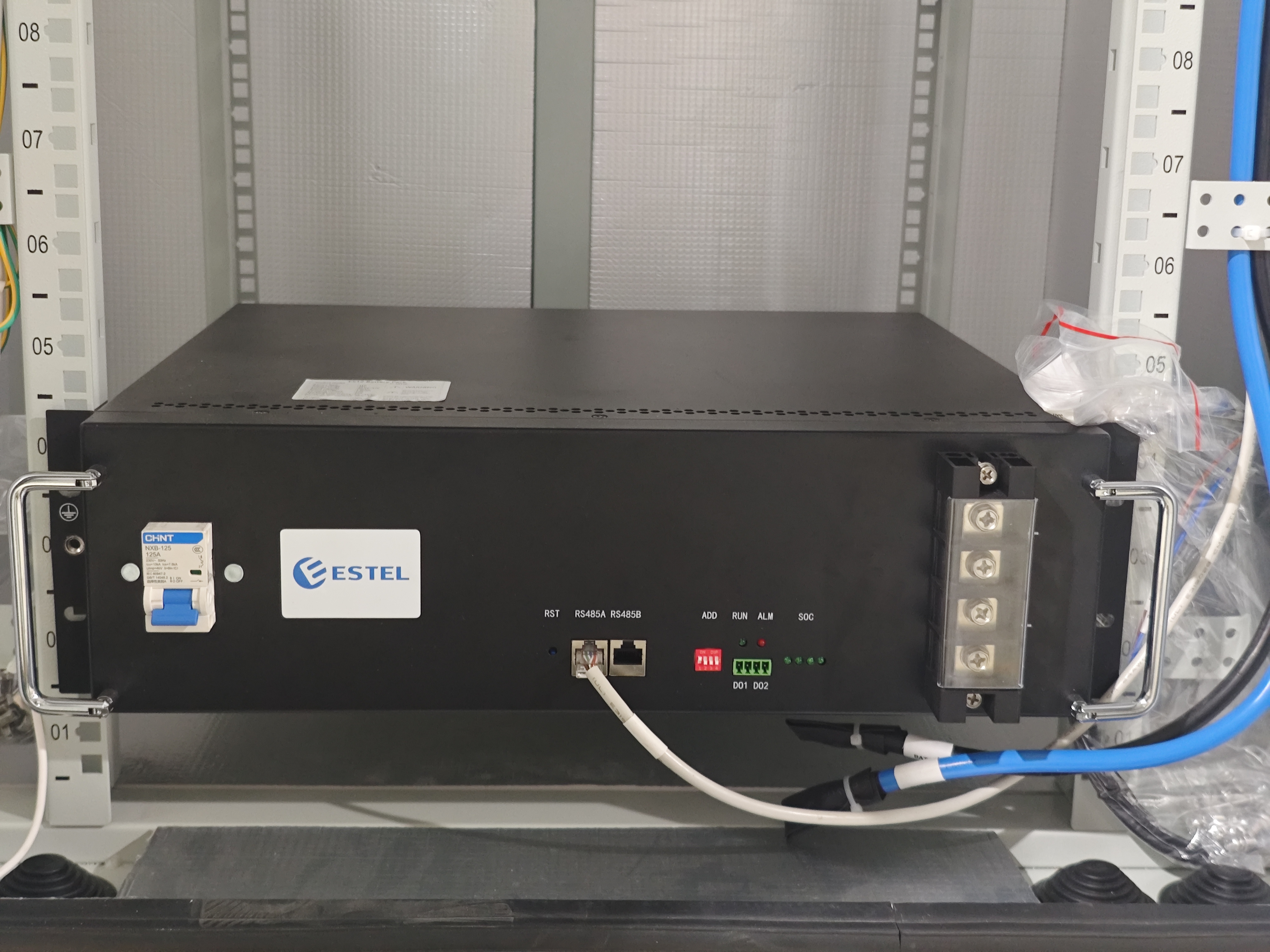
You benefit from ESTEL’s advanced emergency battery pre-charge solutions. ESTEL integrates smart battery management system features into its Telecom Power System. You get automatic monitoring, fast charging, and reliable alerts. ESTEL designs its systems to meet international standards and support your network’s uptime. You use ESTEL’s emergency battery pre-charge to extend runtime and improve service continuity. You trust ESTEL to deliver robust solutions that keep your batteries ready for any emergency.
Battery Backup Systems in Telecom Networks

Importance of Reliable Backup Power
You depend on battery backup systems to keep your telecom network running during outages. Reliable backup power ensures your communication lines stay open, even when the main grid fails. This is critical for emergency calls and essential services. You protect your brand reputation and user experience by maintaining uptime. Backup power systems also help you meet the rising demand for continuous service. Modern standby battery systems use high-safety lithium batteries and intelligent management to deliver optimal performance. You gain resilience and peace of mind knowing your network can handle adverse conditions.
Reliable backup power keeps your network operational during emergencies.
It supports uninterrupted service for customers and emergency responders.
Telecom providers invest in advanced battery systems to improve service quality.
Key Features of ESTEL Telecom Power System
You want a power system that adapts to your needs and maximizes efficiency. ESTEL’s telecom power system stands out with several advanced features:
Feature | Description |
|---|---|
Modular Designs | You scale your battery backup systems easily as your network grows. |
Intelligent Monitoring | You monitor battery health and energy use in real time, reducing downtime. |
Energy Efficiency | You lower energy consumption, which is vital for high-density environments. |
You benefit from these features by reducing maintenance costs and improving network reliability. ESTEL’s system supports both lead-acid and lithium-ion battery options, giving you flexibility for different sites. You can install the system in standard racks or cabinets, making integration simple.
Industry Standards and Best Practices
You must follow industry standards to ensure your battery backup systems meet regulatory requirements. The FCC requires at least 8 hours of backup power at remote terminals. Many providers offer between 4 to 20 hours, depending on site needs. New rules may require warning systems for low battery charge and minimum operating life.
To keep your standby battery systems ready, you should:
Conduct routine checks to confirm battery readiness.
Schedule regular inspections and monitoring.
Use a Computerized Maintenance Management System (CMMS) to track maintenance.
By following these best practices, you ensure your battery systems deliver reliable performance and comply with industry guidelines.
Extending Runtime with Emergency Battery Pre-Charge
Technical Mechanisms for Longer Runtime
You want your telecom network to stay active during a power outage. Emergency battery pre-charge gives you a strong advantage. You use this method to fill your batteries to maximum capacity before an outage strikes. Your telecom power system monitors battery voltage, current, and temperature. You see the system adjust charging rates to reach full charge quickly. You avoid battery degradation by keeping temperatures in check. You rely on advanced battery management to balance charging speed and battery health.
Operators measure effectiveness using several parameters. You can review the table below to understand how these technical mechanisms work:
Parameter | Description |
|---|---|
Voltage | You monitor voltage to keep batteries at full charge. |
Temperature | You track temperature to prevent overheating and extend battery life. |
Current | You measure current to check charging efficiency and battery health. |
AC Impedance | You evaluate internal resistance to assess battery state of health. |
DC Resistance | You determine the battery’s ability to deliver power during a power outage. |
Electrochemical Resistance | You gain insights into the chemical state for predictive maintenance. |
You use these measurements to optimize battery performance and extend runtime. Your telecom power system uses smart algorithms to balance charging and prevent overcharging. You get alerts when batteries reach full charge, so you know your backup is ready. You maximize runtime and keep your network resilient during emergencies.
Real-World Scenarios and Benefits
You face many challenges during a power outage. Emergency battery pre-charge helps you overcome these obstacles. Imagine a severe storm hits your area. You activate emergency pre-charge before the outage. Your batteries reach full capacity, and your telecom network stays online longer. You support emergency calls and keep communication open for first responders.
You see benefits in remote telecom sites. These locations often experience frequent outages. You use emergency battery pre-charge to prepare your backup systems. Your batteries deliver extended runtime, so your network remains active until grid power returns. You avoid costly downtime and protect your equipment from sudden shutdowns.
Note: Emergency battery pre-charge gives you peace of mind. You know your backup power will last through long outages.
You also improve customer satisfaction. Your users expect reliable telecom service. You meet these expectations by keeping your network running during emergencies. You reduce complaints and build trust with your customers.
Impact on Network Uptime and Service Continuity
You measure success by network uptime. Emergency battery pre-charge increases your uptime during a power outage. You keep your telecom network operational when others go offline. You maintain service continuity for critical applications. Your backup power system supports medical devices, security systems, and emergency communications.
You see the impact in your performance reports. Your network uptime improves, and your outage duration decreases. You meet regulatory requirements and industry standards. You protect your brand reputation by delivering reliable telecom services.
You use emergency battery pre-charge to extend runtime, support backup power, and maintain network uptime. You ensure service continuity for your customers and emergency responders. Your telecom network becomes a lifeline during a power outage.
Comparing Pre-Charge and Standard Charging Methods
Differences in Charging Approaches
You use two main charging methods for telecom battery systems. Standard charging works on a routine schedule. It keeps batteries at a safe level for daily use. Emergency pre-charge activates when you expect a power outage or risk. You see the system boost charging speed to reach full capacity quickly. Standard charging uses a slow and steady rate. Emergency pre-charge uses smart algorithms to deliver fast and efficient charging.
Charging Method | Activation Time | Charging Speed | Purpose |
|---|---|---|---|
Standard Charging | Regular operation | Moderate | Daily battery health |
Emergency Pre-Charge | Before outage or risk | Fast | Maximum backup runtime |
Advantages of Emergency Pre-Charge
You gain several benefits when you use emergency pre-charge. You maximize battery runtime during outages. You reduce the risk of service interruptions. You keep your network ready for critical situations. Emergency pre-charge gives you peace of mind because your batteries reach full charge before you need them. You also protect sensitive equipment from sudden shutdowns.
Tip: Activate emergency pre-charge when you receive weather alerts or grid instability warnings.
When to Use Each Method
You choose standard charging for everyday operations. This method works best when power supply is stable. You switch to emergency pre-charge when you expect storms, planned maintenance, or other risks. You use emergency pre-charge to prepare for events that threaten network uptime. You ensure your telecom system delivers reliable service during emergencies.
Use standard charging for routine battery maintenance.
Use emergency pre-charge when you need maximum backup power.
Implementation and Best Practices
Overcoming Common Challenges
You may face several challenges when you deploy emergency battery pre-charge in your telecom network. Environmental factors like high temperature or humidity can affect battery performance. You need to prepare your site to avoid these risks. You must also ensure that your installation meets all safety and regulatory standards. Equipment damage during shipping or improper setup can cause delays. You should always check your equipment before installation.
To help you succeed, follow these practical steps:
Evaluate your site environment, checking temperature and humidity.
Prepare the area by clearing debris and ensuring good ventilation.
Follow all regulations and safety standards during installation.
Unpack and inspect all equipment for any shipping damage.
Position your equipment according to the site layout, keeping clear airflow.
Secure all electrical connections with approved cables.
Install the Battery Management System (BMS) to monitor battery health.
Match your UPS and power source ratings to your battery requirements.
Ensure proper ventilation and add safety features.
Conduct a risk analysis and train your team for emergencies.
Test the system thoroughly before going live.
Tip: Regular training and clear procedures help your team respond quickly during emergencies.
ESTEL’s Recommendations for Operators
You can rely on ESTEL for expert support during every stage of deployment. ESTEL recommends that you use their advanced Telecom Power System, which includes smart monitoring and automatic alerts. You should schedule routine maintenance and use the built-in BMS to track battery health. ESTEL’s technical team can guide you through installation and provide training for your staff. You also receive detailed documentation and remote support to solve any issues quickly.
By following these best practices and using ESTEL’s solutions, you ensure your telecom network stays resilient and ready for any outage.
You gain several advantages when you use emergency battery pre-charge for your telecom power system. The table below shows how you improve your network during outages:
Description | |
|---|---|
Reliable Backup Power | Ensures continuous power supply to telecom sites, crucial during outages caused by disasters. |
Cost Savings | Reduces reliance on expensive diesel generators and associated refueling costs. |
Enhanced Network Resilience | Improves the ability of telecom networks to withstand and recover from power disruptions effectively. |
You rely on ESTEL’s expertise to keep your network strong.
Reliable backup power during outages keeps communication open.
Advanced energy storage capabilities maintain critical network equipment.
Robust design features protect your network from environmental challenges.
Cost efficiency lowers maintenance expenses and operational disruptions.
Minimizing downtime improves customer satisfaction and network reliability.
You can enhance your backup power strategy with these steps:
Implement continuous battery monitoring for your network.
Integrate advanced safety features and thermal management.
Ensure battery systems perform in harsh network environments.
Use ESTEL’s cold start mechanism for efficient network operation in sub-zero temperatures.
Rely on long-duration backup power to maintain network operations.
You should assess your current battery management practices. Upgrading your system with ESTEL’s solutions helps your network stay resilient and ready for any outage.
FAQ
What is the main benefit of emergency battery pre-charge for telecom networks?
You get maximum battery runtime during outages. Emergency pre-charge ensures your batteries reach full capacity before a power failure. This keeps your network running longer and supports critical communications.
How does ESTEL’s Telecom Power System support emergency pre-charge?
You use ESTEL’s system to monitor battery health and activate fast charging when needed. The system gives you automatic alerts and smart controls. You always know your batteries are ready for emergencies.
When should you activate emergency battery pre-charge?
You should activate emergency pre-charge before storms, planned maintenance, or when you receive grid instability warnings. This action prepares your network for possible outages and extends backup power.
Can you use emergency pre-charge with both lithium and lead-acid batteries?
Yes, you can. ESTEL’s Telecom Power System supports both lithium and lead-acid batteries. You choose the battery type that fits your site, and the system manages pre-charge for reliable performance.
Tip: Always check your battery management system status before severe weather to ensure full backup power.
See Also
Methods for Calculating Power Systems and Batteries in Telecom
Solar Energy Storage Solutions for Telecom Cabinet Power
Battery Solutions for Energy Storage in ESTEL Telecom
CALL US DIRECTLY
86-13752765943
3A-8, SHUIWAN 1979 SQUARE (PHASE II), NO.111, TAIZI ROAD,SHUIWAN COMMUNITY, ZHAOSHANG STREET, NANSHAN DISTRICT, SHENZHEN, GUANGDONG, CHINA
