Emergency Communication Vehicle Kit of Telecom Power Systems

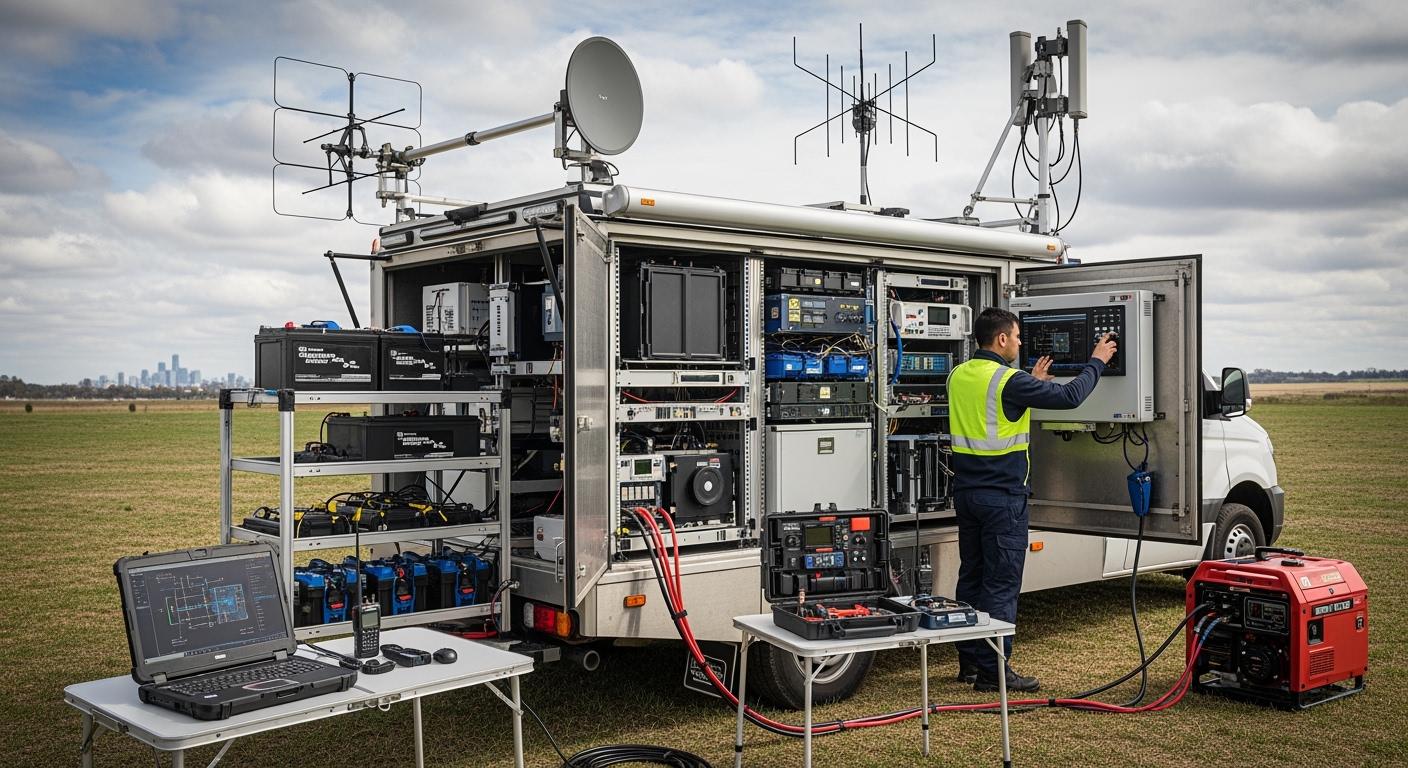
You need fast, reliable communication when emergencies strike. An Emergency Communication Vehicle Kit of Telecom Power Systems gives you a mobile setup that keeps your telecom network running anywhere. This kit includes a Telecom Power System, rectifier, batteries, communication devices, and protective gear. You get a complete package designed to keep your team connected and your equipment powered up in critical moments. This solution is essential for emergency teams who can't afford downtime.
Key Takeaways
An Emergency Communication Vehicle Kit ensures reliable communication during disasters, keeping teams connected when local networks fail.
The kit includes essential components like a Telecom Power System, rectifier, and communication devices, all designed for mobility and rapid deployment.
Regular maintenance and monitoring of the kit enhance reliability, helping to prevent issues before they disrupt operations.
Smart integration features allow for seamless connectivity and adaptability, ensuring the kit meets various emergency needs.
Choosing the right components and preparing your kit in advance can significantly reduce response times and improve overall effectiveness in emergencies.
Kit Overview
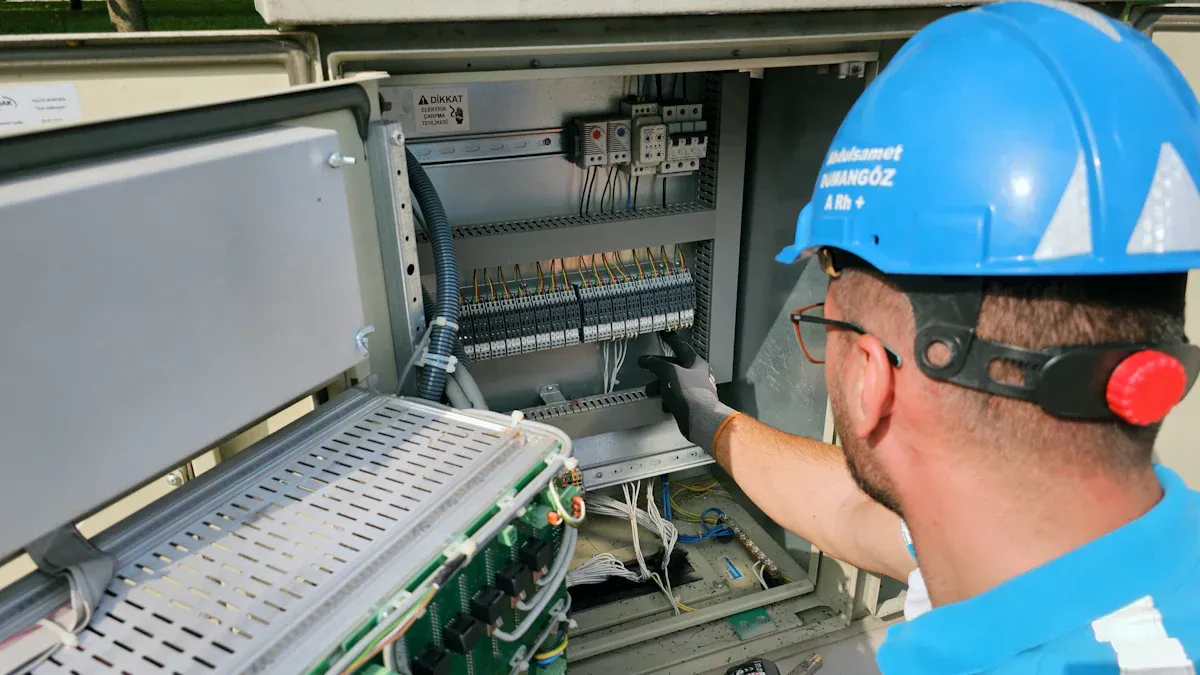
What Is an Emergency Communication Vehicle Kit?
You might wonder what makes an Emergency Communication Vehicle Kit stand out. This kit is a complete mobile solution that keeps your communication running when you need it most. You get a compact setup that fits inside a vehicle, ready to deploy at a moment’s notice. The kit includes a Telecom Power System, rectifier, batteries, communication devices, and protective equipment. Everything works together to give you power and connectivity, even in tough conditions.
Here’s what sets these kits apart from regular telecom power solutions:
You can move the kit anywhere, anytime. It’s built for mobility.
The kit uses advanced communication tools, like satellite systems, so you stay connected in remote or disaster-hit areas.
You don’t need fixed infrastructure. The kit works even if local networks go down.
Satellite systems play a big role here. They give you uninterrupted communication, which is vital for emergency teams. You can stream video, use GPS navigation, and share information in real time. This makes your response faster and more effective.
Primary Purpose and Use Cases
The main goal of an Emergency Communication Vehicle Kit is to keep you connected during emergencies. You can use it when storms, earthquakes, or other disasters knock out regular networks. It helps you coordinate rescue operations, share updates, and access important data.
You’ll find these kits useful in many situations:
Disaster response teams use them to set up command centers on the go.
Telecom operators rely on them to restore service quickly in damaged areas.
Remote field teams use them for secure, reliable communication far from cities.
With a Telecom Power System at the heart of the kit, you get stable power for all your devices. You don’t have to worry about outages or unstable grids. This means you can focus on what matters—helping people and solving problems fast.
Key Components and ESTEL Solutions
Telecom Power System Integration
You need a power system you can trust when you’re out in the field. The Telecom Power System sits at the heart of every emergency communication vehicle kit. It keeps your equipment running, even when the local grid fails. You get an independent power supply and distribution function. The vehicle’s generator powers all your onboard equipment, while a UPS gives you stable current for over an hour. This means your critical devices stay on, no matter what.
Here’s what you get with a well-integrated Telecom Power System:
Independent power supply and distribution for all onboard electronics.
Backup batteries that keep your communication open during outages.
Monitoring features that spot problems before they become emergencies.
The ability to connect with alternative power sources for long deployments.
A system built to handle extreme temperatures and high humidity.
You also get a voice communication system that lets up to six vehicles connect to a wireless network. A wireless transfer station expands your coverage up to five kilometers. The VOIP gateway links your command vehicle to phones and faxes through satellite or cable. With these features, you can coordinate teams and share information quickly.
Telecom Rectifier System Features
The rectifier system is another key part of your kit. It converts AC power from your generator or the grid into DC power for your telecom gear. ESTEL’s rectifier system stands out for its efficiency and rugged design. You want a system that works in harsh environments, and this one delivers.
Check out these performance metrics:
Feature | Specification |
|---|---|
Efficiency | |
Rated Capacity | 200A |
Input Voltage | 85~300VAC |
Operating Temperature | -40ºC~+75ºC |
Weight | ≤25kg (without rectifiers) |
You also get weatherproofing with high ingress protection (IP67). The system works with unstable grids, thanks to a wide input voltage range. Natural cooling means fewer moving parts, so there’s less that can go wrong. High efficiency keeps your system reliable, even in extreme conditions.
Feature | Description |
|---|---|
Weatherproofing | Hermetically sealed, blocks dust and water (IP67) |
Input Voltage | 90 to 300VAC, handles unstable power |
Cooling Method | Natural conduction/convection, no fans needed |
Efficiency | Up to 94%, reliable in tough environments |
You can count on the Telecom Power System and rectifier working together to keep your network up and running.
Communication Devices and Accessories
You need more than just power. Communication devices and accessories make sure your team can talk, share data, and stay safe. Your kit comes with essentials like:
Megaphones, hailers, and audio equipment
Traffic batons and multi-function whistles
You also get advanced tools:
Portable cell phone batteries
Cell phone booster kits
Ham and GMRS radios
Satellite phones
Personal locator beacons (PLB)
Satellite messengers and SpotX Messenger
These devices use satellite communications to connect with existing telecom infrastructure. Even if local networks go down, you can share voice, video, and data. This keeps your team connected and your response coordinated. A strong satellite network helps you avoid problems with incompatible systems or damaged infrastructure. You stay connected across rough terrain and in bad weather.
Protective and Monitoring Equipment
Keeping your Telecom Power System and other gear safe is just as important as powering them. Your kit includes protective and monitoring equipment to make sure everything works when you need it.
Here’s what you’ll find:
Charging systems to keep batteries and electronics ready
Automatic cord ejects for quick vehicle deployment
Compressor pumps for critical brake pressure
Inverters for onboard AC equipment
System indicators that show vehicle readiness
Monitors, control, and protection devices for all electrical systems
You also get:
Generator monitoring to check backup power
Battery voltage tracking to watch battery health
Rectifier status checks for power conversion
UPS and backup power monitoring for continuous supply
Modern kits use 24/7 network site monitoring. You get alerts before small issues turn into big problems. Alarm and control management helps you design a reliable system. With continuous monitoring through cellular and satellite links, you always know what’s happening. IoT sensors and protocols like SNMP or MQTT collect and send data in real time. Early warning systems and predictive maintenance help you fix things before they break.
With these components, your emergency communication vehicle kit stays reliable, safe, and ready for action. ESTEL’s solutions bring you the power, protection, and connectivity you need—no matter where you go.
Operation and Deployment
Power Backup and Rapid Setup
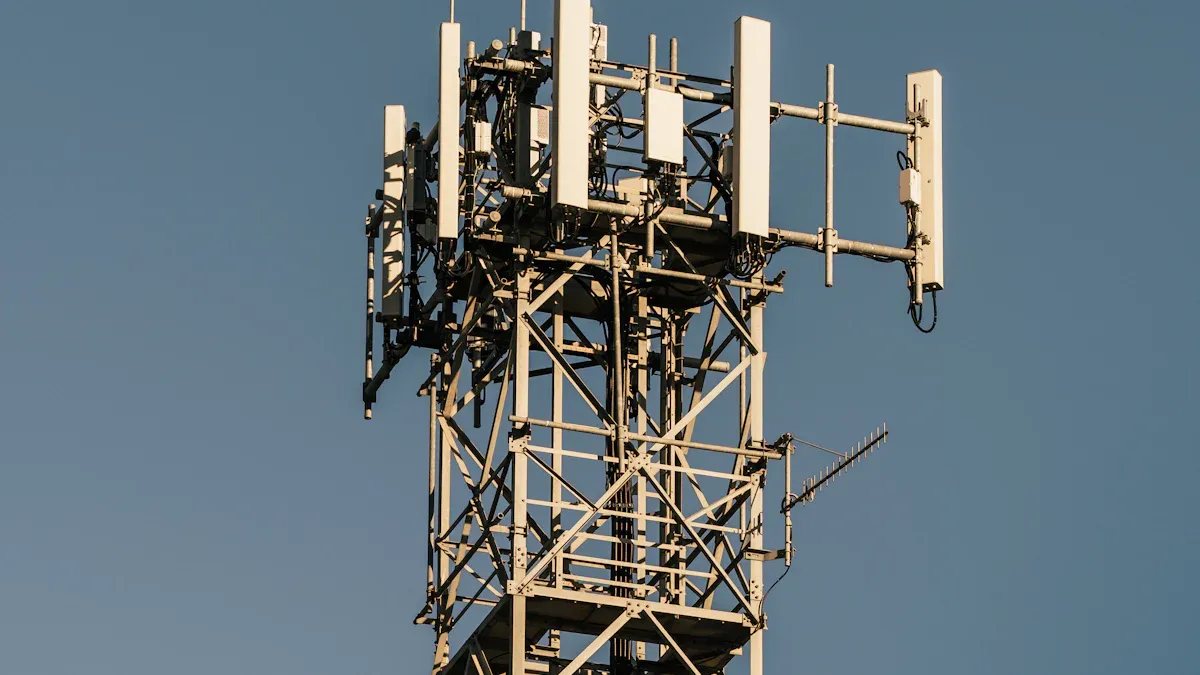
You want your emergency communication vehicle ready to go as soon as you arrive. The kit’s power backup features make sure you never lose connection. Most kits give you more than 90 minutes of backup power, so you can keep your devices running even if the main supply fails. Some kits offer up to 180 minutes, and you can customize for longer durations if needed.
Backup power lasts over 90 minutes in most kits.
Custom options let you extend backup time.
Some kits deliver up to 180 minutes of continuous operation.
Rapid setup matters when every second counts. You can deploy and set up your kit in disaster zones within a few hours. Pre-packed equipment and organized storage help you start operations quickly. You don’t waste time searching for cables or devices. Everything has its place, so you can focus on helping people right away.
Tip: Always check your kit before heading out. Well-prepared vehicles save precious time during emergencies.
System Integration and Mobility
You need seamless mobility and integration for your telecom equipment. The kit uses smart integration methods to keep everything connected and running smoothly. Qorvo’s broadband antenna switches boost connectivity for emergency calling systems. These switches automatically connect to undamaged antennas after accidents, so you stay online no matter what happens. Integrated components simplify the design and reduce power use. The system supports both 4G and 5G, so you’re ready for future upgrades. Backup power sources keep everything working, even if the vehicle’s battery gets damaged.
Broadband antenna switches enhance emergency calling.
Automatic switching keeps you connected after accidents.
Integrated design lowers power consumption.
Supports 4G and 5G for future-proofing.
Backup power sources ensure operation during battery severance.
System integration features give you flexibility. Customizable interiors and modular designs let you adapt your kit for different needs. You can change layouts or add new devices as your mission changes. These features help your team stay coordinated and informed, even in fast-moving situations. The Telecom Power System ties everything together, making sure your communication stays strong wherever you go.
Importance and Selection
Reliability and Resilience
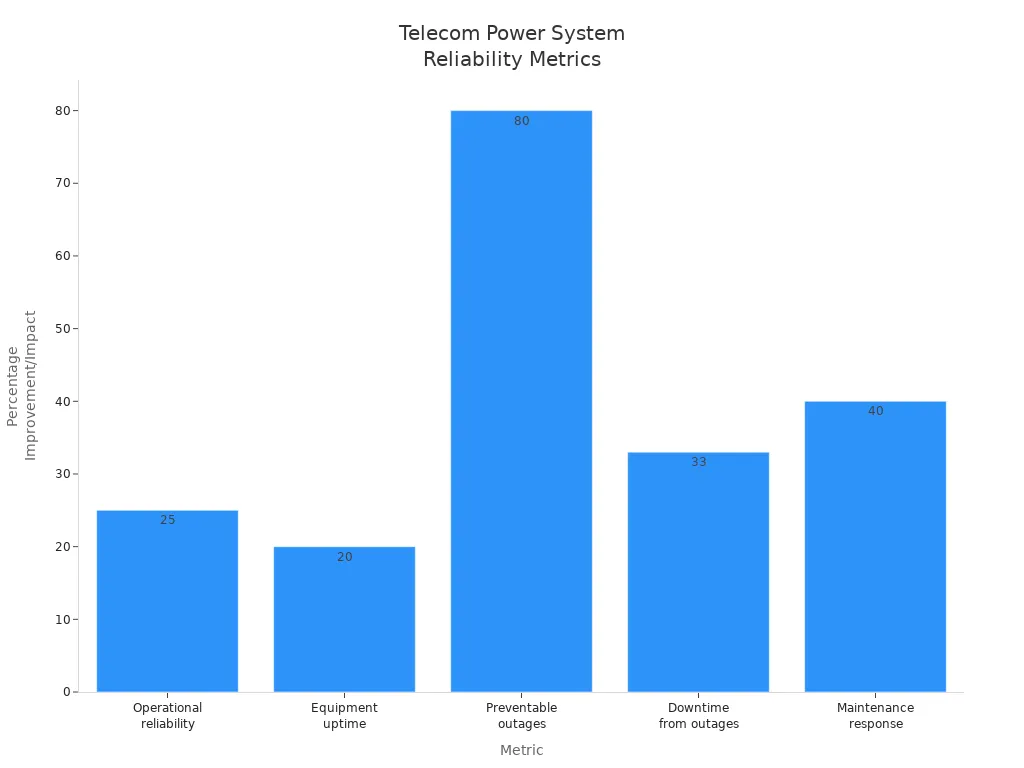
You want your emergency communication kit to work every time, no matter what. That’s why reliability and resilience matter so much. A strong power system keeps your network running, even during blackouts or disasters. Let’s look at some numbers that show how much a reliable setup can help:
Metric | Description / Impact |
|---|---|
Backup power configurations reduce downtime from outages. | |
20% improvement in equipment uptime | Intelligent PDUs prevent overloads and downtime. |
80% of recent outages preventable | Proactive monitoring enables early detection and prevention. |
33% of downtime caused by power outages | Reliable power systems are critical for maintaining network uptime. |
40% faster maintenance response times | Remote monitoring enables quicker issue resolution. |
AI-driven predictive analytics | Anticipate failures weeks in advance for scheduled maintenance and fewer disruptions. |
ESTEL’s power systems go beyond the basics. You get enhanced fault tolerance, redundancy, and compliance with top safety standards like FCC Part 15 and IEC 62368. These features mean your kit can handle tough situations without missing a beat.
Choosing the Right Telecom Power System
Picking the right system can feel tricky, but you can make it simple by focusing on what matters most. Here’s what you should look for:
UPS systems to keep everything running during outages.
Battery management for longer life and better reliability.
Environmental controls to handle heat, cold, and humidity.
Redundancy so you have backup if something fails.
Watch out for common mistakes. Some people forget to size batteries for peak loads or ignore battery aging. Others skip proper charging setups or choose the wrong battery type. Always check your power needs and plan for the worst-case scenario.
Maintenance and Best Practices
You want your kit to last and perform well every time. Regular maintenance is key. Here are some best practices to follow:
Best Practice | Benefit |
|---|---|
Regular Maintenance | Spots problems early and avoids sudden breakdowns. |
Smart Energy Use | Saves power and makes batteries last longer. |
Predictive Tools | Shows when batteries need replacing, so you’re ready. |
Safety Checks | Finds risks early to keep the system safe and reliable. |
Stay on top of battery health, keep your system clean, and use predictive tools to catch issues before they grow. With the right habits, your Telecom Power System will always be ready when you need it.
Real-World Applications
Emergency Deployments
You see the real value of an Emergency Communication Vehicle Kit when disaster strikes. Imagine you arrive at a chaotic scene—maybe a highway accident or a storm-damaged area. You need to set up communication fast. With a kit like this, you can cut your dispatch time by almost a minute compared to older methods. That might not sound like much, but every second counts when lives are on the line.
Here’s how these kits stack up in the field:
Metric | Value | Significance |
|---|---|---|
Dispatch time (TPS-eCall) | 01:39 ± 01:40 min | Faster response |
Dispatch time (Conventional) | 02:41 ± 02:01 min | Slower response |
TPS-eCall alerts percentage | 7.2% of MVA-related EMS dispatches | Shows adoption |
Additional resource requests (TPS-eCall) | 23.4% | More support sent |
Additional resource requests (Conventional) | 9% | Less support sent |
You get more than just speed. These kits help you send extra resources when you need them. That means better support for your team and the people you’re helping. You also see more accurate alerts, which helps you make smarter decisions in the heat of the moment.
Tip: Always run a quick check on your kit before heading out. A ready kit means a faster, smoother deployment.
Lessons and Trends
You might wonder what’s next for emergency communication kits. The latest trends show a big push toward smarter, more connected systems. You now see GPS and navigation built right in, so you can pinpoint locations quickly. Smart SOS buttons make it easier to call for help with just one touch.
Check out what’s shaping the future:
Trend Description | Details |
|---|---|
GPS integration | Pinpoint locations faster |
Smart SOS buttons | Quick emergency calls |
Automotive-telecom partnerships | Better connectivity and features |
You also see more vehicles coming with these systems straight from the factory—about 65% of new cars have them. Aftermarket solutions still matter, especially for older vehicles, making up 20% of the market.
Regulations push adoption, but so does your desire for safety. New tech like 5G and AI-driven incident detection keeps raising the bar. You get faster alerts, smarter responses, and more reliable communication—exactly what you need when every second matters.
You see the real impact of Emergency Communication Vehicle Kits when disaster strikes. These kits keep your team connected, even if local networks fail.
Mobile command trailers boost coordination and logistics.
Satellite and private LTE networks ensure communication stays strong.
After Hurricane Maria, most cell sites went down, showing the need for mobile solutions.
ESTEL’s power systems stand out with high reliability and consistent performance.
Feature | ESTEL | Competitors |
|---|---|---|
Reliability | Durable and safe | Lower in tough spots |
Performance | Steady outdoors | Less consistent |
Affordability | Balanced | Often pricier |
Keep your kit in top shape by inspecting batteries, cleaning terminals, and using climate controls. Choose quality components and maintain them well. If you want advanced, reliable telecom infrastructure, ESTEL has you covered.
FAQ
What makes ESTEL’s Telecom Power System good for emergencies?
You get a system that works in tough conditions. It handles wide voltage ranges and uses natural cooling. You can trust it to keep your devices running when you need them most.
How fast can I set up the emergency communication vehicle kit?
You can set up most kits in just a few hours. Everything comes organized and ready to deploy. You won’t waste time searching for cables or tools.
Can I use the kit in extreme weather?
Yes, you can. ESTEL’s systems have weatherproof designs. They work in high heat, cold, rain, or dust. You stay connected, no matter the weather.
How do I keep the kit working well?
Tip: Check your batteries often. Clean the terminals. Run regular system checks. Use predictive tools to spot problems early. This keeps your kit ready for action.
See Also
Understanding The ESTEL Power System For Telecom Cabinets
Methods For Calculating Power Systems And Batteries In Telecom
Solar Energy Storage Solutions For Telecom Cabinet Power
Ensuring Consistent Power Supply For Telecom Cabinets
A Comprehensive Guide To Telecom Cabinet Standards And Needs
CALL US DIRECTLY
86-13752765943
3A-8, SHUIWAN 1979 SQUARE (PHASE II), NO.111, TAIZI ROAD,SHUIWAN COMMUNITY, ZHAOSHANG STREET, NANSHAN DISTRICT, SHENZHEN, GUANGDONG, CHINA
