EMI Suppressed Telecom Power System for Coexistence with Precision Instruments

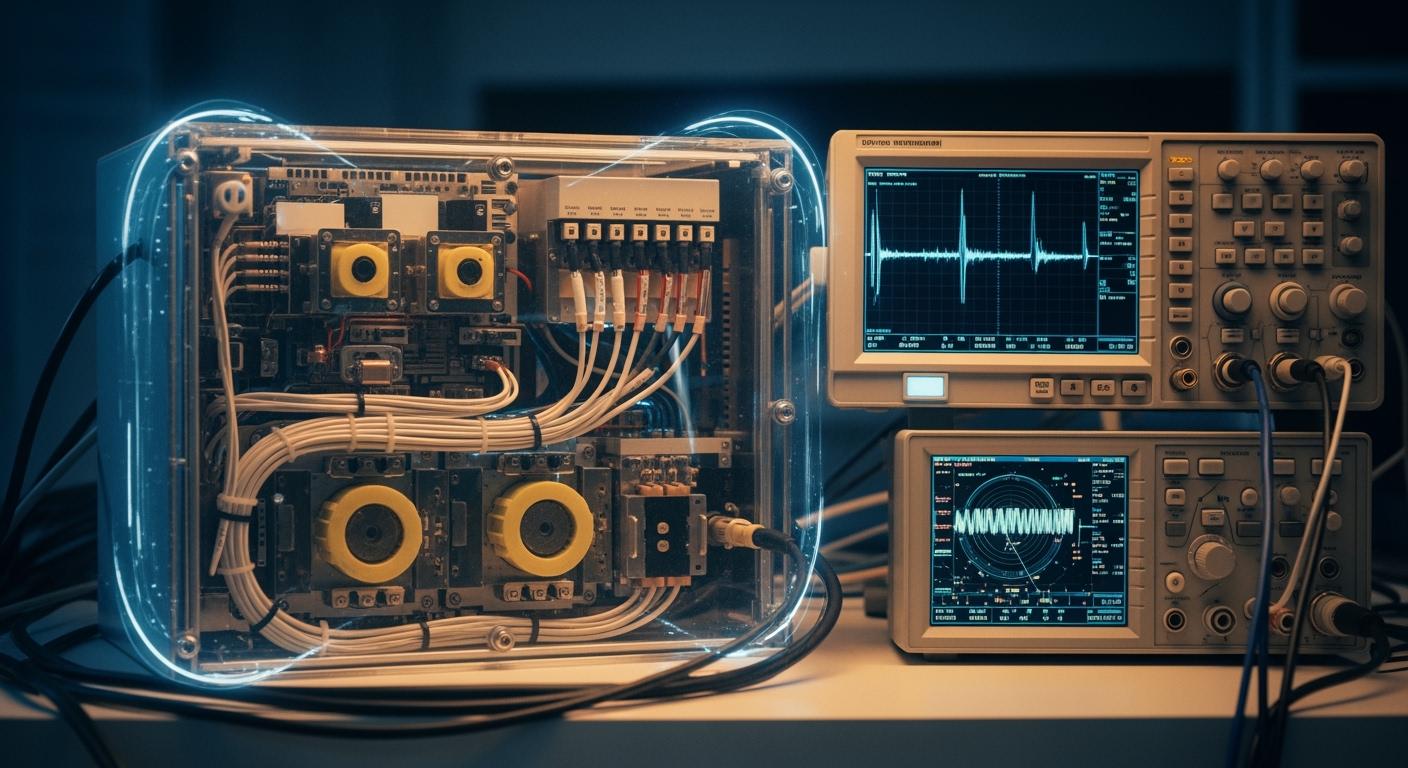
Electromagnetic interference poses significant risks to sensitive precision instruments. Robust solutions become essential when telecom operators deploy a Telecom Power System near equipment in laboratories, hospitals, or data centers. ESTEL leads the industry with advanced EMI-suppressed systems, ensuring reliable performance and safety in critical environments. Precision instruments require stable conditions, and effective EMI suppression protects their functionality.
Key Takeaways
EMI suppression is crucial for protecting precision instruments from electromagnetic interference, ensuring reliable performance in sensitive environments.
Implement effective strategies such as shielding, grounding, and filtering to minimize EMI risks in telecom power systems.
Regularly assess power quality and consult professionals for tailored EMI suppression solutions to maintain operational integrity.
Utilize advanced products like ESTEL's Telecom Power System for enhanced EMI control, ensuring compliance with industry standards.
Continuous monitoring and maintenance of systems are essential for long-term performance and safety in environments with precision instruments.
EMI Suppression for Coexistence
Why EMI Matters
EMI suppression enables safe coexistence between telecom power systems and precision instruments. In modern facilities, operators must ensure that sensitive devices function without interference. EMI control stands as a critical requirement in telecom environments. Without proper suppression, electromagnetic noise from power systems can compromise the reliability of nearby equipment. Hospitals, laboratories, and data centers rely on stable conditions to maintain accurate measurements and uninterrupted service. Effective EMI management protects both operational integrity and safety.
Telecom environments often contain a mix of high-power equipment and delicate instruments. The presence of a Telecom Power System introduces potential sources of electromagnetic noise. Engineers must address these risks through robust design and installation practices. Shielding, grounding, and filtering form the foundation of EMI suppression strategies. These measures reduce the risk of interference, allowing different systems to operate side by side.
Impact on Precision Instruments
Precision instruments require a controlled environment to deliver accurate results. Even minor electromagnetic disturbances can disrupt their performance. The effects of EMI on sensitive devices include:
Disruption of signal transmission, which can lead to data corruption and unpredictable device behavior.
Increased vulnerability in sensitive electronic devices, such as communication systems, resulting in false readings and system failures.
Malfunctions or shutdowns in critical systems, especially in high-frequency environments, even when EMI levels are low.
Operators must recognize these risks when deploying telecom infrastructure near precision equipment. Proactive EMI suppression ensures that both telecom and scientific systems achieve their intended performance. By prioritizing EMI control, organizations protect investments in technology and maintain compliance with industry standards.
EMI Sources in Telecom Power System
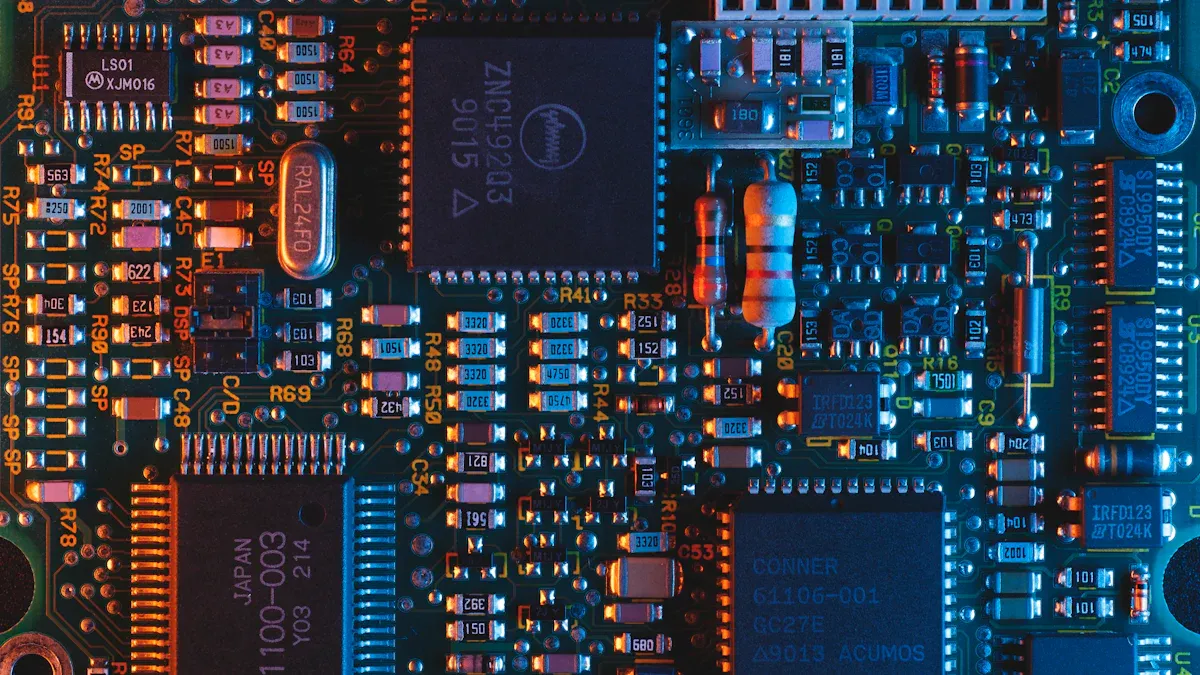
Electromagnetic interference can originate from multiple sources within a telecom environment. Understanding these sources helps engineers design effective suppression strategies and maintain the reliability of both telecom and precision equipment.
Power Conversion Devices
Power conversion devices play a central role in generating electromagnetic noise. These devices include rectifiers, inverters, and power supply units. When they operate, they switch electrical currents at high frequencies, which can emit unwanted electromagnetic fields. Poorly shielded power supply units often produce significant noise that can affect nearby sensitive equipment. Fluorescent lighting ballasts and wireless devices also contribute to the electromagnetic environment by emitting fields and radio frequency signals.
The table below summarizes the main categories and examples of electromagnetic interference sources found in telecom power systems:
Source Category | Examples |
|---|---|
Ambient EME | Television transmissions, Radio AM/FM/Satellite, Solar Magnetic Storms, Lightning, Utility power grid transmission lines, Airport radar, Telecom transmissions, ESD, White noise |
HEMP Threats | IEMI, HNEMP, HPM, E-Bomb, EMP Cannon |
Power Quality Degradation | Voltage surges, dips, spikes, brownouts, blackouts, power line faults, EFT, electrical noise on mains power line |
These sources can disrupt the stable operation of a Telecom Power System and nearby precision instruments.
Cabling and Environment
Cabling configurations and environmental factors significantly influence electromagnetic interference levels. Several mechanisms can introduce noise into telecom systems:
Inductive coupling can induce unwanted voltage into adjacent channels, which affects data transmission quality.
Capacitive coupling between power and telecom cables often leads to interference.
The use of unshielded twisted pair (UTP) cables increases susceptibility to EMI compared to shielded twisted pair (STP) cables.
Environmental factors such as lightning, solar storms, and nearby utility transmission lines can introduce additional electromagnetic disturbances.
Tip: Careful selection of cable types and thoughtful routing can reduce the risk of EMI in critical installations.
By identifying these sources, operators can implement targeted suppression techniques and ensure the safe coexistence of telecom infrastructure with precision instruments.
EMI Suppression Strategies for Telecom Power System
Shielding and Grounding
Effective shielding and grounding form the backbone of EMI suppression in any Telecom Power System. Shielding methods protect sensitive signals from external electromagnetic interference. Engineers often use metallic enclosures and Faraday cages to block unwanted electromagnetic fields. These barriers prevent external noise from reaching critical components and also contain emissions within the system.
Grounding techniques further enhance EMI control. The choice of grounding method depends on the frequency characteristics of the environment:
Single-point grounding connects all circuits to a common ground. This approach works best for low-frequency circuits.
Multi-point grounding grounds each circuit separately. High-frequency circuits benefit most from this method.
Hybrid grounding combines single-point and multi-point techniques, offering flexibility for complex installations.
Floating ground eliminates coupling loops between circuits and ground, reducing the risk of ground loops.
Proper cable management and regular EMI testing also play a vital role in maintaining a low-interference environment. Large-scale Telecom Power System installations, especially those near high-capacity servers, require structured shielding and grounding strategies to ensure operational continuity.
Tip: Combining shielding and grounding with careful cable routing can significantly reduce electromagnetic interference in telecom environments.
Filtering and Isolation
Filtering and isolation devices serve as essential tools for suppressing electromagnetic interference in Telecom Power System deployments. Filters work by allowing desired frequencies to pass while blocking or diverting high-frequency noise. Isolation devices prevent unwanted currents from affecting sensitive equipment.
Type of EMI Filter | Applications |
|---|---|
Power line EMI filters | Attenuate high-frequency noise while allowing desired frequencies to pass through. |
Single-phase EMI filters | Used for smaller equipment and industrial applications, including telecommunications. |
Three-phase EMI filters | Designed for high-power applications, blocking higher levels of noise. |
Military EMI filters | Meet regulations for military devices, protecting communication systems. |
Medical-grade EMI filters | Protect sensitive medical equipment from electromagnetic noise interference. |
Most EMI filters use passive components such as capacitors, inductors, and resistors. These filters can be arranged in configurations like L, C, or LC filters. They function as low-pass filters, diverting high-frequency noise to ground and ensuring only clean power reaches the equipment.
Filters and shields, while using different mechanisms, complement each other in EMI control. Filters can be strategically placed at heat sink points to minimize high-frequency noise, enhancing the overall effectiveness of the shielding.
Engineers also use common mode chokes and proper grounding techniques to further reduce interference. Filtering and shielding together ensure that devices operate reliably and meet regulatory standards.
ESTEL Solutions and Product Advantages
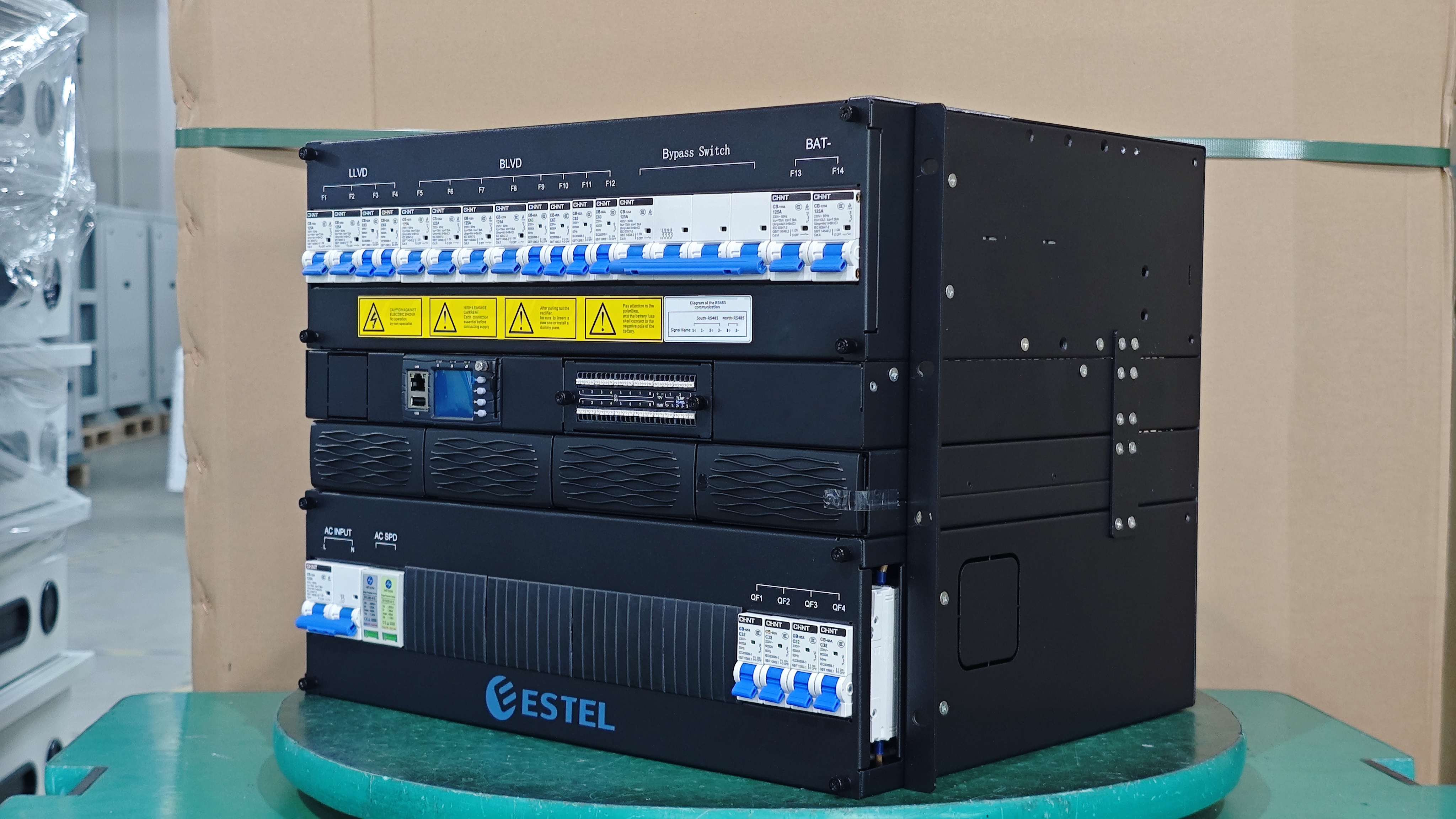
ESTEL delivers advanced EMI suppression through its Telecom Power System and Telecom Rectifier System. These solutions address the unique challenges of both small-scale and large-scale telecom environments.
Key features of ESTEL’s Telecom Power System include:
Wide AC input voltage range from 90 to 300 Vac, supporting stable operation under varying power conditions.
Natural cooling design, which reduces the need for additional cooling equipment and minimizes maintenance.
Flexible installation options, allowing integration into standard 19-inch racks or cabinets.
Multiple communication ports for seamless system management and monitoring.
The Telecom Rectifier System from ESTEL offers:
High efficiency rates exceeding 96%, which reduces energy loss and operational costs.
Modular design, enabling easy scalability and simplified maintenance.
Consistent DC48V output voltage, essential for telecom applications.
Flexible input voltage options, including AC220VAC and 380VAC, for compatibility with diverse power sources.
Robust grounding protection and flexible cable inlet design for enhanced safety.
ESTEL’s approach combines advanced shielding, structured grounding, and high-performance filtering. These strategies ensure that the Telecom Power System operates reliably alongside precision instruments, even in environments with high electromagnetic activity. By prioritizing EMI suppression, ESTEL helps operators maintain compliance with industry standards and protect sensitive equipment.
Note: Regular EMI testing and ongoing assessment of suppression strategies help maintain optimal performance in dynamic telecom environments.
Standards and Advanced Technologies
Compliance and Testing
Regulatory standards play a crucial role in electromagnetic interference suppression. International bodies such as the IEC and FCC set guidelines that manufacturers must follow to ensure product reliability and legal compliance. These standards address both emissions and immunity, shaping the design and testing of telecom equipment. The table below highlights key standards governing EMI suppression:
Standard | Description |
|---|---|
IEC 61000-2-2 | Compatibility levels for low-frequency conducted disturbances in public low-voltage power supply systems. |
IEC 61000-3-2 | Limits for harmonic current emissions for equipment input current ≤ 16 A per phase. |
IEC 61000-3-3 | Limitation of voltage changes and flicker in public low-voltage supply systems for equipment with rated current ≤ 16 A. |
IEC 61000-4-2 | Testing and measurement techniques for electrostatic discharge immunity. |
IEC 61000-4-3 | Testing and measurement techniques for radiated, radio-frequency electromagnetic field immunity. |
Manufacturers conduct rigorous testing to meet these standards. Automated testing systems and advanced simulation tools, such as finite element analysis, improve efficiency and accuracy. Portable and modular test equipment allows flexible testing in various environments. High-frequency testing equipment is essential as wireless technologies evolve. Regulatory compliance ensures reliable operation and prevents legal repercussions.
Note: The FCC published regulations in 1979 requiring digital devices to limit electromagnetic emissions. Increased awareness of EMC issues led to the establishment of directives and standards by various nations.
Emerging Trends
Recent advancements in materials science and design innovation are transforming EMI suppression technologies. Nanocrystalline cores and high-permeability ferrites enhance attenuation in smaller components, supporting the miniaturization of modern electronic devices. Hybrid thermal/EMI absorber products combine excellent thermal conductivity with effective EMI suppression, improving reliability and preventing overheating.
Feature | Description |
|---|---|
Material | MAJRabsorber™ is a flexible and highly resistive broadband microwave absorber material. |
EMI Reduction | Reduces EMI emissions, crosstalk, and reflections, dampening electronic cavity resonances. |
Application | Can be used between circuit boards, as a stand-alone absorber, or as a semi-shielded enclosure. |
Construction | Multi-layered with a unique blend of absorbing powders and a conductive layer for enhanced performance. |
Advantages | Tear-resistant, corrosion-resistant, and effective across extreme temperatures. |
Industry trends reflect the impact of new technologies and regulatory frameworks:
5G networks introduce higher frequencies and data rates, requiring stricter EMC standards.
IoT devices increase complexity, with numerous connected devices generating EMI.
AI and machine learning improve EMC testing through predictive modeling.
Electric vehicles present unique EMC challenges in power electronics and communication systems.
Smart grids integrate renewable energy and advanced communication, creating new compliance challenges.
Regulatory frameworks, including FCC Part 15 and UL standards, drive innovation and investment in EMI suppression. Manufacturers respond by developing intelligent solutions, such as embedded sensors for real-time monitoring. These trends ensure that telecom equipment remains reliable and compliant in increasingly complex environments.
Tip: Ongoing research and development in EMI suppression technologies support the safe coexistence of telecom infrastructure and precision instruments.
EMI suppression remains essential for the safe coexistence of telecom power systems and precision instruments. Organizations can strengthen reliability by following best practices such as proper grounding, shielding, and filtering. Key steps include:
Consult professionals for tailored solutions.
Install protective devices.
Monitor systems continuously.
Maintain equipment regularly.
Operators also benefit from advanced solutions like those from ESTEL. Ongoing assessment and adaptation to new technologies ensure long-term performance and compliance.
FAQ
What is EMI suppression in telecom power systems?
EMI suppression refers to techniques that reduce electromagnetic interference. Engineers use shielding, grounding, and filtering to protect sensitive equipment. These methods ensure stable operation and prevent disruptions in environments with precision instruments.
How does ESTEL’s Telecom Power System minimize EMI?
ESTEL’s system uses advanced shielding, structured grounding, and high-performance filtering. The modular design and natural cooling further reduce EMI risks. Operators benefit from reliable performance and enhanced safety.
Tip: Regular EMI testing helps maintain optimal suppression.
Why is EMI suppression important in hospitals and laboratories?
Precision instruments in hospitals and laboratories require stable conditions. EMI can cause false readings or equipment malfunctions. Robust suppression strategies protect patient safety and scientific accuracy.
Can ESTEL’s Telecom Rectifier System operate in harsh environments?
ESTEL’s Telecom Rectifier System features high efficiency, flexible voltage options, and robust grounding protection. The modular design allows easy integration in challenging locations, including outdoor sites and remote areas.
Feature | Benefit |
|---|---|
Modular Design | Easy scalability |
High Efficiency | Reduced energy loss |
Flexible Voltage | Broad compatibility |
See Also
Ensuring Consistent Power Supply for Telecom Equipment Cabinets
Understanding the ESTEL Power System for Telecom Cabinets
Key Features to Consider in Telecom Power Supply Systems
Solar Energy Storage Solutions for Telecom Cabinet Power
Exploring Various Applications of Telecom Equipment Cabinets
CALL US DIRECTLY
86-13752765943
3A-8, SHUIWAN 1979 SQUARE (PHASE II), NO.111, TAIZI ROAD,SHUIWAN COMMUNITY, ZHAOSHANG STREET, NANSHAN DISTRICT, SHENZHEN, GUANGDONG, CHINA
