Remote monitoring: SNMP/Modbus alarms for outdoor power

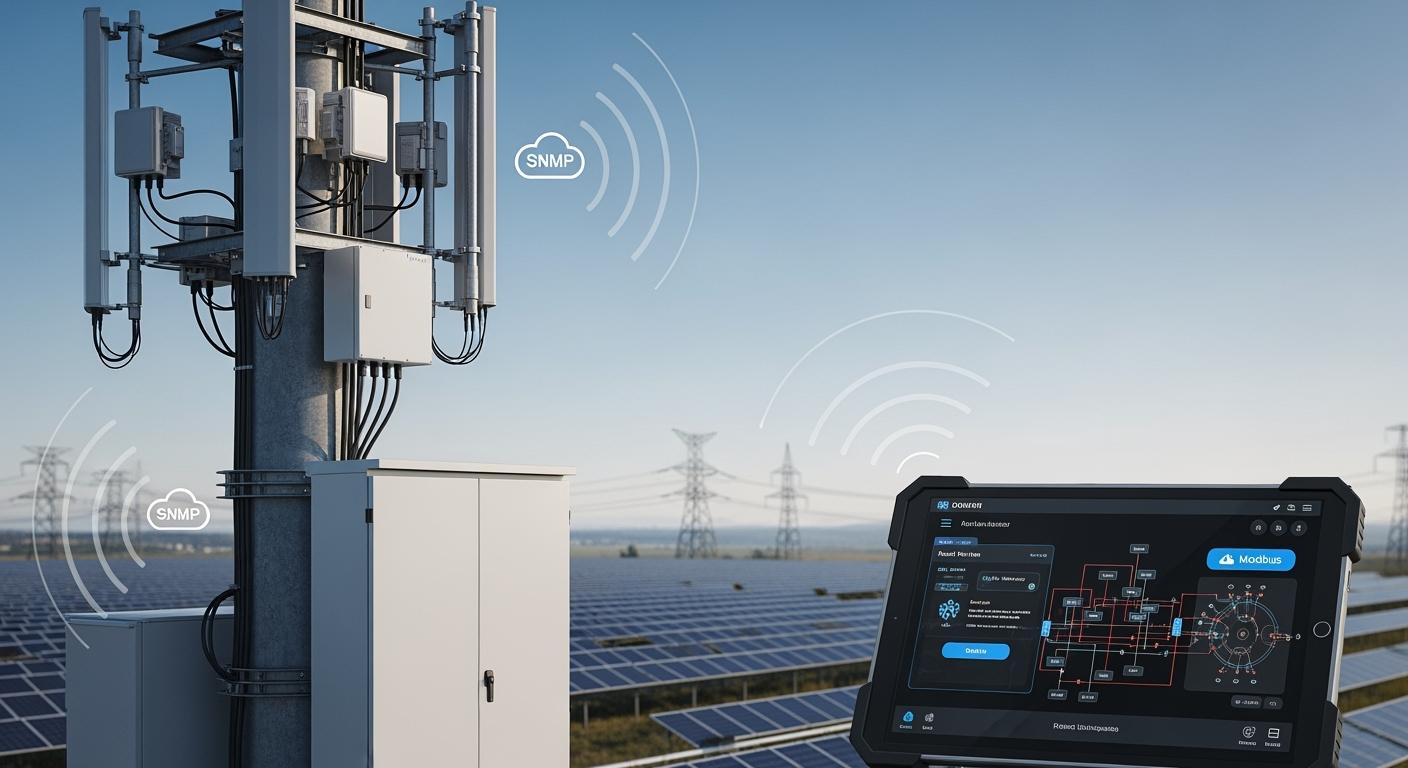
You rely on outdoor power systems to keep networks running smoothly. SNMP and Modbus alarms give you remote visibility, helping you respond quickly to changes in temperature, humidity, or power status. With an Environment Monitoring System, you can catch problems early and avoid costly outages. Operators see fewer technician visits and reduced maintenance costs. ESTEL delivers trusted solutions that offer real-time alerts and longer equipment life in harsh environments.
Key Takeaways
Utilize SNMP and Modbus protocols for effective remote monitoring of outdoor power systems. These protocols provide real-time alerts and visibility, helping you manage equipment efficiently.
Set up alarms for critical parameters like temperature, humidity, and voltage. Early detection of issues prevents costly outages and reduces maintenance visits.
Implement a centralized monitoring system to streamline operations. This allows for quick diagnostics and remote management, saving time and resources.
Regularly assess and optimize your monitoring setup. Continuous maintenance ensures accurate data and enhances the reliability of your outdoor power systems.
Choose reliable monitoring solutions like ESTEL for proven results. Their systems offer real-time monitoring, expert support, and help maintain safe and efficient operations.
Remote monitoring and alarm basics
SNMP and Modbus protocols
You need reliable protocols to manage outdoor power systems. SNMP and Modbus are two of the most popular choices for remote monitoring. SNMP works best for network management and remote monitoring. It uses Ethernet and a manager-agent model. Modbus is common in industrial settings. It allows direct device control and monitoring. Both protocols support real-time data exchange and remote visibility.
Protocol | Primary Use Case | Communication Method | Key Features |
|---|---|---|---|
SNMP | Network management and remote monitoring | Operates over Ethernet, manager-agent model | Real-time alerts, trend tracking, remote visibility |
Modbus | Direct device control and monitoring | Typically used in industrial settings | Real-time data exchange, control capabilities |
You can use SNMP for real-time alerts and trend tracking. Modbus gives you control over devices and supports seamless integration with building management systems. These protocols make remote monitoring possible, even in harsh outdoor environments.
Alarm functions in outdoor power systems
Alarm functions play a key role in protecting your equipment. You can set up alarms for voltage, current, temperature, battery performance, humidity, and door status. Each alarm helps you catch problems before they cause downtime.
Alarm Function | Description |
|---|---|
Voltage | Monitors supply and output voltages to identify fluctuations or drops. |
Current | Tracks current draw to prevent overloads and detect abnormal consumption. |
Temperature | Measures internal cabinet temperature to avoid overheating. |
Battery Performance | Assesses battery voltage and charge/discharge cycles to prevent failures. |
Humidity | Detects moisture levels that could damage sensitive electronics. |
Door Status and Intrusion | Monitors cabinet access for security breaches. |
You can configure alarms using SNMP or Modbus. SNMP enables real-time monitoring and configurable alarms. Modbus supports integration with advanced management solutions, making alarm communication more effective.
Real-time monitoring benefits
Real-time monitoring gives you instant visibility into your outdoor power systems. You can respond quickly to changes in temperature, humidity, or power status. This reduces the risk of outages and equipment damage. You save time and money by catching issues early.
Tip: Real-time monitoring helps you avoid unnecessary technician visits and lowers maintenance costs.
ESTEL’s Environment Monitoring System supports both SNMP and Modbus protocols. You get dynamic monitoring, remote control, and high precision sensors. The system tracks temperature, humidity, smoke, and water presence. You receive immediate notifications when alarm thresholds are reached. This keeps your telecom and industrial sites safe and efficient.
Key threats to outdoor power
Environmental risks and outages
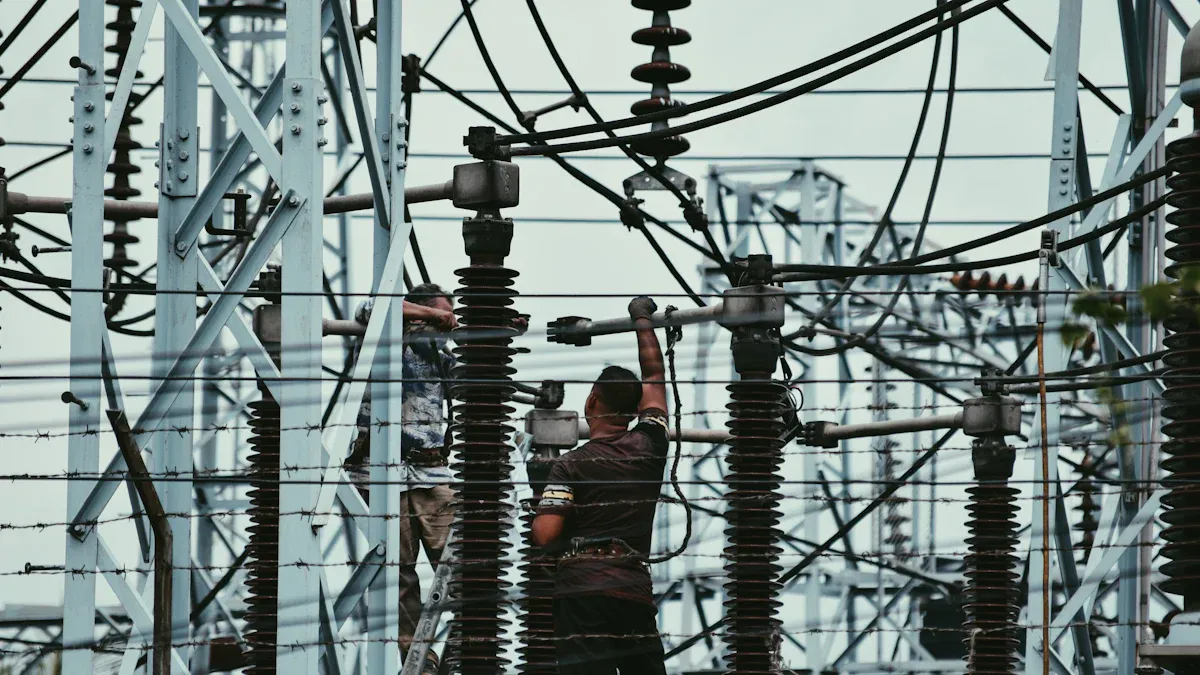
You face many environmental risks that threaten outdoor power systems. Severe weather events can cause unexpected power failures and long outages. These risks include:
Storms, hurricanes, wildfires, and floods often disrupt power and damage equipment.
62.1% of outages lasting more than 8 hours happen during extreme weather or climate events.
From 2000 to 2021, storms and severe weather caused 83% of large-scale power failures in the US, affecting at least 50,000 customers.
Between 2018 and 2020, there were 231,174 outages longer than 1 hour and nearly 17,500 outages over 8 hours, with the highest rates in the Northeast, South, and Appalachia.
You need to prepare for these threats to keep your power systems running and avoid costly power failures.
Equipment failure and security
Equipment failure can happen at any time, especially in harsh outdoor environments. Remote monitoring helps you detect common types of power failures before they cause major problems.
Type of Failure | Description |
|---|---|
Corona | Discharge from conductor into surrounding gas, occurring in regions of non-uniform electric fields. |
Internal Discharge | Occurs within gas-filled voids in solid dielectrics, often due to manufacturing defects or aging. |
Surface Discharge | Occurs along the interface between gas and dielectric, influenced by surface conditions like moisture. |
Security threats also put your power systems at risk. You can use surveillance systems to detect unauthorized access and equipment tampering. High-definition cameras and thermal imaging help you monitor critical areas. Intrusion detection systems and motion detectors alert you to suspicious activity, allowing you to respond quickly and prevent power failures.
Why monitoring is essential
Continuous monitoring protects your outdoor power systems from unexpected power failures. Regular inspections help you spot issues before they lead to failure. Predictive maintenance lets you assess equipment condition and act before breakdowns occur. Accurate documentation and clear operations support fast responses during power failures. You improve reliability and reduce downtime when you use remote monitoring for your power installations.
Tip: Early detection and quick response are key to preventing power failures and keeping your systems safe.
Environment monitoring system components
Integration of SNMP/Modbus
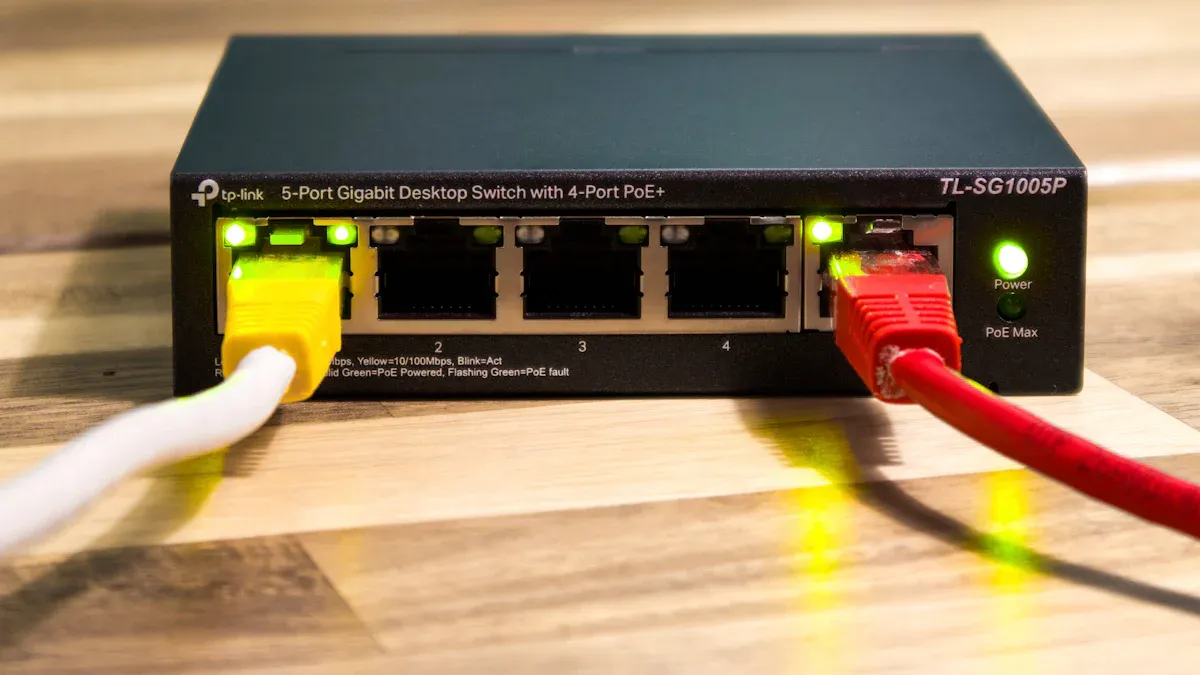
You need a reliable environment monitoring system to protect outdoor power installations. SNMP and Modbus protocols form the backbone of remote monitoring. These protocols allow you to connect multiple devices and sensors, making it easy to track temperature, humidity, and other environmental factors. You can manage alarms and notifications from a single dashboard, which improves efficiency and oversight.
Feature | Description |
|---|---|
Centralized Monitoring | One dashboard for all devices, both industrial and IT, improving efficiency and oversight. |
Real-time Alarm Management | All alarms are fed into the SNMP manager instantly, enhancing response times to issues. |
No Custom Coding Required | Eliminates the need for separate software or scripts, simplifying the integration process. |
High Security | Supports SNMPv1, v2c, and v3 with encryption and authentication, ensuring data safety. |
Scalability | Easily expand from monitoring a few devices to hundreds without major infrastructure changes. |
Rugged Hardware | Designed to operate in harsh environments, ensuring reliability in various conditions. |
Comprehensive Support | Offers technical assistance to ensure smooth operation and integration. |
You can expand your monitoring system as your needs grow. SNMP and Modbus integration means you do not need custom coding, which saves time and reduces errors. You get high security with encrypted communication, so your data stays safe. Rugged hardware ensures your monitoring system works in tough outdoor conditions.
Alarm thresholds and notifications
Alarm thresholds help you spot abnormal conditions before they cause damage. You set specific limits for temperature, humidity, and other parameters. When a sensor detects a value outside the normal range, the monitoring system sends a remote notification. You receive alerts for critical conditions, which helps you maintain network reliability.
Aspect | Description |
|---|---|
Alert trigger intervals | Number of consecutive polling cycles a threshold must exceed to trigger an alert. |
Alert clear intervals | Number of consecutive polling cycles datapoint values must remain below the threshold before an alert clears. |
No Data alert behavior | Triggers an alert due to the absence of expected data. |
Define clear and actionable alert thresholds to differentiate normal from abnormal behavior.
Ensure real-time alerts for critical conditions to maintain network reliability.
You must keep alarm visibility high. If you miss an alarm due to a complex interface or distractions, you risk equipment failure. The environment monitoring system uses relay output alarms and customizable thresholds, so you can tailor notifications to your site’s needs.
Centralized remote management
Centralized remote management improves operational efficiency for outdoor power monitoring. You control all equipment from one location, which reduces the number of components needed. Routine maintenance becomes easier because you can manage upkeep remotely. Quick diagnostics and alerts help you address issues before they become serious.
Centralized power sources consolidate equipment, reducing the number of components needed.
Maintenance is minimized as routine upkeep can be managed from a central location, saving time and resources.
Remote monitoring allows for quick diagnostics and alerts, enabling technicians to address issues efficiently.
Remote Operations Centers enable centralized management of multiple power plants, enhancing efficiency.
Operators can swiftly address issues due to in-depth diagnostics and proactive control.
You benefit from remote access to all monitoring system data. You can view sensor readings, alarm status, and environmental monitoring reports from anywhere. This approach saves time and resources, especially for sites in remote or hard-to-reach locations.
ESTEL product features
ESTEL’s environment monitoring system offers advanced features for outdoor power applications. You get real-time monitoring and alarm notifications, which help you respond quickly to environmental changes. The system integrates with GIS for spatial analysis, so you can visualize data geographically. You can connect multiple sensors and data sources, making the monitoring system flexible and compatible with different setups.
Key Feature | Description |
|---|---|
Real-time monitoring and alarm notifications | Provides immediate alerts for environmental changes. |
Integration with GIS for spatial analysis | Allows for geographical data visualization. |
Support for multiple data sources and formats | Compatible with various data inputs. |
Customizable alarm thresholds and notification methods | Users can set specific parameters for alerts. |
Access to expert consultation and prestudy support | Offers professional guidance for implementation. |
You can customize alarm thresholds and notification methods to match your site’s requirements. ESTEL provides expert consultation and support, so you get help with installation and operation. The environment monitoring system uses high precision sensors to track temperature, humidity, smoke, and water presence. You receive immediate notifications when alarm thresholds are reached, which keeps your power systems safe and efficient.
Tip: Use ESTEL’s environment monitoring system to protect your outdoor power sites. You get reliable monitoring, fast alarms, and expert support for every installation.
Deploying remote monitoring for outdoor power
Assessing site needs
You start by evaluating your remote sites before installing a monitoring system. You check if the power source is reliable and if the network signal strength supports remote monitoring. Accessibility matters for future maintenance. Security helps prevent vandalism or theft. Safety and permissions ensure compliance with regulations. You also consider environmental factors like airflow, distance from pollution sources, and exposure to heat or vegetation. Testing power and connectivity at remote sites confirms readiness for deployment. Documenting your site selection rationale helps you track decisions and improve future monitoring.
Checklist Item | Considerations/Notes |
|---|---|
Power Source Available and Suitable? | Is there a reliable power source nearby? |
Network Signal Strength Adequate? | Is WiFi or cellular signal strength sufficient at the location? |
Location Easily Accessible? | Is the site easily accessible for installation and future maintenance? |
Site Secure? | Is the location reasonably secure from vandalism or theft? |
Deployment Location Safe? | Is the deployment safe for the public and compliant with safety regulations? |
Permissions Obtained (if needed)? | Have necessary permissions been obtained for deployment on public or private property? |
Appropriate Distance from Pollution Sources? | Is the distance from pollution sources appropriate for your monitoring objectives? |
Good Wind Exposure and Airflow? | Does the location have good natural airflow, avoiding stagnant air? |
Away from Trees and Vegetation? | Is the location away from trees and dense vegetation to minimize interference? |
Away from Reflective Surfaces? | Is the location away from surfaces that radiate heat and might affect temperature readings? |
Site Tested and Confirmed? | Have you tested power and connectivity at the site before permanent deployment? |
Site Selection Rationale Documented? | Have you documented your reasons for choosing this site, including assessments of practical and environmental factors? |
Device selection and protocol setup
You choose monitoring devices based on compatibility and site needs. SNMP offers centralized management and bulk monitoring for remote sites with existing IT infrastructure. Modbus supports bi-directional control and works well with legacy systems. You implement SNMP v2c for internal networks and set up access control lists using SNMP community strings. You check device capabilities, such as support for SNMP traps or browser-based alert notifications. You select devices that handle data transmission reliably and integrate with your monitoring system.
Protocol | Advantages | Use Cases |
|---|---|---|
SNMP | High compatibility, centralized management, bulk monitoring | Ideal for systems with existing IT infrastructure, alert notifications |
Modbus | Bi-directional control, interoperability with legacy systems | Suitable for real-time system interaction and complex operations |
Alarm configuration and testing
You configure alarm thresholds for voltage, temperature, and internal resistance. You set minor and major thresholds to catch issues early. For example, you set voltage deviation alarms at plus or minus 3% for minor and 5% for major. You conduct annual discharge tests to monitor capacity loss and resistance. You confirm the alarm-to-NMS path by testing SNMP trap receipt. You regularly review and adjust alarm thresholds based on site-specific conditions. This proactive monitoring ensures your remote sites stay protected.
Metric | Minor Threshold | Major Threshold |
|---|---|---|
Voltage deviation | + or -3% of nominal | + or -5% of nominal |
Internal resistance | +15% rise | +25% rise |
Temperature | + or -5 C | + or -8 C or >45 C |
Tip: Regular testing and adjustment of alarm settings help you maintain reliable monitoring and prevent unexpected power failures.
Maintenance and optimization
You maintain your monitoring system by scheduling routine checks and updates. You address challenges like communication protocol selection and interoperability by choosing compatible devices and optimizing network infrastructure. You test signal quality at remote sites and use gateways that process data locally to improve reliability. You implement devices like LoRaWAN to enhance network capacity in remote areas. Proactive monitoring and regular optimization keep your power systems efficient and your data accurate.
Note: Continuous maintenance and optimization of your monitoring system help you respond quickly to changes in temperature, humidity, and other critical factors at remote sites.
Choosing reliable solutions and partners
Best practices for system performance
You want your outdoor power system to run smoothly and efficiently. Start by using continuous surveillance and analysis of incoming data. This approach helps you spot early signs of trouble and fix them before they become major problems.
Generator performance—whether measured by availability, efficiency, or emissions—necessitates monitoring of a wide array of operating parameters to ensure optimal performance. By having continuous surveillance and analysis of incoming data, early indicators of deviation from standard operations can be detected and corrected before becoming a widespread issue.
Remote monitoring is essential for renewable energy generators. You can manage multiple sites from a central location and send personnel only when needed. This strategy saves time and reduces costs. You deliver insights and actionable intelligence to the right people, improving system performance and reliability. You also reduce operating costs over the lifetime of your PV appliances.
Evaluating providers like ESTEL
When you choose monitoring solutions, you should compare providers based on reliability, support, and product features. The table below shows how leading companies stack up:
Feature | ESTEL | APC | Vertiv | Eaton | Schneider Electric |
|---|---|---|---|---|---|
Reliability | High | Moderate | High | Moderate | High |
Support | Strong customer feedback | Good | Average | Good | Excellent |
Product Features | Energy efficiency, real-time monitoring | Surge protection | Thermal management | Basic features | Advanced features |
Users praise ESTEL for consistent performance and durable safety features. You benefit from energy efficiency and easy integration with iot devices. ESTEL combines strengths from other brands and offers superior remote monitoring capabilities at an affordable price.
When you evaluate providers, look for solutions that monitor temperature, humidity, pressure, airflow, energy usage, and gas concentrations. These parameters help you maintain safe and efficient environments.
Core Parameter | Description |
|---|---|
Temperature | Essential for maintaining safe and efficient environments. |
Humidity | Critical for preventing damage to sensitive equipment and materials. |
Pressure | Important for ensuring proper airflow and system functionality. |
Airflow | Necessary for cooling and ventilation in monitored environments. |
Energy Usage | Helps in reducing costs and improving equipment efficiency. |
Gas Concentrations | Vital for safety and compliance with environmental regulations. |
Future-proofing your monitoring setup
You need a monitoring system that adapts to new technologies. Smart iot devices, app-driven systems, and wireless solutions are changing how you manage outdoor power. Artificial intelligence and machine learning help you predict problems before they happen. Cybersecurity protects your data and equipment from threats.
Trend | Description |
|---|---|
Smart Technologies | Integration of smart home devices for comprehensive monitoring and control. |
App-Driven Systems | Real-time alerts and monitoring through mobile applications, enhancing user accessibility. |
AI and Machine Learning | Predictive capabilities that analyze data to identify potential security threats. |
Wireless Systems | Flexible installation and mobility, making security systems more accessible for various users. |
Cybersecurity | Focus on protecting against both physical and cyber threats, ensuring comprehensive security measures. |
You should monitor third-party security practices and conduct regular audits. Use vendor risk management platforms to automate assessments. Make ongoing due diligence a routine part of your operations. Leadership commitment and continuous adaptation to stakeholder needs help you stay ahead of technology changes. Real-time tracking and assessment of security practices keep your iot monitoring solutions secure and effective.
Tip: Choose partners who support rapid action and continuous improvement. This approach builds trust and keeps your remote monitoring setup ready for the future.
You gain real-time control over outdoor power systems with SNMP and Modbus alarms, improving reliability and safety. Environment monitoring systems help you prevent costly errors and support predictive maintenance. ESTEL’s solutions deliver proven results, such as reduced operational costs and improved uptime. Ongoing optimization ensures accurate data and secure architecture. The table below shows how monitoring systems enhance safety and reliability in telecom and industrial power applications:
Benefit | Explanation |
|---|---|
Predictive insights prevent errors and boost operational power. | |
Immediate alerts for unsafe conditions | Quick action increases safety and power reliability. |
Regulatory compliance tools | Meet standards and maintain strong power reputation. |
FAQ
How do real-time alerts help you manage temperature changes?
Real-time alerts notify you instantly when temperature shifts outside safe ranges. You can act quickly to prevent equipment damage. These alerts keep your outdoor power systems running smoothly and help you avoid costly repairs.
What types of alerts can you set for outdoor power systems?
You can set alerts for temperature, humidity, smoke, water presence, and door status. Automated alerts let you know when conditions change. You receive notifications for abnormal conditions, helping you maintain safe and efficient operations.
How do notifications improve your response to changing conditions?
Notifications give you immediate updates about temperature and other conditions. You can respond faster to alerts and prevent downtime. Quick action keeps your equipment safe and ensures reliable power delivery.
Why should you monitor temperature in outdoor power systems?
Temperature affects equipment performance and safety. You need to track temperature to avoid overheating or freezing. Alerts warn you about dangerous conditions, so you can protect your devices and maintain system reliability.
Can you customize alerts and notifications for different conditions?
You can customize alerts for temperature, humidity, and other conditions. Set thresholds that match your site’s needs. You receive notifications for specific conditions, allowing you to focus on what matters most for your operations.
See Also
Best Practices for Monitoring Outdoor Telecom Cabinet Performance
Enhancing Outdoor Cabinets Through Power, Cooling, and Oversight
Understanding Integration of Supervision Systems in Outdoor Cabinets
Creating Durable Outdoor Communication Cabinets for Any Climate
Essential Requirements for Outdoor Telecom Cabinets and Equipment
CALL US DIRECTLY
86-13752765943
3A-8, SHUIWAN 1979 SQUARE (PHASE II), NO.111, TAIZI ROAD,SHUIWAN COMMUNITY, ZHAOSHANG STREET, NANSHAN DISTRICT, SHENZHEN, GUANGDONG, CHINA
