Essential remote monitoring for 48V telecom rectifiers


You rely on remote monitoring to keep your 48V telecom rectifiers operating at peak performance. This technology allows you to track critical parameters and receive instant alerts about potential issues. Without proper oversight, you risk unexpected downtime or costly equipment failures. ESTEL stands out as a trusted name in the industry, offering advanced Telecom Rectifier System solutions that help you maintain reliable power and protect your telecom infrastructure.
Key Takeaways
Remote monitoring enhances the performance of 48V telecom rectifiers by providing real-time visibility into power systems, allowing for quick fault detection and response.
Implementing remote monitoring can significantly reduce downtime and maintenance costs, with many providers reporting improved service continuity and lower operational expenses.
Monitoring critical parameters like voltage, current, and battery status helps prevent outages and extends the lifespan of telecom equipment.
Utilizing automated alerts and remote control features allows for proactive maintenance, reducing the need for on-site visits and improving overall network reliability.
Choosing a scalable monitoring system with multiple communication protocols ensures seamless integration and future-proofing as your telecom network grows.
Essentials of remote monitoring
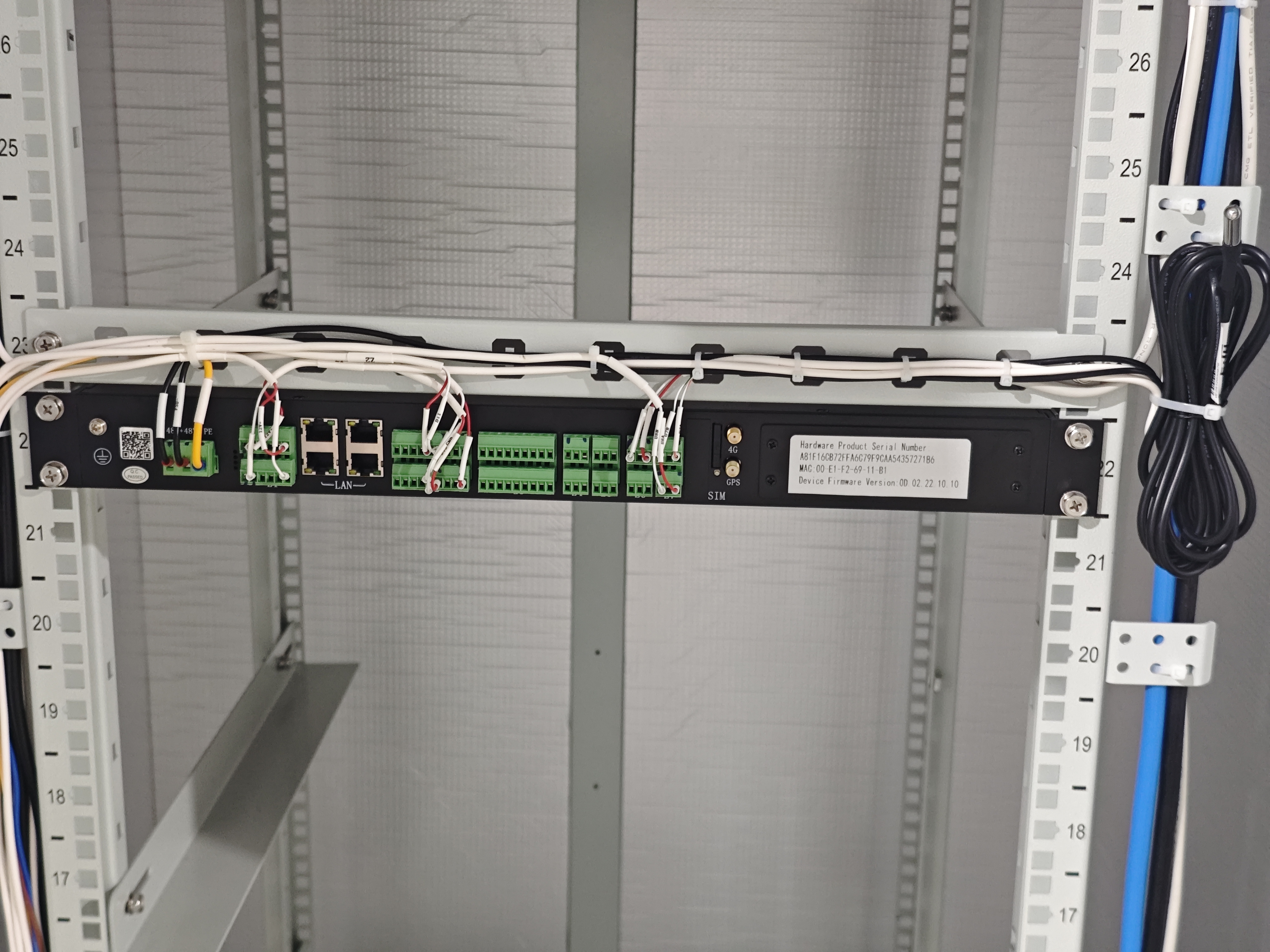
Core functions and benefits
Remote monitoring for 48V telecom rectifiers gives you the ability to oversee your power systems from anywhere. You can track performance, detect faults, and respond quickly to issues. This technology forms the backbone of modern telecom infrastructure, ensuring that your network remains stable and efficient.
Here is a summary of the primary functions of remote monitoring systems for 48V telecom rectifiers:
Function | Description |
|---|---|
Monitoring Systems | Track power usage, detect faults, and ensure smooth operation. |
24x7 Monitoring | Provide real-time visibility and immediate detection of anomalies. |
Increased Intelligence | Enhance monitoring capabilities with continuous oversight. |
When you implement remote monitoring, you gain measurable benefits. Many telecom operators have reported significant improvements:
Provider | Outcome | Benefit |
|---|---|---|
National Operator | Faster repairs, reduced costs | |
City Network | Predictive maintenance, fewer outages | Improved service continuity |
Regional Provider | 30% less energy use | Lower operational expenses |
You can see that remote monitoring not only improves system performance but also reduces costs and extends equipment life.
Importance for telecom reliability
Continuous monitoring is essential for preventing downtime and ensuring a reliable power supply. You can identify problems before they escalate, allowing you to schedule maintenance and avoid unexpected outages. Real-time visibility lets you address issues quickly, which keeps your network running smoothly.
Many telecom providers have improved reliability by using remote monitoring. For example:
All West Communications increased network visibility and reduced risky site visits.
Comporium Communications achieved rapid response to hardware failures, keeping services uninterrupted.
National Grid protected service reliability with advanced monitoring solutions.
AI-powered monitoring can predict failures and optimize maintenance schedules. This proactive approach reduces downtime and enhances customer experience. Early detection of problems also lowers maintenance costs and improves overall network reliability.
ESTEL remains committed to quality and innovation in remote monitoring solutions. The Telecom Rectifier System from ESTEL offers advanced features that help you maintain reliable power and efficient operations across your telecom sites.
Key parameters for Telecom Rectifier System
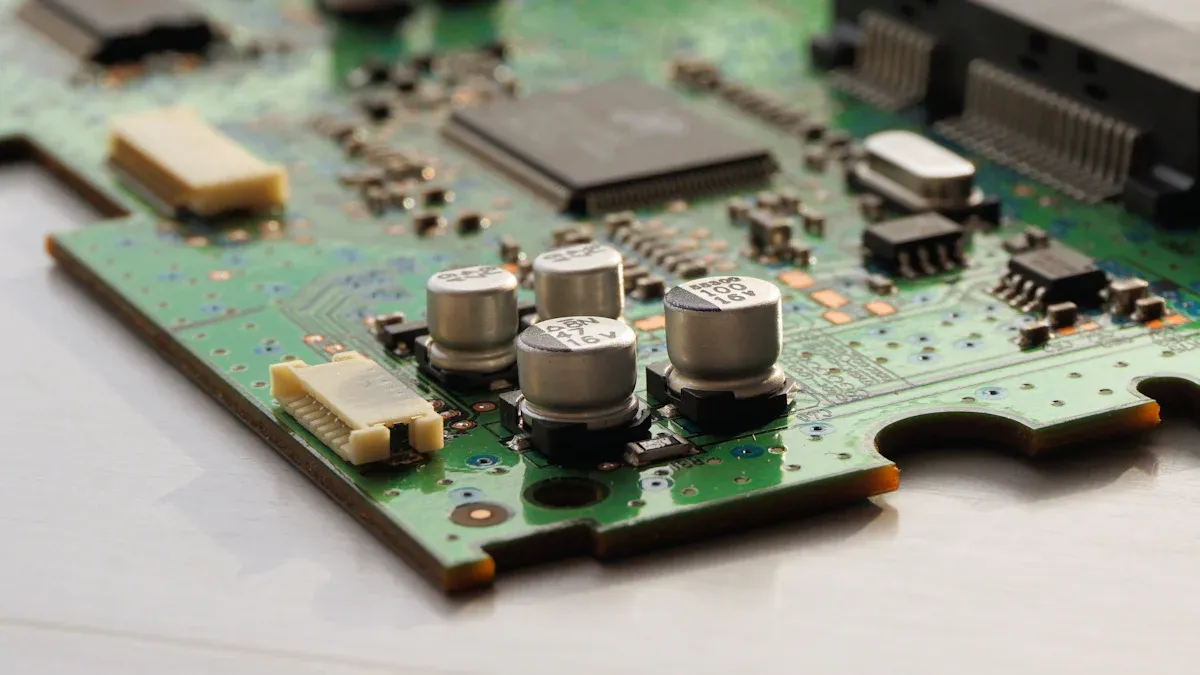
When you manage a Telecom Rectifier System, you must monitor several critical parameters to ensure reliable operation and long-term performance. These parameters include power performance, battery status, environmental conditions, and site access security. Each plays a unique role in maintaining the stability and efficiency of your telecom infrastructure.
Power performance (voltage, current, load)
You need to track voltage, current, and load in real time. Fluctuations in these parameters can cause outages or damage sensitive equipment. Proactive monitoring helps you identify minor power issues before they escalate. This approach prevents up to 80% of outages and protects your network from service interruptions. Real-time monitoring also allows you to respond quickly to deviations, reducing the risk of cascading failures and minimizing operational costs.
The ESTEL Telecom Rectifier System supports high efficiency, modular design, and flexible input voltage. These features help you maintain consistent DC48V output, even in challenging environments. The system’s monitoring module controls key parameters and provides fault protection, including current limit adjustment, over-temperature current reduction, and automatic voltage regulation.
Key power parameters to monitor:
Input and output voltage
Output current
Load percentage
Power quality and stability
Fault alarms and protection triggers
Battery status and backup
Battery health is essential for uninterrupted telecom service. You must monitor battery voltage, temperature, and backup duration. Industry standards recommend VRLA battery banks that provide 4-8 hours of backup for macro cell sites. Compact battery solutions support small cell and distributed antenna systems. Real-time battery monitoring enables you to detect declining voltage or temperature spikes early. This proactive approach prevents unexpected outages and ensures continuous service.
Smart battery management in the Telecom Rectifier System includes temperature compensation, automatic equalization, floating charge control, and online battery testing. You can set low-voltage alarm points and calculate battery capacity to optimize backup performance. Integration with existing DC power plants and environmental hardening for outdoor installations further enhance reliability.
Battery monitoring best practices:
Track voltage, temperature, and internal resistance
Set alarms for low voltage and abnormal temperature
Schedule online battery tests and capacity calculations
Environmental monitoring
Environmental factors can significantly impact the performance and lifespan of your Telecom Rectifier System. You should monitor temperature, humidity, dust, and power surges to prevent overheating, corrosion, and equipment failure.
Description | |
|---|---|
Temperature Extremes | High or low temperatures can impact performance. |
Humidity | Excess moisture can lead to corrosion and failure. |
Dust | Accumulation can cause overheating and malfunctions. |
Power Surges | Sudden voltage changes can stress the system. |
Voltage Instability | Fluctuations can lead to operational issues. |
Continuous environmental monitoring allows you to implement predictive maintenance. Facilities that use predictive analytics see a 25% increase in operational reliability and a 20% improvement in equipment uptime. The ESTEL Telecom Rectifier System supports environmental sensors and predictive maintenance features, helping you extend equipment life and reduce downtime.
Site access and security
Physical security is as important as electrical performance. You must control and monitor access to your telecom sites to prevent unauthorized entry and protect sensitive equipment. Best practices include electronic door control, intrusion detection, and comprehensive battery monitoring.
Best Practice | Description |
|---|---|
Building Access Systems | Use electronic door control and intrusion detection to secure entry points. |
Environmental Monitoring | Track temperature, humidity, and other factors to protect equipment. |
Comprehensive Battery Monitoring | Monitor battery health for added security and reliability. |
Modern Telecom Rectifier System solutions, such as those from ESTEL, offer networked designs with multiple communication interfaces. You can access system parameters and alarms through touchscreen displays, web servers, or remote interfaces like RS232 and TCP/IP.
SNMP, web-based, and mobile interfaces enhance your monitoring capabilities. With SNMP alarms, you can selectively track important events and receive instant notifications, allowing you to respond quickly to critical issues.
By leveraging these advanced monitoring tools, you ensure that your Telecom Rectifier System remains secure, reliable, and efficient—no matter where your sites are located.
Remote monitoring challenges
Protocol and integration issues
You often face protocol compatibility challenges when integrating remote monitoring systems for telecom rectifiers. Many sites use different communication standards, such as SNMP, RS485, or TCP/IP. These differences can create integration headaches, especially when you manage equipment from multiple vendors. If your system cannot translate these protocols, you may lose critical data or experience delays in fault detection.
ESTEL’s Telecom Rectifier System addresses these issues with advanced communication ports and modular design. You can connect to SNMP, RS232, or TCP/IP interfaces, which simplifies integration with your existing network management software. This flexibility allows you to standardize your monitoring approach, regardless of the equipment mix at your sites.
Tip: Choose systems that support multiple protocols and offer user-friendly interfaces. This strategy reduces integration time and ensures seamless data flow.
Data accuracy and real-time alerts
Accurate data and instant alerts are essential for effective remote monitoring. If your system delivers delayed or inaccurate information, you risk missing early warning signs of rectifier failure. Real-time alert systems have proven to reduce response times and maintenance workload significantly.
Case Study | Key Results | Impact on Maintenance Workload |
|---|---|---|
Southeast Asia Mobile Operator | 38% fewer site visits, repair time cut by 8 hours, $500,000 saved annually | Less maintenance, faster repairs |
European Tower Company | 22% better uptime, half as many emergency trips | More reliable, less frequent repairs |
Telecom Power Systems | 25-30% lower energy use with efficient power supplies | Lower costs, less maintenance needed |
With ESTEL’s remote monitoring, you receive real-time notifications through SNMP, web, or mobile interfaces. This capability enables you to act quickly, reduce downtime, and optimize maintenance schedules.
Multi-site scalability
Managing remote monitoring across multiple telecom sites introduces new challenges. You must ensure immediate access to cabinet status, real-time data for rapid issue detection, and continuous monitoring to support proactive maintenance. As your network grows, you face increased complexity in standardizing hardware, managing data overload, and securing each location.
Challenge | Description |
|---|---|
Equipment Performance | Monitoring transmitters, receivers, batteries, and HVAC systems is crucial. |
Site Security | Ensuring security across multiple sites requires robust measures. |
Data Overload | Large data volumes from many sites can overwhelm your team. |
Cybersecurity | More sites mean greater risk and complexity in protecting your network. |
Maintenance | Coordinating maintenance across locations can be logistically challenging. |
ESTEL’s modular systems and centralized management tools help you scale efficiently. You can monitor all sites from a single interface, standardize your processes, and maintain high reliability as your network expands.
Solutions and best practices with ESTEL
Scalable monitoring systems
You need a monitoring system that grows with your network. ESTEL’s Telecom Rectifier System and Telecom Power System support a wide range of communication protocols, making integration simple and future-proof. You can connect through SNMP, HTTP, RS232, RS485, Ethernet, and more. This flexibility ensures you can monitor every site, no matter the size or location.
Communication Protocols | Description/Notes |
|---|---|
SNMP (v2, v3) | Secure, reliable, supports SNMPv3 Proxy |
HTTP/HTTPS | Standard and secure web access |
RS232/RS485 | Built-in ports for remote control |
Ethernet/IPv4/IPv6 | Network connectivity |
Modbus | Common for generator/rectifier monitoring |
Dry Contacts | Alarm integration |
You can also choose redundancy models like N+1 or 2N to ensure uninterrupted service. Real-time monitoring, fault detection, and remote diagnostics help you reduce downtime and optimize energy use.
Automated alerts and remote control
Automated alerts keep you ahead of problems. When your system detects abnormal conditions, it sends instant notifications so you can act before failures occur. This approach improves network reliability and reduces service disruptions. Machine learning features in modern systems minimize false alarms, letting you focus on real issues.
Tip: Set up at least two alert thresholds for each critical parameter. Use analog sensors for detailed monitoring and configure notifications for both over and under limits.
Remote control features allow you to troubleshoot and maintain equipment without visiting the site. You can implement predictive maintenance tools, optimize schedules, and reduce operational costs.
Data security and compliance
You must protect your network data and meet industry regulations. ESTEL’s systems support encrypted data transmission, multi-factor authentication, and strict access controls. Regular software updates keep your system secure. Compliance features, such as secure web interfaces and SNMPv3 support, help you maintain grid stability and safety.
Use encrypted channels for all remote communications.
Enable multi-factor authentication for system access.
Schedule regular updates and audits to ensure ongoing compliance.
By following these best practices and leveraging ESTEL’s advanced solutions, you can achieve reliable, secure, and scalable remote monitoring for your telecom rectifiers.
You strengthen your telecom network by adopting essential remote monitoring for 48V rectifiers. Advanced systems like ESTEL’s deliver constant vigilance, early issue detection, and real-time security threat mitigation. You benefit from fewer truck rolls, faster diagnostics, and optimized energy consumption. Modern solutions also support business growth, automation, and compliance. Evaluate your current monitoring approach and consider upgrading to ESTEL’s reliable power management systems for improved efficiency and long-term cost savings.
FAQ
What is the main advantage of remote monitoring for 48V telecom rectifiers?
You gain real-time visibility into your power systems. This allows you to detect faults early, reduce downtime, and optimize maintenance schedules. You improve network reliability and lower operational costs.
How does ESTEL’s Telecom Rectifier System support remote monitoring?
You access system data through SNMP, web, or mobile interfaces. The system provides instant alerts, detailed performance metrics, and remote control features. You can integrate it easily with your existing network management tools.
Which parameters should you monitor most closely?
You should focus on voltage, current, battery status, temperature, humidity, and site access. Monitoring these parameters helps you prevent outages, extend equipment life, and ensure safe operation.
Can you scale ESTEL’s monitoring solutions for multiple sites?
Yes. You can monitor many sites from a single interface. The modular design and multiple communication protocols make it easy to expand as your network grows.
How do you ensure data security in remote monitoring?
You should use encrypted communication channels, enable multi-factor authentication, and schedule regular system updates. These steps help you protect sensitive data and maintain compliance with industry standards.
See Also
Tips for Effective Monitoring of Outdoor Telecom Cabinets
Ensuring Consistent Power Supply in Telecom Cabinets
A Complete Guide to Analyzing Risks in Telecom Batteries
CALL US DIRECTLY
86-13752765943
3A-8, SHUIWAN 1979 SQUARE (PHASE II), NO.111, TAIZI ROAD,SHUIWAN COMMUNITY, ZHAOSHANG STREET, NANSHAN DISTRICT, SHENZHEN, GUANGDONG, CHINA
