How ESTEL Telecom Rectifier Systems Improve Battery Health Monitoring

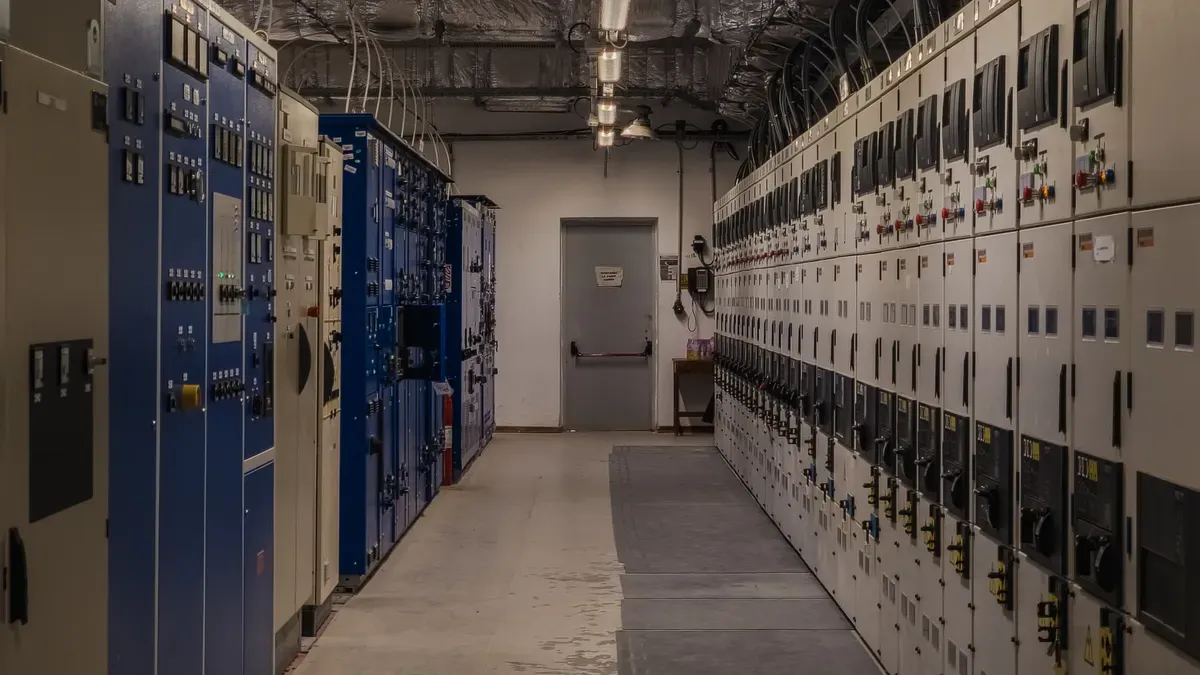
Battery backup keeps telecom networks running when the power grid goes down. One surprise battery failure can knock out a whole cell site. That outage costs operators thousands of dollars in repairs and lost revenue. Telecom Rectifier Systems from ESTEL change this. These systems track battery state of health in real time. They also predict remaining lifespan with high accuracy. Operators get clear visibility into battery conditions at every site. This article explains how ESTEL's integrated approach replaces reactive maintenance with proactive battery management. Readers will see how continuous monitoring and early warnings stop failures before they happen. The result is stronger network reliability and lower operational costs.
Key Takeaways
ESTEL systems check battery health all the time. They spot issues early and stop failures before they start.
The systems guess how long a battery will last with great accuracy. Operators can plan to swap them out months in advance.
Planning ahead for upkeep saves money. It lowers sudden fixes and makes batteries last longer.
Results from real use show fewer power failures and lower costs. One company saved $8 million in one year.
ESTEL systems are easy to add to your current telecom setup. They work with standard racks and power sources.
Why Battery SOH Matters in Telecom Rectifier Systems
Defining SOH and Its Role in Battery Reliability
Telecom batteries do one job: supply backup power when the grid fails. Operators need two numbers to know a battery's condition. The first is State of Charge (SoC). SoC shows how much energy the battery holds right now, like a fuel gauge. The second is State of Health (SOH). SOH measures lasting damage over the battery's life. SoC changes with every charge cycle. SOH only goes down.
A new battery begins at 100% SOH. After years of use, SOH drops to 80% or less. At that point, the battery cannot give its full capacity. Operators must swap it out. SoC alone cannot show this hidden wear. A battery at 80% SOH may still read 100% SoC after a full charge. But it will drain much faster during an outage. That is why SOH is the key metric for reliability.
Battery Management Systems (BMS) inside Telecom Rectifier Systems use both SoC and SOH algorithms. The BMS checks voltage, current, and temperature every second. It compares these readings to known degradation curves. The result is a live SOH estimate. When SOH passes a set threshold, the system starts a safety protocol. The rectifier changes charging settings to stop overcharging. The system also warns operators that the battery needs replacing soon. This smart monitoring finds problems before they cause failures.
The Cost of Battery Failure in Telecom Networks
A dead battery at a telecom site causes trouble right away. The site loses backup protection. The next grid outage takes the site offline for good. Subscribers lose service. Call drops go up. Data sessions end. One hour of downtime at a single macro site can cost thousands of dollars in lost revenue and SLA penalties.
Emergency repairs add even more cost. A technician must go to the site, find the problem, and replace the battery. This truck roll costs hundreds of dollars each trip. Remote or mountain sites raise the cost a lot. Operators also pay for replacement batteries outside the normal cycle. Bulk buying saves money; emergency purchases do not.
The hidden cost is damage to reputation. Frequent outages push customers to competitors. Telecom contracts include service level agreements with strict uptime rules. Each violation comes with financial penalties. By the time a battery fails fully, the operator has already lost money in many ways. Real-time SOH monitoring from Telecom Rectifier Systems ends this reactive cycle. Operators replace batteries at the best time — before failure, but not too early.
ESTEL's Real-Time SOH Monitoring
Integrated Sensors and Data Collection
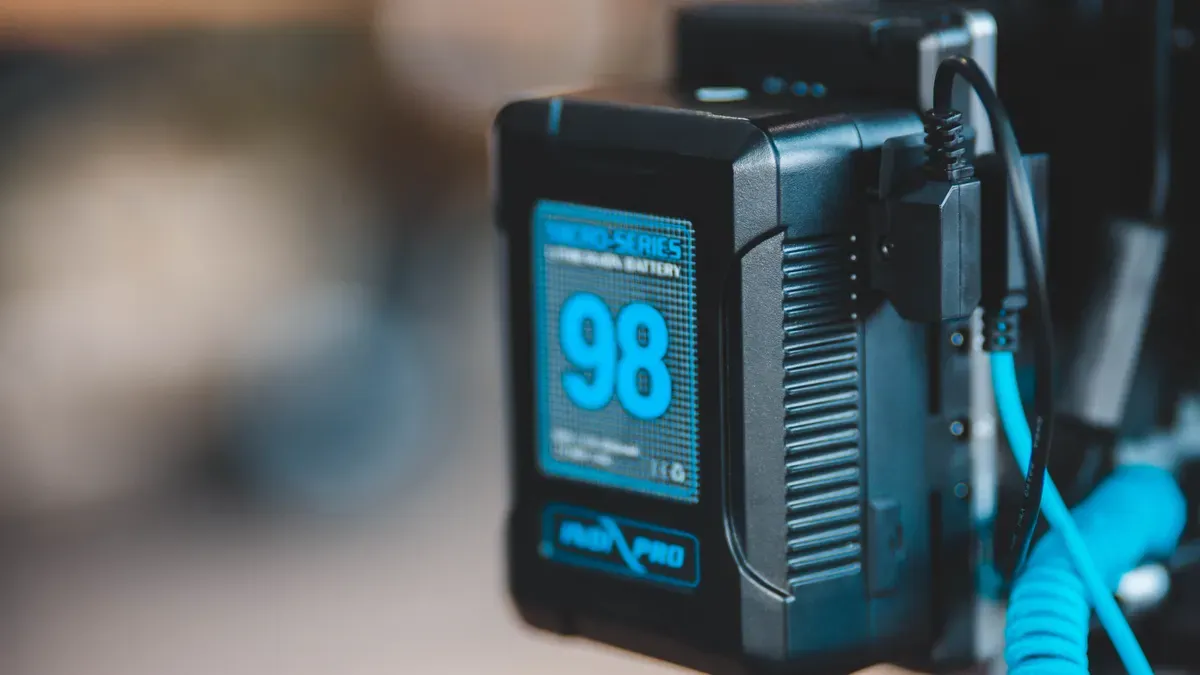
ESTEL Telecom Rectifier Systems put high-precision sensors in each cabinet that work all the time. Voltage sensors check the battery's electrical state every moment. Current sensors track charge and discharge rates accurately. Temperature sensors find heat changes that mean internal problems. Backup duration monitors track how long batteries can support the network during outages. All these data streams flow nonstop into the system's smart controller for processing.
Traditional monitoring depends on manual checks every three months. A technician visits the site, runs a basic test, and writes down the results. Between those checks, a battery gets worse without anyone knowing. ESTEL's approach removes this blind spot completely. Sensors collect data every second without stopping. The system never misses a voltage sag or a temperature spike. Operators gain visibility into battery conditions they never had before.
The comparison below shows the difference clearly. Traditional methods leave large gaps in monitoring coverage.
Aspect | Traditional Methods | ESTEL's Real-Time SOH Monitoring |
|---|---|---|
Detection Speed | Manual checks at intervals (e.g., every 3 months); anomalies found late | Continuous automated monitoring; anomalies identified instantly |
Maintenance Approach | Reactive; emergency repairs after failure | Proactive; maintenance scheduled before failure occurs |
Sensor Capability | Basic or no sensors; relies on periodic inspection | Advanced sensors track voltage, temperature, and internal resistance in real time |
Monitoring Mode | On-site manual inspection required | Remote monitoring via communication interfaces; reduces manual inspections |
Failure Prediction | No predictive capability | AI-driven analytics and predictive models anticipate failures weeks in advance |
This continuous data collection gives operators a full picture. They see battery behavior during every charge cycle, every discharge event, and every idle period. No gap exists in the data record with this continuous monitoring system.
Instant Insights from Battery Data
Raw sensor data means nothing without smart analysis. ESTEL Telecom Rectifier Systems process voltage, current, and temperature readings within 100 milliseconds. This low-latency performance turns raw numbers into clear SOH estimates in real time. Operators see battery health status right away on their monitoring screens.
The system uses advanced algorithms to understand the data. LSTM models achieve an RMSE of 0.01173 and an MAE of 0.01034 for SOH prediction. Kalman filtering provides real-time charge and health estimation. Analysis of temperature, voltage, and ohmic resistance produces an overall prediction accuracy of 92%. These algorithms learn from each battery's unique aging pattern over time. The system becomes more accurate the longer it monitors a specific battery.
Real-time SOH estimates let operators spot problems before they cause outages. A gradual voltage drop that takes days to develop becomes visible on day one. A rising internal resistance trend alerts the team to schedule a replacement. Operators act on data instead of waiting for sudden failure. This shift from reactive to proactive management changes how sites operate.
The results from actual deployments prove the value of this approach. One regional operator with over 200 cabinets saw a 35% drop in battery-related outages within the first year. Unplanned maintenance visits decreased by 40%. Maintenance costs fell by up to 30%. Battery lifespan extended by 20%. A Southeast Asia telecom company reported a 25% improvement in network uptime and a 30% reduction in maintenance costs. A major service provider reduced time-to-resolution by 50% and achieved annual savings of $8 million. Mean time to repair improved from 4.8 hours to 3.1 hours. Manual triage dropped by 58%.
These numbers come from real sites using ESTEL's monitoring system. The system gives every operator the same advantage: instant visibility into battery health. With better data comes better decisions and stronger network performance. Operators gain confidence in every battery decision they make.
ESTEL's Lifespan Prediction Capabilities
Forecasting Remaining Useful Life
Real-time SOH monitoring tells operators what a battery's health is right now. Lifespan prediction tells them how long that battery will last. ESTEL Telecom Rectifier Systems mix both features into one easy-to-use platform. The system uses smart models that watch each battery's wear pattern over time. These models forecast Remaining Useful Life (RUL) with high accuracy.
The prediction engine looks at many data points. Voltage trends show how the battery handles charging and discharging. Current patterns reveal changes inside the battery. Temperature history shows stress that makes the battery age faster. The system sends all this data into machine learning models. These models compare the battery's behavior to known wear curves. The result is a clear RUL estimate in months or charge cycles.
Accuracy grows as the system gathers more data. A battery monitored for six months gives the model a full history to study. The model learns that battery's unique aging pattern. It then predicts forward with more trust. Operators get RUL updates all the time, not just during checkups. This steady feedback keeps forecasts current and reliable.
The accuracy margin helps with planning. An operator who knows a battery has 8 months left can schedule a swap during a normal site visit. That same operator avoids changing too early or letting it fail without warning. The prediction turns a guess into a simple schedule.
From Prediction to Proactive Maintenance
Accurate RUL forecasts start automatic maintenance alerts. The system sends a notice when a battery's expected life dips below a set limit. Operators see these alerts on their network management screen. Each alert shows the battery's location, current SOH, and when to replace it. Maintenance teams then plan swaps at the best time.
This smart approach brings real benefits. Batteries get used until nearly the end, so operators get full value from each one. Longer battery life means less money spent on new batteries. Planned visits cost less than emergency trips. Downtime drops because swaps happen before failures. Overall maintenance costs fall as emergency repairs turn into planned service.
The change from reactive to proactive maintenance shifts how telecom operators run their networks. They stop chasing problems and start stopping them. Every battery choice becomes based on data. The network stays on, subscribers stay connected, and costs stay low.
Implementing ESTEL Telecom Rectifier System
Integration Steps for Telecom Operators
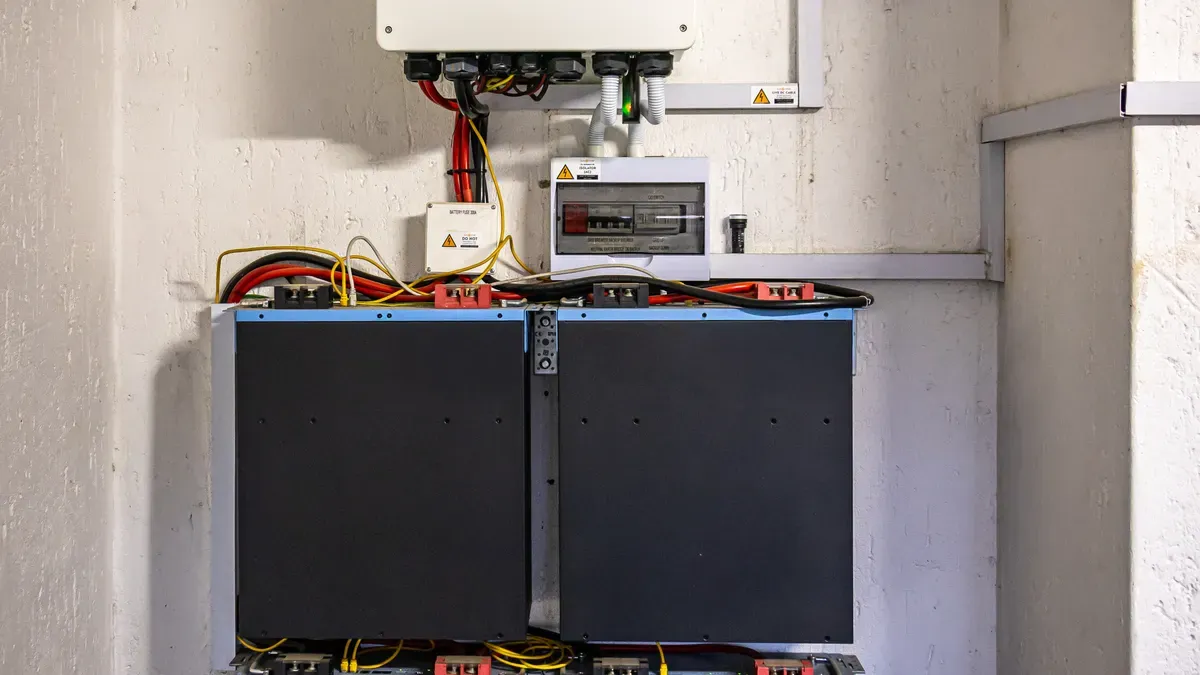
Telecom workers can add ESTEL Telecom Rectifier Systems to their current setup without causing big problems. The steps are clear. First, technicians put the rectifier in a standard 19-inch rack. The modular design works with 6U, 3U, and 2U setups. This choice lets operators pick the best size for each site. Second, they hook up the input cables to the power source. The system takes single-phase power like 220V or 380VAC. Third, they connect the DC48V output to the batteries and network gear. A copper bar gives grounding for safety. Fourth, they link the system to the network management platform using communication ports. This turns on remote monitoring and data collection. Finally, they run a test to check all sensors and alerts work right.
The modular design makes future upgrades easy. Operators add rectifier modules when they need more power. They do not swap out the whole system. This saves money on both first cost and later costs. The high efficiency of over 96% uses less power at each site. It fits in most current cabinets because of the 19-inch rack design. These useful features make it easy for operators with different setups to use it.
Real-World Results and Case Study
A regional telecom operator with more than 200 cabinets used ESTEL's monitoring system in its network. Results showed up in the first year. Battery outages fell by 35%. Unexpected maintenance visits went down by 40%. Maintenance costs dropped by up to 30%. Battery life got longer by 20%. These gains came from real-time SOH tracking and correct lifespan prediction. The operator changed batteries at the best time instead of after failures.
A big service provider reported even better results. Time to fix problems improved by 50%. Yearly savings hit $8 million. Average repair time fell from 4.8 hours to 3.1 hours. Manual checking went down by 58%. A telecom company in Southeast Asia got a 25% boost in network uptime and cut maintenance costs by 30%. These real examples prove that ESTEL Telecom Rectifier Systems give clear gains in reliability, efficiency, and cost savings. Operators get a data-driven way to keep networks running and control budgets.
ESTEL Telecom Rectifier Systems give three clear benefits. Real-time SOH monitoring finds battery damage right away. Accurate lifespan prediction warns about failure weeks ahead. Proactive maintenance swaps out batteries on schedule instead of rushing to fix them. These features turn battery management from guessing into using data. Operators get better network reliability and lower operating costs. The future points toward fully self-running battery management systems. Smart systems will soon adjust charging settings, plan replacements, and improve energy use without people stepping in. ESTEL's all-in-one approach already pushes the industry that way. Operators who use these systems today build the base for smarter, stronger networks tomorrow. Data-driven choices cut costs and keep subscribers connected.
FAQ
How does ESTEL measure battery State of Health in real time?
ESTEL Telecom Rectifier Systems use built-in sensors that gather voltage, current, and temperature data every second. The system's algorithms handle this data within 100 milliseconds. Operators get steady SOH estimates that show battery damage as it happens. This real-time view swaps periodic manual checks for constant automated monitoring.
How accurate is ESTEL's lifespan prediction for telecom batteries?
ESTEL's predictive models guess Remaining Useful Life with high accuracy. The system looks at voltage trends, current patterns, and temperature history to build a wear profile for each battery. Accuracy gets better as the system gathers more data over time. Operators can plan replacements months ahead with confidence.
Can ESTEL systems work with existing telecom infrastructure?
Yes. ESTEL Telecom Rectifier Systems fit standard 19-inch racks in 6U, 3U, and 2U setups. The modular design lets operators add rectifier modules as power needs grow. The system takes single-phase input voltages like 220V or 380VAC and gives steady DC48V output. Installation needs no big changes to current setups.
What efficiency rate do ESTEL Telecom Rectifier Systems achieve?
ESTEL Telecom Rectifier Systems reach efficiency rates over 96%. This high efficiency cuts energy loss at each site. Lower power use means cost savings and environmental benefits. The system keeps this performance across different telecom environments and input voltage options.
How does proactive maintenance reduce operational costs?
Proactive maintenance uses lifespan predictions to plan battery replacements at the best time. Operators avoid emergency truck rolls and early battery purchases. Real-world deployments show maintenance costs drop by up to 30% and battery life extends by 20%. Planned service visits cost less than reactive repairs after failures.
See Also
ESTEL Telecom Cabinets Enhanced With Advanced Energy Storage Battery Solutions
Complete ESTEL Guide For Analyzing Risks In Telecom Cabinet Battery Systems
Methods For Calculating Power Systems And Batteries In Telecom Cabinets
ESTEL Smart Microgrid Integrated Energy Storage System For Telecom Cabinets
Grid Connected Photovoltaic Inverter And Battery System For Telecom Cabinet Use
CALL US DIRECTLY
86-13752765943
3A-8, SHUIWAN 1979 SQUARE (PHASE II), NO.111, TAIZI ROAD,SHUIWAN COMMUNITY, ZHAOSHANG STREET, NANSHAN DISTRICT, SHENZHEN, GUANGDONG, CHINA
