Why Telecom Rectifier Systems from ESTEL Stay Strong in Hot and Cold

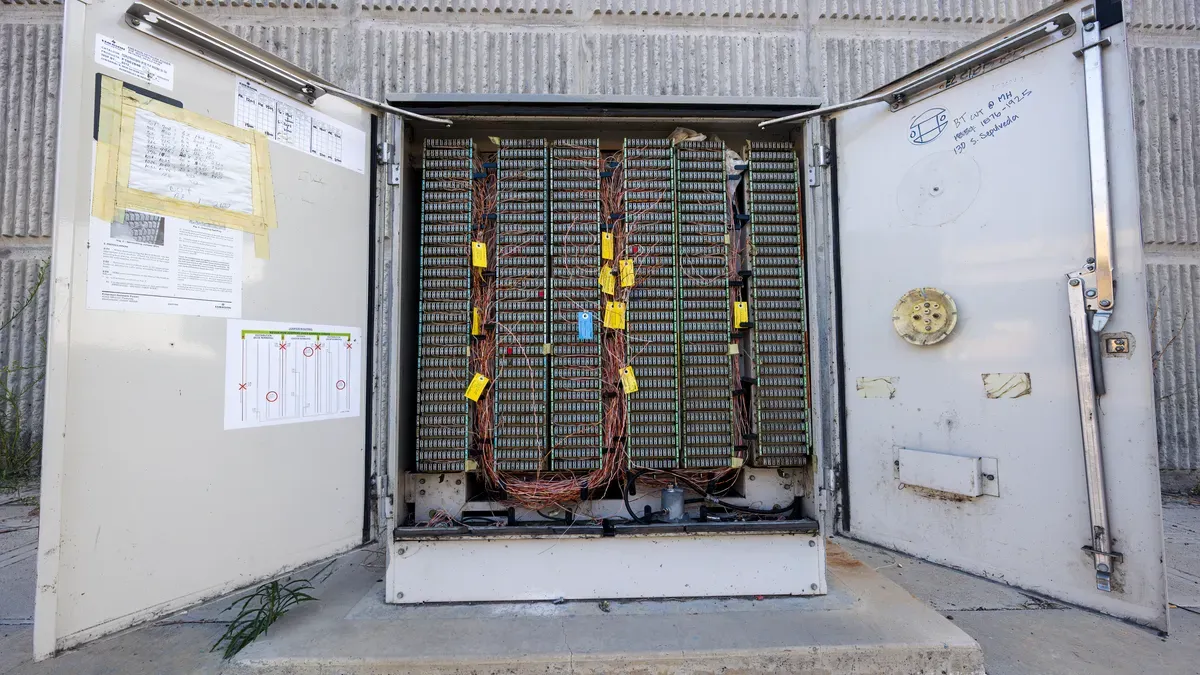
ESTEL's telecom rectifier systems work steadily from -40°C to +70°C. This wide range comes from integrated thermal design, rugged electronics, intelligent control, and careful testing. Desert heat, blowing sand, cold on plateaus, and low pressure at high altitudes can harm the rectifier's uptime and lifespan. These forces push parts to their limits. A single failure can cut network service across entire regions.
This article explains each engineering strategy in clear terms. It shows how these strategies work together to keep systems running. Thermal management moves heat away from important parts. Rugged electronics stand up to vibration, dust, and temperature swings. Intelligent control adjusts power output as conditions change. Testing proves every design choice. Together, these parts form one whole system. That system keeps telecom networks running in the world's toughest environments.
Key Takeaways
ESTEL rectifiers work in temperatures from -40°C to +70°C. They do this with good thermal design and strong parts.
Passive cooling and IP55 cabinets prevent dust and heat from damaging the system.
Smart power control slowly lowers the power output in very hot weather to keep the network running.
Hard tests and real use in deserts and high places show the system keeps working for a long time.
Modular design allows one part to break without shutting down the entire telecom power supply.
How ESTEL Telecom Rectifier Systems Handle Extreme Heat and Cold
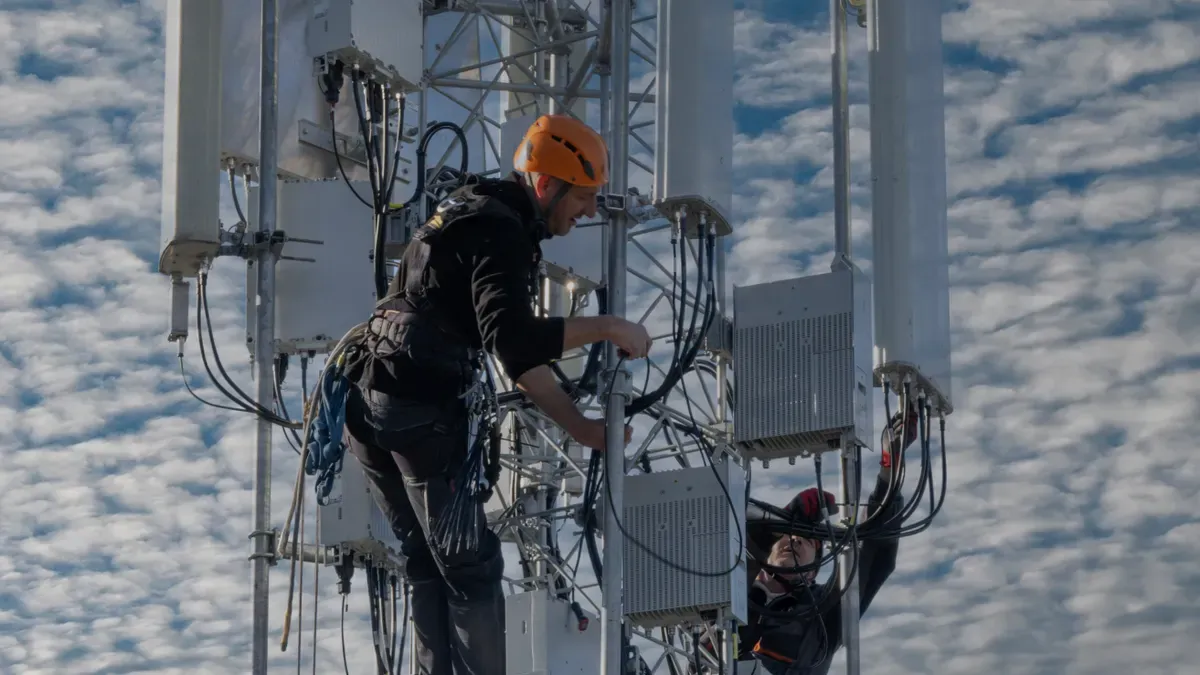
Thermal Design for +70°C Desert Operation
ESTEL engineers build the telecom rectifier systems to release heat well in desert areas. High efficiency above 96% cuts down wasted energy that becomes heat. Less heat means the system needs less forceful cooling. The modular 6U, 3U, and 2U rack-mount designs let engineers improve airflow paths for each setup. The system takes both AC220V and AC380V input and gives steady DC48V output. Current choices run from 6A to 125A to fit different site power needs. These sizes and electrical specs support many deployment cases while keeping thermal performance.
The main method depends on conduction cooling through the chassis/heat sink. Power parts mount right onto metal surfaces that move heat to the enclosure walls. This approach removes moving parts like fans that can break in sandy conditions. The design uses finned aluminum structures that add surface area for natural convection cooling. Heat moves from components to the chassis/heat sink, then to the nearby air without needing forced airflow. This passive approach boosts reliability in dusty places where fan bearings would wear out fast.
ESTEL puts these rectifier systems into outdoor cabinets rated IP55. The IP55 rating blocks dust and low-pressure water jets. The anti-corrosion powder coating shields metal surfaces from sand abrasion and moisture. This coating keeps heat transfer while stopping rust that would weaken thermal performance over time. The cabinets also have heat insulation that lowers the temperature rise inside the enclosure from solar radiation. Engineers can deploy the full system in direct sunlight without performance loss.
The system uses smart derating when ambient temperatures rise. As temperature climbs toward +70°C, the control logic lowers output current a bit. This adjustment keeps component temperatures inside safe limits. The system does not shut down all at once but slowly reduces power delivery. Network operators keep service continuity even during extreme heat waves. The derating curve follows a predictable path that operators can factor into their capacity planning.
Cold-Start Reliability at -40°C on the Plateau
Starting electronics at low temperatures brings different challenges than running in heat. Electrolytic capacitors lose capacitance as temperature drops. Semiconductors change their switching characteristics. Lubricants in any moving parts get thick and sticky. ESTEL handles these issues through careful component selection and circuit design.
The rectifier systems use capacitors made for cold operation. These components keep enough capacitance even as the ambient temperature falls. Each unit goes through screening to check operation at -40°C before assembly into production systems. The control circuit has a soft-start sequence that slowly applies power to the output stage. This sequence stops inrush currents that could harm cold components. The slow ramp-up lets all parts warm evenly and reach their rated operating points.
ESTEL builds rugged electronics that handle both desert heat and plateau cold. Each system design goes through testing in environmental chambers. The test profile includes soaking the unit at -40°C for several hours, then applying input power. The system must reach full output within a set time without any component failures. This testing proves the rugged electronics work correctly in plateau regions where winter temperatures drop far below freezing.
The IP55 outdoor cabinets give extra protection against cold-related issues. The cabinet insulation lowers temperature swings. The anti-corrosion coating stops condensation damage when the system warms up. Snow and ice cannot get into the sealed enclosure. These features together make sure the system starts reliably even after long exposure to extreme cold.
The mix of thermal design for high temperatures and cold-start reliability for low temperatures gives ESTEL telecom rectifier systems their wide normal operating temperature range. This range from -40°C to +70°C covers extreme temperatures found at outdoor telecom sites worldwide. Operators gain confidence that their equipment will work no matter the environmental factors at the deployment location. The engineering choices for cooling, component selection, and protective enclosures work as one system to deliver this performance.
Rugged Electronics Design for Desert and Plateau Sites
Wide-Temperature Components and Conformal Coating
ESTEL engineers carefully pick each part for their telecom rectifier systems. Normal commercial parts work between 0°C and +70°C. They break quickly outside that range. ESTEL picks parts that work from -40°C to +70°C. These parts keep their electrical traits over a wide temperature range. Capacitors hold steady capacitance in cold. Transistors switch well in both heat and cold. Resistors stay accurate through temperature changes. This part choice builds the base of the tough electronics design.
The tough electronics design adds conformal coating to every circuit board. A thin protective layer covers all parts and solder joints. This coating stops condensation from bridging across circuit traces. In deserts, temperature drops fast after sunset. This quick change causes condensation inside equipment boxes. The coating stops that moisture from making short circuits. On plateaus, high altitude and low pressure speed up condensation. The coating gives the same protection there. The coating also holds parts tight against vibration. Board parts stay in place even at windy plateau sites.
Conformal coating also blocks corrosive things and dirt. Desert dust has fine particles with salts. When mixed with humidity, these particles make conductive paths across boards. The coating seals electronics from these dangers. It fights chemical damage from sulfur compounds and pollutants at outdoor sites. This protection adds years to the life of telecom rectifier systems. The mix of wide-temperature parts and conformal coating builds a strong defense against things that ruin normal equipment. Every board gets this treatment before being put into the final product.
Rugged Enclosures Against Dust, Sand, and Altitude
The electronic parts need a strong box to survive harsh places. ESTEL puts its telecom rectifier systems inside outdoor cabinets made for extreme conditions. These cabinets have an IP55 protection rating. Dust cannot get in enough to hurt operation. Low-pressure water jets from any side cannot get through. ESTEL outdoor telecom cabinets meet IP55 standards against dust and water jets. For desert use, dust and sand are always a threat. The sealed box blocks these rough particles completely. No sand gets into the cabinet to scratch surfaces or block airflow.
The boxes also have anti-theft locks for remote site safety. These locks resist tampering and stop unauthorized entry. Heat insulation in the cabinet walls cuts the heat load on the rectifier system. In direct sun, the insulation lowers inside temperature a lot. This helps the system run at full power longer during hottest times. The insulation also helps on cold nights by keeping internal heat from escaping too fast.
Altitude makes a special problem for power gear. Low air density at high heights cuts cooling from natural airflow. The tough box design makes up for this. Engineers improve the cabinet inside layout to help airflow paths. The sealed box stays strong under lower atmospheric pressure. Gaskets and seals stop moisture from getting in at all heights. The powder coating on every cabinet fights UV rays and stops rust. It sticks tightly to the metal base through temperature changes.
The tough electronics together with the IP55 sealed box make a full protection system. The cabinet blocks dust, sand, and water. The conformal coating deals with inside condensation. The wide-temperature parts handle extreme temperature changes. Together, these features let the telecom rectifier system work reliably where normal gear breaks fast. The built-in tough electronics design supports non-stop operation in harsh places across deserts and plateaus.
Intelligent Control for Temperature and Harsh Environment Stability
ESTEL puts smart control systems inside the telecom rectifier modules. These systems check inside and outside conditions all the time. The control logic changes power delivery based on real-time readings. This approach keeps operation stable across changing environmental conditions.
Adaptive Power Management and Temperature Derating
The rectifier system uses adaptive power management to hold voltage steady while cutting output under stress. The DC output voltage stays tightly controlled within an adjustable range. For normal 48V systems, the typical set point is -53.5V. The control logic adjusts voltage from -43V to -58V as network demands shift.
The system gives full rated output from -40°C to +65°C. Above that point, the intelligent controller applies derating. The maximum operating limit reaches +75°C with derating. The table below sums up the key parameters that govern this adaptive behavior.
Parameter | Value |
|---|---|
DC output voltage (tightly regulated) | Adjustable -43V to -58V, typically -53.5V |
Full output range (no derating) | -40°C to +65°C |
Maximum operating limit | +75°C (with derating) |
Altitude derating above 2000 m | Max temp decreases 1°C per 200 m |
Humidity range | 5% to 95% non-condensing |
Altitude for full rated output | Up to 3000 meters |
The system applies altitude derating above 2000 meters. Maximum temperature drops by 1°C per 200 meters of elevation gain. The voltage regulation stays stable throughout the derating process. The control logic preserves the electronic device's reliability by keeping component temperatures within safe limits in a harsh environment. The thermal management system checks internal heat levels and adjusts output accordingly.
Fault Tolerance and Self-Protection Logic
The control system includes multiple layers of fault tolerance. When internal sensors detect abnormal conditions, the logic takes immediate action. Excessive heat events trigger gradual output reduction rather than abrupt shutdown. Over-voltage and over-current conditions activate protective circuits that isolate the affected module.
The rugged electronics design supports this fault tolerance. Each rectifier module operates independently. If one module detects a fault, it shuts itself down without affecting the others. The remaining modules continue to supply output to the load. This redundancy ensures network uptime even during component-level failures. The rugged electronics design works with the fault tolerance logic to maintain stability.
The self-protection logic also checks environmental factors like humidity and condensation risk. The system reduces output or triggers alarms when conditions approach unsafe thresholds. This proactive approach prevents damage before it occurs. The combination of adaptive power management and fault tolerance makes ESTEL rectifiers reliable in harsh environments.
Ruggedization Strategies Validated by Testing and Field Data
Extreme Temperature Cycling, Humidity, and Altitude Tests
ESTEL proves every ruggedization strategy works by running strict tests. The company follows ISO9001 quality control at all production stages. This system makes sure each telecom rectifier system meets international standards before it ships. Engineers put units through temperature cycling between -40°C and +70°C. This extreme thermal cycling copies years of daily temperature swings in a short time. Each cycle pushes components to their limits. The test proves that rugged electronics survive repeated expansion and contraction.
The testing program uses several international standards. These standards guide the validation of environmental factors and safety performance.
IEC 60529 defines protection levels against dust and water ingress (IP Code).
ETSI EN 300 019-2-4 specifies environmental conditions and tests for telecom equipment.
ISO 9227 covers corrosion tests in artificial atmospheres, including salt spray tests.
ETSI GR-487 addresses environmental and safety compliance.
UL standards cover electrical safety and fire tests (NEBS Level 3, CSA/UL, VDE, GR-3108, CE Mark).
IEC EN 62368-1 serves as the main safety standard for telecom converters.
Humidity tests check performance across a 5% to 95% non-condensing range. Altitude tests verify full rated output up to 3000 meters. Above 2000 meters, maximum temperature decreases 1°C per 200 meters. These tests prove the rugged electronics handle harsh environments without failure.
Real-World Deployments in Desert and Plateau Regions
Field data from actual deployments confirms laboratory results. ESTEL telecom rectifier systems operate in desert regions where temperatures reach +70°C. They also run on plateaus where winter temperatures drop to -40°C. These sites include remote roads, mountains, and other harsh environments. The ruggedization strategy combines thermal design, sealed enclosures, and intelligent control. This integrated approach delivers reliable power in places where normal equipment fails.
The IP55 outdoor cabinets protect the rectifier systems from dust, sand, and water. Anti-corrosion powder coating resists salt spray and UV damage. Anti-theft locks secure remote sites. Heat insulation reduces solar heat load during hot days. These features work together as one ruggedization strategy. Field engineers report stable DC48V output across all deployment regions. The rugged electronics continue to perform after years of exposure to extreme conditions. This real-world evidence validates every design choice. ESTEL's commitment to quality ensures that telecom networks stay online in the world's toughest locations.
ESTEL telecom rectifier systems stay strong in hot and cold because four plans work together as one system. Thermal management, tough electronics design, smart control, and ruggedization plans help each other. No single feature gives this performance by itself.
Stable -40°C to +70°C operation is a result of good engineering. ESTEL's ISO9001 quality control and product design make this happen. Every tough electronics part and every test helps reach this goal.
Reliability is the base of telecom network uptime. ESTEL builds power systems that keep networks running in the world's hardest places. That promise will matter more as networks reach further into deserts and plateaus.
FAQ
What temperature range do ESTEL telecom rectifier systems support?
ESTEL telecom rectifier systems work from -40°C to +70°C. This wide range comes from careful thermal design and rugged electronics. The systems keep a steady DC48V output even in these extreme conditions.
How does altitude affect system performance?
Above 2000 meters, the system lowers the top operating temperature by 1°C for every 200m of height gained. This altitude derating keeps components safe. The system gives full output up to 3000 meters.
What protection does the IP55-rated cabinet provide?
The IP55 cabinet keeps out dust and low-pressure water jets. It stops sand from getting inside the enclosure at desert sites. Heat insulation brings down the inside temperature caused by solar radiation.
How does the modular design help network operators?
The modular design lets operators add or swap rectifier modules with ease. The rugged electronics in each module run on their own. One failure does not impact the others. This approach cuts downtime and makes maintenance simpler.
What efficiency rating does the system achieve?
The system reaches efficiency above 96%. This high efficiency cuts energy loss and produces less heat. Less heat means the system needs less forceful cooling in hot environments.
See Also
Selecting The Optimal Cooling Approach For ESTEL Telecom Cabinet Systems
Understanding The ESTEL Telecom Cabinet Power System Explained
Essential Maintenance Guidelines For Outdoor ESTEL Telecom Cabinet Equipment
Battery Energy Storage Solutions For ESTEL Telecom Cabinet Applications
Benefits Of ESTEL Cabinet Cooling Solutions For Industrial Use Cases
CALL US DIRECTLY
86-13752765943
3A-8, SHUIWAN 1979 SQUARE (PHASE II), NO.111, TAIZI ROAD,SHUIWAN COMMUNITY, ZHAOSHANG STREET, NANSHAN DISTRICT, SHENZHEN, GUANGDONG, CHINA
