Flexible Expansion Design of Telecom Power Systems: On-Demand Scaling Capability with Business Growth


You want your telecom network to grow with your business needs. Flexible expansion design lets you scale your Telecom Power System quickly, helping you keep your services reliable and your costs in check. Industry reports show that scalable infrastructure lowers expenses by reducing licensing fees and simplifying management. ESTEL delivers innovative, high-quality solutions that give you the power to adapt and succeed in a fast-changing market.
Key Takeaways
Flexible expansion design allows you to scale your telecom power system easily, adapting to business growth without large upfront costs.
Modular architecture enables you to add or remove power modules independently, increasing reliability and reducing service interruptions.
Plug-and-play features simplify installation and maintenance, allowing for quick upgrades without specialized skills.
Standardized solutions ensure seamless integration of new technologies, making your network easier to manage and upgrade.
Real-time monitoring and intelligent management tools help you respond to issues quickly, enhancing operational efficiency and reducing downtime.
Flexible Design Principles
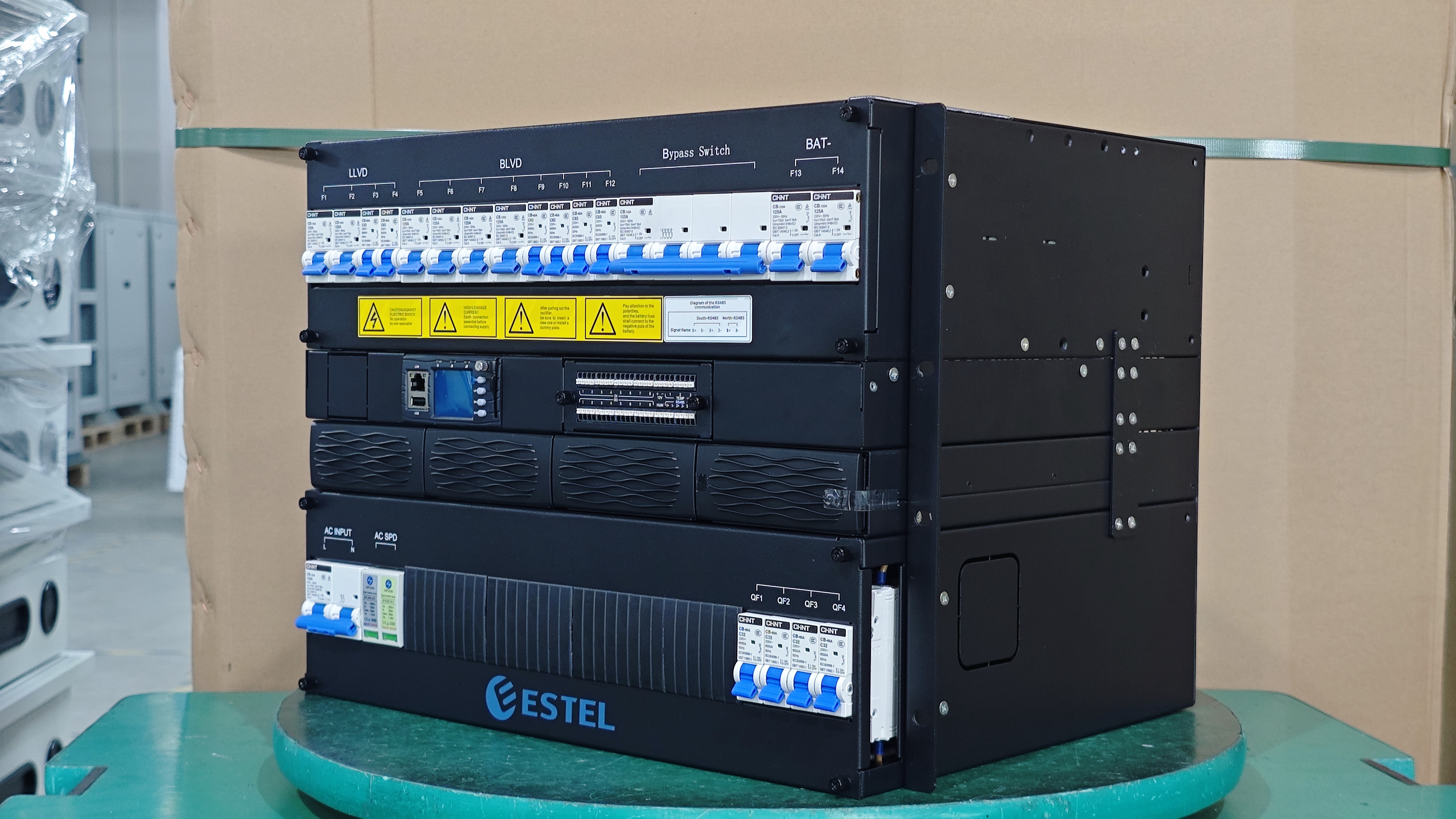
Modular Architecture in Telecom Power System
You want your network to grow as your business expands. Modular architecture gives you the flexibility to add or remove power modules based on your needs. Each module works independently, so you can upgrade your Telecom Power System without interrupting service. This approach supports the growth of 5G and IoT technologies, letting you scale capacity step by step. You avoid large upfront costs because you only invest in upgrades when your project reaches new milestones.
Modular architecture allows you to expand your Telecom Power System easily.
You can add or remove modules as your network changes.
Each module operates on its own, which increases reliability.
Incremental upgrades help you manage costs over time.
ESTEL’s modular designs make it simple to deploy new equipment and keep your network running smoothly. You get a system that adapts to your business, not the other way around.
Plug-and-Play and Remote Management
Plug-and-play features save you time and reduce the need for specialized skills. You can install new modules quickly, often without advanced technical training. Pre-terminated cables and simplified wiring mean you spend less time on setup and avoid complex tasks like fusion splicing. Real-time monitoring lets you track system performance and respond to issues faster.
Here is how plug-and-play and remote management improve your operations:
Benefit | Improvement Percentage |
|---|---|
Reliability | 25% |
Maintenance response times | 40% |
Reduction in unintentional outages | 15% |
Energy efficiency increase | 20% |
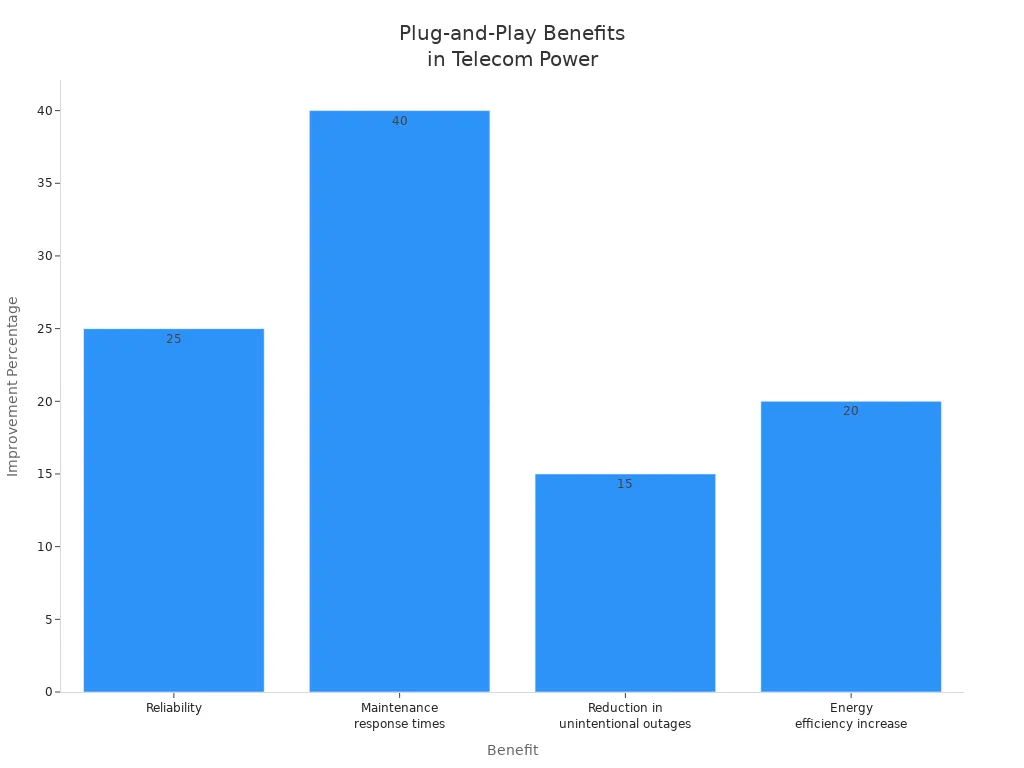
You gain better control over your Telecom Power System. Remote management tools let you monitor and adjust settings from anywhere. This means you can respond to problems quickly and keep your network running efficiently.
Standardization and Integration
Standardization ensures that your equipment works together seamlessly. When you use systems built to common standards, you can integrate new technologies without major changes. ESTEL designs its products to fit standard 19-inch racks and cabinets, making upgrades and replacements straightforward.
Standard | Description |
|---|---|
EMerge Alliance Standards | Focus on creating standards for DC and hybrid AC/DC microgrids to enhance energy networks. |
IEEE P1547.4 | Provides guidelines for the design and operation of Intentional Island Systems and their interoperability with Electric Power Systems. |
The EMerge Alliance’s Interoperability Data Model Standard gives you a common language for electrical equipment.
IEEE P1547.4 helps your system connect and disconnect from other power networks, adding flexibility.
Seamless integration means you can add new modules or upgrade your Telecom Power System with minimal disruption. You keep your network adaptable and ready for future advancements.
Tip: When you choose standardized and integrated solutions, you make your network easier to manage and upgrade. This approach supports rapid scalability and high availability.
Key Design Principles Table
Description | |
|---|---|
Integration | Combines multiple components into a single package, enhancing reliability and flexibility. |
Efficiency | Minimizes losses for high efficiency across load conditions, adhering to energy standards. |
Thermal Management | Ensures operation within safety limits across various environments, utilizing effective thermal designs. |
Protection Features | Includes safeguards against overcurrent, overvoltage, and overtemperature. |
Parallel Operation | Supports redundancy and increases reliability and power output for critical applications. |
Flexible design principles let you scale your Telecom Power System on demand. You get high availability, resilience, and operational efficiency. Automated processes and data-driven insights help you optimize costs and improve performance. Security features protect your resources, while modular solutions allow for quick upgrades and deployment.
You benefit from a system that grows with your business, integrates smoothly with existing infrastructure, and delivers reliable service every day.
Operational Benefits
Rapid Deployment and Downtime Reduction
You want your network to stay online and ready for new demands. Flexible expansion design lets you deploy new equipment quickly. You do not need to wait for specialized teams or long installation processes. The rapid deployment of wireless monitoring solutions allows for quick installation, which significantly reduces downtime in telecom power systems. This approach minimizes disruptions and gives you immediate access to important data. You can keep your services running and respond to changes without delay.
Maintenance and Futureproofing
You need a system that is easy to maintain and ready for the future. Flexible expansion design supports both goals. The table below shows how key features help you keep your network strong and up to date:
Aspect | Contribution to Maintenance Efficiency and Futureproofing |
|---|---|
Modularity | Enables easy upgrades and integration of new technologies, reducing the need for extensive overhauls and minimizing downtime. |
Scalability | Allows for incremental capacity addition, responding to traffic demands without major capital investment. |
Intelligent Monitoring | Provides real-time insights for proactive maintenance, enhancing operational efficiency and supporting network evolution. |
You can upgrade your Telecom Power System step by step. You avoid large overhauls and keep your network ready for new technologies. Real-time monitoring helps you spot issues early, so you can fix them before they cause problems.
Cost Efficiency for Telecom Operators
You want to control costs as your business grows. Flexible expansion design helps you do that. Operators often report several key benefits:
You can manage connectivity in-house, which improves efficiency and avoids hidden costs from outside providers.
You scale your services as your portfolio grows, so you do not pay for unused capacity.
You customize your network to meet subscriber needs, which improves service quality.
You find more cost-effective solutions, especially when serving remote areas.
Flexible expansion also brings measurable improvements. Local real-time processing reduces latency to as little as 1 to 10 milliseconds. Edge computing cuts bandwidth use and lowers network costs. These features make your Telecom Power System reliable, scalable, and cost-effective.
Overcoming Fixed-Capacity Challenges
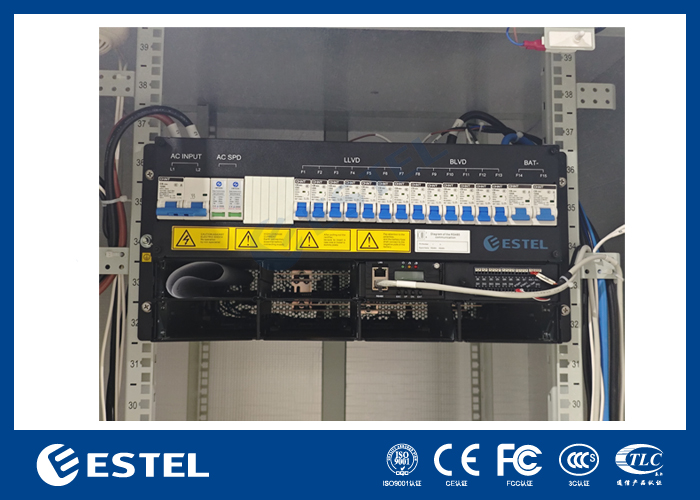
Limitations of Traditional Systems
You may notice that traditional telecom power setups often struggle to keep up with business growth. These systems usually have a fixed capacity. When your network grows, you face several challenges:
You cannot easily add more power without replacing large parts of your system.
Upgrades often require long downtimes, which can disrupt your service.
Maintenance becomes complex because each upgrade may need custom solutions.
You may end up paying for unused capacity or face shortages during peak demand.
A fixed-capacity approach limits your ability to respond to new technologies and changing customer needs. You might find it hard to support new sites or services without major investments. This lack of flexibility can slow down your business and increase operational risks.
Note: Traditional systems often force you to choose between overbuilding for future needs or risking service interruptions as your network grows.
How Flexible Expansion Solves These Issues
You can overcome these challenges by choosing a flexible expansion design for your Telecom Power System. This approach gives you several advantages:
Modular design lets you add or remove power modules as your needs change. You do not need to replace the entire system.
You can add new outlets and configurations without causing service disruptions. This keeps your network reliable.
Remote monitoring and automated power management help you detect problems early. You can make adjustments before issues affect your service.
The table below shows how flexible expansion compares to traditional systems:
Feature | Traditional System | Flexible Expansion Design |
|---|---|---|
Scalability | Low | High |
Downtime During Upgrades | High | Minimal |
Maintenance Complexity | High | Low |
Cost Efficiency | Low | High |
Reliability | Moderate | High |
With flexible expansion, you can scale your power system step by step. You avoid large upfront costs and reduce downtime. Your network stays reliable, and you can support new business opportunities with confidence.
Implementation Strategies with ESTEL
Planning Upgrades for Telecom Power System
You should start by creating a clear plan for upgrading your Telecom Power System. Begin with regular inspections of batteries and rectifiers. Check for signs of wear or corrosion and make sure all components are clean. Test the rectifiers to confirm they deliver efficient output. Update your monitoring software to keep your system reliable. Schedule professional inspections each year for a thorough review.
Schedule regular checks to verify load balancing.
Perform routine maintenance and keep components clean.
Plan for future growth by monitoring usage metrics.
Choose modular power distribution units for easy upgrades.
Organize and label cables for better airflow and quick identification.
When you select ESTEL products, you get tailored solutions that fit your business needs. Their modular designs make it easy to add smart features as your network grows.
Integrating ESTEL Solutions
You can improve your network by integrating ESTEL solutions. Automation helps you optimize load balancing and cooling, which reduces downtime and energy waste. Remote monitoring with cloud-based tools lets you respond to issues faster. Sensors help you manage cooling and prevent equipment failure. AI-driven capacity planning supports dynamic power management and sustainable operations.
Improvement Type | Description | Impact |
|---|---|---|
Optimize power and cooling systems | Reduces downtime, saves energy | |
Remote Monitoring | Cloud-based AI for maintenance | Improves efficiency |
Environmental Integration | Sensors for proactive cooling | Prevents equipment failure |
Capacity Planning | AI for workload optimization | Supports sustainability |
Major telecom operators have reduced their equipment footprint and improved backup time with ESTEL’s intelligent solutions.
Best Practices for Deployment
Follow these best practices to ensure a smooth deployment:
Assess cabinet space and layout for optimal power distribution.
Use insulated tools to protect against electrical hazards.
Keep the installation area clean and dry.
Plan your network by estimating capacity and redundancy needs.
Check compatibility between all devices.
Prepare the site with proper racks and cooling.
Select equipment that matches your scenario.
Install and ground racks securely.
Configure redundant power supplies.
Update software and set up security controls.
ESTEL provides training resources, expert consultation, and proactive alerts to support your deployment. You gain long-term value with energy efficiency up to 97.8%, reduced downtime, and lower maintenance costs.
Tip: A well-planned and properly integrated Telecom Power System ensures reliable service and supports your business growth.
Flexible expansion design gives you the power to scale your telecom network efficiently. ESTEL stands out with reliable, energy-efficient solutions that adapt to your needs.
Description | |
|---|---|
Uninterrupted Power | Keeps your network running during outages |
Extreme Condition Resilience | Performs in harsh environments |
Advanced Monitoring | Detects issues early for quick action |
Energy Efficiency | Reduces costs with advanced rectifiers |
Instant Backup Activation | Protects data and connectivity |
Scalability | Grows with your business |
To future-proof your infrastructure, follow these steps:
Assess your current system for inefficiencies.
Design a roadmap for upgrades.
Choose solutions that match your needs.
Plan for future growth.
Take time to review your power system. Flexible upgrades with ESTEL help you stay ready for tomorrow’s demands.
FAQ
What is a modular telecom power system?
You can expand a modular telecom power system by adding or removing power modules. This design lets you scale your network as your business grows. You avoid large upfront investments and keep your system flexible.
How does remote monitoring help you manage your power system?
Remote monitoring gives you real-time data. You can track performance, spot issues early, and make quick adjustments. This helps you reduce downtime and improve reliability.
Can you upgrade your ESTEL power system without shutting down your network?
Yes, you can. ESTEL’s modular design allows you to add or replace modules while your network stays online. You keep your services running and avoid costly interruptions.
What are the main benefits of using ESTEL’s flexible expansion design?
Benefit | Description |
|---|---|
Scalability | You grow your system as needed |
Cost Efficiency | You avoid paying for unused power |
Reliability | You reduce risk of outages |
Easy Maintenance | You replace parts quickly |
Tip: Regularly check your system’s status to catch problems early and keep your network strong.
See Also
Key Aspects of Power Supply Features in Telecom Systems
Ensuring Consistent Power Supply for Telecom Cabinet Reliability
Solar Energy Storage Solutions for Telecom Cabinet Applications
CALL US DIRECTLY
86-13752765943
3A-8, SHUIWAN 1979 SQUARE (PHASE II), NO.111, TAIZI ROAD,SHUIWAN COMMUNITY, ZHAOSHANG STREET, NANSHAN DISTRICT, SHENZHEN, GUANGDONG, CHINA
