A Guide to Integrating Renewable Energy into Hybrid Telecom Power Systems

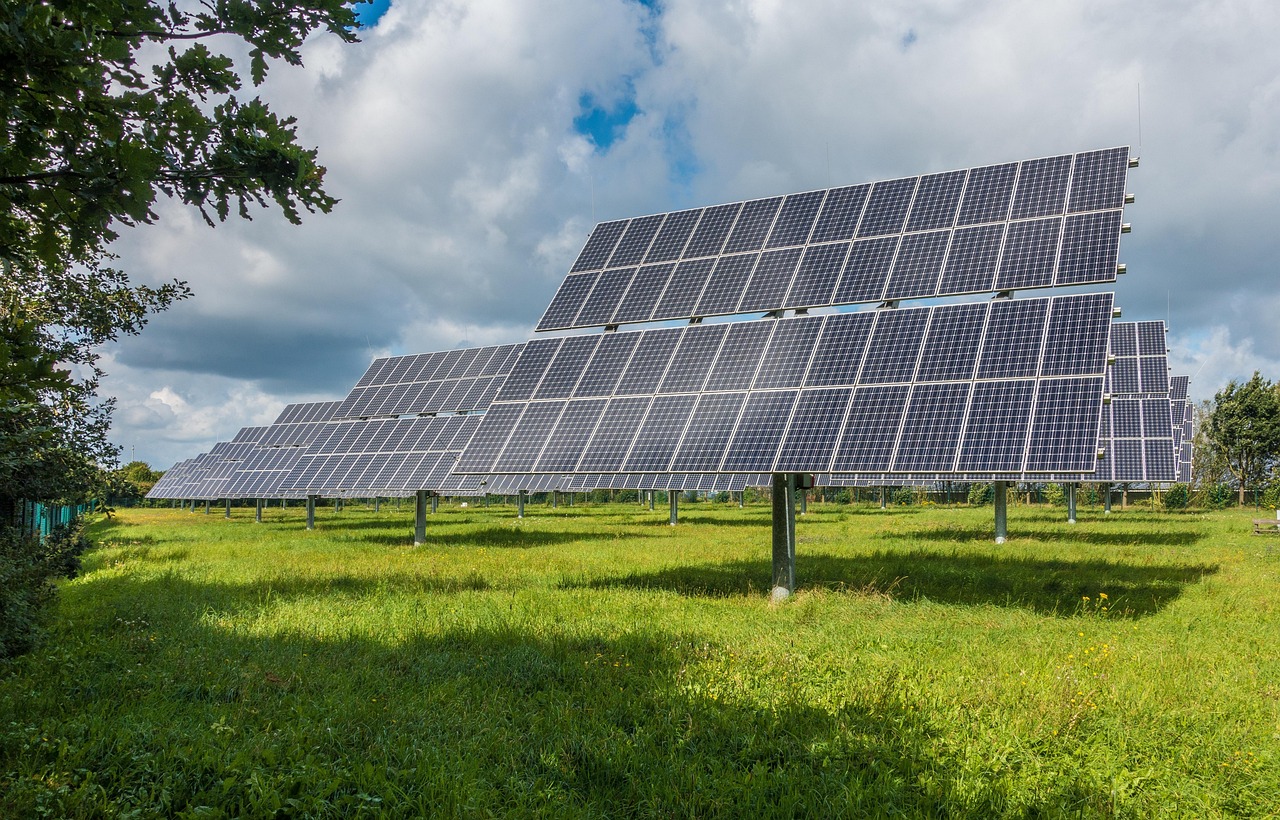
Telecom operations require reliable power to support expanding networks and increased data traffic. Many operators now source more renewable energy than their local markets, showing strong commitment to sustainability. The adoption of renewable energy in Hybrid Telecom Power systems improves grid resilience and enables businesses to reduce costs while meeting carbon targets. Battery innovations and inverter systems help maintain stable power during outages. Brands like ESTEL deliver advanced solutions that address both reliability and environmental goals. Integrating renewables into telecom power systems brings opportunities, but also demands careful planning and the right technology partners.
Key Takeaways
Hybrid telecom power systems combine renewable energy sources like solar and wind with batteries for reliable service.
Integrating renewables can cut operational costs by up to 30% and reduce carbon emissions significantly.
Regular maintenance and smart monitoring are essential for maximizing the efficiency and lifespan of hybrid systems.
Choosing the right technology partner, like ESTEL, ensures access to quality components and expert support for successful integration.
A thorough site assessment helps tailor renewable solutions to meet specific energy needs and optimize performance.
Hybrid Telecom Power Overview
System Structure and Key Features
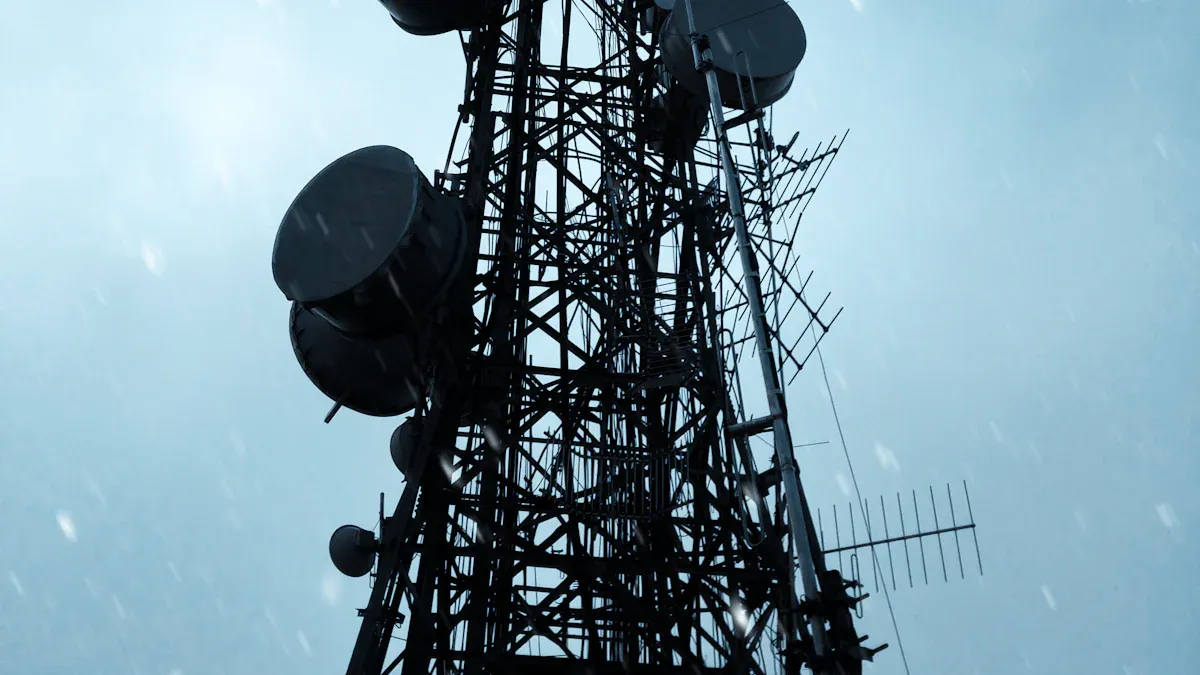
Hybrid telecom power systems combine different sources of energy to deliver reliable service. These systems support telecom networks in both urban and remote locations. The main types of hybrid systems used in the industry include grid-tied setups with battery backup, off-grid solutions, diesel generator hybrids, and multi-source configurations. The table below outlines these types:
Type of Hybrid System | Description |
|---|---|
Grid-Tied Hybrid Systems with Battery Backup | Connected to the utility grid, these systems use batteries and solar energy for continuous power supply. |
Off-Grid Hybrid Systems | Designed for remote areas, these systems rely on solar panels, batteries, and sometimes other renewables. |
Hybrid Systems with Diesel Generators | Combine solar panels and diesel generators to ensure power during low solar output or high demand. |
Multi-Source Hybrid Systems | Integrate solar, wind, batteries, and grid connections for maximum reliability and efficiency. |
Key components of these systems include solar panels, battery storage, diesel generators, and hybrid controllers. Solar panels generate clean energy during the day. Battery storage keeps excess energy for use at night or during cloudy weather. Diesel generators act as a backup when renewable energy is low. Hybrid controllers manage the flow of power and allow remote monitoring.
Advanced hybrid systems offer several features that set them apart from traditional setups:
AREP-enabled alternators improve reliability.
Modular designs allow easy upgrades.
Real-time monitoring can save up to 30% in energy use.
Integration of renewable sources reduces energy consumption by 18.2% and CO₂ emissions by 15.6%.
Role of Renewable Energy
Renewable energy plays a vital role in modern telecom power systems. These systems use solar panels, batteries, and backup generators to ensure a stable energy supply. By using renewable energy, telecom operators reduce their reliance on fossil fuels and lower their carbon footprint. Batteries store extra energy, providing backup during periods of low production.
Solar-powered telecom sites can cut CO₂ emissions by up to 55%. As 5G technology spreads, this reduction could reach 58%. Renewable energy also helps operators lower operational costs. For example, solar integration can reduce grid electricity costs by up to 30% and diesel use by as much as 70%. These savings make hybrid systems both sustainable and cost-effective for the telecom industry.
Core Energy Components
Solar Power Solutions
Solar power solutions form the backbone of many hybrid telecom systems. Photovoltaic panels generate clean energy for off-grid telecom towers, reducing operational costs and supporting sustainability. These systems use MPPT controllers to regulate voltage and protect batteries, which enhances reliability. Battery storage ensures uninterrupted power supply during non-sunny periods. Solar power not only lowers carbon emissions but also improves uptime for telecom networks.
Battery Chemistry | Key Characteristics | Typical Use in Telecom Solar Power Storage | Lifespan / Cycle Life Notes |
|---|---|---|---|
Lithium Manganese Oxide (LMO) | Fast charging, high current discharge | Short backup times in UPS | Longer life with NMC mix |
Lithium Nickel Manganese Cobalt Oxide (NMC) | High specific energy, versatile | Mission critical UPS, grid-interactive storage | Lifespan varies by use |
Lithium Iron Phosphate (LFP) | Cost-effective, safe, long-lasting | Common in telecom energy storage | High cycle life, safer |
Solar energy storage systems help telecom operators maintain service even during power interruptions. These solutions support both cost savings and environmental goals.
Wind Energy Options
Wind energy options provide a valuable supplement to solar in hybrid telecom systems. Wind turbines, such as the Murb Wind Turbine, work well at high elevation sites with strong wind resources. Operators often combine wind and solar for loads between 50-300 watts, creating a reliable hybrid system. For larger loads, adding a backup generator increases cost-effectiveness. Wind turbines should be installed away from turbulent areas to maximize energy production.
Wind energy reduces operational costs and diesel dependency.
It supports sustainability and enhances energy independence.
Hybrid systems with wind and solar deliver consistent power for remote telecom sites.
Energy Storage Systems
Energy storage systems play a critical role in hybrid telecom power systems. Lithium-ion batteries, especially lithium iron phosphate, have replaced lead-acid batteries due to higher energy density, longer lifespan, and faster charging. These batteries operate across a wide temperature range, making them ideal for remote telecom sites.
Feature | Description |
|---|---|
High Efficiency | ENCAP modules achieve around 99.1% round-trip efficiency, maximizing energy utilization. |
Zero Maintenance | No chemical degradation means no service or replacements are needed. |
Ultra Long Lifespan | ENCAP lasts over 500,000 charge-discharge cycles, far exceeding traditional batteries. |
Superior Temperature Resistance | Operates efficiently in extreme weather without performance degradation. |
Instant Power Availability | Provides near-instant energy response, ensuring seamless power for telecom towers. |
Sustainable Option | Eliminates toxic materials, making it an eco-friendly choice for telecom infrastructure. |
Batteries provide backup power during outages, stabilize voltage, and support different network scenarios. Energy storage systems buffer excess renewable energy, reducing diesel generator runtime and lowering emissions.
Power Management Units
Power management units ensure efficient operation of hybrid telecom systems. These units offer intelligent battery management, including protection and capacity calculation. Operators can monitor systems remotely using multi-channel serial ports and network interfaces.
Power management units provide real-time monitoring, automatic voltage regulation, and online battery testing. These features help optimize energy use and extend battery life.
Advanced power management units enable remote adjustments and high-precision energy metering. This leads to better decision-making and improved energy efficiency for telecom operations.
Renewable Energy Integration Steps

Site Assessment
Telecom operators begin renewable energy integration with a thorough site assessment. This process ensures that hybrid renewable systems meet the unique demands of each telecom location. The assessment involves several key steps:
Evaluate the energy and power requirements of the telecom infrastructure.
Design the system layout to support efficient energy flow.
Check compatibility of components, including solar panels and batteries.
Install solar panels and position them for maximum sunlight exposure.
Implement safety measures during installation to protect equipment and personnel.
Schedule regular maintenance for batteries and other storage devices.
Monitor system efficiency and performance to ensure reliable operation.
A detailed site assessment helps operators select the right off-grid power solutions and optimize renewable integration. ESTEL’s experts use advanced tools to analyze site conditions, ensuring that each system delivers maximum energy output and reliability.
System Design and Sizing
System design and sizing play a crucial role in the success of renewable energy systems for telecom applications. Engineers consider several factors to create a balanced and efficient solution:
Load analysis determines the total power demand of the telecom site.
PV sizing calculates the number of solar panels needed for consistent energy supply.
Storage sizing ensures that batteries can store enough energy for off-grid operation.
Integration strategies define how renewable sources work together with backup systems.
Environmental conditions, such as temperature and sunlight, affect system performance.
Future expansion needs allow for scalability as network demands grow.
Installation constraints, including available space and site accessibility, influence design choices.
Maintenance considerations help reduce downtime and extend system life.
Redundancy configurations provide backup in case of component failure.
Voltage and current requirements ensure compatibility with telecom equipment.
ESTEL’s design team uses these criteria to develop hybrid renewable systems that support both sustainability and operational efficiency. Their solutions address the unique challenges of off-grid and grid-connected telecom sites.
Component Selection
Selecting the right components is essential for effective renewable energy integration in telecom power systems. Operators evaluate each option based on several criteria:
Criteria | Description |
|---|---|
Cost of installation | The initial expense involved in setting up the storage system. |
Cost of maintenance | Ongoing costs associated with maintaining the storage medium. |
Environmental impact | The ecological consequences resulting from the storage solution. |
Storage technology | The type of technology used for energy storage, which is critical for implementation decisions. |
Cost per kWh for commercialization | The price of energy storage per kilowatt-hour for market sale, influencing economic viability. |
Engineers compare different storage technologies, such as lithium-ion batteries and large-scale energy storage systems, to find the best fit for each telecom site. They also consider the environmental impact of each solution to support sustainability goals. ESTEL offers a wide range of components designed for seamless renewable integration, ensuring that each system meets strict performance and reliability standards.
Installation and Commissioning
Proper installation and commissioning ensure that hybrid renewable systems operate safely and efficiently. Operators follow best practices throughout the process:
Site preparation removes obstacles that block sunlight and stabilizes the installation area.
Mounting structures use durable, adjustable mounts to achieve optimal solar panel tilt.
Panel installation places solar panels correctly and connects them according to system requirements.
Battery and inverter setup installs batteries with charge controllers and inverters for energy regulation and conversion.
Wiring and connections use high-quality, weatherproof cables and secure all connections.
Testing and commissioning verify system performance and resolve any issues before final approval.
ESTEL’s technical teams oversee each step, using advanced monitoring tools to ensure that renewable energy systems deliver reliable power for telecom operations. Their solutions support both off-grid and grid-connected sites, providing robust off-grid power solutions for remote locations.
Tip: Regular monitoring and maintenance after commissioning help maintain high system efficiency and extend the lifespan of batteries and other storage components.
By following these steps, telecom operators achieve successful renewable integration, reduce operational costs, and improve network reliability.
Operational Strategies for Hybrid Systems
Monitoring and Remote Management
Smart grid technologies play a key role in modern telecom systems. Operators use advanced monitoring and remote management tools to maintain reliable energy supply. These systems help manage variable renewable energy sources and ensure consistent power for telecom networks.
Real-time monitoring tracks power generation, battery levels, and energy consumption. Operators receive alerts for faults or low power levels, which helps prevent equipment failure.
Management capabilities allow remote adjustments to settings, control of power distribution, and rebooting of equipment without sending technicians to the site.
These features support high uptime and reduce operational costs. Remote management also enables quick responses to changes in energy production from renewable energy sources.
Maintenance Practices
Regular maintenance ensures that hybrid telecom power systems operate efficiently and last longer. Operators follow a structured schedule to inspect and service equipment. The table below outlines recommended practices:
Inspection Frequency | Typical Tasks | Statistical/Standard Support |
|---|---|---|
Monthly | Visual checks, DC float voltage/current measurement, environmental condition assessment, battery charger output recording, corrosion and leakage inspection, ambient temperature measurement, battery room safety checks | IEEE recommends at least monthly general inspections under normal float charge conditions; statistical data supports reliability improvement with this frequency |
Quarterly | All monthly tasks plus detailed cell voltage measurements, specific gravity checks (for lead-antimony), internal ohmic measurements, electrolyte temperature measurements | Quarterly inspections augment monthly checks to detect early degradation; supported by IEEE recommended practices and trending data |
Semiannual | Monthly tasks plus all cell voltage measurements | Semiannual inspections for NiCd cells help monitor voltage trends; supported by IEEE and practical experience |
Annual | Comprehensive visual inspection, connection resistance measurements, structural integrity checks, capacity testing recommendations | Annual inspections are the most thorough, including capacity testing and connection resistance; statistical data supports replacement decisions based on capacity thresholds |
Consistent maintenance reduces the risk of unexpected power loss and supports the integration of renewable energy into telecom systems.
Performance Optimization
Operators use several strategies to optimize the performance of hybrid telecom power systems. They focus on energy management and reliability, especially when renewable energy sources fluctuate.
The study presented an optimized power supply system for Base Transceiver Station (BTS) units, emphasizing the use of Proton Exchange Membrane Fuel Cells (PEMFCs) due to their high efficiency and environmentally friendly nature. The implementation of an improved war strategy optimization-based proportional-integral (PI) controller allowed for seamless integration of PEMFCs, effectively regulating output voltage and ensuring stable power delivery. The comparative analysis demonstrated the proposed system's superiority over existing techniques, showcasing benefits in efficiency, reliability, and cost-effectiveness, which are crucial for optimizing hybrid telecom power systems.
Smart controllers and advanced algorithms help balance energy supply and demand. These tools ensure that telecom networks remain stable, even when renewable energy output changes. Operators achieve high reliability and uptime by combining real-time data, regular maintenance, and optimized control systems.
Benefits of Renewable Energy in Telecom
Cost Savings and ROI
Telecom operators see significant financial advantages when they adopt renewable energy solutions. Modern rectifiers combined with renewable energy can reduce cumulative cash flow by nearly 75% for telecom networks. The market for DC rectifiers continues to grow, showing strong economic value. Operators also benefit from long-term cost savings, even though the initial investment for clean energy systems may be high. Many companies use AI technologies to balance sustainability with profitability, which improves return on investment. Government incentives further enhance the financial outlook for telecom operators who choose renewable energy solutions.
Integrating renewable energy leads to long-term cost savings.
AI helps optimize energy management systems for better profitability.
Many telecom companies track energy usage to improve sustainability.
Clean energy solutions support a cleaner energy future and lower operational costs.
Key Point | Description |
|---|---|
Initial Investment | Transitioning to renewable energy requires substantial capital investment. |
Long-term Savings | Operational cost savings enhance ROI over time. |
Government Incentives | Incentives improve the financial outlook for telecom operators. |
Environmental Impact
Renewable energy sources such as solar and wind help telecom companies lower their carbon footprint. By switching from conventional energy to clean energy, operators reduce greenhouse gas emissions. This shift supports environmental sustainability and helps combat climate change. Green technologies also improve operational efficiency and lead to cost savings. Telecom networks that use clean energy solutions contribute to a cleaner energy future.
Renewable energy reduces carbon emissions.
Clean energy supports environmental sustainability.
Green technologies improve efficiency and save costs.
Telecom operators help fight climate change by using renewable energy.
Clean energy solutions make telecom systems more sustainable.
Reliability and Uptime
Renewable energy integration strengthens the reliability and uptime of telecom power systems. These systems become more resilient by using alternative energy sources during outages. Upgrading to certified power supplies and using dynamic power saving techniques increases energy efficiency. AI and machine learning enable real-time monitoring and predictive maintenance, which improves fault detection and optimizes power distribution. Telecom operators achieve higher network reliability and consistent service with advanced energy solutions.
Evidence Description | Impact on Reliability and Uptime |
|---|---|
Integration of renewable energy sources ensures infrastructure resilience and sustainability. | Enhances overall system reliability by providing alternative power sources during outages. |
Upgrading to 80Plus certified power supplies and implementing dynamic power saving techniques. | Increases energy efficiency, which contributes to system uptime and reliability. |
Use of AI and machine learning for real-time monitoring and predictive maintenance. | Improves fault detection and optimizes power distribution, leading to enhanced network reliability. |
Tip: Reliable energy solutions help telecom operators maintain high uptime and deliver uninterrupted service, even in remote areas.
Challenges and Solutions
Technical Barriers
Telecom operators face several technical barriers when integrating renewable energy into hybrid power systems.
Intermittency of renewables creates challenges because solar and wind energy fluctuate throughout the day. Operators must use backup solutions to maintain stable power.
System complexity increases as teams manage multiple energy sources, storage systems, and advanced control units.
Grid integration can present technical and regulatory hurdles, especially when connecting hybrid systems to existing infrastructure.
Energy storage technologies play a crucial role. Limitations in energy density, lifespan, and cost can affect the performance of hybrid energy systems.
Microgrids help address some of these challenges by allowing operators to manage distributed energy sources more efficiently. They also support the reduction of emissions by optimizing the use of renewables.
Financial and Regulatory Issues
Challenge | Description |
|---|---|
Rising Energy Costs | Telecom operators are facing increased energy costs, which have outpaced sales growth by over 50%. |
Upfront Investment | Significant initial investments are required for upgrading equipment and implementing renewable energy systems. |
Internal Resistance to Change | There is often organizational reluctance to adopt new practices, hindering the transition to renewable energy. |
Operators also encounter inconsistent regulatory frameworks that slow the adoption of green initiatives. Many regions lack specific sustainability mandates in their telecommunications laws. Voluntary guidelines from industry groups often leave operators without enforcement mechanisms. Smaller companies may struggle to cover the high upfront costs, even though long-term savings are possible. Incentives such as tax breaks and government subsidies remain underutilized.
Microgrids can help reduce financial risks by enabling phased investments and supporting energy independence. They also help operators meet emissions targets more effectively.
Overcoming Challenges with ESTEL
ESTEL provides advanced solutions that help telecom operators overcome both technical and financial barriers. Their hybrid power systems use intelligent controllers to manage the intermittency of renewables and optimize energy storage. ESTEL’s microgrids offer modular designs, making it easier for operators to scale their systems as network demands grow. The company’s expertise in grid integration ensures smooth connections between hybrid systems and existing infrastructure.
ESTEL also assists operators in navigating regulatory requirements and securing available incentives. Their solutions help reduce emissions and support reliable telecom services, even in remote or off-grid locations.
Actionable Recommendations
Key Steps for Success
Telecom operators can achieve successful renewable energy integration by following a clear set of steps. These steps help ensure reliable power, cost savings, and environmental benefits.
Assess Site Needs
Operators should start with a detailed analysis of energy requirements and local renewable resources. This step helps identify the best mix of solar, wind, and storage solutions.Design for Flexibility
Flexible system designs allow for future upgrades. Modular components make it easier to expand capacity as network demands grow.Select Quality Components
High-quality solar panels, batteries, and controllers improve system reliability. Operators should choose components with proven performance in telecom environments.Implement Smart Monitoring
Real-time monitoring systems track energy production and usage. These tools help operators detect issues early and optimize performance.Schedule Regular Maintenance
Routine inspections and maintenance keep systems running efficiently. Operators should follow manufacturer guidelines for best results.
Tip: Operators who document each step and track system data can identify trends and make informed decisions for future projects.
Choosing Technology Partners
Selecting the right technology partner plays a critical role in project success. Reliable partners provide expertise, support, and advanced solutions.
Criteria | What to Look For |
|---|---|
Industry Experience | Proven track record in telecom power systems |
Product Quality | Certified, durable, and efficient components |
Technical Support | Responsive service and training for staff |
Innovation | Advanced features like remote monitoring |
Regulatory Knowledge | Guidance on compliance and incentives |
ESTEL stands out as a trusted partner. The company offers tailored hybrid power solutions, expert guidance, and ongoing support. Operators who work with experienced partners like ESTEL can achieve reliable, sustainable, and cost-effective telecom power systems.
Hybrid telecom power systems transform telecom towers by providing reliable energy for remote base stations. Operators follow clear steps to integrate renewable energy into hybrid telecom power. They assess site needs, design flexible hybrid telecom power setups, and select quality components for telecom towers. Regular maintenance ensures hybrid telecom power supports remote base stations with high uptime. ESTEL helps operators overcome challenges in hybrid telecom power, making telecom towers at remote base stations more sustainable. Telecom leaders should consult experts to achieve efficient hybrid telecom power for all remote base stations.
FAQ
What is a hybrid telecom power system?
A hybrid telecom power system uses multiple energy sources, such as solar, wind, batteries, and sometimes diesel generators. This setup ensures reliable power for telecom sites, especially in remote or off-grid locations.
Why should telecom operators use renewable energy?
Operators use renewable energy to lower operational costs and reduce carbon emissions. Solar and wind power help telecom networks become more sustainable and less dependent on fossil fuels.
How does ESTEL support renewable integration?
ESTEL provides advanced hybrid power solutions. Their systems include intelligent controllers, modular designs, and expert support. These features help operators manage renewable energy and maintain reliable telecom service.
What maintenance do hybrid systems require?
Operators should perform regular inspections, battery checks, and system monitoring. Routine maintenance helps prevent failures and extends equipment life. Following manufacturer guidelines ensures optimal performance.
Can hybrid systems work in extreme weather?
Hybrid telecom power systems with quality components, like those from ESTEL, operate efficiently in harsh conditions. Proper design and installation protect equipment from temperature extremes, wind, and moisture.
See Also
Essential Insights Into Telecom Power Supply Systems For Beginners
Telecom Cabinets: Utilizing Photovoltaic Energy Storage Solutions
Integrating Grid-Connected Inverters and Batteries in Telecom Cabinets
Key Features of Telecom Power Supply Systems You Should Know
Calculating Power Systems and Batteries for Telecom Cabinets
CALL US DIRECTLY
86-13752765943
3A-8, SHUIWAN 1979 SQUARE (PHASE II), NO.111, TAIZI ROAD,SHUIWAN COMMUNITY, ZHAOSHANG STREET, NANSHAN DISTRICT, SHENZHEN, GUANGDONG, CHINA
