IP55, temperature, and cooling for outdoor telecom rectifiers

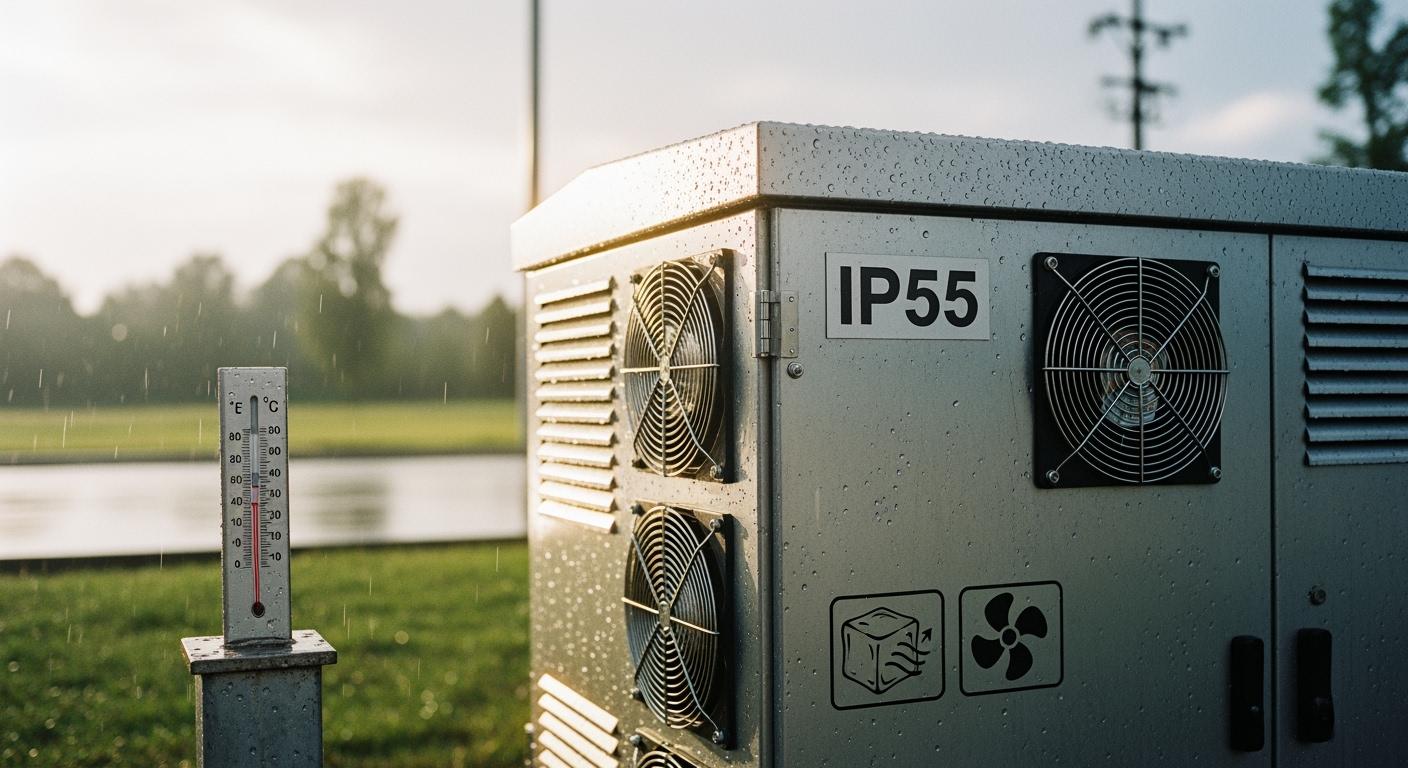
You face real challenges when you deploy telecom equipment outdoors. Dust, water, and extreme temperatures can damage sensitive electronics and shorten their lifespan. Without proper protection and cooling, your Telecom Rectifier System may fail, causing costly downtime. ESTEL designs advanced solutions that help you keep your network running smoothly—even in harsh environments. Reliable infrastructure starts with the right technology and safeguards.
Key Takeaways
IP55 protection is essential for outdoor telecom equipment. It guards against dust and low-pressure water jets, ensuring reliable operation in various environments.
Temperature management is crucial. Keep outdoor telecom equipment within the optimal range of -40°C to +55°C to prevent overheating and extend lifespan.
Choose the right cooling method. Passive cooling works for mild climates, while active cooling is necessary for hot conditions or high-power systems.
Regular monitoring and maintenance are key. Inspect equipment, clean dust, and test components to avoid unexpected failures and ensure smooth operation.
Select cooling systems that integrate well with IP55 cabinets. This combination protects against environmental threats while managing heat effectively.
IP55 Protection for Outdoor Rectifiers
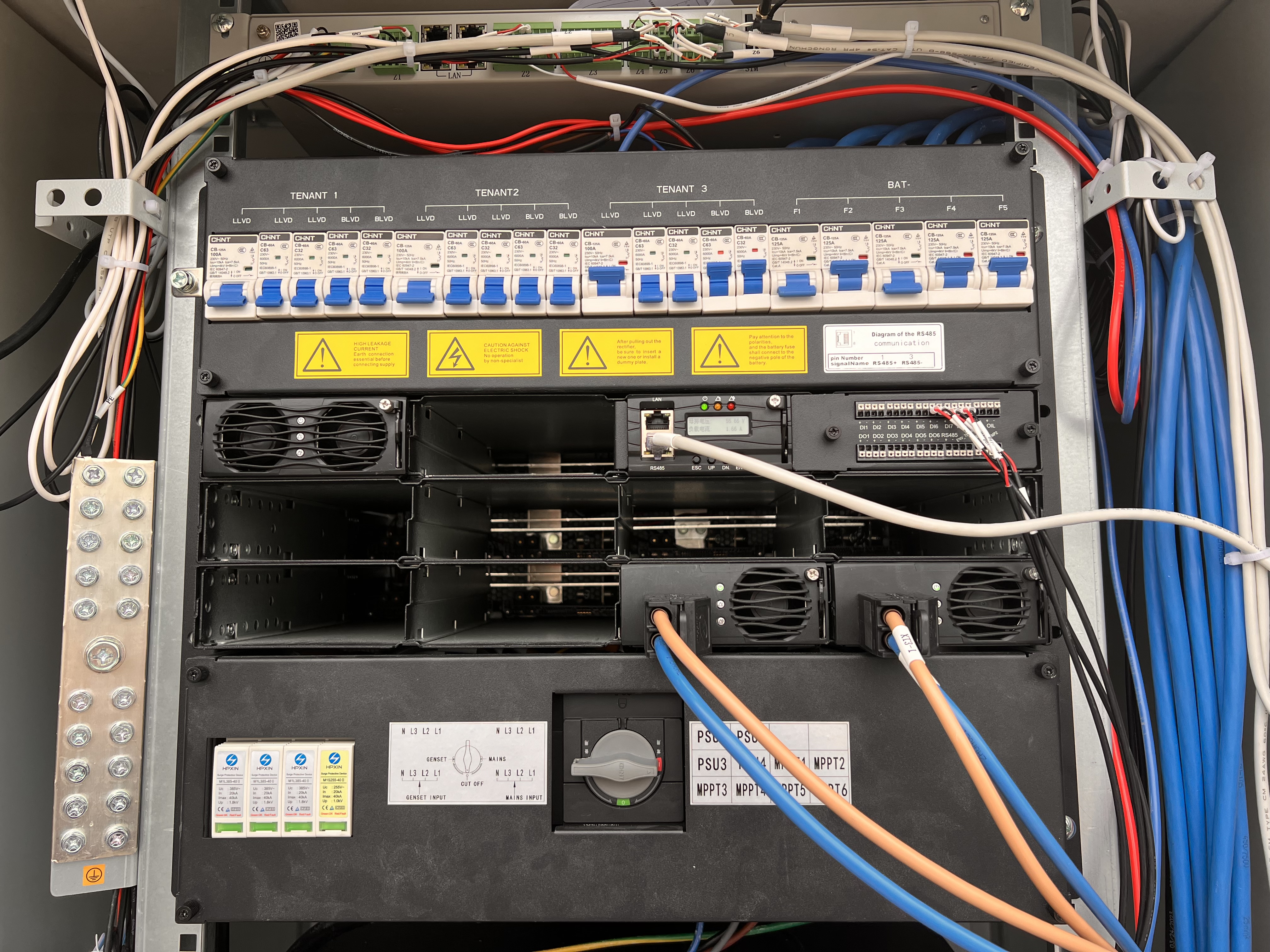
What IP55 Means
When you choose outdoor equipment, you often see an IP rating. IP stands for "Ingress Protection." The first digit shows how well the enclosure keeps out dust. The second digit shows how well it keeps out water. An IP55 rating means your equipment has limited protection against dust and can resist low-pressure water jets from any direction. This level of protection is important for outdoor telecom sites, where weather and dust can threaten sensitive electronics.
Here is a quick comparison of common IP ratings:
IP Rating | Dust Protection | Water Resistance |
|---|---|---|
IP55 | Limited dust protection | Protection against low-pressure water jets |
IP65 | Complete dust protection | Stronger resistance to rain |
Dust and Water Resistance
You need to protect your Telecom Rectifier System from dust and water to avoid failures. Dust can build up inside the cabinet and cause overheating or short circuits. Water can damage electrical parts and lead to corrosion. With IP55, your equipment stays safe in outdoor areas with some shelter or in factory environments with little dust. If you work in a place with heavy dust or high humidity, you might need a higher rating like IP65.
IP Rating | Suitable Environments |
|---|---|
IP55 | Outdoor areas with some shelter, factory environments with little dust |
IP65 | Harsh environments with heavy dust or high humidity |
ESTEL’s outdoor cabinets and Telecom Rectifier System meet strict IP55 standards. This means you get reliable protection for your network equipment.
Reliability and Performance
When you use an IP55-rated enclosure, you increase the lifespan of your Telecom Rectifier System. The cabinet keeps out most dust and water, so your equipment runs smoothly and needs less maintenance. You avoid unexpected failures and reduce downtime. ESTEL designs its products to meet international standards, so you can trust your outdoor telecom infrastructure to perform well in tough conditions.
Tip: Regularly check the seals and locks on your outdoor cabinets to keep the IP55 protection effective.
Temperature Challenges in Outdoor Environments
Operating and Storage Ranges
You must consider temperature when you install outdoor telecom equipment. Outdoor sites often face wide temperature swings, from freezing winters to scorching summers. ESTEL’s outdoor cabinets and Telecom Rectifier System are designed to operate reliably in these conditions. Most outdoor telecom cabinets work best between -40°C and +55°C. Storage temperatures can range even wider, but you should always check the product specifications.
If you select rectifiers that match the expected temperature range, you help your equipment perform well. Continuous low-temperature operation requires rectifiers to meet all performance parameters. Brief exposure to low temperatures may allow you to adjust specifications for cost savings. High temperatures can overload air-conditioning systems and cause rapid battery capacity loss.
Effects on Rectifier Lifespan
Temperature extremes can shorten the life of your rectifiers and batteries. When heatwaves strike, you may see batteries lose capacity quickly. Overheating can cause rectifier derating, which means the system cannot deliver its full power. High cabinet temperatures can reach up to 170°F, speeding up battery degradation and increasing the risk of failure. You should monitor temperature and humidity inside your cabinets to prevent these problems.
Here are some common effects of temperature extremes on outdoor telecom equipment:
Rapid battery aging during heatwaves
Overloaded cooling systems in high temperatures
Reduced rectifier performance due to overheating
Increased risk of corrosion from high humidity
Importance for Battery Cabinets
Proper temperature management is critical for battery cabinets. You should keep batteries between 20°C and 30°C for best results. Every 10°C rise above this range can cut battery life in half. Overheating reduces efficiency and can cause battery packs to fail. Non-uniform temperatures inside the cabinet lead to unbalanced charging and discharging, which lowers performance.
Key Aspect | Details |
|---|---|
Optimal Temperature Range | 20 °C to 30 °C |
Impact of High Temperatures | Battery life is halved for every 10 °C increase in temperature. |
Consequences of Poor Management | Overheating can lead to reduced efficiency and potential failure of battery packs. |
Importance of Uniformity | Non-uniform temperatures cause unbalanced charge/discharge behaviors, reducing performance. |
Inadequate cooling can lead to thermal runaway, which is a serious risk for energy storage batteries. Over the past few years, many large-scale battery systems have failed due to this issue. You can prevent these problems by using advanced monitoring and cooling systems in your outdoor cabinets.
Cooling Solutions for Telecom Rectifier System
Passive vs. Active Cooling
You need to choose the right cooling method to keep your outdoor telecom equipment running smoothly. Passive cooling uses natural airflow and heat sinks to remove heat from the cabinet. This method works well in mild climates or for systems with low power density. Passive cooling has no moving parts, so it requires less maintenance and uses no extra energy.
Active cooling uses fans, air conditioners, or heat exchangers to control the temperature inside the cabinet. This method is necessary in hot climates or for high-power systems. Active cooling can handle larger heat loads and keeps the temperature stable even during heatwaves.
Here is a comparison of common cooling methods and their impact on total cost of ownership (TCO):
Cooling Method | Benefits | Impact on TCO |
|---|---|---|
Modular Heat Sinks | Scalable power capacity, enhanced heat dissipation, easy maintenance | Reduces downtime and operational costs |
Liquid Cooling | Higher efficiency and reliability in dense environments | Minimizes energy losses and cooling needs |
Combined Solutions | Best balance of performance, efficiency, and cost | Lowers total cost of ownership |
You can see that modular heat sinks and combined solutions help you save money over time. They reduce downtime and make maintenance easier. ESTEL’s Outdoor Battery Cabinet and Telecom Rectifier System support both passive and active cooling options, so you can match the solution to your site’s needs.
Integration with IP55 Cabinets
You must keep your equipment cool without sacrificing protection. IP55-rated cabinets block dust and water, but they also need to manage heat and humidity inside. Cooling systems in these cabinets use both passive and active methods. In hot or humid regions, active cooling becomes essential to prevent heat buildup and condensation. Air conditioners or heat exchangers keep the internal temperature stable and protect your electronics from failure.
When you combine cooling with IP55 protection, you face some challenges:
Cooling systems must withstand extreme temperatures, rain, snow, and dust.
Designing enclosures with IP ratings above 55 increases cost and complexity.
3D printing does not work well for IP55 cabinets because of water penetration risks and tight tolerances.
You need to select cooling systems that fit tightly with the cabinet and maintain the IP55 seal. ESTEL designs its cabinets to meet these demands, so you get both thermal performance and environmental protection.
Tip: Always check that cooling units and cable entries are sealed properly to keep your IP55 rating effective.
ESTEL Cooling Technologies
ESTEL offers advanced cooling technologies for outdoor telecom applications. You can choose from air conditioners with different cooling capacities to match your site’s requirements. Here are some examples:
Model Name | Power Supply | Cooling Capacity |
|---|---|---|
Energy Saving Outdoor Cabinet Air Conditioner | 48VDC | 1500W |
Cooling System Outdoor Cabinet Air Conditioner | 48VDC | 300W |
These air conditioners use energy-efficient designs to keep your Telecom Rectifier System at the right temperature. They help you avoid overheating and extend the life of your batteries and electronics.
ESTEL cooling solutions stand out for their durability and smart features. The cabinets use corrosion-resistant materials and robust construction. You can replace modules easily, which reduces downtime. ESTEL’s cooling units include variable speed controls and smart sensors. These features improve energy efficiency and airflow performance. Compared to other brands, ESTEL provides higher outdoor ratings and better modular replacement options.
ESTEL cooling solutions excel in airflow, energy efficiency, noise control, and durability.
Smart sensors and variable speed controls help you save energy and keep your system running quietly.
Modular designs make upgrades and maintenance simple.
You can trust ESTEL to deliver reliable cooling for your outdoor Telecom Rectifier System, even in the toughest environments.
Best Practices for Reliable Operation
Choosing the Right IP Rating
You should always start by selecting the correct IP rating for your outdoor telecom rectifiers. An IP55 rating protects your equipment from dust and water jets, making it suitable for most outdoor environments. If your site faces heavy dust or frequent rain, consider a higher rating like IP65. ESTEL offers cabinets and rectifier systems with both IP55 and IP65 ratings, so you can match your choice to your site’s specific risks. This step helps you prevent early equipment failure and reduces the need for emergency repairs.
Monitoring and Maintenance
Consistent monitoring and maintenance keep your telecom rectifiers running smoothly. Place temperature sensors near critical equipment and at the Remote Telemetry Unit (RTU) to detect heat buildup quickly. Outdoor sensors help you track environmental changes that could affect your system.
Tip: Use smart sensors to spot temperature spikes before they cause damage.
Follow these steps for effective maintenance:
Inspect all rectifier components regularly.
Clean dust from the rectifier and check that fans work properly.
Test battery backup and maintain good airflow.
Schedule maintenance checks with certified professionals.
Perform preventative maintenance at least twice a year.
Regular inspections and cleaning help you avoid unexpected failures. Testing switches and circuit breakers each year ensures your system responds well to sudden changes.
Selecting Cooling Systems
Proper cooling is essential for reliable operation. Passive cooling may work in mild climates, but most outdoor sites need active systems like fans, heat exchangers, or air conditioners. Smart cooling systems with sensors can adjust performance based on real-time conditions, saving energy and extending equipment life.
Cooling Feature | Contribution to Lifespan |
|---|---|
High Energy Efficiency | Reduces heat, lowering thermal stress on components |
Modular Design | Allows quick maintenance, minimizing downtime |
Intelligent Monitoring | Enables predictive maintenance and early fault detection |
Protection Features | Guards against overcurrent, overvoltage, and overheating |
ESTEL’s outdoor cabinets and rectifier systems combine these features. You get robust protection, efficient cooling, and intelligent monitoring—all designed to reduce downtime and improve performance.
You need strong IP55 protection, smart temperature management, and effective cooling to keep your outdoor telecom rectifiers reliable. These features help you avoid failures and reduce downtime. High-quality solutions like ESTEL give you waterproof and dustproof cabinets, advanced cooling, and lower maintenance costs.
You benefit from reduced power loss, fewer repairs, and better uptime.
Operators see up to 30% lower O&M costs and improved service reliability.
Choose the right equipment and follow best practices to protect your network for years.
FAQ
What does IP55 mean for outdoor telecom rectifiers?
IP55 means your rectifier cabinet resists most dust and low-pressure water jets. You get reliable protection for outdoor environments. This rating helps prevent equipment failures caused by dust or rain.
How can you monitor temperature inside outdoor cabinets?
You can use smart sensors and monitoring systems. Place sensors near batteries and rectifiers. These tools alert you to temperature spikes, helping you act before problems occur.
Why is cooling important for telecom rectifiers?
Cooling keeps your rectifiers and batteries at safe temperatures. Overheating can cause failures or shorten equipment life. Proper cooling ensures stable performance and reduces maintenance needs.
How do you choose between passive and active cooling?
Cooling Type | Best For | Maintenance |
|---|---|---|
Passive | Mild climates, low load | Low |
Active | Hot climates, high load | Moderate |
Tip: Choose active cooling if your site faces extreme heat or high equipment density.
See Also
Tips for Maintaining Ideal Temperature in Outdoor Telecom Cabinets
Air Conditioning Solutions for Outdoor Telecom Cabinet Needs
Essential Materials Needed for Durable Outdoor Telecom Cabinets
CALL US DIRECTLY
86-13752765943
3A-8, SHUIWAN 1979 SQUARE (PHASE II), NO.111, TAIZI ROAD,SHUIWAN COMMUNITY, ZHAOSHANG STREET, NANSHAN DISTRICT, SHENZHEN, GUANGDONG, CHINA
