Lithium-ion Battery vs Valve-Regulated Lead-Acid Battery: Outdoor Base Station Backup Choice

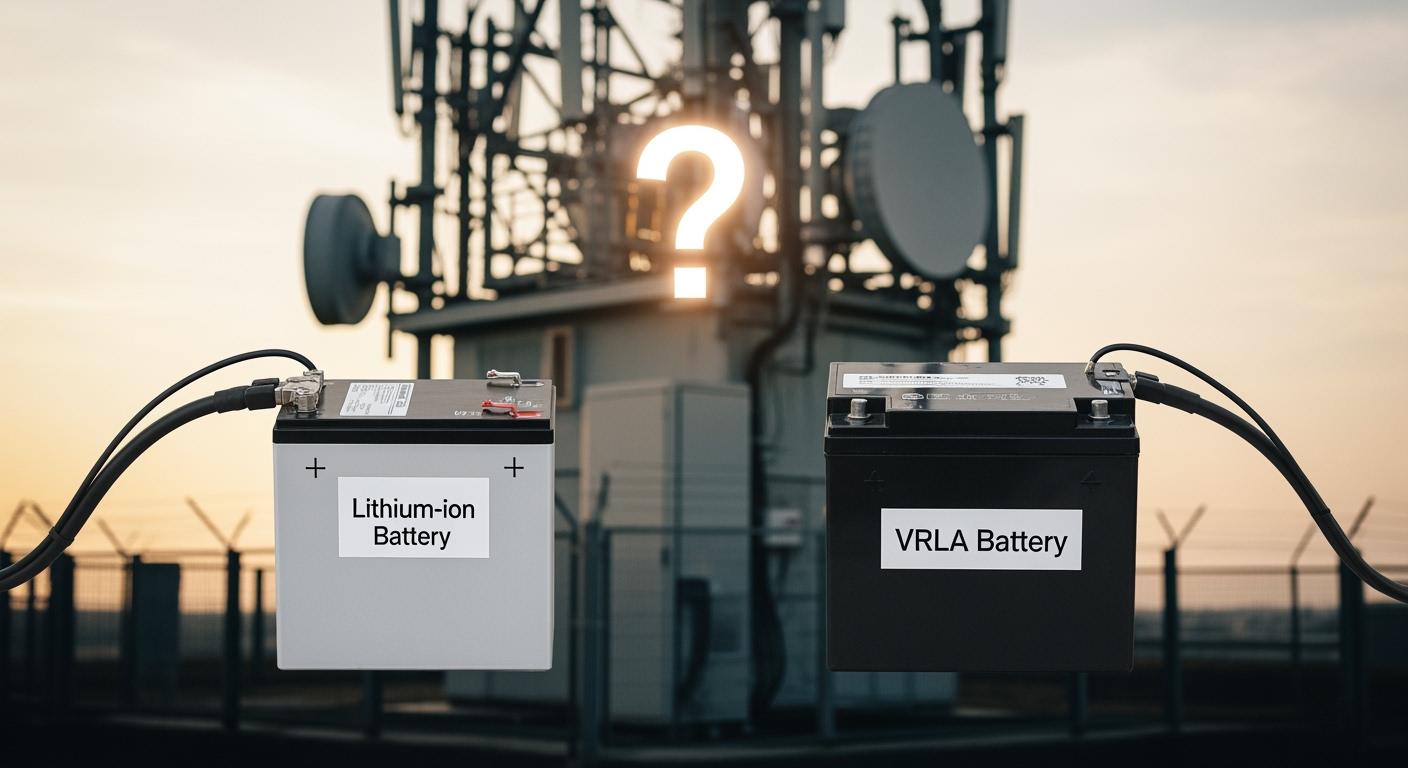
You often find lithium-ion batteries as the better choice for outdoor base station backup. You get longer cycle life, higher energy density, and less maintenance. Reliability, cost, performance, and environmental suitability matter when you make this decision. Maintenance also plays a key role. ESTEL brings years of expertise in telecom infrastructure, offering solutions like the Outdoor Battery Cabinet that protect your power systems in challenging outdoor conditions.
Key Takeaways
Lithium-ion batteries offer longer lifespan and higher energy density, making them ideal for outdoor base station backup.
VRLA batteries are cost-effective for initial investments but require more frequent replacements, increasing long-term costs.
Using an Outdoor Battery Cabinet protects batteries from harsh conditions, enhancing their performance and lifespan.
Consider your site's specific needs, such as space and maintenance capabilities, when choosing between lithium-ion and VRLA batteries.
Both battery types have unique advantages; assess reliability, cost, and environmental factors to make the best choice.
Battery Types Overview
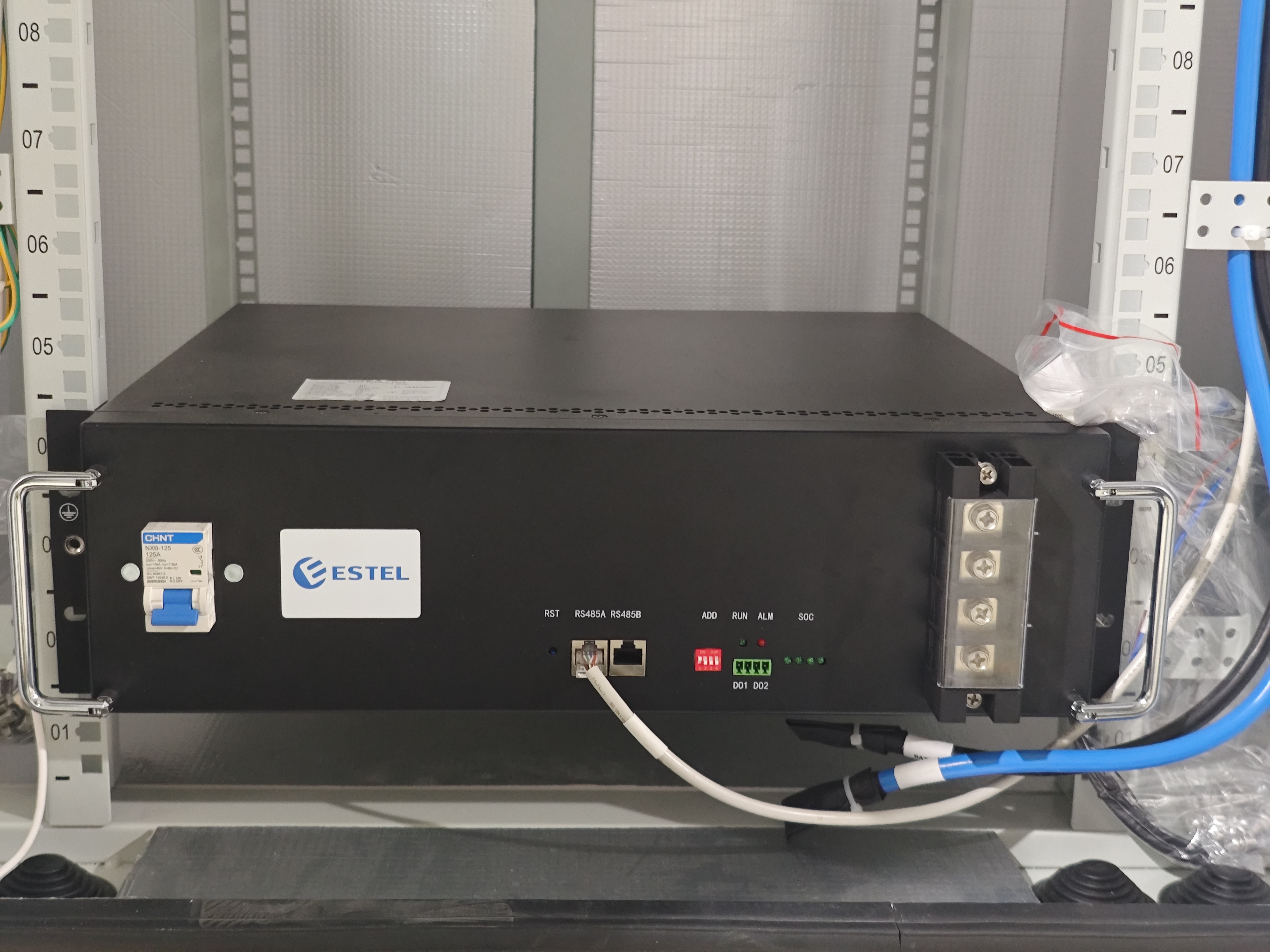
Lithium-ion Basics
You see lithium-ion batteries used in many modern telecom backup systems. These batteries offer high energy density, which means you get more power in a smaller, lighter package. You can charge them quickly, and they last much longer than older battery types. Lithium-ion batteries often come with built-in monitoring systems that help you track their status and keep your network running smoothly.
Tip: Lithium-ion batteries support a wide range of applications, including backup power for cell towers, renewable energy storage, and emergency recovery.
Here is a quick comparison of the main battery types you might find in outdoor base station backup systems:
Battery Type | Characteristics |
|---|---|
Lithium Batteries | High energy density, small size, fast charging speed, environmentally friendly, superior cycle life. |
Lead-Acid Batteries | Heavier, larger, slower charging, contains harmful substances, lower energy density. |
You can rely on lithium-ion batteries to provide uninterrupted communication services during power outages. They help maintain network stability and often include safety systems for real-time updates.
VRLA Battery Basics
Valve-Regulated Lead-Acid (VRLA) batteries have served as a reliable backup power source for decades. You find them in many outdoor and underground telecom facilities. VRLA batteries use a sealed design that prevents leaks and reduces maintenance. The safety valve inside the battery releases gas if the pressure gets too high, which keeps the battery safe during operation.
VRLA batteries use an immobilized electrolyte, either in a glass mat or gel form. This design lets you install them in different positions without worrying about spills. The batteries work by converting chemical energy into electrical energy through reactions between lead plates and sulfuric acid. The oxygen recombination cycle inside the battery helps minimize gas loss and lowers the need for maintenance.
Common uses for VRLA batteries include:
Backup power for optical communication terminals
Information facilities
Outdoor and underground environments
You often see VRLA batteries housed in an Outdoor Battery Cabinet to protect them from dust, water, and temperature changes.
Pros and Cons for Outdoor Use
Lithium-ion Advantages and Drawbacks
You gain several important benefits when you choose lithium-ion batteries for outdoor base station backup. These batteries stand out for their long lifespan, high energy density, and low maintenance needs. The table below highlights some of the main advantages:
Advantage | Description |
|---|---|
Long lifespan | Lithium-ion batteries can last 10-15 years, much longer than lead-acid batteries. |
High energy density | You get more energy per unit weight, which improves storage efficiency. |
Lightweight | Easier installation and deployment due to reduced weight. |
Low maintenance | Less frequent maintenance means higher reliability and less downtime. |
You also benefit from their ability to operate in a wide temperature range, from -20°C to 70°C. Their discharge performance remains stable even at higher temperatures, which helps you save energy and maintain consistent backup power.
Note: Lithium-ion batteries work well in an Outdoor Battery Cabinet, where temperature control and protection from the elements help maximize their performance.
However, you should consider some drawbacks. Lithium-ion batteries are sensitive to temperature extremes. They perform best around 20°C (68°F). In very cold climates, you may see reduced performance and increased energy use for heating. Charging in freezing conditions can be risky, possibly causing internal damage. Extreme temperatures can disrupt chemical processes, leading to lower power output and shorter battery life.
VRLA Advantages and Drawbacks
VRLA batteries offer you reliable and cost-effective backup power for telecom networks. You do not need to check electrolyte levels or add water, which reduces labor costs and the risk of mistakes. This makes VRLA batteries especially useful for remote sites where regular maintenance is difficult. Their sealed design prevents leaks and allows flexible installation.
You may pay more upfront for VRLA batteries, but their long service life and minimal maintenance often lead to savings over time. They fit well in outdoor environments, especially when housed in an Outdoor Battery Cabinet that shields them from dust, water, and temperature swings.
On the downside, VRLA batteries are heavier and bulkier than lithium-ion options. They also have a shorter lifespan and lower energy density. You may need to replace them more often, which can increase long-term costs and maintenance needs.
Key Comparison Factors
Cycle Life and Durability
You want your backup system to last as long as possible. Cycle life measures how many times you can charge and discharge a battery before its capacity drops below a usable level. Lithium-ion batteries stand out for their impressive cycle life. You can expect them to deliver between 3,000 and 5,000 cycles under typical outdoor conditions. VRLA batteries, on the other hand, usually provide only 300 to 500 cycles. Some gel-type VRLA batteries may reach up to 5,000 cycles, but most AGM or flooded types fall short.
Lithium-ion batteries: 3,000–5,000+ cycles
VRLA batteries: 300–500 cycles (AGM/flooded), 500–5,000 cycles (gel)
This difference means you replace lithium-ion batteries far less often. You save time and money on maintenance and avoid frequent disruptions. Durability also depends on how well you protect your batteries. Using an Outdoor Battery Cabinet helps shield both types from environmental stress, extending their lifespan.
Energy Density and Size
Energy density tells you how much power a battery stores for its size and weight. Lithium-ion batteries pack more energy into a smaller space. You need less room for installation, and you can use lighter cabinets. VRLA batteries have lower energy density, so you need larger cabinets and more floor space.
Battery Type | Energy Density Comparison | Impact on Cabinet Size and Installation |
|---|---|---|
Lithium-Ion | Multiple times higher | Takes up 50-80% less floor space, weighs 60-80% less |
VRLA | Lower energy density | Requires more space and heavier installations |
For equivalent energy storage, lithium-ion batteries occupy less than half the size and weigh less than a quarter of VRLA batteries. You can install more backup power in a compact Outdoor Battery Cabinet, making site planning easier and reducing installation costs.
Battery Type | Size Occupied | Weight |
|---|---|---|
Lithium-ion | <50% of VRLA | <25% of VRLA |
Efficiency and Charge Rate
Efficiency and charge rate affect how quickly your backup system recovers after a power outage. Lithium-ion batteries charge about four times faster than VRLA batteries. You can reach full capacity in just 2–4 hours. VRLA batteries often need 8–16 hours to recharge fully. Faster charging means your base station returns to full readiness sooner, improving network reliability.
Lithium-ion batteries: 2–4 hours to full charge
VRLA batteries: 8–16 hours to full charge
Temperature also impacts efficiency. At -22°F, battery capacity drops by 50%. At 32°F, you lose about 20%. High temperatures can increase capacity slightly but may shorten battery life. Lithium-ion batteries risk thermal runaway in extreme heat, while VRLA batteries may suffer from electrolyte evaporation and grid corrosion. You can reduce these risks by installing batteries in an Outdoor Battery Cabinet with proper cooling and ventilation.
Cost and Value
Cost is a major factor when you choose a backup solution. VRLA batteries cost less upfront, but their total cost of ownership rises over time. You need to replace them every 3–5 years, which adds up. Lithium-ion batteries cost more initially, but they last up to 10 years without replacement. Over a decade, lithium-ion systems can cost nearly 53% less than VRLA systems.
Feature | VRLA Batteries | Lithium Batteries |
|---|---|---|
Initial Cost | Lower | Higher |
Total Cost of Ownership | Higher | Lower |
You get a better return on investment with lithium-ion batteries. You avoid frequent replacements and reduce maintenance expenses. This long-term value makes lithium-ion batteries a smart choice for outdoor base station backup, especially when housed in a reliable Outdoor Battery Cabinet.
Maintenance and Safety
Maintenance requirements differ between battery types. VRLA batteries need regular cleaning of terminals, temperature control, and careful charging to avoid overcharging or undercharging. You must use proper ventilation to prevent hydrogen gas buildup. Personal protective equipment like goggles and acid-resistant gloves is important when handling these batteries.
VRLA batteries: Clean terminals, control temperature, use proper charger, ventilate to avoid hydrogen gas buildup, wear PPE.
Lithium-ion batteries: Use a Battery Management System (BMS) to monitor cells, rely on built-in safety features like fuses and overload protection, and benefit from thermal dissipation measures.
Safety incidents can occur with both types. Lithium-ion batteries may experience thermal runaway if exposed to high temperatures or overcharging. VRLA batteries can accumulate hydrogen gas, which is flammable. You can minimize risks by installing batteries in a well-ventilated Outdoor Battery Cabinet with monitoring systems.
Environmental Suitability
Outdoor base stations face harsh conditions, including humidity, temperature swings, and dust. Both battery types need protection from these elements. ESTEL designs Outdoor Battery Cabinet solutions with corrosion-resistant materials, weatherproof construction, and advanced temperature control. These cabinets help prevent overheating, remove harmful gases, and protect batteries from mechanical shocks.
Aspect | Lithium-Ion Batteries | VRLA Batteries |
|---|---|---|
Raw Material Impact | Challenges in extraction of lithium and cobalt | Established recycling processes |
Overall Life Cycle | Lower environmental impact overall | Higher environmental impact overall |
Future Improvements | Anticipated advancements in recycling methods | Limited improvements expected |
Lithium-ion batteries have a lower environmental impact over their life cycle compared to VRLA batteries. You benefit from ongoing improvements in recycling and sustainability. VRLA batteries offer established recycling processes, but their overall impact remains higher. Choosing the right battery and protecting it with an Outdoor Battery Cabinet helps you support both reliability and environmental responsibility.
Outdoor Battery Cabinet Solutions by ESTEL

Product Features and Benefits
You need a solution that keeps your backup batteries safe and performing at their best, even in the toughest outdoor conditions. ESTEL designs Outdoor Battery Cabinet systems to meet these demands. You get a cabinet built from galvanized steel, which resists corrosion and stands up to harsh weather. The enclosure offers IP55 or IP65 protection, so dust and water stay out. Advanced climate control systems, including air conditioners or fans, keep the temperature and humidity stable. This helps your batteries last longer and work more efficiently.
You can see how ESTEL supports both lithium-ion and VRLA batteries with a range of technical features:
Battery Type | Design Life | Key Features |
|---|---|---|
12V Pure Lead monoblocs | High capacity, suitable for various telecom applications | |
2V Pure Lead VRLA cells | 20 years | Meets Telcordia’s SR-4228 requirements |
High capacity VLA cells | 20 years | Qualified to GR-63 (NEBS) for safety and reliability |
VRLA AGM | Low maintenance | Charges quickly, resists shock and vibration |
VRLA Gel | Up to 220 min | Performs well in temperature extremes, low cost of ownership |
Lithium-Ion Batteries | N/A | High energy density, long cycle life, low maintenance |
You benefit from impact-resistant construction, which protects batteries from physical damage. The advanced materials used in the cabinet increase longevity, even when exposed to extreme temperatures or humidity. Climate control features prevent overheating and moisture buildup, which are common causes of battery failure. Improved outdoor enclosures like these have reduced battery failure rates by 98% in recent years.
Application Scenarios
You can use ESTEL’s Outdoor Battery Cabinet in many telecom environments. These cabinets work well for outdoor base stations, remote communication sites, and power distribution units. You might install them on mountain tops, along highways, or in urban areas where weather and security are concerns. The cabinets support both lithium-ion and VRLA batteries, so you can choose the best backup option for your needs.
Some common scenarios include:
Protecting backup power for cell towers in remote or harsh locations.
Housing batteries for renewable energy storage at off-grid telecom sites.
Securing equipment in areas with high humidity, dust, or temperature swings.
Supporting rapid deployment projects where reliability and quick installation matter.
You get flexibility with different cabinet sizes, from 16U to 40U, and options for single or double wall construction. The cabinets include anti-theft locks and customizable power distribution units, so you can adapt them to your specific project.
Why Choose ESTEL
You want a reliable partner for your telecom infrastructure. ESTEL stands out because you get advanced safety features, high durability, and eco-friendly design. The cabinets use high-grade materials that last, even in challenging environments. You can scale your backup system as your needs grow, thanks to flexible cabinet configurations.
Here is how ESTEL compares to other solutions:
Feature | ESTEL Outdoor Battery Cabinets | Competing Solutions |
|---|---|---|
Advanced Safety Features | Yes | Varies |
Scalability | High | Limited |
Durability | High-grade materials | Varies |
Eco-friendly Design | Yes | Varies |
Performance in Harsh Environments | Reliable | Varies |
You also benefit from ESTEL’s commitment to quality and customer satisfaction. The company meets international standards and provides expert support for every project. When you choose ESTEL, you invest in a solution that protects your batteries, reduces maintenance, and keeps your network running smoothly.
Choosing the Right Backup Option
When to Use Lithium-ion
You should choose lithium-ion batteries when you need high performance and long-term value. These batteries work best for sites that demand deep cycle ability, high charge efficiency, and minimal maintenance. If your base station operates in a remote area or faces frequent power interruptions, lithium-ion batteries provide reliable backup with less downtime. Their lightweight and compact design fits well in locations with limited space.
Here is a quick guide to help you decide:
Criteria | Lithium-ion Suitability |
|---|---|
Deep cycle ability | Excellent |
Temperature sustainability | Wide range |
Maintenance requirements | Very low |
Charge efficiency | High |
Compatibility with off-grid | Ideal for solar or hybrid systems |
Tip: Lithium-ion batteries excel in environments where you want to avoid frequent replacements and reduce operational costs over time.
ESTEL’s Outdoor Battery Cabinet supports lithium-ion batteries with advanced battery management and climate control. You get uninterrupted power, high energy efficiency, and robust protection against harsh weather.
When to Use VRLA
You may prefer VRLA batteries for sites with moderate backup needs and a focus on initial cost savings. VRLA batteries offer reliable performance in stable climates and are easy to install. If your site allows for regular maintenance and has enough space for larger batteries, VRLA can be a practical choice.
Consider these factors:
Criteria | VRLA Suitability |
|---|---|
Deep discharge sustainability | Good |
Charge efficiency | Moderate |
Low leak current | Yes |
Temperature sustainability | Moderate |
Size and weight compatibility | Requires more space |
Maintenance evasion | Low to moderate |
ESTEL’s Outdoor Battery Cabinet ensures VRLA batteries stay protected from dust, water, and temperature swings. You benefit from a durable enclosure, advanced monitoring, and easy integration with your telecom systems.
Note: ESTEL’s solutions set the standard for outdoor backup systems. You get uninterrupted power, energy efficiency above 95%, and advanced battery management—no matter which battery type you choose.
You now see that lithium-ion batteries usually offer the best performance for outdoor base station backup. They give you longer life, higher energy density, and less maintenance. VRLA batteries still work well for sites with lower budgets or stable environments. Focus on reliability, total cost, and local weather when you decide. If you want expert advice or need a reliable Outdoor Battery Cabinet, reach out to ESTEL for solutions that fit your needs.
FAQ
What is the main advantage of using lithium-ion batteries for outdoor base stations?
You get longer cycle life, higher energy density, and less maintenance. These features help you reduce downtime and replacement costs. Lithium-ion batteries also perform well in compact spaces.
How do you protect batteries from harsh outdoor conditions?
You should use an Outdoor Battery Cabinet. This cabinet shields batteries from dust, water, and temperature swings. It also provides climate control and security features.
Can you mix lithium-ion and VRLA batteries in the same backup system?
You should avoid mixing battery types. Each type has different charging and discharging characteristics. Mixing them can cause performance issues and reduce battery life.
How often do you need to replace VRLA batteries?
You usually replace VRLA batteries every 3 to 5 years. Their lifespan depends on usage, temperature, and maintenance. Regular checks help you spot early signs of wear.
See Also
The Superiority of Lithium Batteries in Telecom Applications
Choosing Energy Storage Solutions for ESTEL Telecom Systems
Exploring Pros and Cons of Lead-Acid Battery Technology
A Detailed Overview of Telecom Cabinet Battery Risk Assessment
Creating Durable Outdoor Communication Cabinets for Any Climate
CALL US DIRECTLY
86-13752765943
3A-8, SHUIWAN 1979 SQUARE (PHASE II), NO.111, TAIZI ROAD,SHUIWAN COMMUNITY, ZHAOSHANG STREET, NANSHAN DISTRICT, SHENZHEN, GUANGDONG, CHINA
