How O&M Staff Use Mobile Control of Smart PDUs in Telecom Cabinets to Monitor Power Status Anytime, Anywhere

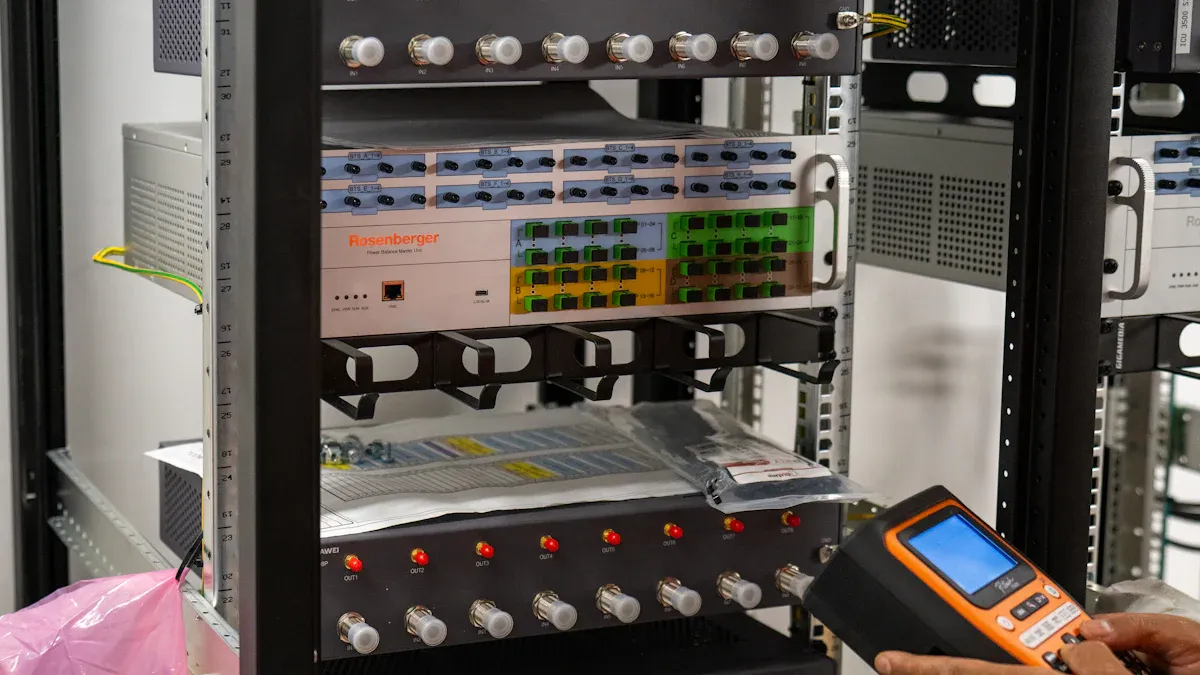
Mobile control lets you check live power data — voltage, current, load, outlet status — on a smartphone or tablet, wherever you are. That clear view matters at faraway sites. Many o&m teams still drive to a cabinet just to make sure it has power. A mobile-controlled Smart PDU takes away that trip. You can manage power from anywhere, and your telecom cabinets stay visible without sending a truck. You see the same readings on screen that you would read at the cabinet door. This article explains how the connection works, what your team gains in response time, and what to think about before adopting one.
Key Takeaways
Look at real-time power information on your phone so you don't have to drive to faraway sites.
Get instant alerts for power problems so you can fix issues faster and cut downtime.
Turn equipment off and back on from a distance to fix many problems without going to the site.
Keep remote access safe with strong passwords and role-based permissions.
Check that the cabinet works with the smart PDU before you buy one for your telecom site.
Smart PDUs In Telecom Cabinets
What A Smart PDU Does
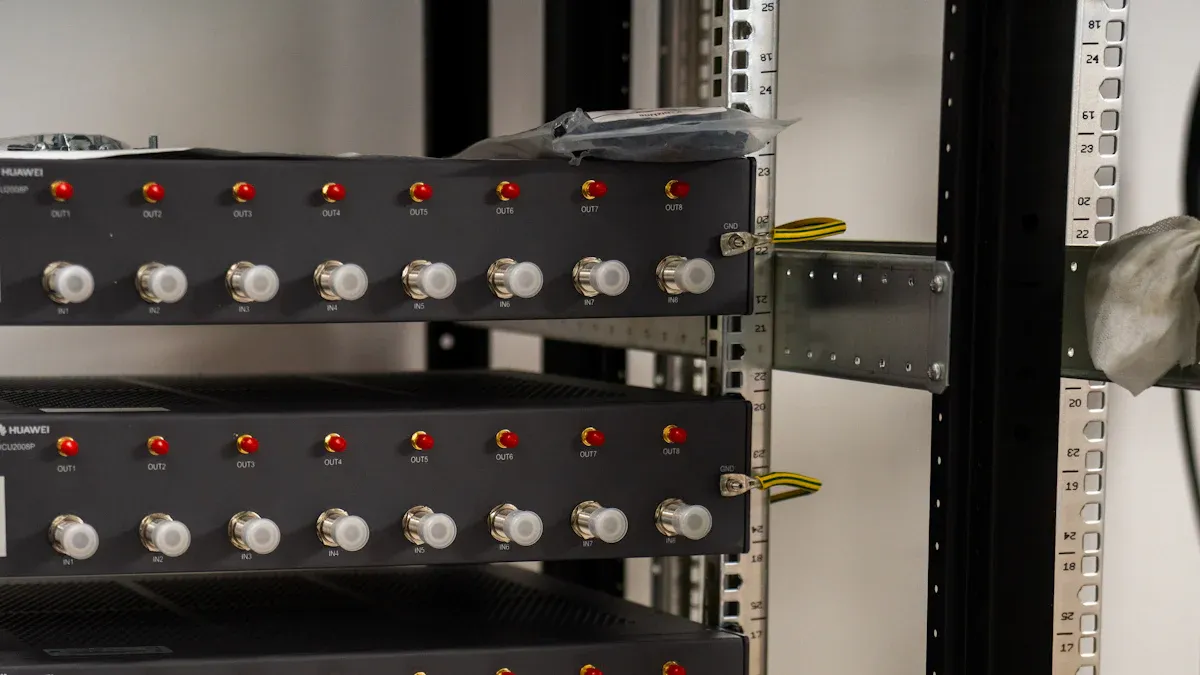
A smart PDU brings networked power distribution into telecom cabinets. It measures power distribution, controls outlets, and reads sensors. You get remote access, environmental monitoring, and SNMP traps for power or humidity faults. Branch circuit protection stops overloads. A hot-swappable controller lets you swap it without downtime. Outlet-level monitoring finds weak equipment and lets you shut down idle devices remotely. UPS and DCIM integration brings power management together across systems.
ESTEL's Smart Power Distribution Unit fits this role. This smart power distribution unit offers real-time data collection with predictive maintenance, a modular and scalable architecture, and power optimization with smart switching. It is certified to UL, CE, IEC, and ISO9001. You can ask for user-customizable smart power distribution units to match your rack layout. The smart power distribution unit is one option among many remotely manageable power systems. Each smart power distribution unit makes power distribution simpler for telecom teams. A well-matched smart power distribution unit keeps power distribution predictable.
Why Cabinets Need Remote Power Visibility
Remote telecom cabinets sit along roads, on mountains, and at edge locations. A rural Texas case shows the strain on telecom cabinet operations. Cabinets reach 170°F under the hot sun. Drive time between territory edges hits 2 hours. Technicians replace batteries every 5 years just because nobody knows when they will fail. In one incident, a technician forgot to flip a circuit breaker back on, and the site died 3 weeks later. Without remote monitoring, you cannot tell a tripped breaker from a grid outage.
That gap drives up cost and downtime across telecom cabinets. Frequent site visits drain budgets. Reactive maintenance turns into fire drills. Visibility from a screen replaces the truck roll. You check status, confirm the cause, and act before the site fails. Smart PDUs turn that data into a glance at your phone, and that control protects uptime. Every PDU in your fleet becomes a data point.
How Mobile Control Enables Remote Monitoring
Connectivity And Protocols
The chain begins at the smart PDU network interface. Your smart power distribution unit links through Ethernet or serial connections to a secure cloud platform. From there, the data gets to your smartphone or tablet. This path gives you remote monitoring and mobile control without a site visit.
SNMP is the main protocol here. Most alarm systems use SNMP, so a PDU that sends out SNMP works with your master station. That link lets you track each outlet's state, power input, hardware faults, and internal alarms. Your SNMP manager can also send remote control commands, like automatic power cycling of unresponsive gear.
Modern smart PDUs add more choices. They offer REST APIs, SNMP, and webhooks with documentation. A free cloud platform lets you manage hundreds or thousands of PDUs with centralized monitoring and bulk controls. A free management app handles fleet-level tasks. Ethernet runs at 10/100 Mbps, and some models offer out-of-band cellular LTE. These remote management capabilities support mobile access and IoT/cloud integration across your telecom cabinets.
The Mobile Interface
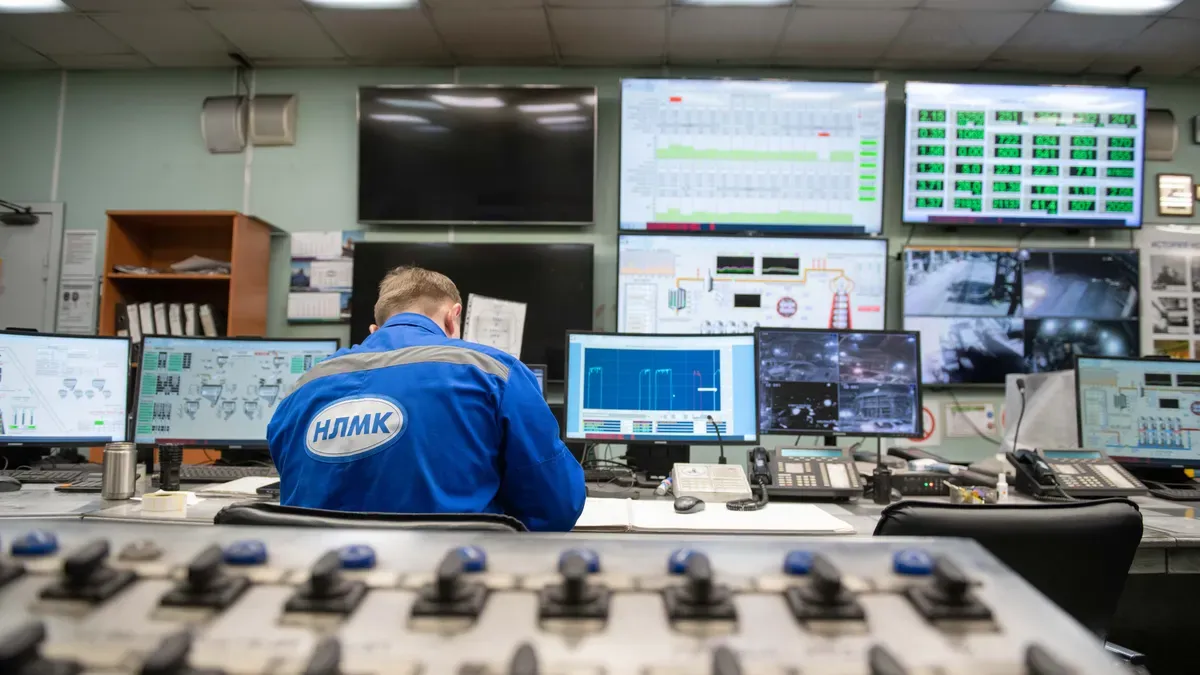
Open the app and you see a dashboard built for quick decisions. Voltage, current, and load show up in real time. You can monitor power, temperature, and humidity in real time from any location. This real-time monitoring replaces the drive to the cabinet door.
Outlet-level status shows each port's on/off state. A switched PDU lets you do remote outlet control — power-cycle a router or NAS with one tap. Historical trends reveal patterns, so you can track energy use in real time and plan load. The interface stays the same across phone, tablet, and browser. You get the same view everywhere, which speeds up remote monitoring and mobile control.
Real-time power monitoring also flags anomalies. The app highlights a circuit that draws unusual current. You check the outlet state, confirm the fault, and act. This monitoring and control loop cuts mean time to repair. Your team gains advanced control and monitoring without extra tools.
The PDU itself supports this workflow. ESTEL's smart power distribution unit includes real-time data collection with predictive maintenance and a modular, scalable architecture for harsh sites. Remote management works alongside local fallback. You keep control even when the network drops.
Security underpins every session. Role-based access, authentication logging, and secure Syslog protect the link. A pre-login banner and strong password rules harden access. These measures keep remote monitoring trustworthy across all your telecom cabinets.
Benefits For O&M Staff
Real-Time Monitoring And Alerts
Real-time monitoring and alerts change how your team handles faults. You set limits for voltage, current, and load. The system checks every reading and sends a notice as soon as a value goes past the line. Operators using these solutions responded within minutes to hundreds of alarms. That speed cut downtime by up to 25% and improved maintenance response times by 40%. Your o&m staff no longer hear about a failure from a customer call.
Anomaly notices catch problems early. A circuit that pulls unusual current gets flagged before it fails. You check the on/off status of each outlet from your phone. That check takes the place of a site visit. Real-time monitoring and alerts give you the same picture a technician would see at the cabinet door.
The table below shows how these features shorten repair time.
Feature | Impact on MTTR |
|---|---|
Automated incident categorization | Faster response and less manual work |
AI-driven anomaly detection | Early problem detection in most deployments |
Mean time to repair (MTTR) | Shorter repair times and quicker network recovery |
Real-time monitoring also supports better power management. You see load trends across your telecom sites and plan capacity before a circuit fills up. Smart PDUs turn raw data into decisions your team can act on.
Remote Troubleshooting And Efficiency
Remote control lets you fix many faults without a truck roll. You power-cycle a router or NAS with one tap. You check the outlet state and confirm the device came back. Service comes back within minutes instead of hours. Many service requests were solved by a simple power cycle. Remote cycling removes the dispatch entirely.
Your team gains several efficiency wins:
Remote power control restarts equipment, isolates faulty loads, and manages backup systems without sending anyone to the site.
Avoiding emergency dispatches eliminates long travel times, added labor costs, and weather-related safety risks.
Sequential power restoration brings sites back online in the correct order and minimizes on-site staff involvement.
Remote emergency shutdown powers sites down safely ahead of a threat.
Outlet-level control and monitoring and control work together here. You check status, act, and confirm the result from one screen. This loop cuts mean time to repair and frees technicians for harder problems. Fewer truck rolls mean lower costs and faster resolution. Better load planning comes from the same data. Your smart power distribution unit becomes a tool for daily telecom cabinet operations, not just a power strip. Each smart power distribution unit in your fleet adds another point of remote management. The smart power distribution unit you deploy today shapes how fast your team responds tomorrow. Power distribution visibility at this level protects uptime across every site.
Security, Reliability, And Implementation
Protecting Remote Access
Remote access to a smart PDU needs the same care as any network device. Start with role-based access control. Give each technician only the rights the job needs. Add authentication that fits your environment.
Authentication Method | Recommended Use |
|---|---|
SSH public key authentication | Scripts and cases where passwords are not adequate |
SNMP v3 | Encrypted with MD5 or SHA authentication and DES or AES privacy |
Remote authentication servers | OpenLDAP and Active Directory over TLS; RADIUS with CHAP |
Password policies | Minimum eight characters, mixed case, numerals, special characters; no reuse of the past three passwords |
Harden each device step by step. Remove default credentials at deployment and turn off unused services. Keep smart PDUs separate from general IT traffic. Watch device behavior and alert on unexpected destinations or protocol anomalies. Review the inventory every quarter.
Reliability backs up security. A secure integral web interface gives you a backup reading at the cabinet door. Surge protection guards connected equipment. A dehumidifying function keeps conditions stable at harsh sites.
Compatibility, Installation, And Cost
Check your cabinet before you buy. Confirm load capacity, outlet standard, mounting format, and single-phase or three-phase supply. Verify cabinet height, mounting depth, and side space. Label circuits and outlets before you energize.
ESTEL's Smart Power Distribution Unit suits this evaluation. The smart power distribution unit offers real-time data collection with predictive maintenance, a modular and scalable architecture, and power optimization with smart switching. You can request user-customizable smart power distribution units for mixed plug environments. The smart power distribution unit is certified to UL, CE, IEC, and ISO9001. Use outdoortelecomcabinet.com as a starting point. Compare the smart power distribution unit against industrial and modular designs. Each smart power distribution unit fits a different cabinet profile. The smart power distribution unit you choose should match your power distribution plan.
Mobile control of smart PDUs turns power monitoring from a site visit into a quick look at a screen. You catch problems early, respond without travel, and cut downtime. That change improves response time and efficiency at every site.
The anytime, anywhere promise connects directly to your O&M priorities. You protect uptime, avoid unnecessary truck rolls, and fix faults faster. Real-time alerts and remote access let your team manage power from anywhere, and that flexibility keeps telecom cabinets running.
Check out ESTEL's Smart Power Distribution Unit for your cabinets today. Contact the team for a deployment assessment and see how remote monitoring and control fit your telecom sites. A smart power distribution unit that matches your cabinet profile gives your team the visibility it needs.
FAQ
Can You Check Power Status Without Visiting the Cabinet?
Yes. The mobile app shows voltage, current, and load in real time. You also see if each outlet is on or off. This monitoring means you don't have to drive to the site. Your team can confirm power status from a phone or tablet.
How Do You Power-Cycle a Device Remotely?
Use the switched outlet control in the app. Tap the outlet, turn it off, wait, then turn it back on. Check the outlet state to confirm the device comes back. This step fixes many problems without sending a truck to your telecom site.
Does the PDU Fit Existing Telecom Cabinets?
First, check load capacity, outlet standard, and mounting depth. ESTEL's unit offers real-time data collection with predictive maintenance, a modular and scalable architecture, and power optimization with smart switching. You can ask for custom setups for mixed plug environments at your telecom sites.
How Do You Secure Remote Access?
Use role-based access control and give each technician only the rights the job needs. Remove default credentials when you set it up. Use SNMP v3 or SSH keys when passwords are not enough. Review the device inventory every quarter across your telecom fleet.
What Happens When the Network Drops?
A secure integral web interface gives you a backup reading at the cabinet door. Surge protection and a dehumidifying function keep the unit stable. Your team keeps local control while the telecom network recovers, and remote monitoring starts again when the link returns.
See Also
Solar Energy Storage Power System Designed for Telecom Cabinets
How to Maintain Reliable Power Supply for Telecom Cabinets
How to Achieve Optimal Monitoring of Outdoor Telecom Cabinets
CALL US DIRECTLY
86-13752765943
3A-8, SHUIWAN 1979 SQUARE (PHASE II), NO.111, TAIZI ROAD,SHUIWAN COMMUNITY, ZHAOSHANG STREET, NANSHAN DISTRICT, SHENZHEN, GUANGDONG, CHINA
