Modular Telecom Rectifier System and its role in flexible power expansion for base stations

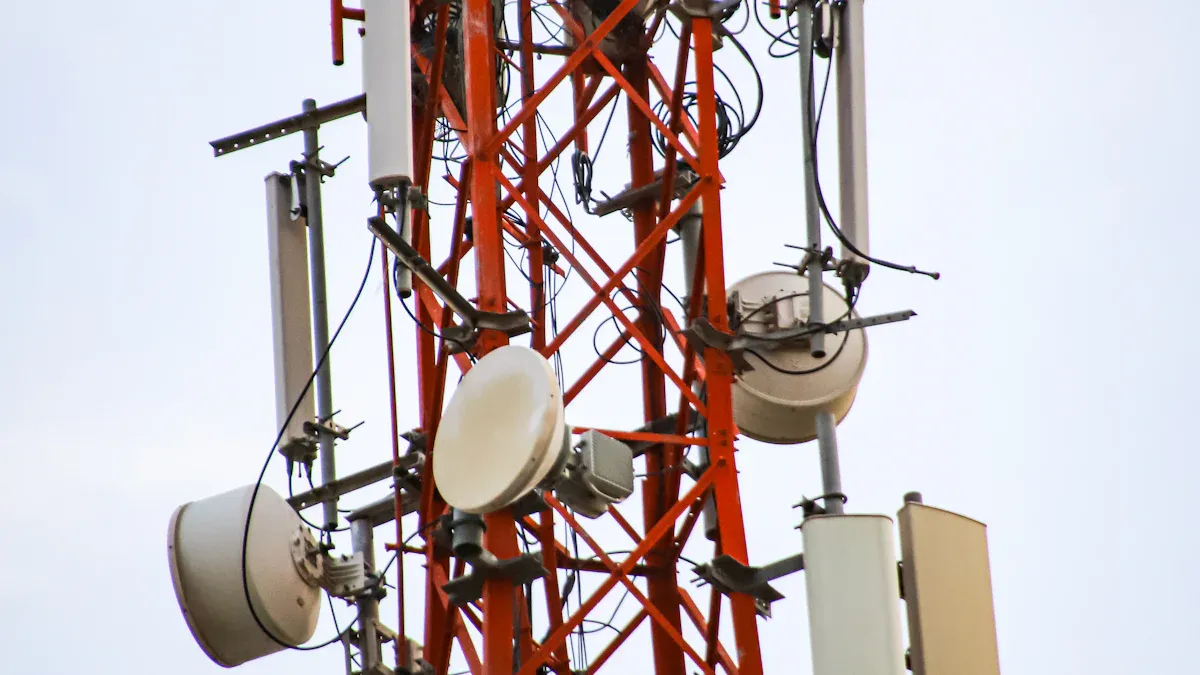
You face growing demands for reliable and scalable power at your base stations. Modular solutions, such as the Telecom Rectifier System from ESTEL, give you the flexibility to expand your power infrastructure as your network grows. With modularity, you can quickly adapt to real-time load changes, ensure high reliability with hot-swappable modules, and scale capacity without unnecessary upfront investment. The table below highlights key features that make modular power systems essential for modern telecom networks:
Feature | Description |
|---|---|
Intelligent Load Management | Adapts to real-time load changes, reducing energy waste and costs. |
High Reliability | Redundant design and hot-swapping keep your network running with minimal downtime. |
Scalable Capacity | Lets you invest gradually, lowering total cost of ownership by up to 25%. |
Compact Design | Fits into space-limited sites, making deployment easier. |
Support for Green Networks | Works with renewable energy, helping you build sustainable infrastructure. |
ESTEL’s advanced approach addresses your need for adaptability and efficiency, helping you overcome common challenges in telecom power management.
Key Takeaways
Modular Telecom Rectifier Systems offer flexibility, allowing you to scale power as your network grows without major investments.
Hot-swappable modules enable maintenance without downtime, ensuring continuous service and reducing operational costs.
Intelligent load management adapts to real-time changes, optimizing energy use and minimizing waste.
Advanced monitoring tools provide real-time diagnostics, helping you spot issues early and maintain system efficiency.
Switching to modular systems can reduce operational costs by up to 30% and improve energy efficiency, supporting sustainable telecom infrastructure.
Understanding Modular Telecom Rectifier System

Key Components and Design
You will find that a Telecom Rectifier System uses a modular approach to deliver reliable power for your telecom network. The system includes several main components that work together to ensure stable operation:
Rectifier module: Converts alternating current (AC) to direct current (DC) for your equipment.
DC-DC converter: Adjusts voltage levels to match different devices.
Battery backup: Provides emergency power during outages.
Distribution panel: Directs power to various loads within your base station.
Monitoring system: Tracks performance and alerts you to any issues.
Unlike traditional rectifier systems, a modular Telecom Rectifier System can handle higher voltages, sometimes up to 450V DC. You also benefit from advanced fault management features. These improvements help you achieve greater safety and efficiency, especially as you support 5G networks.
How Modularity Works
The modular design of a Telecom Rectifier System gives you flexibility and control. You can add or remove modules based on your current needs. This approach makes upgrades and maintenance much easier. You do not need to shut down the entire system when you replace or service a module.
Tip: Hot-swappable modules let you perform maintenance without interrupting service, keeping your network running smoothly.
The table below shows how modularity benefits your operations:
Feature | Benefit |
|---|---|
Modular Configuration | Offers scalability, easy upgrades, and redundancy. |
Enhanced Reliability | Compensates for failures, minimizing service interruptions. |
Scalable and Hot-Swappable | Enables maintenance without downtime, facilitating upgrades. |
With a modular Telecom Rectifier System, you can scale your power infrastructure as your network grows. This design supports your need for reliable, efficient, and future-ready telecom power solutions.
Power Expansion Needs in Base Stations

Challenges with Traditional Systems
You face many obstacles when you rely on traditional power systems for your base stations. These older setups often use diesel generators and fixed infrastructure. This approach brings several challenges:
High operational costs can strain your budget, especially when you must transport fuel and deal with changing diesel prices.
You may spend a lot of time and resources on maintenance because diesel generators need frequent servicing.
Environmental concerns grow as these systems produce greenhouse gas emissions.
Reliability becomes an issue when generators fail or fuel deliveries get delayed.
Security risks increase at remote sites, where theft and vandalism can disrupt your operations.
You also encounter limits when you try to scale or upgrade your network. Legacy systems often require large investments to support new technologies like 5G and IoT. Integrating renewable energy sources can be complex, and you must follow strict regulations. As you add more digital controls, cybersecurity risks rise. Supply chain issues can slow down your expansion plans. Regulatory changes can make it hard to plan for the future.
Note: These challenges highlight the need for a more adaptable and efficient power solution for your base stations.
Demand for Flexible Solutions
You see a growing need for flexible power solutions in the telecom industry. Several factors drive this demand:
The expansion of 5G networks requires robust and scalable power systems.
Rising consumer demand pushes you to upgrade your infrastructure quickly.
New technologies encourage you to adopt innovative solutions.
Energy efficiency becomes a priority as you look to reduce costs and environmental impact.
Government incentives support the use of renewable energy in telecom applications.
Advanced battery technologies and smart grid integration improve reliability and efficiency.
You need a power system that can adapt to these changes. A Telecom Rectifier System offers the flexibility to scale your power supply as your network grows. This approach helps you meet new demands while keeping costs and risks under control.
Flexibility with ESTEL Telecom Rectifier System
Plug-and-Play Scalability
You need a power solution that grows with your network. The ESTEL Telecom Rectifier System gives you true plug-and-play scalability. You can add or remove modules as your network expands or as your power needs change. This modular approach lets you bring new base stations online quickly, without interrupting your existing operations. You do not need to overhaul your entire infrastructure. Instead, you simply insert new modules to increase capacity. This flexibility supports the rapid growth of 5G and IoT networks. You can respond to new demands without major delays or costly upgrades.
Tip: Plug-and-play scalability means you can adjust your power system on-site, saving time and reducing the need for specialized technicians.
Hot-Swappable Modules
Downtime can disrupt your service and increase costs. The ESTEL Telecom Rectifier System uses hot-swappable modules to keep your network running smoothly. You can replace or upgrade modules while the system stays online. This feature minimizes service interruptions and keeps your customers connected. Hot plug technology makes maintenance fast and easy. You do not need to shut down the network to swap out a faulty or outdated module.
You save time with quick module swaps.
You reduce installation and maintenance costs.
You keep your telecom services operational during maintenance.
Predictive maintenance tools work with these modules to alert you before failures occur. This proactive approach can cut downtime by up to 50% and lower maintenance costs by 30%. You gain peace of mind knowing your network stays reliable and efficient.
Adaptability to Load Changes
Telecom networks face changing power demands every day. The ESTEL Telecom Rectifier System adapts to these changes with advanced features. You get modularity for easy expansion, intelligent load balancing, and real-time monitoring. These features help you distribute power evenly and prevent overloading. You also extend the lifespan of your equipment.
Here is how these features benefit your operations:
Feature | Benefit |
|---|---|
Modularity | Lets you expand easily as your network grows, meeting new power needs. |
Intelligent Load Balancing | Distributes power evenly, preventing overloads and reducing wear on equipment. |
Advanced Monitoring | Tracks performance in real time, so you can spot issues early and avoid on-site inspections. |
Fault Detection | Identifies problems before they affect your network, improving efficiency. |
You can trust the ESTEL Telecom Rectifier System to keep your base stations running efficiently, even as your network evolves. This adaptability helps you maintain high performance and reliability in every environment.
Benefits for Base Stations
Cost and Space Efficiency
You can achieve significant cost savings by deploying a modular Telecom Rectifier System at your base stations. The modular approach reduces operational costs by up to 30% over time. Predictive maintenance features help you cut maintenance costs by as much as 40%. Smart monitoring tools also lower operational expenses by up to 20%. The table below summarizes these savings:
Aspect | Savings / Improvement |
|---|---|
Operational Cost Reduction | 20% - 30% |
Maintenance Cost Reduction | Up to 40% |
Smart Monitoring Savings | Up to 20% |
You also benefit from improved space utilization. The compact and scalable design of modular rectifier cabinets allows you to maximize available space. You can easily scale your power system to meet growing demands without replacing your entire setup. This flexibility is ideal for space-constrained environments, such as urban telecom base stations.
Reliability and Redundancy
You need reliable power to keep your network running. Modular rectifier systems offer advanced redundancy options, such as N+1 and N+2 configurations. These setups allow your system to handle one or two module failures without downtime. The table below shows how redundancy improves your operations:
Redundancy Type | Fault Tolerance | Maintenance Flexibility | Downtime Reduction Impact |
|---|---|---|---|
N+1 | One module | Moderate | Prevents downtime |
N+2 | Two modules | High | Minimizes downtime risk |
Hot-swappable modules let you replace or repair components without shutting down your system. Real-time monitoring tracks voltage and temperature, helping you spot issues early. This proactive approach increases equipment uptime by 20% and improves operational efficiency by 30%.
Energy Efficiency and Sustainability
You can boost energy efficiency at your base stations by switching to modular rectifier systems. These systems reach efficiency rates above 97%, even at partial loads. You will see lower electricity bills and reduced operational expenditures. Advanced monitoring tools help you optimize energy use for long-term savings.
Sustainability also improves with modular systems. High-efficiency designs minimize energy waste and support lower carbon output. Hybrid modules and MPPT controllers can cut diesel generator runtime by 50%, reducing emissions and maintenance costs. Solar-powered cell sites can lower CO2 emissions by up to 55%. As you expand your network, you help drive the green transformation in telecom infrastructure.
Real-World Applications and Deployment
ESTEL Solutions in Action
You can see the impact of ESTEL solutions in many real-world telecom environments. Operators in Southeast Asia use ESTEL modular systems for both 5G small cells and macro base stations. These deployments have led to a significant reduction in energy costs and improved network performance. In Europe, data centers rely on ESTEL systems to deliver stable power and minimize downtime, even as data loads increase. Dense 5G networks in Southeast Asia have achieved a 20% reduction in energy consumption while maintaining consistent power delivery.
Location | Application Type | Outcome |
|---|---|---|
Southeast Asia | 5G small cells, macro stations | Lower energy costs, improved network performance |
Europe | Data center | Stable power, minimized downtime, handled increased data loads |
Southeast Asia | Dense 5G networks | 20% less energy use, consistent power delivery |
Operators report that the Telecom Rectifier System from ESTEL helps them achieve energy cost savings of up to 75%. You also benefit from reduced carbon emissions and enhanced reliability, which ensures business continuity during peak demand or extreme weather. Some operators have seen battery life extend up to 10 years, lowering maintenance costs.
"ESTEL's rectifier modules have transformed our operations. The energy savings and reliability are unmatched." – Telecom operator feedback
Integration with Existing Infrastructure
You can integrate ESTEL modular rectifier systems with your current power setup easily. The modular design allows you to add capacity without replacing the entire system. Hot-swappable modules keep your services online during upgrades or maintenance. Advanced monitoring features give you real-time diagnostics, so you can track performance and respond quickly to issues.
Feature | Benefit |
|---|---|
Modular design | Add capacity without full replacement, minimize downtime |
Hot-swappable modules | Keep services online, reduce outage risk |
Advanced monitoring | Real-time diagnostics, quick response to issues |
When you deploy these systems in remote or harsh environments, consider several factors:
Scalability: Make sure the system can grow with your needs.
Redundancy: Use N+1 or N+2 configurations for continuous operation.
Efficiency: Choose models with high efficiency to lower heat and costs.
Thermal management: Use effective cooling to extend system life.
Environmental conditions: Select enclosures and cooling for indoor or outdoor use.
You can address common challenges, such as on-site delays or integration issues, by choosing systems designed for easy installation and compatibility. ESTEL systems support multiple input voltages and feature flexible cable inlets, making them adaptable to different power conditions. These features help you future-proof your telecom infrastructure and maintain reliable service as your network grows.
You gain flexibility and efficiency when you choose ESTEL’s Telecom Rectifier System for your base stations. The table below shows how ESTEL stands out from competitors:
Feature | ESTEL’s Delta Rectifier Modules | Competitors’ Modules |
|---|---|---|
Modularity | Ultra-modular designs | Limited modular options |
AI Integration | Predictive analytics & self-optimization | Basic AI capabilities |
Conversion Efficiency | >98% | 94–96% |
You can expect lower operational expenses over time.
Efficiency improvements may reduce rectifier loss by 50%.
You support a future-ready network with advanced energy management.
Consider ESTEL’s solutions to keep your telecom infrastructure ahead of industry demands.
FAQ
What makes ESTEL’s modular rectifier system different from traditional power systems?
You get a modular design that allows you to add or remove power modules as needed. This flexibility helps you scale your network easily and maintain high reliability.
Can you upgrade the ESTEL rectifier system without shutting down your base station?
Yes, you can. The hot-swappable modules let you replace or upgrade components while the system stays online. You avoid service interruptions and keep your network running smoothly.
How does the system help you save on energy costs?
The system operates at efficiency rates above 96%. You use less electricity, which lowers your energy bills and reduces your environmental impact.
Is the ESTEL rectifier system suitable for harsh outdoor environments?
You can deploy the system in tough conditions. The design includes weatherproof enclosures and advanced cooling. Your equipment stays protected and performs reliably in extreme weather.
See Also
Calculating Power Systems And Battery Needs For Telecom Cabinets
Battery And Inverter Systems For Grid-Connected Telecom Cabinets
Energy Storage Solutions Using Photovoltaics For Telecom Cabinets
Ensuring Consistent Power Supply For Telecom Cabinet Operations
CALL US DIRECTLY
86-13752765943
3A-8, SHUIWAN 1979 SQUARE (PHASE II), NO.111, TAIZI ROAD,SHUIWAN COMMUNITY, ZHAOSHANG STREET, NANSHAN DISTRICT, SHENZHEN, GUANGDONG, CHINA
