MTBF/MTTR targets for outdoor telecom rectifier sites


You should set your MTBF target for outdoor telecom rectifier sites at a minimum of 250,000 hours. Aim for an MTTR of less than 4 hours to ensure fast recovery when issues occur. These targets help you maximize uptime and keep your network reliable. Tracking MTBF allows you to plan preventive maintenance and spot trends that could affect your site’s performance. ESTEL delivers advanced Telecom Rectifier System solutions that support these high standards for reliability.
Key Takeaways
Set your MTBF target at a minimum of 250,000 hours to enhance reliability and reduce unexpected failures.
Aim for an MTTR of less than 4 hours to ensure quick recovery and maintain customer satisfaction.
Regularly track your MTBF and MTTR metrics to identify trends and improve maintenance strategies.
Utilize modular rectifier systems for faster repairs and reduced downtime during maintenance.
Implement preventive maintenance practices to boost reliability and extend the lifespan of your telecom equipment.
MTBF and MTTR Basics
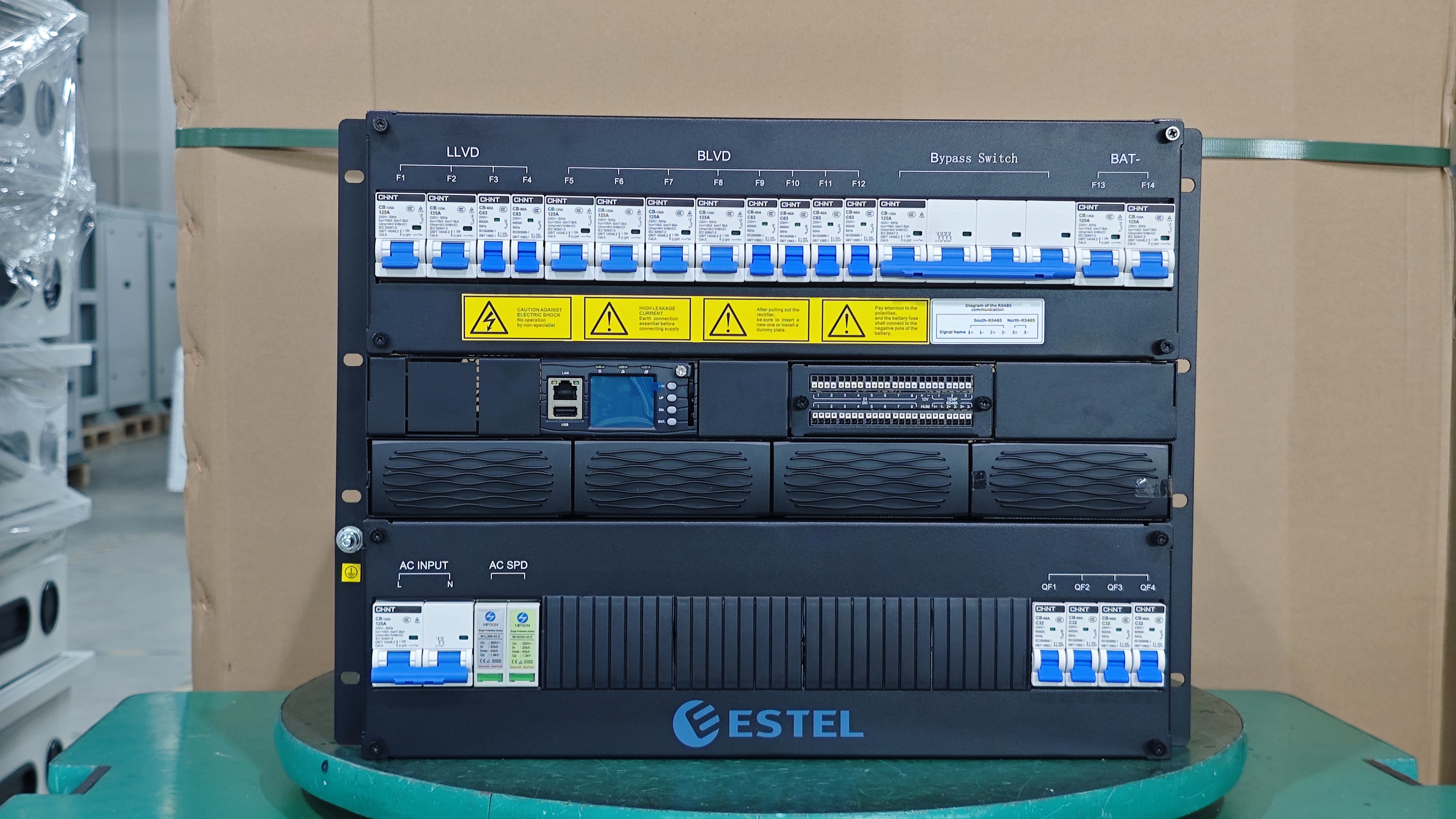
MTBF Definition for Outdoor Sites
You need to understand MTBF if you want to measure the reliability of your outdoor telecom rectifier sites. MTBF stands for Mean Time Between Failures. This metric tells you how long, on average, your equipment will run before it fails. You calculate MTBF by dividing the total operating hours by the number of failures during that period.
Tip: A higher MTBF means your rectifier system is more reliable and will require fewer repairs.
For outdoor telecom sites, MTBF matters because these locations often face harsh weather, dust, and temperature swings. You want your rectifier system to keep working without frequent breakdowns. If you set a target MTBF of 250,000 hours, you can expect long intervals between failures. This helps you plan maintenance and reduce unexpected outages.
Here’s a simple example:
Total Operating Hours | Number of Failures | MTBF (hours) |
|---|---|---|
500,000 | 2 | 250,000 |
You can use this table to track your own site’s performance.
MTTR Definition for Outdoor Sites
You also need to know MTTR, which stands for Mean Time To Repair. MTTR measures the average time it takes to fix your rectifier system after a failure. You calculate MTTR by dividing the total repair time by the number of repairs.
A lower MTTR means you can restore service quickly when something goes wrong. For outdoor telecom sites, fast repairs are critical because downtime can disrupt communication and impact customers.
Note: Aim for an MTTR of less than 4 hours to keep your network running smoothly.
You can improve MTTR by training your staff, keeping spare parts on hand, and using modular systems like those from ESTEL. Quick repairs help you maintain high uptime and meet your reliability goals.
Why MTBF/MTTR Matter
Impact on Reliability and Uptime
You need to focus on MTBF and MTTR because they directly affect the reliability and uptime of your outdoor telecom rectifier sites. When you set a high MTBF, you reduce the number of unexpected failures. This means your network stays online longer, and your customers experience fewer interruptions.
Outdoor environments can be tough on rectifier modules. You face higher failure rates outside than in controlled indoor spaces. Technical studies show:
Rectifier modules in controlled environments have a failure rate of about 0.082 failures per million hours.
In harsh outdoor conditions, the failure rate jumps to 0.3645 failures per million hours.
MTBF drops from around 12 million hours indoors to only 2.7 million hours outdoors.
These numbers show why you must set strict MTBF targets for outdoor sites. A higher MTBF helps you maintain service quality, even when facing extreme weather or dust.
Tip: Track your MTBF regularly. This helps you spot trends and take action before small issues become big problems.
Operational Efficiency
You also improve operational efficiency when you manage MTBF and MTTR well. A low MTTR means your team can fix problems quickly. You spend less time on repairs and more time keeping your network strong.
Quick repairs reduce downtime and help you avoid costly service disruptions. You can achieve this by training your staff, keeping spare parts ready, and using modular rectifier systems. Modular designs, like those from ESTEL, let you swap out faulty parts fast.
Faster repairs mean less lost revenue.
Efficient operations boost customer satisfaction.
Well-managed MTBF and MTTR lower your maintenance costs.
When you focus on these metrics, you build a network that is both reliable and cost-effective.
Target Values and Industry Standards
Recommended MTBF for Outdoor Rectifiers
You should know the industry standards for MTBF when you select equipment for your outdoor telecom sites. Most global telecom operators and equipment manufacturers set a minimum MTBF target of 100,000 hours for outdoor rectifiers. Many leading networks now aim for 250,000 hours or more. This higher target helps you reduce the risk of unexpected failures and ensures your network stays online longer.
You can see the typical MTBF targets in the table below:
Environment | MTBF Target (hours) |
|---|---|
Indoor (controlled) | 500,000+ |
Outdoor (harsh) | 100,000 – 250,000 |
A higher MTBF means you will spend less time and money on repairs. You can plan maintenance more easily. You also improve your service quality for customers. When you choose a Telecom Rectifier System with a high MTBF, you make a smart investment in your network’s future.
Tip: Always check the MTBF rating in the product datasheet before you buy a rectifier system.
Recommended MTTR for Outdoor Rectifiers
You should also set a clear MTTR target for your outdoor rectifier sites. Industry standards recommend an MTTR of less than 4 hours. Some advanced networks even aim for less than 2 hours. A low MTTR helps you restore service quickly after a failure. This keeps your network reliable and your customers happy.
You can use these strategies to achieve a low MTTR:
Train your maintenance team regularly.
Keep spare parts and tools at each site.
Use modular systems that allow quick replacement of faulty modules.
A Telecom Rectifier System with a modular design can help you reach your MTTR goals. You can swap out modules fast, which means less downtime and fewer service interruptions.
Note: Fast repairs protect your reputation and reduce your operational costs.
ESTEL Product Benchmarks
You can rely on ESTEL products to meet and exceed industry standards for both MTBF and MTTR. ESTEL designs each Telecom Rectifier System for high reliability and easy maintenance. The modular design allows you to replace parts quickly, which supports a low MTTR. The robust construction and advanced engineering help you achieve a high MTBF, even in harsh outdoor environments.
Key benchmarks for ESTEL’s Telecom Rectifier System include:
MTBF values that meet or exceed 250,000 hours for outdoor use.
MTTR typically less than 4 hours with proper site preparation.
Compliance with international standards such as ISO9001.
You benefit from features like high efficiency (over 96%), flexible input voltage options, and strong protection against dust and moisture. These strengths help you maintain a reliable network and reduce your long-term costs.
ESTEL’s commitment to quality and innovation ensures your outdoor telecom sites perform at the highest level.
Measuring and Monitoring MTBF/MTTR
Calculation Methods
You can measure MTBF and MTTR with simple formulas. For MTBF, divide the total operating hours of your Telecom Rectifier System by the number of failures during that period. For MTTR, divide the total time spent on repairs by the number of repairs completed. These calculations help you understand how often failures happen and how quickly you fix them.
Tip: Record every failure and repair time as soon as they occur. This habit ensures your calculations stay accurate.
Here is a quick reference:
Metric | Formula |
|---|---|
MTBF | Total Operating Hours ÷ Number of Failures |
MTTR | Total Repair Time ÷ Number of Repairs |
Data Collection Tips
You need reliable data to get meaningful MTBF and MTTR results. Follow these best practices:
Set up a robust data collection system for tracking failures and repairs.
Record details such as failure type, asset age, and environmental conditions.
Monitor cooling and ventilation to reduce power consumption and improve reliability.
Use AI-driven predictive maintenance to anticipate failures and minimize downtime.
Continuously check environmental factors like temperature and humidity to prevent overheating.
Accurate data helps you spot patterns and make better decisions for your outdoor sites.
Using Digital Tools
You can use digital tools to automate data collection and analysis. Many telecom operators rely on specialized software to monitor MTBF and MTTR in real time. For example, DIASECS is a communication and control application that tracks these metrics and provides clear benchmarks. This type of software helps you respond quickly to issues and maintain high reliability.
Digital tools let you set alerts for abnormal trends.
You can generate reports to share with your team.
Automated systems reduce manual errors and save time.
When you use advanced monitoring tools with your Telecom Rectifier System, you improve both reliability and operational efficiency.
Achieving Targets with Telecom Rectifier System
Preventive Maintenance Strategies
You can boost the reliability of your outdoor telecom sites by following proven preventive maintenance strategies. Start with regular inspections to catch early signs of wear or damage. Test and optimize your batteries to ensure backup power works when you need it most. Clean and ventilate your equipment to prevent overheating, especially in harsh outdoor environments. Use predictive diagnostics and advanced monitoring systems to detect faults before they cause failures. These steps help you increase MTBF and reduce MTTR.
Perform routine checks on all critical components.
Test battery capacity and balance cells regularly.
Keep cooling fans and vents free from dust and debris.
Install smart monitoring tools for early fault detection.
Well-trained staff can repair faults faster. Make sure your team understands troubleshooting and maintenance procedures.
Role of ESTEL Solutions
You can rely on ESTEL’s Telecom Rectifier System and Power System to support high MTBF and low MTTR. The modular design allows you to replace faulty modules quickly, often in under five minutes. This reduces downtime and keeps your network running. Hot-swappable components let you perform repairs without shutting down the system. High-quality spare parts and regular maintenance further improve reliability.
Modular systems make repairs simple and fast.
Double conversion online UPS technology ensures seamless power transfer.
Smart monitoring systems provide real-time oversight and proactive alerts.
Flexible input voltage options and robust construction handle tough outdoor conditions.
You benefit from continuous power delivery, superior surge protection, and efficient maintenance routines.
Continuous Improvement
You should track your MTBF and MTTR metrics over time to find areas for improvement. Integrate these metrics into your maintenance program. Proactive maintenance helps you reduce unexpected downtime and lower costs. Use remote monitoring and automated incident categorization to speed up response times. Regularly review your processes and train your staff on new technologies.
Metric Description | Improvement/Reduction |
|---|---|
Reduced by up to 35% | |
Maintenance response time | Improved by 40% |
Operational reliability | Increased by 25% |
Continuous improvement ensures your Telecom Rectifier System delivers reliable service year after year.
You need to set clear MTBF and MTTR targets to keep your outdoor telecom rectifier sites reliable. ESTEL’s Telecom Rectifier System helps you reach these goals with advanced features and strong performance.
Keep tracking your metrics and improve your processes. This approach will help you maintain high uptime and deliver excellent service to your customers.
FAQ
What does a high MTBF mean for my outdoor telecom site?
A high MTBF means your equipment will run longer without failure. You will see fewer interruptions. This helps you keep your network reliable and reduces maintenance costs.
How can I reduce MTTR at my site?
You can train your team, keep spare parts ready, and use modular systems. Quick access to tools and clear repair procedures also help you fix issues faster.
Why should I choose ESTEL’s Telecom Rectifier System?
You get high efficiency, modular design, and strong protection. ESTEL’s system supports fast repairs and long service life. You can trust it for reliable outdoor performance.
How often should I check MTBF and MTTR?
You should review these metrics monthly. Regular checks help you spot trends early. This lets you plan maintenance and avoid unexpected failures.
See Also
Essential Materials Needed for Outdoor Telecom Cabinets
Ensuring Effective Monitoring of Outdoor Telecom Cabinets
Key Factors for Longevity of Outdoor Telecom Cabinets
Calculating Power Systems and Battery Needs for Telecom Cabinets
A Complete Guide to Analyzing Risks of Telecom Cabinet Batteries
CALL US DIRECTLY
86-13752765943
3A-8, SHUIWAN 1979 SQUARE (PHASE II), NO.111, TAIZI ROAD,SHUIWAN COMMUNITY, ZHAOSHANG STREET, NANSHAN DISTRICT, SHENZHEN, GUANGDONG, CHINA
