How Multilingual Voice Control Enables Voice O&M Commands for Smart PDUs

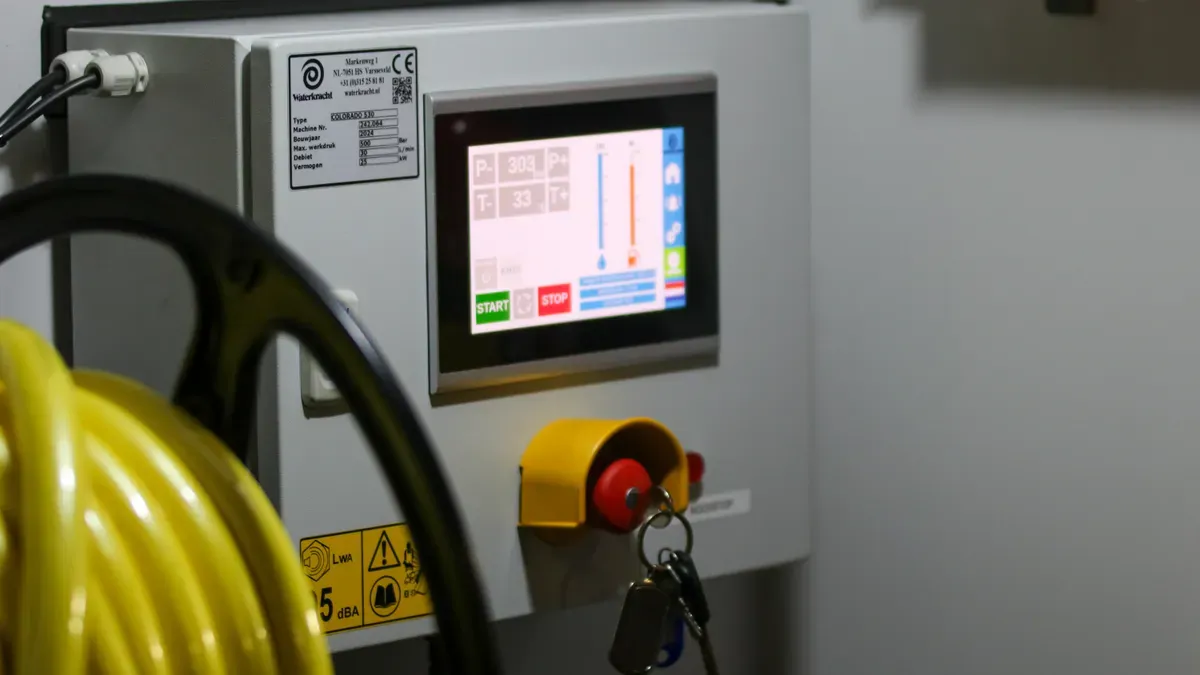
Multilingual voice control enables voice O&M commands for smart PDU operations. You speak in Chinese or English, and the system monitors and controls power distribution for you. This approach boosts efficiency and cuts manual errors.
Consider the usual pain point. During maintenance rounds, technicians stop at each rack and click through GUI or CLI screens to check status. That routine is slow and easy to get wrong.
Here is how the pieces fit together. You will see the recognition mechanism, the command layer, a practical implementation with ESTEL, and real use cases. Each part shows how spoken commands become reliable actions on your power infrastructure.
Key Takeaways
Speak commands in Chinese or English to control smart PDUs hands-free.
Voice commands speed up maintenance and reduce manual errors.
The system confirms each command before acting, so you can catch mistakes.
Voice control works well in quiet places but needs extra care in noisy areas.
You can start with one unit and add more as your team gets comfortable.
Smart PDU Basics and Voice Control Integration
What a smart PDU does
A smart PDU is a power distribution unit with metering, remote management, and intelligent protocols for racks and network equipment. It does more than deliver electricity. It measures current, reports status, and lets you act from a distance. That combination separates it from a basic power strip.
The ESTEL Smart Power Distribution Unit shows what this looks like in practice. It handles a 16A maximum input current and comes in 8–19 outlet configurations. An LCD display supports real-time monitoring at the rack. A dehumidifying function and surge protection keep conditions stable. The unit measures 600×450×185mm and uses an IEC60309-compliant plug. Remote management and remote monitoring tie these features together, so you can check and adjust a smart power distribution unit without standing in front of it. Every smart PDU in the aisle becomes a data point you can query. Intelligent protocols carry that data to your management platform, where trends and alerts appear.
Voice control of smart power distribution units
Voice control of smart power distribution units turns spoken language into digital actions. The pipeline has four parts. Voice activity detection first decides when speech begins. Wake word detection then confirms you are addressing the system. Speech-to-text converts the captured audio into words. Processing modules finally map those words to the management layer of the PDU.
This chain matters for intelligent PDUs in busy racks. You speak a command, and the system acts immediately. Feedback returns through the LCD display or a voice response. Modern speech recognition also detects Mandarin and English automatically, so no manual switching is needed. That automatic recognition keeps voice commands flowing during hands-busy work. Each step stays local or edge-based, which supports fast handling and reliable control of the smart power distribution unit. The processing module checks each request against your access rules before it reaches the outlet. A well-built smart power distribution unit answers your voice promptly, and the voice layer keeps working while your hands stay on the rack.
Multilingual Voice Control Capabilities

Chinese and English command recognition
Domain-specific natural-language understanding makes multilingual voice control practical for PDU operations. The system does not treat speech as generic text. It maps intent to the command layer of the power distribution unit. You say "check outlet three status" or "turn on outlet three" and the parser resolves the outlet number, the action, and the target device. Voice input stays hands-free during rack work. This intent mapping separates multilingual voice control from a simple transcription tool. A generic transcriber returns words. A domain model returns an executable request with filled slots: device, outlet, action, and value. The model learns the vocabulary of the domain: outlet, branch, load, threshold, and dehumidifier. That vocabulary narrows the search space and raises the odds of a correct match.
Chinese and English recognition works through a shared intent model. Both languages route to the same command schema, so a spoken request in either language produces the same digital action. This dual-language support removes the need to switch settings mid-shift. You speak naturally, and the system handles the language. A multilingual cloud service can host the language models, which keeps edge devices light. The voice layer also tolerates mixed phrasing, which helps when technical terms stay in English inside a Chinese sentence. The parser reads the intent first and the language second, so a half-translated phrase still resolves to the right outlet. Latency stays low because the intent model runs close to the audio source. You finish a phrase and the request reaches the management layer without a long round trip.
Typical commands and accent handling
Chinese and English voice commands cover the daily O&M routine. You can ask for a status check ("report load on all outlets"), switch an outlet on or off ("turn off outlet five"), adjust a threshold ("set current alarm to fifteen amps"), or toggle the dehumidifier ("start dehumidifying"). Each phrase maps to a defined action in the command set. The system confirms the action with a voice response before execution, so you catch a misheard command before it reaches the power path. These voice commands also report the current power state back to you. A readback of the outlet number and the requested change gives you one last chance to cancel. A status query returns the load figure and the outlet state. A threshold change returns the old value and the new value.
Accent handling deserves honest treatment. Speech recognition accuracy depends on the acoustic model, the microphone placement, and background noise. A well-trained model handles regional accents in both languages, yet no system reaches perfect accuracy in every condition. Expect strong performance in quiet rooms and lower accuracy beside loud cooling fans or other power equipment. You can improve results with a close-talk microphone, a short enrollment step, and clear phrasing. Critical voice commands deserve a confirmation prompt. That design keeps the loop reliable without overstating what recognition can do. Keep a manual fallback path available for the rare case when the system misreads you. Test the setup in your own room before you rely on it. Record a few phrases at normal speaking distance and check the results.
Implementing Voice Control with the ESTEL Smart Power Distribution Unit
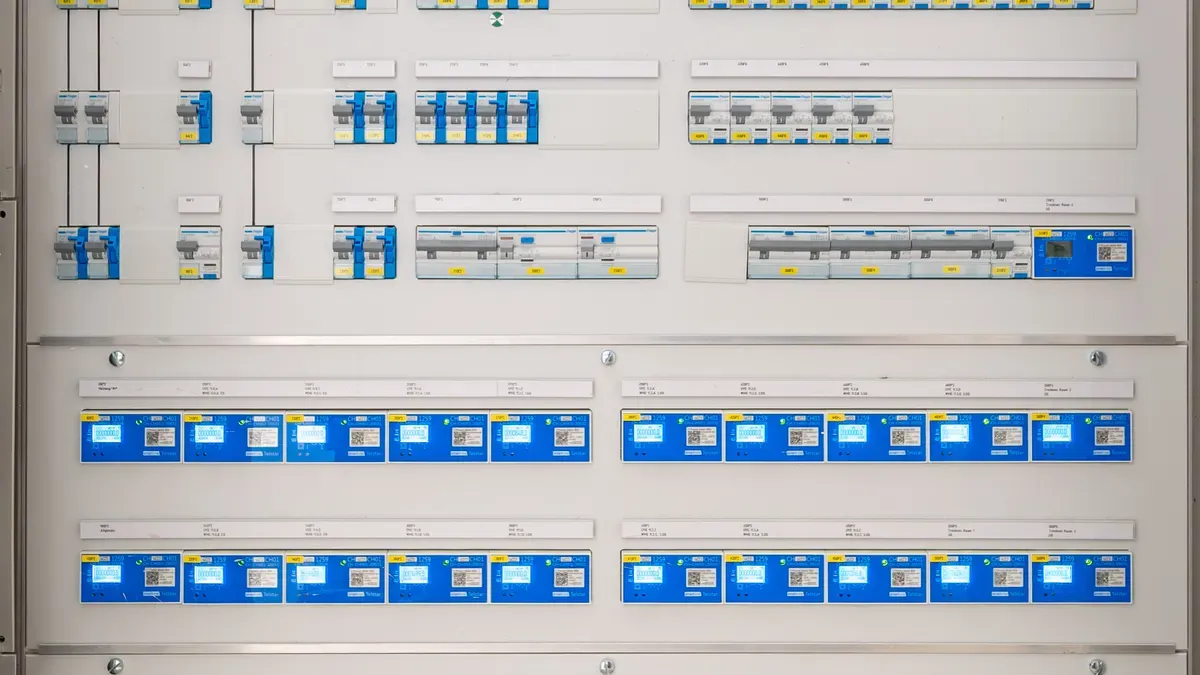
Hardware, software, and security setup
ESTEL (Tianjin Estel Electronic Science and Technology Co., Ltd) builds its smart power distribution unit on a telecom infrastructure background and ISO9001 quality control. Start with the hardware. Place a close-talk microphone or an edge device near the rack. The edge device captures audio and runs voice activity detection locally. Next, connect a speech-to-text service. You can host it on-premises or use a cloud endpoint. Then map each phrase from the recognition engine to a PDU protocol command. A spoken "turn off outlet five" becomes a defined request in the command set. Finally, add authentication and access control. Each voice-issued command must pass an identity check before it reaches the power path. Role-based rules decide who can toggle an outlet and who can only read status. The system also logs the power state at the moment of each request.
Integration with management platforms
The ESTEL smart power distribution unit integrates with your existing DCIM and remote monitoring platforms. You can monitor and control power remotely through the same dashboard you already use. The unit's remote management features feed power data into those platforms, so voice commands and manual checks share one source of truth. A voice query returns the same power readings a GUI shows. Teams without a DCIM tool can start with the unit's built-in remote management and add a platform later. Each approach has its place, and the smart power distribution unit supports both. The voice layer sits on top of the management interface, so you keep your current workflow. Your smart power distribution unit becomes a node your team can query by voice or screen. A smart PDU with multilingual support handles both Chinese and English commands. The system stores voice commands for review. Auditors can filter commands by user or time. The smart power distribution unit reports power events through standard protocols, which keeps integration straightforward. A smart power distribution unit that speaks your platform's language saves setup time. That shared power infrastructure keeps your team aligned. The unit also supports remote monitoring, so off-site staff stay informed.
Voice O&M Commands in Practice
Real-world O&M scenarios
Picture a maintenance round across a full aisle of racks. You walk the row with a clipboard and a laptop. With multilingual voice control, you speak a status query at each rack and hear the load figure back. Your hands stay free for inspection work. You finish the round faster, and you never touch a keyboard.
Hands-busy rack work shows the same benefit. You hold a cable or a tester in one hand and a flashlight in the other. A spoken command turns an outlet off before you unplug a device. You confirm the change by ear, then continue. This is where voice o&m commands earn their place: the task never pauses for a screen.
Remote site checks complete the picture. An unmanned site reports an actionable alarm at night. You open a voice session from your phone and ask for the outlet state. The smart power distribution unit answers with real-time monitoring data. You issue real-time commands to isolate the fault, and you log the event without a site visit.
Workflow efficiency before and after
The table below compares a manual GUI workflow with a spoken workflow for the same routine check.
Step | Manual GUI check | Spoken workflow |
|---|---|---|
Reach the rack | Open laptop, log in, load page | Speak the wake word |
Read status | Click through outlet screens | Ask for the load report |
Act on a fault | Navigate menus, confirm dialog | Speak the command, confirm by voice |
Record the result | Type notes after the round | Dictate the note on the spot |
The gains come from three places. First, you remove the login and navigation steps from every check. Second, your eyes stay on the equipment, so you catch physical faults a screen would hide. Third, the system logs each spoken request with a timestamp, which supports alarm management and later review.
Error reduction follows the same logic. A misheard command triggers a readback before execution, so you cancel it on the spot. Manual entry offers no such checkpoint. Technicians who speak a threshold change hear the old value and the new value in return. That loop catches slips that a hurried click would miss.
These results trace back to the core answer. Multilingual voice control converts speech into actions on the smart power distribution unit. The voice layer shortens each operation and maintenance task, and the confirmation step guards the power path. Your team spends less time at screens and more time on the equipment itself. The multilingual design also means every technician works in the language they think in, which keeps commands quick and clear during a busy shift.
Advantages and Challenges of Voice-Enabled PDUs
Key benefits for technical teams
Voice-enabled PDUs deliver measurable gains across the daily routine. Workflow efficiency tops the list. Spoken commands remove the manual steps that slow every check, and staff spend their attention on equipment instead of menus. Faster response follows the same path. The system answers quickly, which shortens reaction time during an outage and cuts downtime. Fewer errors round out the operational case. Automatic language recognition and clear voice commands reduce mistakes that arise when a technician mishears an instruction or misreads a technical term in a second language.
The table below shows how the shift looks task by task.
Task | Traditional method | Voice control method |
|---|---|---|
Turning outlets on or off | Manual switch or software | Simple voice command |
Checking power usage | Reading display | Asking for a report |
Setting alerts | Navigating menus | Speaking a command |
Language switching | Changing settings | Automatic recognition |
Language accessibility and accent adaptability extend the benefit to the whole team. Dual Chinese and English support with automatic detection lets each person speak in a preferred language, and smart algorithms handle a wide range of accents. Local processing keeps latency low and reduces the risk of data leaks. The voice module also stays portable across platforms, supports remote updates, and enables interoperability through OPC UA and flow-based programming.
In a data center where staff speak both Chinese and English, one worker says "Turn off outlet three" in Chinese while a colleague says it in English, and the unit responds instantly to both without translation or repetition. At a remote telecom site, voice commands let operators check power consumption and environmental data without touching the device, and alerts for high temperature or humidity arrive in the user's chosen language.
Practical limitations to plan for
Plan for noise first. Cooling fans and power equipment raise the error rate, so place the microphone close and test in the actual room. Accent variability deserves the same honesty. Recognition accuracy depends on the acoustic model and the speaker, and no system reaches perfect results in every condition. A short enrollment step helps.
Security of voice channels needs deliberate design. Authenticate every spoken request before it reaches the power path, and log each one for review. Keep a fallback control ready for the rare misread. A manual switch or a GUI path protects you when the audio fails. Treat voice as one control layer among several, not the only one.
Multilingual voice control turns spoken Chinese or English into actionable voice o&m commands on a smart PDU. You speak, and the unit monitors and manages power distribution for you in either language.
The implementation path is straightforward. You pair the ESTEL smart power distribution unit with a microphone, a speech-to-text service, and mapped actions. You then add authentication and platform integration for voice commands. This setup shortens each task and adds a readback that catches a misheard request before it reaches the outlet.
Adoption will keep growing as speech recognition improves. Your team can start with one smart power distribution unit, prove the workflow, and expand from there.
FAQ
Does voice control work in both Chinese and English on the same unit?
Yes. You speak in either language, and the system routes both to one shared command schema. Automatic language detection means you never switch settings mid-shift. A spoken request in Chinese and the same request in English produce the same action on the power distribution unit.
What happens if the system mishears a command?
The system reads the command back before execution. You hear the outlet number and the requested change, then confirm or cancel. This checkpoint guards the power path. Keep a manual switch or GUI path ready as a fallback for the rare misread.
Which PDU features can you control by voice?
You can query outlet status and load, switch outlets on or off, adjust current thresholds, and toggle the dehumidifier. The ESTEL Smart Power Distribution Unit supports these actions through its remote management layer, and the LCD display confirms each change at the rack.
Is voice control secure enough for production racks?
Treat security as a design task. Authenticate every spoken request before it reaches the power path. Role-based rules decide who can toggle an outlet and who can only read status. The system logs each voice command with a timestamp for later review.
Do you need a DCIM platform to start?
No. You can begin with the unit's built-in remote management and add a DCIM platform later. The voice layer sits on top of the management interface, so your current workflow stays intact. Both paths share one source of power data.
See Also
Discovering ESTEL PDUs And Their Function In Data Center Cabinets
Learning About Outdoor Communication Cabinets And Their Telecom Importance
A Guide To Installing And Maintaining Smoke Sensors In Cabinets
How ESTEL Assists Small Businesses In Selecting The Best Cabinet
The Critical Importance Of Outdoor Cabinets For Modern Telecom Networks
CALL US DIRECTLY
86-13752765943
3A-8, SHUIWAN 1979 SQUARE (PHASE II), NO.111, TAIZI ROAD,SHUIWAN COMMUNITY, ZHAOSHANG STREET, NANSHAN DISTRICT, SHENZHEN, GUANGDONG, CHINA
