N+2 Ultra-Redundant Architecture Telecom Rectifier System for Zero-Outage Power Supply of Core Network Elements


You need absolute confidence that your core network elements will never lose power, even during unexpected failures. N+2 ultra-redundant architecture gives you this assurance by providing two additional power modules beyond your network’s actual demand. With ESTEL’s deep expertise and advanced Telecom Rectifier System, you can achieve unmatched reliability. N+2 redundancy sets a higher standard than N+1 models, offering true zero-outage protection for mission-critical telecom infrastructure.
Key Takeaways
N+2 redundancy provides two extra power modules, ensuring continuous operation even during multiple failures.
This architecture minimizes downtime and enhances reliability, making it ideal for mission-critical telecom infrastructure.
Maintenance can occur without shutting down the system, allowing for seamless upgrades and repairs.
Advanced monitoring tools help detect issues early, ensuring proactive maintenance and zero-outage power supply.
ESTEL’s Telecom Rectifier System supports scalability, allowing easy addition of modules as power needs grow.
N+2 Redundancy in Telecom Rectifier System
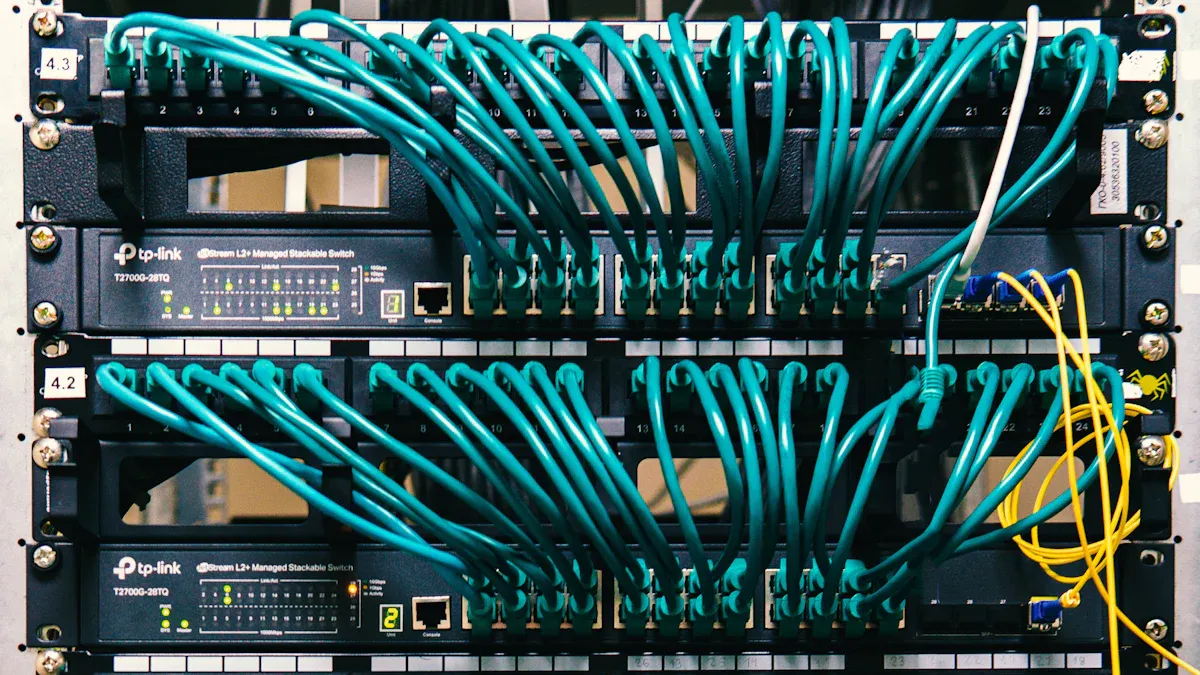
N+2 Architecture Overview
You need a power system that stands up to unexpected failures. N+2 redundancy gives you two extra rectifier modules beyond what your network requires. This setup means your Telecom Rectifier System keeps running even if two modules fail. You get continuous power for your core network elements. ESTEL implements N+2 redundancy by adding these extra modules, making the system ideal for environments where service interruptions are unacceptable.
N+2 architecture protects your network from multiple points of failure. You can trust that your Telecom Rectifier System will deliver power without interruption, even during maintenance or unforeseen events.
Comparison with N+1 Models
You may wonder how N+2 differs from N+1. In an N+1 configuration, you have one extra power supply unit. If one fails, your system continues to operate. N+2 takes reliability further. You get two backup modules, so your system withstands two simultaneous failures. This approach reduces risk and increases uptime.
N+1: One backup module. Handles a single failure.
N+2: Two backup modules. Handles two failures. Provides higher reliability.
You see the difference in critical applications. N+2 ensures your Telecom Rectifier System delivers power even when facing multiple issues. You avoid outages and keep your network running.
Why N+2 Is Essential for Core Networks
Your core network elements demand the highest level of reliability. Outages can disrupt communication and impact business operations. N+2 redundancy gives you peace of mind. You know your Telecom Rectifier System will continue to supply power, even during maintenance or unexpected failures.
You benefit from:
Zero-outage power supply for mission-critical equipment.
Simplified maintenance, since you can replace modules without shutting down the system.
Enhanced protection against cascading failures.
ESTEL’s Telecom Rectifier System uses N+2 architecture to meet the needs of telecom operators. You get a solution designed for demanding environments, ensuring your network stays online and your customers stay connected.
Key Components and Features
Rectifier Modules and Controllers
You rely on a robust system to keep your network running. The Telecom Rectifier System from ESTEL uses advanced modules and intelligent controllers to deliver stable power. Each module plays a specific role in the system’s performance. The table below outlines the main components and their functions:
Component | Function |
|---|---|
Rectifier Stage | Converts AC electricity into DC. |
DC-to-DC Converter | Regulates the DC voltage to meet the specific requirements of telecom equipment, typically 48V DC. |
Battery Backup System | Provides continuous power during outages, ensuring network uptime. |
EMI Filter | Reduces electromagnetic interference, maintaining stable operation of connected devices. |
You can see how each part works together to ensure your equipment receives clean, reliable power.
Power Distribution and Redundancy
You benefit from a modular design that sets the Telecom Rectifier System apart. Each module operates independently, which means you can maintain or replace one without affecting the rest of the system. The table below highlights the advantages of this modular approach:
Benefit | Explanation |
|---|---|
Independent Operation | Each module can function on its own, which prevents system-wide disruptions during maintenance. |
Easy Expansion | New modules can be added as needed, allowing for scaling without major overhauls. |
Cost Efficiency | Investment in additional modules can be deferred until necessary, reducing upfront costs. |
Simplified Maintenance | Faulty modules can be replaced individually, minimizing downtime and maintaining overall system performance. |
You gain flexibility and peace of mind, knowing your power system adapts as your network grows.
ESTEL Telecom Rectifier System Advantages
You achieve outstanding efficiency with ESTEL’s Telecom Rectifier System. Many modules reach conversion rates up to 98%. This level of efficiency stands well above the industry average of 93%. You also benefit from:
Consistent efficiency rates above 95%, which minimize energy loss and reduce operational costs.
Lower energy bills and less heat generation, supporting your sustainability goals.
Adaptability to various input voltages, including AC220VAC and 380VAC, so you can deploy the system in diverse environments.
You secure reliable, scalable, and cost-effective power for your core network elements with ESTEL’s advanced solutions.
Zero-Outage Power Supply Operation
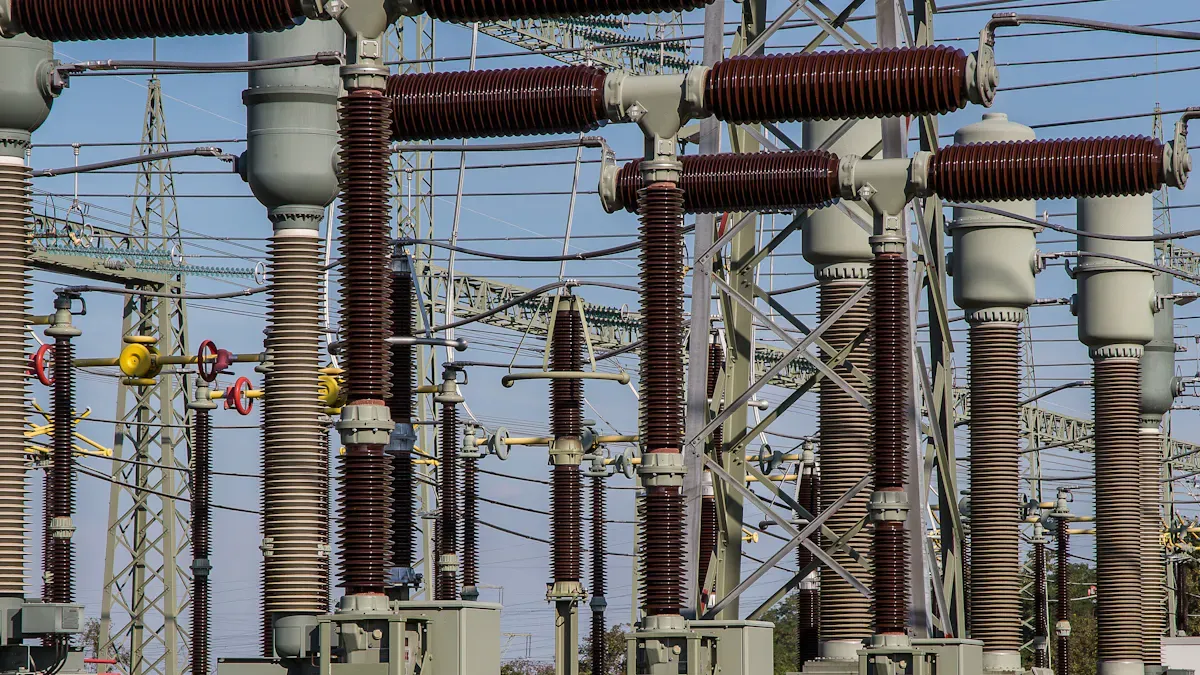
Power Continuity During Failures
You need your network to stay online, even when unexpected failures occur. N+2 architecture guarantees power continuity by providing two extra rectifier modules. If one or two modules fail, the system keeps delivering power without interruption. You avoid outages and maintain service quality for your customers.
The Telecom Rectifier System from ESTEL uses advanced monitoring and control features. You can integrate sensors and monitoring devices into your telecom cabinets. These devices collect data on temperature, voltage, and other critical parameters. You use software platforms to analyze this data and generate actionable insights. This proactive approach helps you detect issues early and respond before failures impact your network.
Safety should always be your top priority during maintenance. Working with rectifier modules involves electrical hazards, so following strict safety protocols is essential.
Maintenance Without Downtime
You want to perform maintenance without shutting down your network. N+2 redundancy allows you to replace or repair modules while the system continues to operate. You minimize downtime and keep your core network elements powered.
Comprehensive technical training equips your maintenance team with the skills needed to handle rectifier modules effectively. Your team identifies issues faster and performs repairs accurately. You optimize timing, resources, and staffing to ensure efficient maintenance.
The table below outlines operational procedures for maintaining ESTEL telecom rectifier systems without downtime:
Strategy | Purpose |
|---|---|
Set Your Goals | Increase efficiency, prevent downtime |
Consider the Logistics | Optimize timing, resources, and staffing |
Use OEM Checklists As a Guide | Follow manufacturer recommendations |
Gather Useful Data | Compile equipment data for efficient repairs |
Assign the Tasks | Break down goals into manageable tasks |
You follow these procedures to maintain your system and avoid interruptions.
Real-World Scenarios
You face real-world challenges that test your power system. Imagine a remote telecom site during a storm. Two rectifier modules fail due to electrical surges. Your N+2 configuration keeps the network running. You replace the faulty modules without shutting down the system.
Another scenario involves scheduled maintenance. You need to upgrade modules in your Telecom Rectifier System. N+2 redundancy lets you perform upgrades while your network stays online. You avoid service disruptions and maintain customer satisfaction.
You also benefit from continuous monitoring. Sensors detect abnormal temperature or voltage. You receive alerts and take action before failures occur. You protect your network and ensure zero-outage power supply.
You rely on ESTEL’s solutions to deliver reliable power in demanding environments. You maintain uptime, reduce operational risks, and support your business goals.
Benefits and Implementation
Reliability and Uptime
You demand the highest reliability for your telecom network. N+2 architecture gives you an extra layer of redundancy, which means your system continues to operate even if two rectifier modules fail. This design minimizes downtime and increases the safety margin for your core network elements. You benefit from:
Continuous operation during component failures or scheduled maintenance.
Enhanced reliability, especially in large-scale deployments.
Reduced risk of service interruptions, keeping your network available for customers.
You can trust that your power supply will support your business goals and maintain service quality.
Scalability and Maintenance
You need a system that grows with your network. The modular design of ESTEL’s solutions allows you to add or replace rectifier modules as your power requirements change. You achieve high Mean Time Between Failures (MTBF) and low Mean Time To Repair (MTTR) by following these best practices:
Design for modularity and easy replacement of components.
Ensure proper airflow and spacing for effective thermal management.
Monitor battery health and use correct charging parameters.
Employ intelligent monitoring systems for real-time updates and proactive maintenance.
Keep spare parts available to reduce repair times.
You simplify maintenance and expansion, which helps you control costs and optimize performance.
Integration with Existing Infrastructure
You want seamless integration with your current telecom setup. Start with a thorough site assessment to evaluate your existing infrastructure and load. Select the right modular rectifier modules based on your power needs and efficiency goals. Follow technical guidelines and safety protocols during installation. ESTEL rectifier modules also support integration with renewable energy sources, such as solar or wind power. This flexibility helps you reduce reliance on traditional energy and optimize power usage with smart technologies.
You ensure your Telecom Rectifier System fits smoothly into your network, supporting both current and future requirements.
Challenges and Solutions
Deployment Pitfalls
You may encounter several challenges when deploying N+2 ultra-redundant telecom rectifier systems. Site constraints can limit space for additional modules. Inadequate planning sometimes leads to improper integration with existing infrastructure. Environmental factors, such as extreme temperatures or dust, can affect system performance. You might also face issues with cable management or grounding, which can compromise safety and reliability.
ESTEL helps you overcome these obstacles by offering:
Best practices for deployment and maintenance, ensuring optimal placement and integration.
Advanced monitoring tools that provide real-time visibility and operational control. You can identify issues early and perform proactive maintenance.
Comprehensive technical documentation and training resources that guide your installation team, helping you avoid common mistakes and reduce downtime.
Tip: Always review technical documentation before installation. This step helps you prevent costly errors and ensures a smooth deployment.
Best Practices
You can maximize the reliability of your N+2 system by following proven best practices:
Choose the right redundancy model for your needs. N+1 provides one extra unit, while N+2 adds two for improved reliability. 2N doubles all power components for maximum protection.
Conduct regular load testing to confirm that batteries and modules deliver their rated capacity.
Schedule preventive maintenance and monitor system health using intelligent tools.
Train your team on proper installation and safety protocols.
These steps help you maintain continuous power and extend the lifespan of your equipment.
ESTEL Case Studies
Many telecom operators have improved network uptime by deploying ESTEL’s N+2 rectifier systems. For example, a major provider in Southeast Asia faced frequent outages due to harsh weather. After installing ESTEL’s modular rectifier system with advanced monitoring, the provider achieved zero-outage performance, even during severe storms.
Another client integrated ESTEL’s system into an existing network. The modular design allowed seamless expansion as demand grew. Real-time monitoring enabled the team to detect and resolve issues before they affected service.
You can rely on ESTEL’s expertise and proven solutions to overcome deployment challenges and ensure reliable power for your core network elements.
You secure zero-outage power for your core network elements with N+2 ultra-redundant architecture. Reliable power forms the backbone of telecom infrastructure, supporting high uptime and compliance with international standards. The table below highlights key industry priorities:
Benefit/Standard | Description |
|---|---|
High Uptime | Achieves 99.999% uptime, minimizing downtime and preventing costly outages. |
Extra modules ensure continuous operation during failures. |
Choose ESTEL’s Telecom Rectifier System and Telecom Power System to future-proof your network and maintain service excellence.
FAQ
What does N+2 redundancy mean for my telecom power system?
N+2 redundancy means you have two extra rectifier modules beyond your network’s actual power needs. You gain protection against two simultaneous failures, ensuring your core network elements always receive uninterrupted power.
How do I integrate ESTEL’s Telecom Rectifier System into my existing setup?
You can install ESTEL’s rectifier modules in standard 19-inch racks. The modular design allows you to add or replace units easily. You should follow ESTEL’s technical guidelines for seamless integration and optimal performance.
Can I perform maintenance without shutting down my network?
Yes, you can. N+2 redundancy lets you replace or repair modules while the system continues to operate. You maintain uptime and avoid service interruptions during maintenance activities.
What input voltages do ESTEL rectifier systems support?
AC220VAC
380VAC
You can deploy the system in diverse environments. The flexible input voltage options ensure compatibility with different power sources.
See Also
Ensuring Consistent Power Supply for Telecom Equipment
Solar Inverter and Battery Solutions for Telecom Cabinets
Energy Storage Solutions Using Solar Power for Telecom
Calculating Power Systems and Battery Needs for Telecom
Understanding -48VDC Voltage and Grounding in Telecom Cabinets
CALL US DIRECTLY
86-13752765943
3A-8, SHUIWAN 1979 SQUARE (PHASE II), NO.111, TAIZI ROAD,SHUIWAN COMMUNITY, ZHAOSHANG STREET, NANSHAN DISTRICT, SHENZHEN, GUANGDONG, CHINA
