The Heart of Telecom Backup: How Rectifiers and Battery Banks Work Together for Uptime

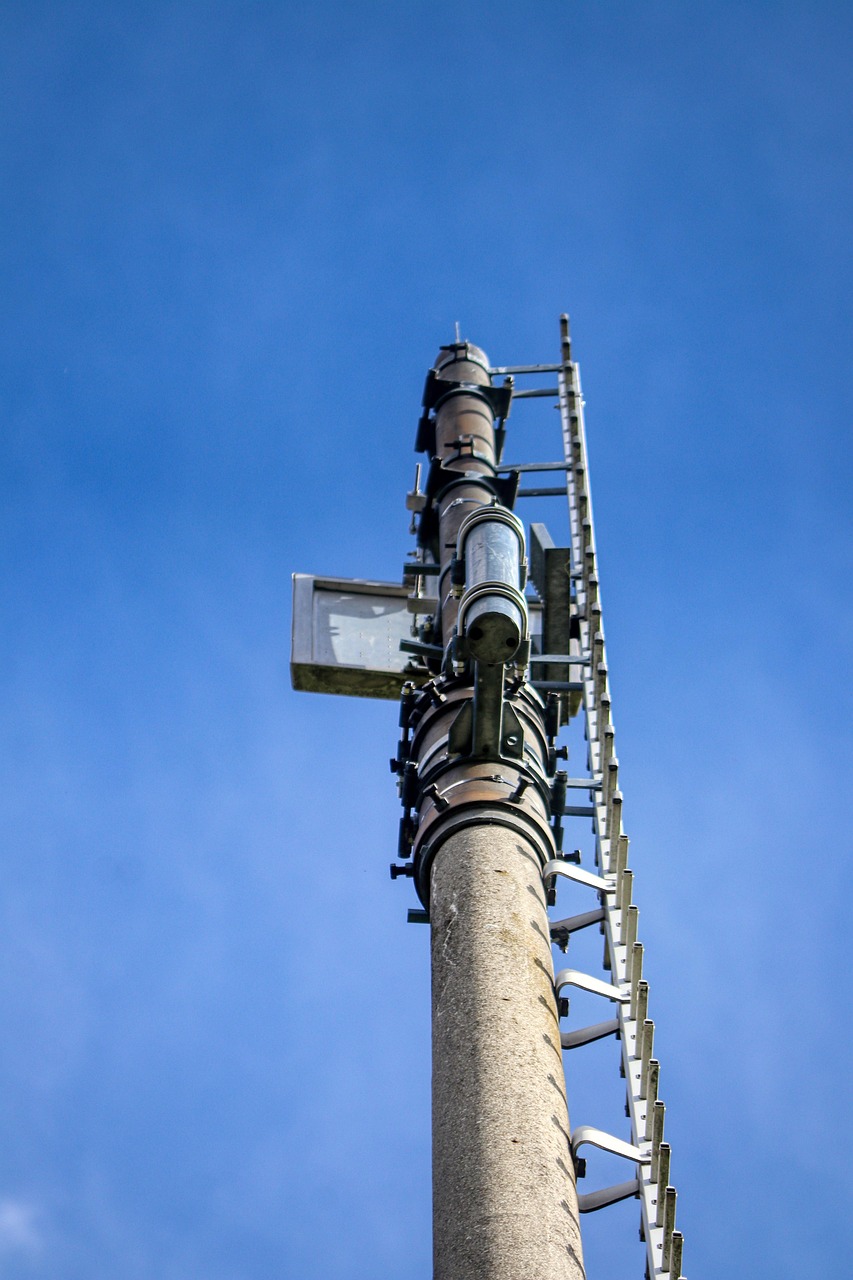
Rectifiers and battery banks form the backbone of telecom reliability by ensuring that critical equipment always receives stable power. Rectifiers convert alternating current from the grid into direct current, which telecom devices need to function without interruption. Battery banks store energy and provide backup during outages, keeping systems running when the main supply fails. The integration of diesel generators with battery banks creates a dependable solution for continuous operation. A Power Backup System from trusted brands like ESTEL uses these components to maintain service, even during power interruptions.
Key Takeaways
Rectifiers convert AC power from the grid into DC power, essential for telecom equipment to function reliably.
Battery banks provide backup power during outages, ensuring telecom systems remain operational for hours, even when the main supply fails.
Implementing redundancy in power systems minimizes downtime by allowing backup components to take over instantly if a primary component fails.
Regular maintenance checks, such as voltage measurements and visual inspections, are crucial for extending the lifespan of rectifiers and battery banks.
Using high-quality components and modern battery technologies enhances system reliability and reduces the risk of service interruptions.
Why Uptime Is Critical
Impact of Power Loss
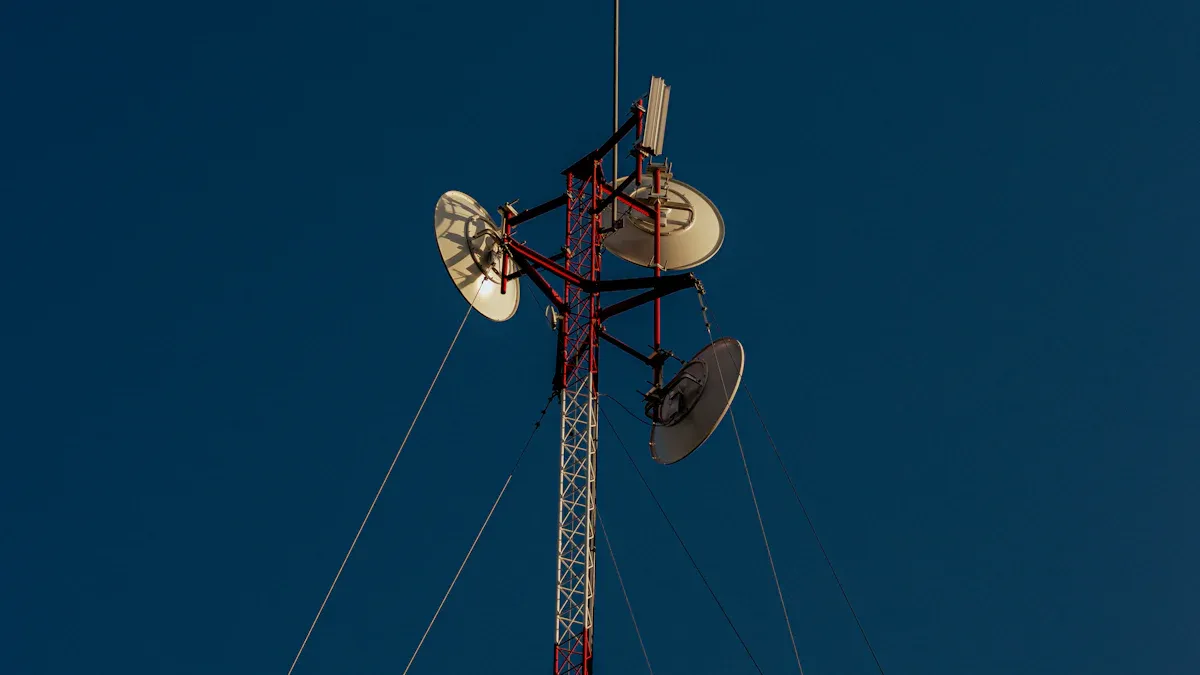
Telecom networks serve as the backbone for modern communication. When power loss strikes, the consequences reach far beyond inconvenience. Companies face significant financial setbacks during outages.
A global internet outage lasting just one minute can cost over $20 million.
Major companies, such as Amazon, may lose nearly $1 million for every minute of downtime.
Increased demand for customer service during outages often overwhelms support teams, resulting in longer wait times and unsatisfactory experiences.
Some telecom providers, like Rogers, have issued refunds totaling approximately CAD 150 million due to network outages.
Legal actions, including class action lawsuits, highlight the financial and reputational risks of downtime.
Power loss also disrupts critical services.
Emergency services, including police and fire departments, rely on telecom networks for rapid response.
Healthcare communications and public data transactions depend on uninterrupted connectivity.
Downtime can threaten public safety and economic stability.
Essential infrastructure, such as water treatment and energy distribution, requires highly reliable networks. Many organizations demand a standard of 99.999% uptime to avoid unacceptable disruptions.
The effects of power loss extend to lost productivity and brand reputation.
Unplanned downtime costs 35% more per minute than planned downtime, with average losses exceeding $400,000 per hour.
Nearly half of IT leaders identify lost productivity as the most expensive aspect of downtime.
Damage to brand reputation and customer trust can make it difficult to attract new customers.
Need for Reliable Backup
A reliable Power Backup System ensures that telecom networks remain operational during power interruptions. Battery backup systems can sustain power for 24 to 72 hours or more, allowing time for service restoration. The integration of uninterruptible power supply systems and generators further speeds up recovery. High reliability standards drive the need for robust backup solutions, especially in regions with unstable grids or frequent natural disasters. Emergency networks and off-grid tower deployments also require dependable backup. Modern battery technologies, such as lithium iron phosphate, offer long lifespans and low maintenance, making them a preferred choice for reliability.
Reliable backup systems protect both critical infrastructure and the reputation of telecom providers.
Power Backup System Components
Rectifier Function
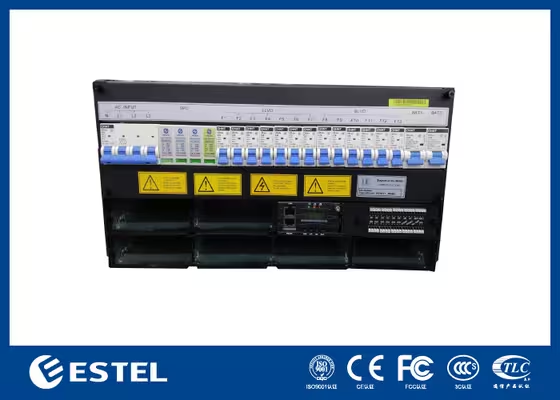
Rectifiers serve as the first line of defense in a Power Backup System. They convert alternating current (AC) from the utility grid into direct current (DC), which telecom equipment requires. Rectifiers use diodes to control the direction of current flow. In a half-wave rectifier, only the positive half of the AC cycle passes through, creating a pulsating DC output. Full-wave rectifiers use both halves of the AC cycle, resulting in a smoother DC supply. Bridge rectifiers, which use four diodes, provide efficient full-wave rectification and ensure a consistent DC output. Filter circuits, such as capacitors and inductors, help smooth voltage fluctuations, delivering clean DC power to sensitive devices.
Telecom rectifiers can achieve efficiencies of up to 96%.
Only about 4% of power is lost during the conversion process.
Battery Bank Role
Battery banks store energy and provide backup power when the main supply fails. They ensure that telecom systems continue to operate during outages. The minimum standard for battery backup at remote terminals is four hours. Many wireline providers design their remote terminals for eight hours of backup. About 80% of wireless remote terminals have at least four hours of emergency backup power.
The most common batteries in telecom are lead-acid and lithium ion types.
Valve-regulated sealed lead-acid batteries offer reliability and require little maintenance.
Lithium iron phosphate batteries provide high energy density and long cycle life.
Inverter and UPS Integration
Inverters and uninterruptible power supply (UPS) systems play a crucial role in a Power Backup System. UPS systems deliver immediate power during outages, preventing downtime. The transition from utility to battery power happens with zero transfer time, ensuring continuous operation. UPS systems also regulate voltage, protect against surges, and filter electrical noise. These features keep telecom equipment safe and operational. In sectors where data integrity matters, UPS systems protect against data loss by keeping servers and data centers running during power disruptions.
ESTEL’s Modular Redundancy
ESTEL’s modular redundancy architecture increases the reliability of a Power Backup System. The modular design allows for easy replacement or upgrades of components, which minimizes operational disruption. Remote monitoring helps identify and resolve issues before they cause outages. Load balancing and surge protection mechanisms further enhance system reliability.
Redundant power setups ensure continuous operation even if a module fails.
Extra modules automatically take over when one fails, reducing downtime.
Hot-swappable designs allow for module replacement without shutting down the system.
N+1 redundancy provides backup for a single module failure, while N+2 configurations handle two simultaneous failures, increasing resilience.
System Operation and Interaction
Normal Power Conversion
Telecom networks rely on a continuous flow of electricity to keep communication lines open. During normal operation, the rectifier stands as the central component in the power chain. It receives alternating current from the utility grid and transforms it into direct current, which telecom equipment requires for stable performance. The process involves several key steps:
Utility power enters the system.
Rectifiers convert alternating current (AC) into direct current (DC).
The converted DC power flows through power distribution units (PDUs).
PDUs allocate energy to various components within the telecom infrastructure.
Inverters may convert excess DC power back into AC for specific applications.
Rectifiers do more than just supply power to equipment. They also maintain the charge of battery banks. This ensures that batteries remain ready for emergencies. As the batteries sit idle, they slowly lose charge through self-discharge. The rectifier compensates for this by providing a regulated and filtered DC output, which keeps the batteries healthy and fully charged.
When stationary batteries are in use, a charge has to be maintained on them whether it is to compensate for self-discharge or to recharge the battery after discharge. The dc output of the rectifier/charger must be well filtered and regulated to be able to do this without having a detrimental effect on the battery.
This careful balance between rectifiers and battery banks forms the foundation of a reliable Power Backup System.
Backup During Outages
Power interruptions can happen at any time. When the main grid supply fails, the system must switch to backup power instantly to prevent downtime. Battery banks respond within milliseconds, supplying direct current to telecom equipment without delay. This rapid response is essential for sensitive devices that cannot tolerate even a brief loss of power.
Battery systems can respond to power outages in milliseconds, ensuring that critical machinery remains online.
This rapid response is crucial for facilities with sensitive equipment that cannot afford any downtime.
Battery energy storage systems (BESS) can take on the load in milliseconds, ensuring that sensitive equipment remains operational, unlike generators which may take longer to start.
The transition from grid power to battery backup happens so smoothly that users and connected devices do not notice any interruption. For example, in large-scale networks like those in Guangzhou, China, hybrid systems support millions of calls daily. These networks rely on seamless power transitions to maintain communication between users in different environments, such as underground metro systems and above-ground locations. In Finland, the Virve network for emergency services uses advanced backup systems to guarantee uninterrupted service during technology upgrades. In Mexico, the MXLINK service combines multiple operators to provide resilient coverage, ensuring public safety communications remain active during outages.
Redundant Design for Uptime
Telecom providers design their backup systems with redundancy to minimize the risk of service interruptions. Redundancy means duplicating critical components or creating backup paths for power and data. This approach reduces single points of failure and increases overall system resilience.
Redundancy is the cornerstone of reliable RF systems. It keeps operations running when failure isn’t an option. From duplicating components to creating geographically dispersed backups, redundancy ensures systems stay resilient. In telecommunications, redundancy prevents service interruptions during fiber optic line failures, rerouting traffic through backup links without users noticing a lapse.
Redundant designs can include:
Duplicating parts of a system, such as hardware or network paths.
Minimizing single points of failure.
Improving performance and enhancing security.
Industry benchmarks for uptime often require hot standby systems, where a secondary system runs in parallel and takes over instantly if the primary system fails. Warm standby setups keep backup systems partially active, ready to come online quickly. Cold standby systems remain offline until needed, which takes more time to activate. Providers choose the appropriate level of redundancy based on the critical nature of their services and the potential financial and regulatory consequences of downtime.
A well-designed Power Backup System with modular redundancy, like those from ESTEL, ensures that telecom networks maintain high availability. This design supports seamless transitions, rapid recovery, and continuous operation, even during unexpected failures.
Maintenance and Best Practices
Routine Checks
Routine checks form the backbone of reliable telecom backup systems. Technicians perform visual assessments, voltage measurements, and internal resistance checks to keep rectifiers and battery banks in optimal condition. These inspections help identify issues early, preventing failures and ensuring continuous backup power. Regular monitoring of voltage, temperature, and resistance allows teams to assess battery health and readiness for emergencies. Even sealed batteries require visual checks for swelling, corrosion, or casing damage. Measuring voltage and internal resistance helps predict when batteries approach the end of their useful life.
Recommended Interval | |
|---|---|
Visual Assessments | Monthly |
Voltage and Internal Resistance Measurements | Quarterly |
Battery Replacements | Every three years |
Effective battery maintenance balances preventive measures with regular checks to ensure maximum uptime and long-term reliability.
Addressing Common Issues
Telecom backup systems face several frequent challenges. Legacy lead-acid batteries often provide limited autonomy, sometimes only a few hours of runtime. Extreme temperatures can shorten battery life and degrade performance. Traditional battery banks may require frequent fluid checks and on-site servicing, increasing maintenance costs. Space and weight constraints at tower sites also limit battery options.
Natural disasters, grid failures, equipment malfunctions, and energy shortages can all disrupt power supply. To address these issues, teams should:
Provide regular training to reduce human error.
Update backup solutions and consult technology experts.
Schedule routine tests to verify backup reliability.
Monitor storage capacity and use multiple storage locations.
Stay alert to cybersecurity threats that could impact backup systems.
Ensuring Longevity
Proper maintenance extends the lifespan of both rectifiers and battery banks. Teams should use correct charging settings to prevent overcharging or undercharging. Environmental controls help maintain optimal temperatures, which is crucial for battery health. Regular inspections catch problems like swelling or corrosion before they cause failures. Preventing deep discharge reduces battery strain and extends service life. Keeping detailed records allows for tracking performance trends and planning proactive maintenance.
Best Practice | Description |
|---|---|
Effective Maintenance | Ensures consistent power delivery and reduces downtime through monitoring and predictive maintenance. |
Implementing Redundancy | Incorporates backup systems to ensure uninterrupted power supply during failures. |
Using High-Quality Components | Invests in durable and efficient components to enhance system reliability and longevity. |
Training Teams for Maintenance | Equips staff with necessary skills for troubleshooting and system management. |
Regular care and best practices help telecom providers achieve high reliability and maximize the value of their backup investments.
Rectifiers and battery banks work together to keep telecom systems reliable. Their advanced features support quick backup activation and high energy efficiency. The table below shows how these systems improve performance and reduce downtime:
Feature | Benefit |
|---|---|
Modular Design | Easy expansion and maintenance without downtime |
Hot Swap Technology | Part replacement without shutting down |
Advanced Monitoring | Real-time checks for fast issue resolution |
High Energy Efficiency | Up to 97% efficiency, lowering costs |
Brands like ESTEL use N+1 redundancy to reach 99.982% uptime, matching Tier III data centers. Regular maintenance ensures these systems protect networks every day.
FAQ
What is the main purpose of a rectifier in telecom backup systems?
A rectifier changes alternating current (AC) from the power grid into direct current (DC). Telecom equipment needs DC to work properly. Rectifiers also keep batteries charged and ready for emergencies.
How long can battery banks support telecom equipment during a power outage?
Battery banks usually provide backup power for 4 to 8 hours. Some advanced systems can last up to 72 hours. The exact time depends on battery size, type, and the equipment’s power needs.
Why is modular redundancy important in telecom power systems?
Modular redundancy allows the system to keep running if one part fails. Extra modules take over automatically. This design reduces downtime and makes maintenance easier.
What maintenance tasks help extend battery life in telecom systems?
Task | Benefit |
|---|---|
Regular inspections | Finds problems early |
Voltage checks | Ensures proper charging |
Temperature control | Prevents overheating |
Timely replacements | Avoids sudden failures |
See Also
Methods For Calculating Power Systems And Batteries In Telecom
Battery And Inverter Systems For Grid-Connected Telecom Cabinets
Batteries For Energy Storage In ESTEL Telecom Cabinets
CALL US DIRECTLY
86-13752765943
3A-8, SHUIWAN 1979 SQUARE (PHASE II), NO.111, TAIZI ROAD,SHUIWAN COMMUNITY, ZHAOSHANG STREET, NANSHAN DISTRICT, SHENZHEN, GUANGDONG, CHINA
