PSU in Telecom: Understanding the Role of Rectifiers in the Power Supply Unit Ecosystem

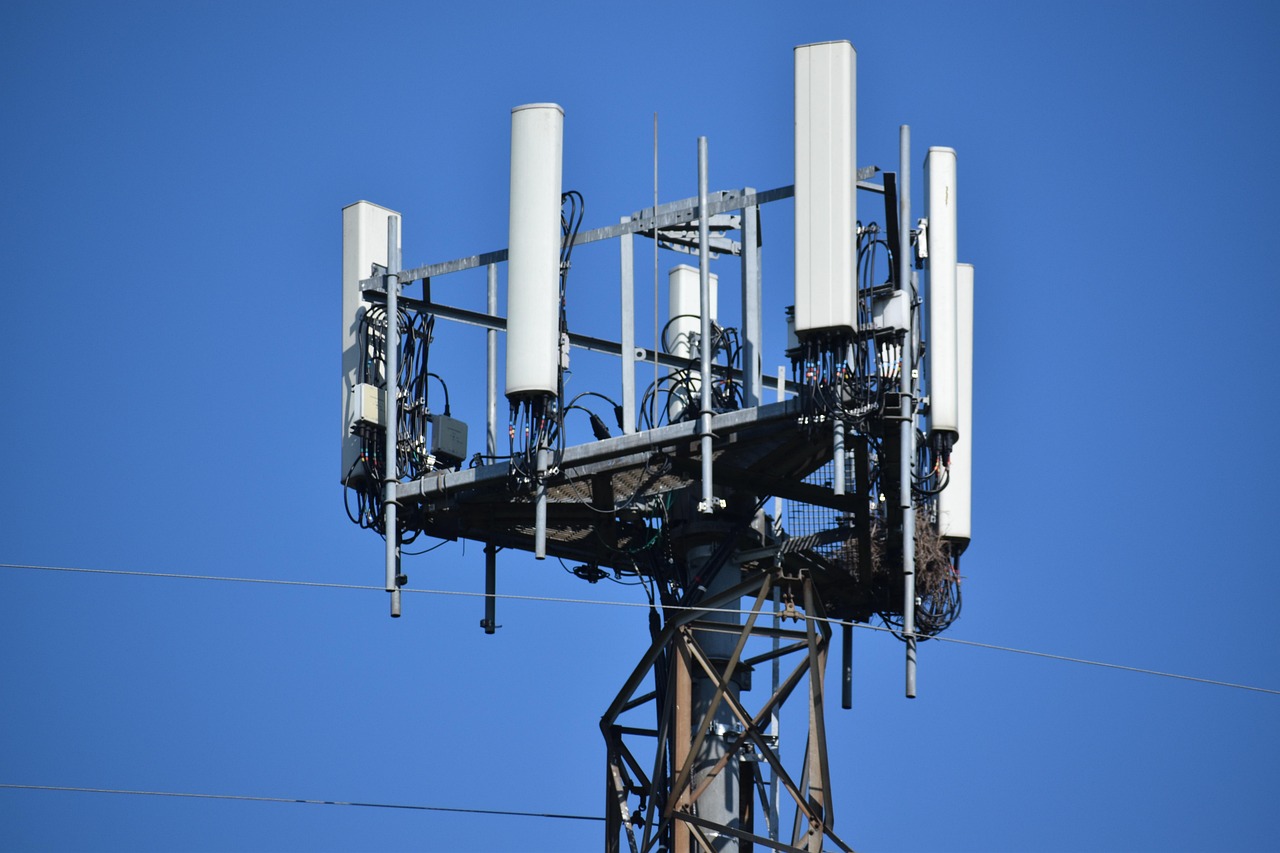
Rectifiers serve as the heart of a Power Supply Unit in telecom by converting AC power to the stable DC power that your equipment needs. Reliable DC power keeps your network running smoothly and protects your devices from electrical noise and surges. You can see these benefits with systems like ESTEL’s Telecom Rectifier System and Telecom Power System, which deliver efficient, uninterrupted power for your operations.
Stable DC power ensures your network stays online.
It reduces energy loss and supports battery backup during outages.
It handles power fluctuations with ease.
Key Takeaways
Rectifiers convert AC power to stable DC power, ensuring your telecom network runs smoothly.
High-efficiency rectifiers can save energy costs and reduce heat, leading to longer equipment life.
Choosing the right rectifier system enhances reliability and allows for easy upgrades as your network grows.
Modular designs in rectifier systems simplify maintenance and minimize downtime during upgrades.
Remote monitoring features help you track performance and quickly address any issues in your power supply.
Power Supply Unit Basics in Telecom

What Is a Power Supply Unit?
A Power Supply Unit in telecom acts as the backbone of your network’s electrical system. You use it to convert incoming AC power from the grid into the DC power that telecom devices require. This conversion process ensures your equipment receives the right type of energy, keeping your network stable and operational.
You will find several types of Power Supply Units in telecom infrastructure:
Basic PDUs distribute power without extra features.
Metered PDUs let you monitor power locally.
Monitored PDUs allow remote tracking of power use.
Switched PDUs give you remote control over outlets.
Intelligent PDUs combine monitoring and control for advanced management.
These units are designed for high reliability, so your communication stays uninterrupted even in demanding conditions.
Why Stable Power Matters
Stable power is essential for telecom networks. If your equipment receives unstable or fluctuating power, you risk outages, data loss, or even hardware damage. A Power Supply Unit provides the necessary energy to keep your devices running and ensures continuous communication. It delivers stable and efficient power, which is vital for networks in both cities and remote areas.
Tip: Reliable power means fewer interruptions and less maintenance for your network.
Here is a quick look at typical voltage ranges for telecom power systems:
Input Voltage Range | Output Voltage Range |
|---|---|
85-264 VAC | 1.8V – 48VDC |
ESTEL’s Telecom Power System Overview
ESTEL’s Telecom Power System stands out for its adaptability and efficiency. You can use it in a wide range of environments, thanks to its broad input voltage range and natural cooling design. The system combines advanced rectifiers, batteries, and monitoring tools to support seamless communication and reduce energy costs. You can customize the configuration to match your specific needs, whether you need more battery capacity or advanced monitoring features. The modular design lets you scale up as your network grows, and the system’s high efficiency—up to 96%—means you save on energy costs while maintaining reliable service.
Rectifiers and Their Role
What Is a Rectifier?
You rely on rectifiers to convert alternating current (AC) from the power grid into direct current (DC) that telecom equipment can use. This process is essential because most telecom devices, such as routers and switches, require stable DC power to operate efficiently. Without rectifiers, your Power Supply Unit would not deliver the right type of energy, and your network could face interruptions or equipment damage.
The global demand for rectifiers continues to grow as telecom networks expand.
The global telecom rectifier module market reached USD 2.8 billion in 2024.
Experts expect the market to grow at a 6.1% CAGR from 2025 to 2033.
By 2033, the market could reach USD 4.75 billion.
This growth shows how important rectifiers are for modern telecom infrastructure.
Rectifier Functions in Telecom PSUs
You use rectifiers in your Power Supply Unit for several critical functions. First, rectifiers convert AC to DC, which is necessary for powering DC devices like telecom small cells. They also regulate the voltage output, usually to a standard 48V DC, which matches the requirements of most telecom equipment. Rectifiers help charge backup batteries, so your network keeps running during power outages. When you install a rectifier, you ensure that your equipment receives clean, stable power and that your network remains reliable even when the main power source fails.
Modern rectifiers improve the efficiency of your Power Supply Unit in several ways:
Many rectifiers now achieve up to 97% efficiency, so only a small amount of energy is lost during conversion.
Leading companies produce rectifiers with efficiencies around 96%, which helps you save on energy costs.
About 70% of new telecom setups, including 5G networks, use advanced rectifiers to support efficient communication.
Switchmode technology has made rectifiers even more efficient, raising performance from 85-90% to 92-96%. New materials like silicon carbide and gallium nitride push efficiency closer to 98%. These improvements mean you can reduce energy consumption and lower your operating costs.
Note: High-efficiency rectifiers not only save energy but also reduce heat, which means less cooling is needed for your equipment.
ESTEL Telecom Rectifier System Features
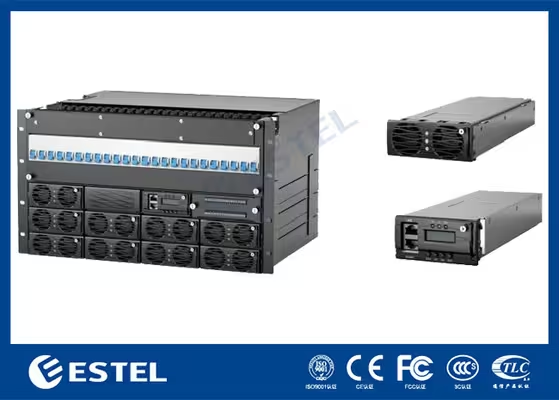
When you choose the ESTEL Telecom Rectifier System, you get a solution designed for efficiency, flexibility, and reliability. The system uses a modular design, so you can scale your power setup as your network grows. You can install it in standard 19-inch racks, making integration with your existing infrastructure simple.
Key features include:
High efficiency rates exceeding 96%, which help you minimize energy loss.
Flexible input voltage options, such as AC220VAC and 380VAC, so you can adapt to different power sources.
Consistent DC48V output voltage, which is crucial for telecom applications.
Modular rack-mount design for easy scalability and maintenance.
Grounding protection and flexible cable inlet design for safe and convenient installation.
You benefit from a system that adapts to diverse telecom environments and supports uninterrupted service. The ESTEL Telecom Rectifier System ensures your Power Supply Unit delivers stable, reliable power, even in demanding conditions.
Here is a quick comparison of main rectifier types used in telecom and their advantages:
Rectifier Type | Advantages |
|---|---|
SCR | High efficiency and reliability, especially with SiC semiconductors. |
SMPS | Superior efficiency, fast switching, and compact design. |
SiC | Higher voltage and temperature tolerance, improved efficiency, reduced cooling needs. |
Schottky | Higher efficiency and power density, reduced power conversion losses. |
MOSFET | High-speed, low-loss power conversion, precise control, and improved power quality. |
When you select a rectifier system, look for high efficiency, modularity, and adaptability. ESTEL’s solution gives you all these benefits, helping you build a robust and future-ready telecom network.
How Rectifiers Work in Power Supply Units
The Rectification Process
You start with alternating current (AC) from the power grid. Telecom equipment cannot use AC directly, so you need to convert it to direct current (DC). Rectifiers handle this conversion inside your Power Supply Unit. Here is how the process works:
Rectifiers take in AC power and allow current to flow in only one direction.
Half-wave rectifiers use just one half of the AC cycle, but this method is not efficient for telecom needs.
Full-wave rectifiers use both halves of the AC waveform. This approach gives you a more stable and efficient DC output.
The rectifier then delivers a steady 48V DC output, which is the standard for most telecom systems.
You rely on this process to power your network equipment safely and efficiently. Full-wave rectification ensures you get the most reliable and consistent power for your operations.
Integration with Telecom Power Systems
You integrate rectifiers into your telecom Power Supply Unit to create a seamless power management system. Modern rectifiers, like those in ESTEL’s solutions, use advanced technologies to boost efficiency and reliability. You benefit from features that support both your equipment and your backup batteries.
Feature | Description |
|---|---|
Wide-Bandgap Technologies | CoolGaN™ and CoolSiC™ components increase efficiency and reliability. |
Cosmic Ray Ruggedness | Devices withstand high-altitude conditions, keeping your network stable. |
Power Density | Compact design lets you upgrade power without changing your rack setup. |
Efficiency Curve | Flat efficiency curve supports uneven 5G data traffic and stable operation. |
Heat Management | Less heat at full load means smaller heatsinks and better energy use. |
You also get advanced battery management when you use ESTEL’s rectifier systems. These features help you keep your backup batteries healthy and ready for emergencies.
Feature | Description |
|---|---|
Float/Boost charge | Keeps batteries charged at the right level |
Battery test | Lets you check battery performance regularly |
Temperature compensation | Adjusts charging based on battery temperature |
Battery capacity prediction | Estimates how much battery life remains |
Low voltage/cap disconnection | Protects batteries from damage at low voltage |
Low/high temperature disconnection | Prevents battery issues in extreme temperatures |
Manages multiple rectifiers | Supports different power sources for flexibility |
Equalize rectifier run time | Extends the lifespan of each rectifier |
Optimize active rectifiers | Uses only what you need for better efficiency |
Automatic battery test | Schedules regular battery checks automatically |
You can manage your power and batteries with confidence, knowing your system will respond to changes and protect your equipment.
Benefits for Reliability and Efficiency
When you use high-efficiency rectifiers in your Power Supply Unit, you see real improvements in reliability and cost savings. Here are some of the key benefits:
Efficiency Improvement | Annual kWh Savings | |
|---|---|---|
92% to 96% | 4,000 kWh | $600 |
Efficiency Level | Cooling Energy Reduction |
|---|---|
Over 97% | Up to 28% |
You get real-time monitoring of voltage, current, and temperature.
You can detect wear or abnormal operation early.
You receive alerts if your system moves away from optimal performance.
Tip: High-efficiency rectifiers not only save you money on energy bills, but they also reduce the need for extra cooling. This means your equipment lasts longer and your network stays online, even during heavy use.
You ensure your telecom network runs smoothly and efficiently by choosing the right rectifier system. ESTEL’s solutions help you maintain stable DC output, support backup batteries, and keep your network reliable in any condition.
Choosing the Right Rectifier System
Types of Rectifiers for Telecom
You have several rectifier types to choose from when building or upgrading your telecom network. Each type offers unique advantages for different applications. Here is a quick overview:
Rectifier Type | Advantages |
|---|---|
SCR | High reliability, suitable for large-scale installations. |
SMPS | Compact size, fast switching, and high efficiency. |
SiC | Handles higher voltages and temperatures, reduces cooling needs. |
Schottky | Delivers high power density and minimizes conversion losses. |
MOSFET | Provides precise control and low-loss power conversion. |
You should match the rectifier type to your network’s needs. For example, SMPS and SiC rectifiers work well in modern 5G deployments because they offer superior efficiency and compact design.
Key Selection Criteria
When you select a rectifier system for your Power Supply Unit, focus on these important factors:
Factor | Description |
|---|---|
Efficiency | Higher efficiency lowers energy costs and boosts system performance. |
Reliability | DC rectifier systems deliver consistent power and minimize downtime. |
Scalability | Modular designs let you expand easily as your network grows. |
Integration | Compatibility with existing equipment simplifies installation. |
Compliance | Meeting industry standards ensures safety and effectiveness. |
You should also consider power and load capacity. Make sure your system supports both peak and continuous loads. Remote monitoring features help you track performance and spot issues early.
Tip: Modular rectifier systems allow you to add or replace modules as your power needs change. This flexibility makes upgrades and maintenance much easier.
Why Choose ESTEL Solutions
You gain many advantages when you choose ESTEL’s Telecom Rectifier System and Telecom Power System. These solutions use innovative technologies to deliver efficiency rates exceeding 96%. You save energy and reduce operational costs. The modular design lets you scale your system without major overhauls. You can monitor performance remotely, which improves reliability and adaptability.
ESTEL rectifiers support sustainable and high-performance 5G infrastructure.
You benefit from unmatched efficiency and reliability, thanks to advanced WBG technology.
Switching to ESTEL’s Telecom Power System can cut operational costs by up to 49% compared to traditional diesel generators.
Solar options eliminate the need for expensive fuel, making your network more eco-friendly.
You ensure your network stays online, adapts to future growth, and operates at peak efficiency when you choose ESTEL solutions.
You play a key role in keeping your telecom network reliable by choosing the right rectifier system. Rectifiers ensure stable DC power, reduce energy loss, and support efficient operations. With ESTEL’s solutions, you gain:
Up to 96% efficiency, minimizing energy waste and lowering costs.
Maintenance savings of up to 25% through advanced monitoring.
Reduced carbon emissions and improved network uptime.
As technology advances, you can expect even greater efficiency and smarter power management for your telecom infrastructure.
FAQ
How do you choose the right rectifier system for your telecom network?
You should check your network’s power needs. Look for high efficiency, modular design, and compatibility with your existing racks. ESTEL’s Telecom Rectifier System offers flexible input voltage and easy scalability for growing networks.
What input voltage options does ESTEL’s Telecom Rectifier System support?
You can use AC220VAC or 380VAC input voltage. This flexibility lets you connect to different power sources and ensures reliable operation in various environments.
Why is DC48V output important for telecom applications?
Telecom equipment needs stable DC48V power for safe and efficient operation. You protect your devices from power fluctuations and keep your network running smoothly with this standard output.
How does the modular design help with maintenance and upgrades?
You can add or replace modules without shutting down your system. This design reduces downtime and makes scaling your power supply easy as your network grows.
Can you monitor and manage ESTEL’s rectifier systems remotely?
You get remote monitoring features with ESTEL’s solutions. You track voltage, current, and temperature in real time. This helps you spot issues early and maintain reliable network performance.
See Also
Essential Insights for Newbies on Telecom Power Systems
Key Features of Telecom Power Supplies You Should Know
Ensuring Consistent Power Supply for Telecom Equipment Cabinets
Calculating Power Systems and Battery Needs for Telecom Cabinets
CALL US DIRECTLY
86-13752765943
3A-8, SHUIWAN 1979 SQUARE (PHASE II), NO.111, TAIZI ROAD,SHUIWAN COMMUNITY, ZHAOSHANG STREET, NANSHAN DISTRICT, SHENZHEN, GUANGDONG, CHINA
