Hybrid Solar MPPT for 48V Outdoor Base Stations

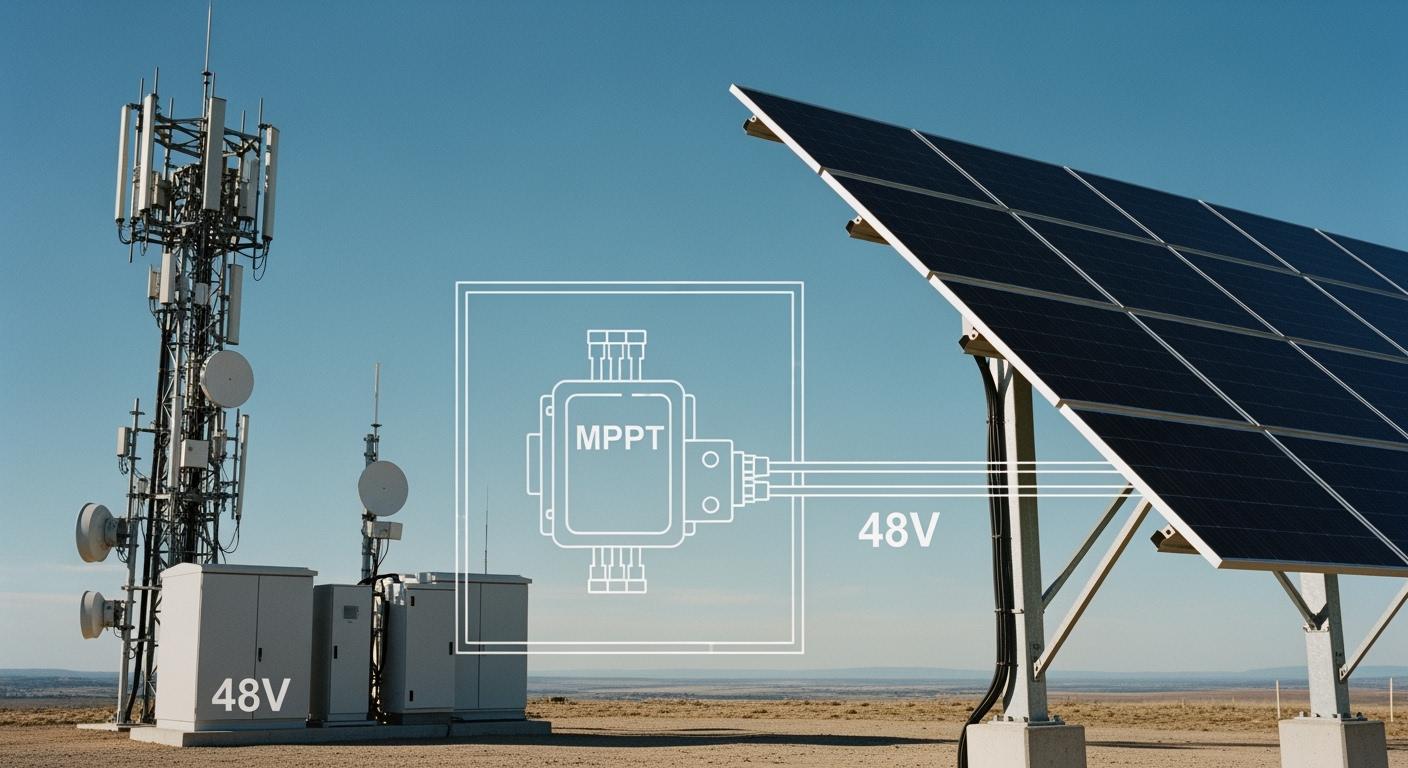
Hybrid solar MPPT combines solar and grid or battery power to deliver stable energy for 48V outdoor base stations. You gain efficiency and stability by using this technology, which adjusts to changing sunlight for maximum output. Reliable power management keeps telecom networks running, even in remote locations. ESTEL leads the way with advanced outdoor power solutions that focus on quality and innovation. When you use a PV Solar Charge Controller MPPT, you help reduce costs and support sustainability.
Efficient power management makes a real difference.
Energy Efficiency
Modular 48V DC telecom rectifiers reach over 95% efficiency, cutting power loss and costs.
Renewable Integration
These systems use renewable energy, helping lower carbon emissions.
High Efficiency Standards
Modern rectifiers operate above 97% efficiency, supporting environmental goals.
Consider how hybrid solar MPPT can improve your operations and help meet your sustainability targets.
Key Takeaways
Hybrid solar MPPT systems combine solar, battery, and grid power for reliable energy at outdoor base stations.
Using PV Solar Charge Controller MPPT technology can reduce operational costs by up to 75% and diesel fuel consumption by up to 70%.
Regular maintenance and proactive checks can lower maintenance costs by over 21% and extend equipment life.
Real-time monitoring and advanced algorithms ensure maximum energy extraction from solar panels, adapting to changing conditions.
Choosing modular systems allows for easy scaling and future-proofing as your telecom network grows.
Hybrid Solar MPPT Overview
What Is Hybrid Solar MPPT?
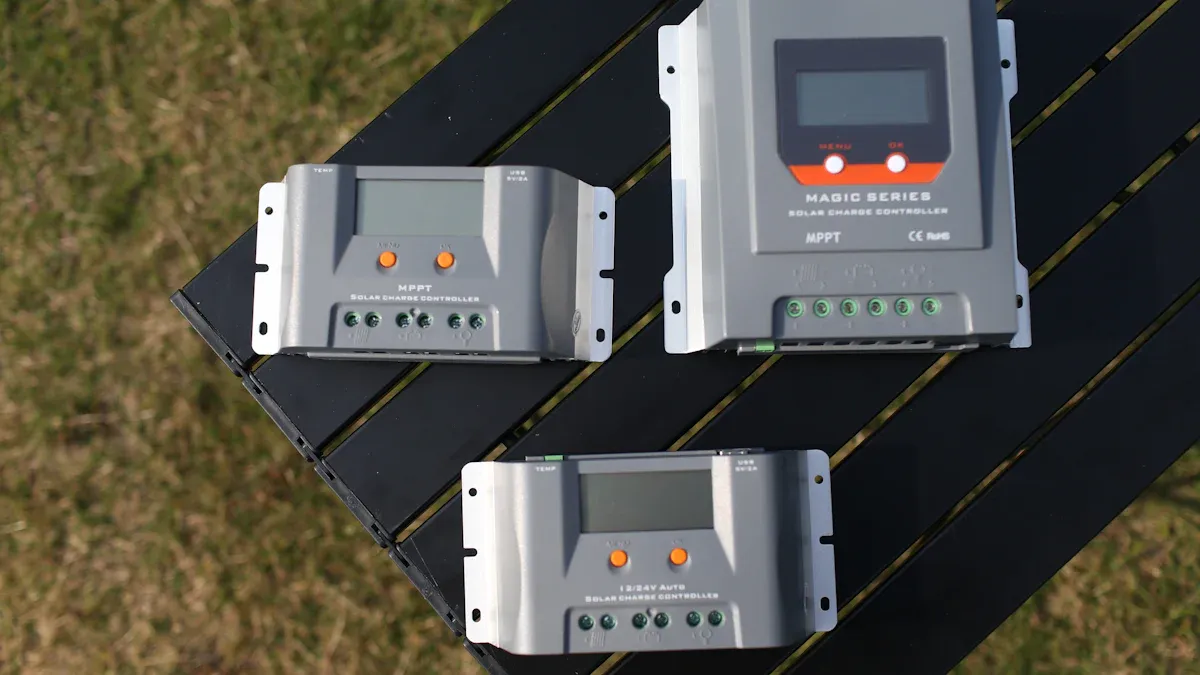
You can think of hybrid solar MPPT as a smart energy manager for your outdoor base station. This system uses Maximum Power Point Tracking (MPPT) technology to get the most energy from solar panels. MPPT works by constantly adjusting the operating point of the solar array. It matches the voltage and current to the best possible values, even as sunlight and temperature change. This means you always get peak efficiency from your solar panels.
A hybrid solar MPPT system combines several main components:
Photovoltaic modules
Battery packs
Inverters
Monitoring modules
These parts work together in a parallel float charging state. The solar module powers your telecom equipment and charges the battery at the same time. If the grid fails, the battery keeps your system running without interruption.
48V System Compatibility
You often see 48V systems in telecom applications because they offer a good balance between efficiency and safety. Hybrid solar MPPT solutions fit perfectly with 48V outdoor base stations. The system can deliver stable DC power to your equipment, which reduces energy loss and supports reliable operation. When you use a PV Solar Charge Controller MPPT, you ensure that your 48V system gets the right amount of power, whether it comes from solar panels, batteries, or the grid.
Here’s how hybrid solar MPPT compares to traditional solutions:
Feature/Benefit | Hybrid Solar MPPT | Traditional MPPT/Solar-only Solutions |
|---|---|---|
Efficiency | Maximizes energy extraction using MPPT | Limited to MPPT efficiency only |
Flexibility | Switches between MPPT and PWM modes | Fixed operation mode |
Adaptability | Adjusts based on real-time data | Less responsive to changing conditions |
Performance in varying conditions | Optimizes performance across conditions | May underperform in suboptimal conditions |
Cost-effectiveness | Combines benefits of both technologies | May incur higher costs without PWM |
ESTEL’s Role in Hybrid Solutions
You can rely on ESTEL for advanced hybrid solar MPPT solutions designed for outdoor telecom needs. ESTEL’s products support 48V systems and use high-quality components to ensure durability and efficiency. The company’s outdoor telecom cabinets protect your power system from harsh weather and provide features like anti-theft locks and energy-efficient cooling. ESTEL also offers monitoring modules that let you track system performance in real time. By choosing ESTEL, you get a solution that meets international standards and supports your sustainability goals.
PV Solar Charge Controller MPPT Benefits
Efficiency and Energy Savings
You want your telecom base station to run efficiently and save on energy costs. PV Solar Charge Controller MPPT technology helps you achieve this by constantly tracking the optimal power point of your solar panels. This means you get the maximum possible energy from every ray of sunlight. The system reduces energy loss, so you use less grid electricity and fuel.
When you use a hybrid solar MPPT system, you see real savings in your operational expenses. The following table shows how these savings add up for telecom operators:
Evidence Type | Description | Savings Percentage |
|---|---|---|
Grid Electricity Cost Reduction | Integration of solar modules into 5G cabinet power systems reduces costs. | |
Diesel Fuel Consumption Reduction | Hybrid systems report significant diesel savings. | Up to 70% |
Operational Expenditure Reduction | Hybrid solutions lead to overall cost savings. | Up to 75% |
Maintenance Cost Reduction | Significant drop in maintenance needs and costs. | Over $650,000 saved |
You can see these benefits in real-world examples:
Operators using hybrid systems report a 70% reduction in diesel usage.
Some hybrid solar-grid solutions have achieved a 75% reduction in operational expenditures.
Over ten years, hybrid power shelters can save more than $650,000 in maintenance costs.
ESTEL designs its PV Solar Charge Controller MPPT products to maximize these savings. You get high conversion efficiency, which means more usable power and less waste. The advanced tracking algorithms in ESTEL’s controllers ensure your system always operates at peak performance, even when sunlight changes throughout the day.
Reliability for Outdoor Base Stations
You need reliable power for your outdoor base stations, especially in remote or harsh environments. PV Solar Charge Controller MPPT systems give you this reliability by balancing solar, battery, and grid power sources. The system automatically switches between these sources to keep your equipment running without interruption.
ESTEL’s outdoor telecom cabinets protect your power system from dust, rain, and extreme temperatures. The cabinets feature anti-theft locks and energy-efficient cooling systems. These features help you maintain stable operations and reduce the risk of downtime. With real-time monitoring, you can track system performance and respond quickly to any issues.
You can trust PV Solar Charge Controller MPPT technology to deliver consistent power. The system adapts to changing weather and load demands, so your base station stays online. This reliability supports your network’s uptime and helps you meet service level agreements.
Sustainability and Carbon Reduction
You play a key role in supporting sustainability goals when you choose PV Solar Charge Controller MPPT solutions. These systems use real-time data to optimize energy harvesting, which boosts energy efficiency and reduces waste. By integrating solar power, you lower your dependence on fossil fuels and cut carbon emissions.
Hybrid solar MPPT systems help you build a resilient and efficient renewable energy infrastructure. This aligns with the telecom industry’s broader goals for sustainability and climate resilience. ESTEL’s products support these efforts by providing durable, high-performance solutions that meet international standards.
When you use PV Solar Charge Controller MPPT technology, you take a step toward a cleaner and more sustainable future. You reduce your environmental impact while ensuring reliable power for your telecom operations.
How Hybrid Solar MPPT Works
System Architecture
You can understand the system architecture of a hybrid solar MPPT setup by looking at its main components. Each part plays a key role in delivering reliable power to your outdoor base station:
Solar panels (PV array) capture sunlight and convert it into DC electricity.
The charge controller regulates electricity flow and protects batteries, often using MPPT technology for maximum efficiency.
Batteries store energy for times when sunlight is low or unavailable.
An inverter converts DC to AC if your telecom equipment requires it.
The hybrid inverter manages power flow between solar panels, batteries, and the load.
The battery management system (BMS) monitors and controls battery parameters for optimal performance.
The energy management system (EMS) optimizes energy usage and manages charging and discharging cycles.
ESTEL’s outdoor telecom cabinets house these components securely. You get protection from harsh weather, dust, and theft, ensuring your hybrid solar MPPT system operates smoothly in any environment.
Battery and Grid Integration
You benefit from the integration of batteries and grid power in a hybrid solar MPPT system. This approach gives you fast response to changes in energy demand. The system improves the charge and discharge performance of your hybrid energy storage, which reduces battery stress and increases lifespan. By combining batteries and supercapacitors, you gain better control over power fluctuations from solar energy. This leads to higher efficiency and longer battery life. The hybrid method also provides improved tracking efficiency and stability, even when weather conditions change quickly. You see more reliable energy supply and better overall performance.
Real-World Scenarios
You can find hybrid solar MPPT systems in action around the world:
In Egypt, mobile networks use renewable energy systems based on real measurements and advanced modeling.
In Germany, wind energy-based hybrid supply systems power off-grid cellular base stations.
In Bangladesh, telecom operators use solar PV systems and wind energy for cellular base stations, with both grid-connected and stand-alone configurations.
ESTEL’s outdoor cabinet solutions work seamlessly with these hybrid setups. You get a robust platform for integrating PV Solar Charge Controller MPPT technology, supporting efficient and sustainable telecom operations in diverse environments.
Key Features and Technologies
Real-Time Tracking Algorithms
You benefit from advanced real-time tracking algorithms in hybrid solar MPPT systems. These algorithms help your system find the best operating point for solar panels, even when sunlight changes quickly. Researchers have developed new methods inspired by nature. For example, Harris Hawks Optimization and Bacterial Foraging Optimization mimic animal behaviors to improve energy harvest. You also see improvements when combining these metaheuristic techniques with classic methods like Perturb and Observe (P&O) and Incremental Conductance (IncCond). The Incremental Conductance algorithm stands out because it compares two types of conductance, which helps your system find the Maximum Power Point more accurately and with less fluctuation. Machine learning, especially reinforcement learning, is also being explored. This approach allows your system to learn and adapt, making energy capture even more efficient.
Metaheuristic algorithms such as Harris Hawks Optimization and Bacterial Foraging Optimization
Hybrid approaches that combine metaheuristics with P&O and IncCond
Incremental Conductance for precise Maximum Power Point detection
Machine learning and reinforcement learning for adaptive control
Remote Monitoring and Control
You gain greater control and efficiency with remote monitoring features. WiFi-enabled controllers let you track your system’s performance in real time. You can detect faults automatically, which means you spot issues before they cause downtime. You do not need to visit the site to make adjustments, which saves time and resources. Historical data logging supports predictive maintenance, so you can plan service before problems occur. This reduces unexpected failures and lowers your operational costs. IoT integration further enhances your ability to monitor and diagnose faults. Continuous connectivity ensures you always have accurate information about your system’s status.
Real-time performance tracking with WiFi-enabled controllers
Automatic fault detection and remote adjustments
Historical data logging for predictive maintenance
Scalability with ESTEL Cabinets
You can scale your hybrid solar MPPT system easily with ESTEL’s outdoor telecom cabinets. These cabinets come in various sizes and configurations, so you can expand your power system as your network grows. ESTEL designs cabinets to protect sensitive equipment from harsh weather, dust, and theft. You get modular options that support additional batteries, controllers, or cooling units. This flexibility allows you to upgrade your site without major changes. As your power needs increase, you simply add more components inside the robust ESTEL enclosure. This approach ensures your telecom infrastructure remains reliable and future-ready.
Implementation and Best Practices
Installation Guidelines
You can achieve a successful hybrid solar MPPT deployment by following a few essential steps.
Start with a thorough site assessment. Check the average daily sunlight hours and measure the power needs of your telecom equipment.
Size your solar array and battery bank based on these needs and the equipment’s duty cycle.
Choose modular, plug-and-play systems. These make installation easier and reduce future maintenance.
Select solutions that integrate smoothly with your existing hardware. This gives you flexibility for upgrades and expansion.
Tip: Modular systems help you scale up as your network grows.
You may face some common installation challenges. The table below shows how you can address them:
Challenge | Mitigation Technique |
|---|---|
Intermittent nature of renewable resources | Use control strategies to balance generation and load, such as droop-based control. |
System stability issues | Apply active and reactive power control with MPPT for both PV and wind sources. |
Voltage and frequency regulation | Use control strategies to keep voltage and frequency within safe ranges. |
Maintenance and Support
You keep your hybrid solar MPPT system reliable by practicing proactive maintenance.
Regular system checks and firmware updates maintain optimal performance.
Physical inspections and timely cleaning help you spot issues early.
Address minor warning signs quickly to prevent major failures.
A good maintenance strategy can lower your average maintenance costs by over 21%. You also increase equipment availability and reliability. Timely interventions stop small problems from becoming big ones, which keeps your telecom base station running smoothly.
Note: Proactive maintenance not only saves money but also extends the life of your equipment.
Future-Proofing Outdoor Sites
You can future-proof your outdoor sites by staying updated with technology trends.
Innovation in battery storage and smart technology improves efficiency and lowers costs.
The hybrid solar market is growing fast, driven by affordable solar tech and higher demand for sustainable energy.
Smart controllers and IoT integration help you optimize energy use and gain insights into your system.
You create more value by choosing solutions that adapt to new technologies. Efficient charge controllers and modular designs make it easy to upgrade as your needs change. For product selection and technical support, visit ESTEL’s official website.
You gain higher efficiency, reliability, and sustainability when you choose hybrid solar MPPT for your 48V outdoor base stations. To get started, follow these steps:
Design an efficient system layout.
Select compatible solar panels and batteries.
Install panels for maximum sunlight.
Apply safety measures.
Schedule regular maintenance.
Monitor performance.
Regular upgrades boost system reliability and efficiency:
Aspect | Benefit |
|---|---|
Advanced MPPT Algorithms | Consistent power output and better performance. |
High Voltage Compatibility | Lower maintenance costs and longer system life. |
Low Error Margin Controllers | Maximum energy extraction and precise tracking. |
Explore technical guides and continuing education programs to stay informed.
FAQ
What is the main advantage of using hybrid solar MPPT for 48V base stations?
You get reliable power by combining solar, battery, and grid sources. This setup maximizes energy efficiency and reduces operational costs. You also support sustainability goals by lowering carbon emissions.
How do you monitor and control a hybrid solar MPPT system remotely?
You use WiFi-enabled controllers and IoT integration. These tools let you track performance, receive alerts, and make adjustments from anywhere. You save time and reduce site visits.
Can you expand your hybrid solar MPPT system as your network grows?
Yes, you can. ESTEL’s modular outdoor cabinets let you add more batteries, controllers, or cooling units. You scale your system easily without major changes to your existing setup.
What maintenance does a hybrid solar MPPT system require?
You perform regular inspections, clean solar panels, and update firmware. You also check battery health and monitor system data. Proactive maintenance keeps your system efficient and reliable.
See Also
Telecom Cabinets Powered by Solar Inverter and Battery Systems
Solar Energy Storage Solutions for Telecom Cabinet Applications
Smart Energy Storage Systems for ESTEL Telecom Cabinets
Essential Design Guidelines for ESTEL Outdoor Communication Cabinets
Eco-Friendly and Intelligent Outdoor Communication Cabinets by 2025
CALL US DIRECTLY
86-13752765943
3A-8, SHUIWAN 1979 SQUARE (PHASE II), NO.111, TAIZI ROAD,SHUIWAN COMMUNITY, ZHAOSHANG STREET, NANSHAN DISTRICT, SHENZHEN, GUANGDONG, CHINA
