Rectifier efficiency targets for -48V DC energy efficiency in telecom power systems

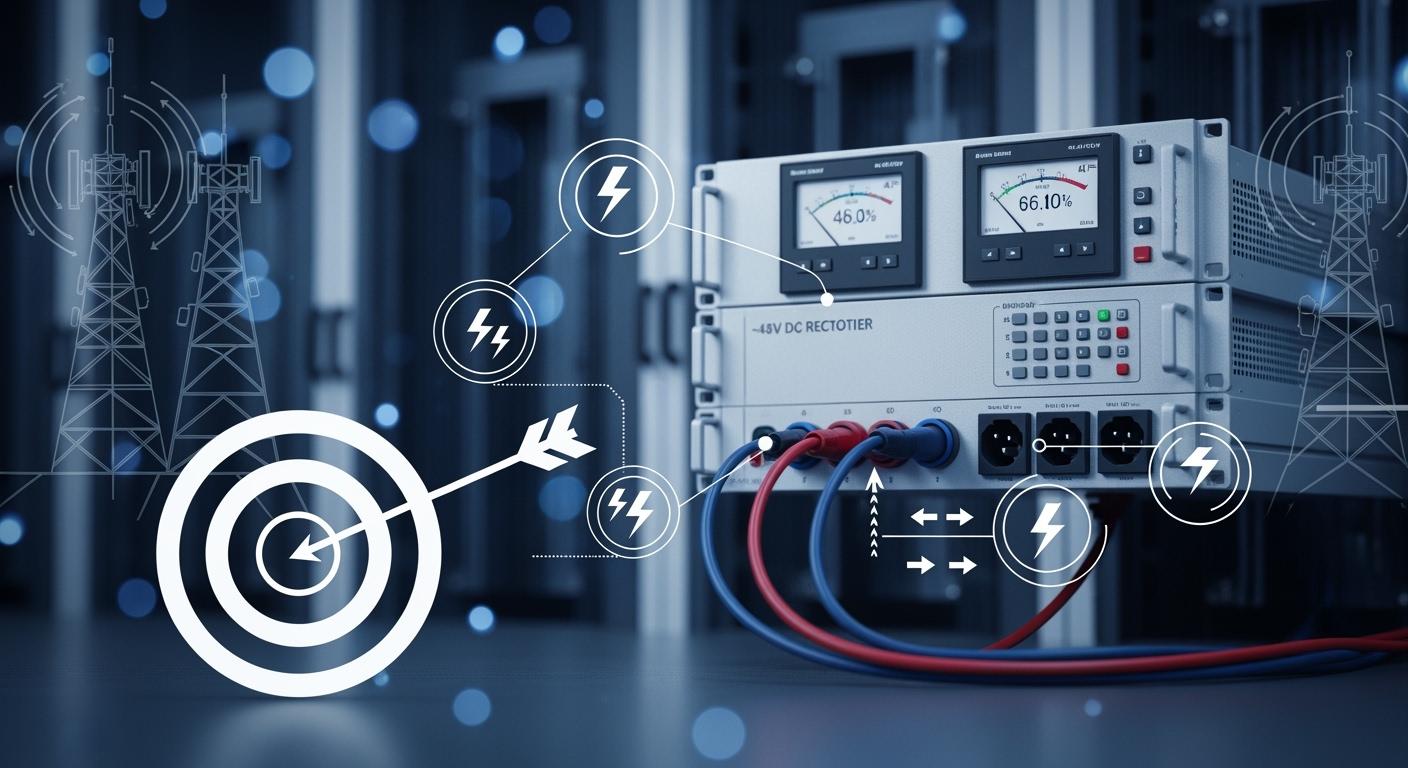
You should set a rectifier efficiency target of 96% or higher for your 48V telecom power system. This level matches the performance of top modern rectifier modules, with some reaching up to 98%. ESTEL’s telecom rectifier system leads with a measured efficiency of 98%, placing it above many industry standards. High efficiency directly impacts your bottom line:
You reduce energy waste.
You lower your carbon footprint.
You support sustainability goals.
Energy Cost Reduction | Impact on Operational Costs |
|---|---|
15-20% | Significant savings for telecom operators |
You gain immediate benefits as a decision-maker by choosing high-efficiency solutions from ESTEL.
Key Takeaways
Set a rectifier efficiency target of 96% or higher to reduce energy waste and lower operational costs.
Choose high-efficiency rectifiers to enhance network reliability and support sustainability goals.
Calculate your payback period to understand how quickly energy savings can offset your initial investment.
Consider ESTEL’s advanced rectifier solutions for high efficiency, modular design, and reduced downtime.
Efficiency Targets for 48V Telecom Power System
Industry Standards and Benchmarks
You need to understand how industry standards shape your expectations for rectifier efficiency. Modern telecom rectifier systems now reach up to 98% efficiency. This is about 5% higher than the previous industry standard of 95-96%. Older rectifiers often operated at only 85% to 90% efficiency. The industry continues to move toward higher benchmarks as technology advances.
Most high-efficiency rectifier modules now operate at over 96% efficiency.
Some advanced systems even achieve more than 97% conversion efficiency.
You should set your target at 96% or higher for your 48V telecom power system. This aligns with the best practices in the industry and ensures you do not fall behind as standards rise.
Why 96%+ Efficiency Is Critical
You benefit from high rectifier efficiency in several ways. When you choose a rectifier with 96% or higher efficiency, you reduce energy losses. This directly lowers your operational costs. Less energy lost as heat means your cooling systems work less, which saves even more energy and money. You also improve the reliability of your network because efficient rectifiers deliver stable power and minimize the risk of outages.
High-efficiency rectifiers help you meet sustainability goals. You cut energy waste and reduce greenhouse gas emissions. This supports your company’s environmental targets and helps you build a greener network.
The difference between a 92% and a 96% efficient rectifier is significant. See the table below:
Efficiency | Annual Energy Consumption (kWh) | Energy Saved (kWh) |
|---|---|---|
92% | 95,652 | N/A |
96% | 91,667 | 3,985 |
You save nearly 4,000 kWh each year by upgrading to a 96% efficient rectifier in your 48V telecom power system. This means lower electricity bills, less heat, and fewer cooling requirements. Over time, these savings offset your initial investment and make your network more sustainable.
ESTEL’s High-Efficiency Rectifier Solutions
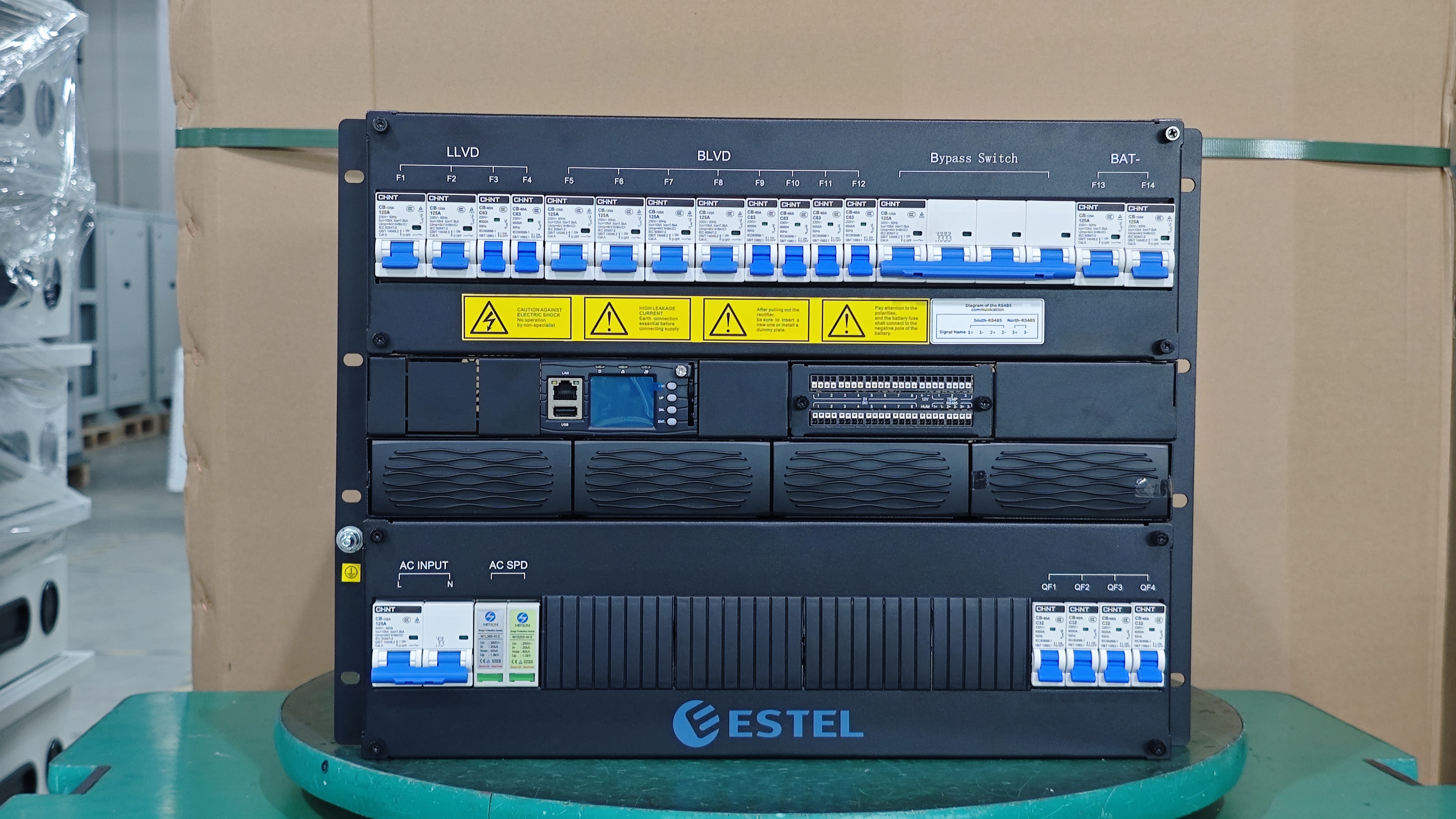
You can rely on ESTEL’s Telecom Rectifier System to meet and exceed current efficiency targets. Independent testing shows that ESTEL rectifiers deliver up to 97-98% efficiency. This reduces power loss by up to 75% compared to older rectifiers. The system also features power factor correction between 0.95 and 0.99, which further improves energy use.
Efficiency Rating | Up to 97-98% |
|---|---|
Power Loss Reduction | Up to 75% compared to older rectifiers |
Power Factor Correction | 0.95-0.99 |
ESTEL’s rectifiers comply with major standards like UL, ETSI, and GR-487. You get high efficiency, modular design, and compatibility with renewable energy sources. These features make ESTEL’s solutions ideal for your 48V telecom power system. You ensure reliable power, easy scalability, and long-term cost savings for your network.
Energy and Operational Benefits
Reduced Power Loss and Emissions
You can make a big difference in your network’s energy profile by choosing high-efficiency rectifiers. When you upgrade from a 92% efficient rectifier to a 96% efficient model, you can cut power loss by up to 75%. This improvement comes from better technology and smarter components. Less wasted energy means your site produces less heat, so your cooling systems work less. You also help the environment because lower energy use leads to fewer carbon emissions. For example, a 5 kW base station with a 90% efficient rectifier wastes 555 watts as heat. If you use a 96% efficient rectifier, that waste drops to only 208 watts. This is a 62% decrease in wasted energy at each site.
Metric | Value |
|---|---|
Up to 96.5% | |
Annual savings per 1000A load | Over $7,000 |
Reduction in annual energy usage | 15-20% (up to 30% in some cases) |
Real-World Savings for Telecom Operators
You can see real savings when you switch to rectifiers with 96% or higher efficiency. Many telecom operators report energy cost reductions between 15% and 30%. Some even reach 75% savings with the most advanced systems. In Papua New Guinea, one operator upgraded to a solar hybrid power solution with high-efficiency rectifiers and saved over $40,000. They also cut diesel fuel use by 72%. These numbers show that investing in efficient rectifiers for your 48V telecom power system pays off quickly.
Lower energy bills
Less money spent on fuel and cooling
Faster return on investment
Reliability and Uptime Improvements
You need reliable power to keep your network running. High-efficiency rectifiers help you achieve this goal. Features like N+1 redundancy ensure that if one rectifier fails, another takes over without downtime. Some operators have reached 99.999% uptime after upgrading to dual rectifier systems. ESTEL’s modular design lets you add or replace power modules without stopping service. Hot-swappable modules and real-time monitoring reduce downtime by up to 25%. These features support operational excellence and keep your network stable, even during peak demand or harsh weather.
Feature | Benefit |
|---|---|
High Efficiency | Up to 96.5% efficiency reduces energy waste |
Modular Design | Easy expansion and maintenance |
Improved Reliability | Smart systems cut downtime by 25% |
Financial Impact and ROI
Cost Savings from Higher Efficiency
You can achieve substantial cost savings by upgrading to high-efficiency rectifiers. These systems use less energy and generate less heat, which means you spend less on electricity and cooling. For example, upgrading from a 92% efficient rectifier to a 98% efficient model can save about 6,013 kWh per year. This translates to an annual savings of around $902 for each rectifier. Over time, these savings add up across your network.
Cost Type | Standard Rectifiers | High-Efficiency Rectifiers |
|---|---|---|
Initial Cost | Higher upfront cost | More affordable upfront |
Operational Cost | Higher energy and cooling | Lower energy and cooling |
Total Cost of Ownership | Higher over time | Lowest due to efficiency |
You also benefit from lower maintenance costs because modern rectifiers require less frequent servicing.
Payback Period Analysis
You do not have to wait long to see a return on your investment. Many telecom operators report a payback period of less than two years when switching to high-efficiency rectifiers. In some cases, you can recover your investment in as little as 18 months, especially if you upgrade multiple sites or operate in regions with high energy costs.
Tip: Shorter payback periods mean you can reinvest savings into other network improvements sooner.
High-efficiency rectifiers can reduce your energy use by 25-30%. Since electricity costs often make up 8-12% of operational expenses, these savings quickly improve your bottom line.
Long-Term Value for Telecom Networks
You gain more than just immediate savings. High-efficiency rectifiers extend battery life, reduce maintenance needs, and support network reliability. Over five years, large operators have saved millions by making this upgrade. You also help your network stay competitive as the demand for energy-efficient infrastructure grows.
Key Growth Drivers | Description |
|---|---|
Energy Efficiency Demand | Rising need for efficient power in telecom and data centers |
Lower costs and reduced carbon footprint |
By choosing high-efficiency rectifiers for your 48V telecom power system, you secure long-term financial health and operational excellence.
Practical Considerations for Implementation
Upfront Investment vs. Savings
You face important decisions when planning rectifier upgrades. High-efficiency rectifiers often require a larger upfront investment, but you gain long-term savings. Consider these main factors:
Efficiency: Higher efficiency means lower energy costs.
Reliability: Reliable systems reduce downtime and service interruptions.
Maintenance: Less maintenance saves time and money.
Size: Compact designs fit easily into existing setups.
Cost: Weigh initial costs against future savings.
Compatibility: Ensure new rectifiers work with your current systems.
You should also think about potential disruptions. Upgrades may cause downtime, which can affect productivity and revenue. Staff training adds to costs, as your team needs to learn how to operate and maintain new equipment. The lifespan of your current equipment and the availability of spare parts also influence your decision.
Tip: Calculate your payback period to see how quickly energy savings offset your initial investment.
Maintenance and Scalability
High-efficiency rectifiers simplify maintenance and support scalability. You benefit from modular designs that allow quick component replacement. Smart rectifier modules enable remote monitoring, which can cut maintenance visits by up to 40%. Predictive maintenance strategies help you detect potential failures early, supporting high network availability.
Benefit | Description |
|---|---|
Energy Cost Savings | Can reach up to 75% due to reduced energy losses. |
Carbon Emissions Reduction | Lower energy consumption leads to significant reductions in carbon emissions. |
Enhanced Reliability | Ensures business continuity during peak demand or extreme weather. |
Modular Design | Allows for real-time monitoring and maintenance without service interruption. |
Reduced Downtime | Operators benefit from improved reliability and less service disruption. |
Extended Battery Life | Can reach up to 10 years, contributing to lower maintenance costs. |
Long-life rectifiers require less maintenance. Batteries last longer, so you replace them less often. A short payback period improves your financial health.
Choosing ESTEL for 48V Telecom Power System Upgrades
You gain several advantages when you select ESTEL for your 48V telecom power system upgrades. ESTEL offers modular designs that support easy expansion and scalability. High efficiency reduces energy loss and operational costs. Hot-swappable modules minimize downtime during maintenance or upgrades. Active power factor compensation enhances energy utilization and stability. Advanced protection mechanisms safeguard your telecom systems from disruptions.
Feature | Benefit |
|---|---|
Modular Design | Supports easy expansion and scalability for telecom systems. |
High Efficiency | Over 91% efficiency reduces energy loss and operational costs. |
Hot-Swappable | Minimizes downtime during maintenance or upgrades, crucial for large-scale deployments. |
Active Power Factor Compensation | Enhances energy utilization and stability of telecom infrastructure. |
Advanced Protection Mechanisms | Safeguards telecom systems from disruptions, ensuring reliability. |
ESTEL’s advanced real-time monitoring capabilities optimize energy use and reduce waste. You benefit from high reliability in tough conditions and competitive pricing with advanced features. These advantages make ESTEL a strong choice for telecom operators seeking cost-effective, reliable, and scalable power solutions.
You should set a rectifier efficiency target of 96% or higher for your 48V telecom power system. High-efficiency rectifiers lower your energy costs, boost network reliability, and support your sustainability goals.
Choose modern, modular rectifiers for easy upgrades.
Calculate your payback period to see real savings.
Consider ESTEL’s advanced solutions for best results.
Tip: Prioritize efficiency in every system upgrade to future-proof your telecom network.
FAQ
What is rectifier efficiency and why does it matter?
Rectifier efficiency shows how well your system converts AC power to DC power. Higher efficiency means less energy wasted as heat. You save money and help the environment.
How do you calculate the payback period for a rectifier upgrade?
Divide your total investment by your annual energy savings.
For example:
$2,000 (cost) ÷ $1,000 (savings/year) = 2 years payback.
Can you install ESTEL rectifiers in existing telecom cabinets?
Yes, you can. ESTEL rectifiers use standard 19-inch rack-mount designs. You can fit them into most telecom cabinets without major changes.
What maintenance do high-efficiency rectifiers need?
You need to check connections, clean dust, and monitor performance. ESTEL’s modular design lets you replace parts quickly. Smart monitoring helps you spot problems early.
Do high-efficiency rectifiers support renewable energy sources?
Yes. You can connect ESTEL rectifiers to solar or hybrid power systems. This helps you lower energy costs and meet green energy goals.
See Also
Understanding The Use Of -48VDC In Telecom Cabinets
The Superiority Of Lithium Batteries For Telecom Applications
In-Depth Analysis Of Energy-Saving Air Conditioning Units
Innovative Energy Storage Solutions For Telecom Cabinets
Essential Requirements For Telecom Cabinets In Communication Systems
CALL US DIRECTLY
86-13752765943
3A-8, SHUIWAN 1979 SQUARE (PHASE II), NO.111, TAIZI ROAD,SHUIWAN COMMUNITY, ZHAOSHANG STREET, NANSHAN DISTRICT, SHENZHEN, GUANGDONG, CHINA
