DC Power for Remote Telecom: Ruggedized Rectifier Systems for Harsh Environments

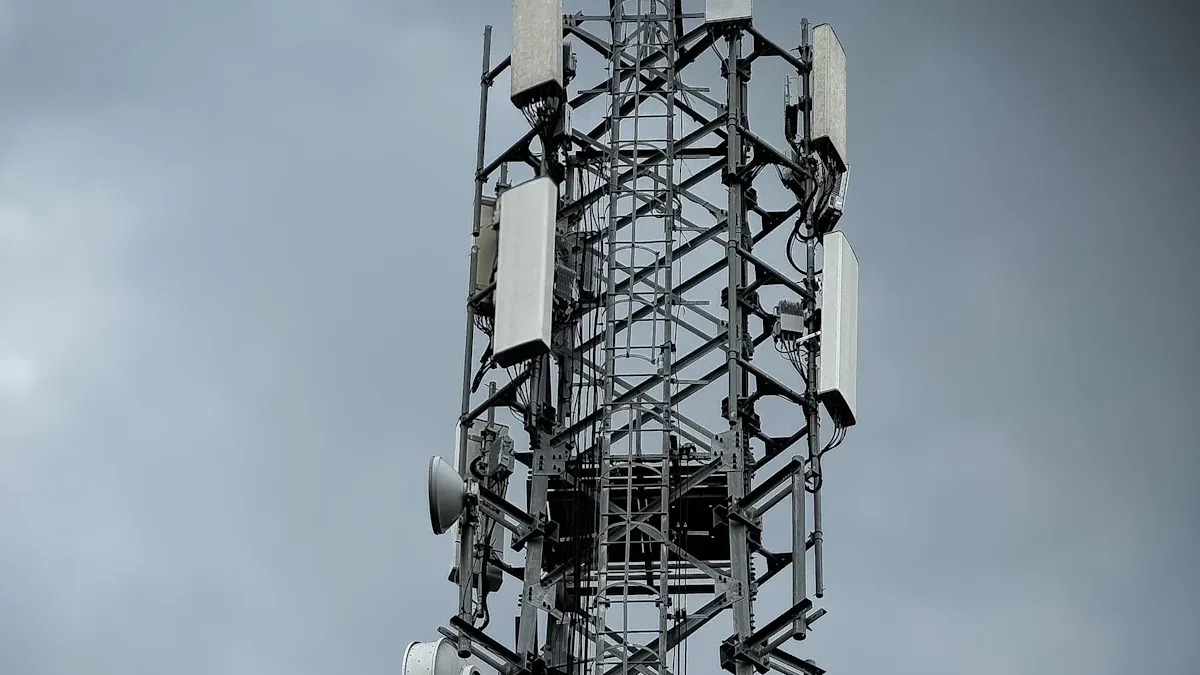
You need reliable power to keep your telecom equipment running in remote locations. Ruggedized DC rectifier systems help you maintain continuous operations, even when harsh weather or unstable grids threaten to interrupt service. Over the past five years, demand for these systems has grown quickly, especially in regions like the Middle East and Africa, where industries rely on dependable power for remote sites. For Rural Telecom Power, you may face unique challenges that require advanced solutions. Products like the ESTEL Telecom Power System give you the durability and stability needed to meet these demands.
Key Takeaways
Ruggedized rectifier systems ensure reliable power for telecom equipment in remote locations, even during harsh weather.
These systems reduce downtime with features like autonomous module operation, allowing repairs without shutting down the entire network.
High-efficiency models lower operational costs and energy consumption, leading to significant savings over time.
Remote monitoring capabilities enable quick responses to issues, enhancing network reliability and reducing maintenance visits.
Choosing ruggedized solutions protects your telecom network from environmental risks, ensuring consistent service for customers.
Rural Telecom Power Challenges
Environmental Obstacles
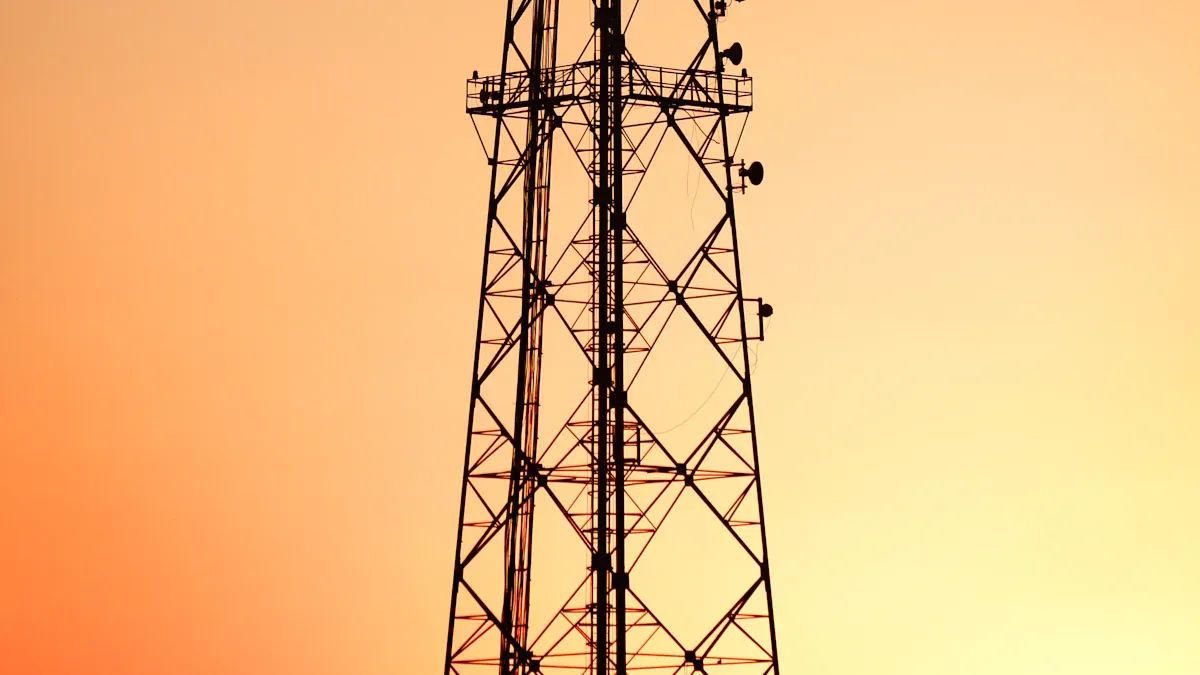
When you manage Rural Telecom Power, you face many environmental challenges that can disrupt your operations. Understanding these obstacles helps you plan better and choose the right equipment for your site. The table below outlines the most common environmental challenges you may encounter:
Challenge | Description |
|---|---|
Unreliable Power Supply | Off-grid sites often experience power interruptions, causing dropped calls and equipment failure. |
High Maintenance and Fuel Costs | Diesel generators cost more to operate, especially when fuel delivery is difficult or risky. |
Safety and Thermal Risk | High temperatures can cause battery overheating and fire hazards. |
Logistics and Deployment Complexity | Remote locations make it hard to transport and install heavy equipment. |
Environmental Impact and Sustainability | Pressure grows to reduce carbon footprints and meet new regulations. |
Extreme weather events add another layer of difficulty. For example, severe flooding in Rio Grande do Sul, Brazil, damaged communication systems in most cities and displaced hundreds of thousands of people. When storms or floods hit, you may find it hard to restore communication quickly, especially in isolated areas. These events show how vital reliable Rural Telecom Power is for keeping people connected and safe.
Operational Risks
You also need to consider operational risks that can threaten service continuity. Here are some of the most frequent risks you may face:
Backup power systems, like diesel generators, increase your costs and can harm the environment.
Many rural areas lack broadband access because building infrastructure is expensive.
Sparse populations make it hard to justify the cost of wireline networks.
Telecom towers often stand far from cities, where grid power is weak or unreliable.
Frequent outages and voltage changes disrupt your service.
High temperatures, humidity, and heavy rains can damage your equipment.
You must address these risks to keep your Rural Telecom Power system running smoothly. By understanding these challenges, you can choose ruggedized solutions that protect your network and ensure continuous service.
Ruggedized Rectifier Features
Durability and Protection
You need rectifier systems that can withstand the toughest conditions when you manage Rural Telecom Power. Durability and protection are essential for keeping your telecom network running, even when the environment works against you. Ruggedized rectifiers offer several features that help you achieve this goal:
High efficiency reduces energy waste and lowers your operating costs.
Modular and scalable designs let you expand your power system as your network grows.
Remote monitoring and control allow you to check system status and make adjustments without visiting the site.
Redundancy and backup features ensure your equipment stays powered during grid outages.
Hot swappable modules let you perform maintenance without shutting down your system.
Advanced protection features guard against overvoltage, overcurrent, and overheating.
Tip: Choose rectifiers with advanced protection features to safeguard your investment and reduce the risk of unexpected failures.
You also need to consider how the system handles cooling. Many ruggedized rectifiers use natural convection cooling. This method reduces maintenance needs and extends product life. You avoid the extra noise and cost that come with fan cooling. Efficient enclosure design ensures reliable operation, even in high temperatures.
Reliable Performance in Harsh Conditions
You face unpredictable weather and unstable power sources in remote locations. Ruggedized rectifiers address these challenges with features designed for reliability:
Feature | Description |
|---|---|
Weatherproofing | Hermetically sealed with high ingress protection (IP67) to block dust and water. |
Input Voltage Range | Operates from 90 to 300VAC, so you get consistent performance even with unstable grids. |
Cooling Method | Uses natural conduction or convection, eliminating the need for fans and reducing failure points. |
Efficiency | Achieves up to 94% efficiency, which helps your system stay reliable in extreme conditions. |
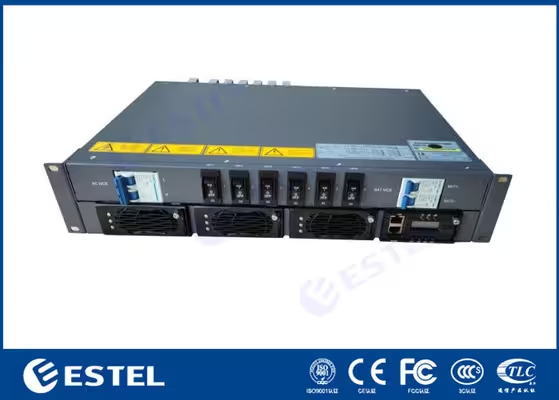
ESTEL’s Telecom Power System brings these features together for your Rural Telecom Power needs. You can install it on a standard 19-inch rack or inside a cabinet, making deployment flexible. The system’s wide input voltage range means you do not have to worry about fluctuating power sources. Natural cooling keeps the system running with less maintenance.
Advanced control technologies give you even more reliability. With ESTEL’s system, you get:
Live updates on system status
Remote access for quick adjustments
Alerts for fast power management
You can monitor power consumption, temperature, and humidity in real time. These tools help you prevent problems before they affect your network.
Note: Smart grid technologies in ESTEL’s Telecom Power System optimize power distribution, supporting high-speed communication demands in remote areas.
When you choose a ruggedized rectifier system, you protect your telecom network from the risks of harsh environments. You also make your operations more efficient and reliable.
Benefits for Telecom Operations
Reduced Downtime
You want your telecom network to stay online, even in the most challenging environments. Ruggedized rectifiers help you achieve this by offering features that keep your systems running with minimal interruptions. These systems use autonomous module operation, so if one part fails, the rest keep working. You can repair or replace individual modules without shutting down the entire system. This approach reduces the risk of service outages.
Here is a table that shows how these features work together to minimize downtime:
Feature | Benefit |
|---|---|
Autonomous module operation | Keeps your network running if one module fails |
Ease of maintenance | Lets you fix or swap modules without stopping the whole system |
n+1 redundancy | Provides backup power during failures |
Scalability | Allows you to expand power capacity without replacing the whole system |
You also benefit from remote monitoring. You can check system status and receive alerts from anywhere. This lets you respond quickly to issues before they cause problems. For Rural Telecom Power, these features are essential because you often work in places where sending a technician takes time and costs more.
Cost and Maintenance Advantages
You save money over time when you use ruggedized rectifiers. High-efficiency models reduce energy consumption, which lowers your electricity bills. For example, upgrading from older rectifiers to newer, high-efficiency models can save millions of dollars and cut CO2 emissions by millions of tons. These savings come from better efficiency and less wasted energy.
You also spend less on maintenance. The modular design means you can add or replace parts as needed. Hot-swap features let you change faulty units without shutting down the system. Advanced protection features guard against electrical faults and harsh weather, so your equipment lasts longer.
Here are some key advantages you gain:
Lower operational costs due to reduced energy use
Improved reliability and network uptime
Fewer site visits because of remote monitoring and predictive maintenance
Greater sustainability through lower emissions
Smart sensors and cloud platforms help you track voltage, current, and temperature in real time. You receive automatic alerts for any issues, which helps you fix problems before they grow. This proactive approach keeps your Rural Telecom Power network strong and dependable, even in remote areas.
Ruggedized vs. Standard Rectifiers
Performance Comparison
You need to understand how ruggedized rectifiers differ from standard models before choosing the right system for your site. Standard rectifiers work well in controlled environments, such as urban data centers or indoor telecom rooms. These units often struggle when exposed to dust, moisture, or extreme temperatures. You may notice frequent failures or reduced efficiency if you use standard rectifiers outdoors or in remote areas.
Ruggedized rectifiers, on the other hand, are built for tough conditions. They use weatherproof enclosures and advanced cooling methods. You get reliable performance even when the temperature rises or the humidity spikes. Surge protection features help prevent electrical damage during power fluctuations. You also benefit from robust physical security, which protects your equipment from theft or vandalism.
Here is a quick comparison:
Feature | Standard Rectifiers | Ruggedized Rectifiers |
|---|---|---|
Environmental Protection | Low | High (dust, water, temperature) |
Physical Security | Basic | Enhanced |
Surge Protection | Limited | Advanced |
Maintenance Needs | Frequent | Minimal |
Suitability for Rural Sites
You face unique challenges when you manage Rural Telecom Power in remote or harsh locations. Ruggedized rectifiers address these challenges with features that standard models lack.
Withstand extreme temperatures, humidity, and dust, which ensures your equipment lasts longer.
Provide strong physical security to prevent theft and vandalism.
Include surge protection to guard against power fluctuations and reduce costly failures.
You should choose ruggedized rectifiers for rural and remote sites. These systems keep your network running smoothly, even when the environment is unpredictable. You save time and money on maintenance, and you reduce the risk of unexpected outages. By investing in ruggedized solutions, you ensure reliable service for your customers, no matter where your telecom site operates.
Selecting and Deploying ESTEL Telecom Power System
Site Assessment and Requirements
You need to start with a thorough site assessment before deploying the ESTEL Telecom Power System. This step helps you match the right system to your needs and environment. Use the checklist below to guide your evaluation:
Power Demand Category | Typical Power Range (kW) | Deployment Environment |
|---|---|---|
Low Power | Up to 2–3 kW | Small cells, urban micro base stations |
Medium Power | 3–10 kW | Macro towers, suburban installations |
High Power | Above 10 kW | Large macro towers, rural sites |
Consider these environmental factors:
Ambient temperature and solar exposure
Humidity and risk of condensation
Dust, chemical vapors, and airborne contaminants
Water, snow, and cleaning requirements
UV radiation impact on cabinet materials
You should also check for proper ventilation, easy access for maintenance, and compliance with safety standards like IEC, UL, and CE.
Installation Best Practices
You can ensure reliable operation by following best practices during installation. Choose the right cooling method for your environment. Air-cooled rectifiers need clean air and regular filter checks. Water-cooled systems work well in dusty or corrosive areas, but you must maintain water quality. Oil-cooled rectifiers suit aggressive environments and require minimal maintenance due to their sealed design.
Always install the system in a location that allows for easy access and future upgrades. Make sure the cabinet is sealed against moisture and dust. Use -48VDC for safety and confirm all components meet international safety certifications.
Tip: Schedule regular inspections to keep your system running at peak performance.
Real-World Applications
You can see the impact of ESTEL Telecom Power System in real deployments:
Location | Description | Outcome |
|---|---|---|
Kenya | Solar-powered towers for a telecom provider | 40% reduction in energy expenses |
Southeast Asia | Hybrid systems in off-grid areas | Improved network reliability |
Europe | Modular solar plants for a telecom operator | 30% reduction in carbon footprint |
Developing Regions | Off-grid solar-plus-storage for remote base stations | First reliable internet access, economic growth |
ESTEL supports you with modular designs for easy upgrades, real-time monitoring, and predictive analytics. You can integrate renewable energy and advanced batteries for greater efficiency. Emergency support ensures your Rural Telecom Power stays reliable, even during disasters.
You ensure reliable telecom power in harsh environments when you choose ruggedized rectifier systems like ESTEL’s Telecom Power System. These systems use advanced materials, such as Silicon Carbide, to handle extreme conditions and reduce operational costs.
You benefit from high efficiency, durability, and remote management.
Customers like Sarah M. and Carlos L. praise ESTEL’s consistent quality.
Certification | Description |
|---|---|
Meets safety and performance standards | |
RoHS | Follows environmental regulations |
Visit ESTEL’s website for expert guidance and support.
FAQ
What steps should you take before installing a ruggedized rectifier system?
You should assess your site’s power needs, check environmental risks, and confirm compatibility with your telecom equipment. Review local safety standards. Plan for future expansion. This preparation helps you choose the right system and avoid installation issues.
How do you maintain the ESTEL Telecom Power System?
You should schedule regular inspections. Clean dust from vents. Check connections for corrosion. Use remote monitoring to track performance. Replace modules as needed. These steps keep your system reliable and extend its lifespan.
Can you integrate renewable energy sources with the ESTEL system?
Yes, you can connect solar panels or wind turbines to the ESTEL Telecom Power System. The system’s wide input voltage range and advanced controls support hybrid energy setups. This helps you reduce fuel costs and improve sustainability.
What should you do if the system sends an alert?
You should review the alert details using the remote monitoring interface. Check for overheating, voltage changes, or module faults. Follow the troubleshooting guide. If needed, contact ESTEL support for help.
How do you expand your power system as your network grows?
You can add more rectifier modules to your existing setup. The modular design lets you scale up without replacing the whole system. This approach saves you time and money.
See Also
Ensuring Consistent Power Supply For Telecom Cabinet Systems
Energy Storage Solutions Using Photovoltaics For Telecom Cabinets
Battery Systems And Inverters For Grid-Connected Telecom Cabinets
Calculating Power Systems And Battery Needs For Telecom Cabinets
Safeguarding Equipment Using Outdoor Telecom Cabinet Solutions
CALL US DIRECTLY
86-13752765943
3A-8, SHUIWAN 1979 SQUARE (PHASE II), NO.111, TAIZI ROAD,SHUIWAN COMMUNITY, ZHAOSHANG STREET, NANSHAN DISTRICT, SHENZHEN, GUANGDONG, CHINA
