Salt Spray/Corrosion Resistant Telecom Rectifier System for Long-Term Operation in Coastal Telecom Stations

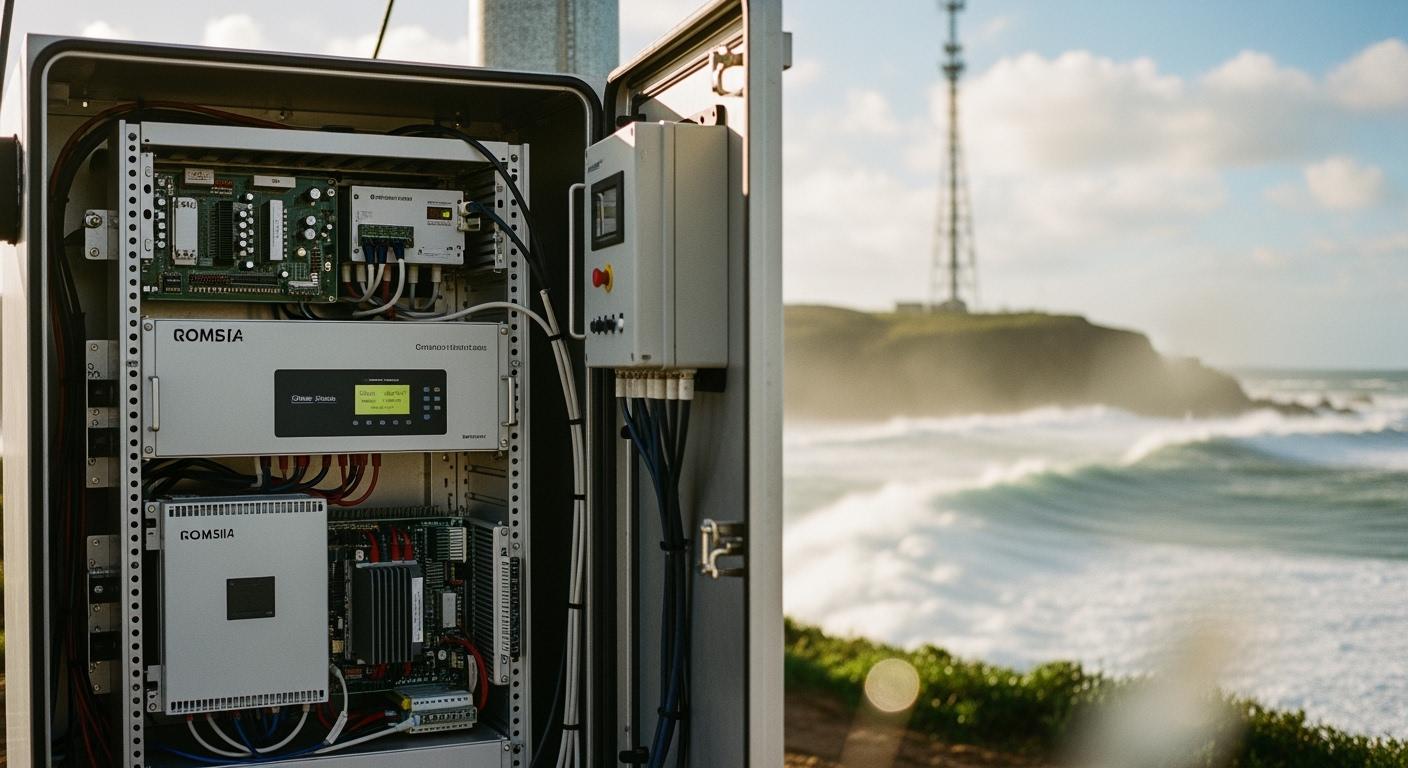
You face harsh conditions when you operate telecom stations near the coast. Salt spray causes rapid corrosion, which threatens critical equipment and disrupts communication. Long-term reliability becomes essential for keeping your network running. ESTEL offers advanced solutions that protect your Telecom Rectifier System from these severe elements. You can trust their technology to maintain strong performance and extend the life of your telecom infrastructure.
Key Takeaways
Corrosion from salt spray can damage telecom equipment. Use sealed housings and specialized coatings to protect your systems.
Choose telecom rectifier systems with high IP ratings for better protection against dust and moisture in coastal areas.
Regular maintenance is crucial. Inspect and clean your equipment every three to six months to prevent corrosion and ensure reliability.
Select equipment that meets international standards like NEMA 4X for optimal corrosion resistance and long-term performance.
Investing in robust telecom systems reduces repair costs and enhances network uptime, ensuring reliable communication in harsh environments.
Salt Spray Risks in Coastal Telecom Sites
Corrosion Impact on Telecom Equipment
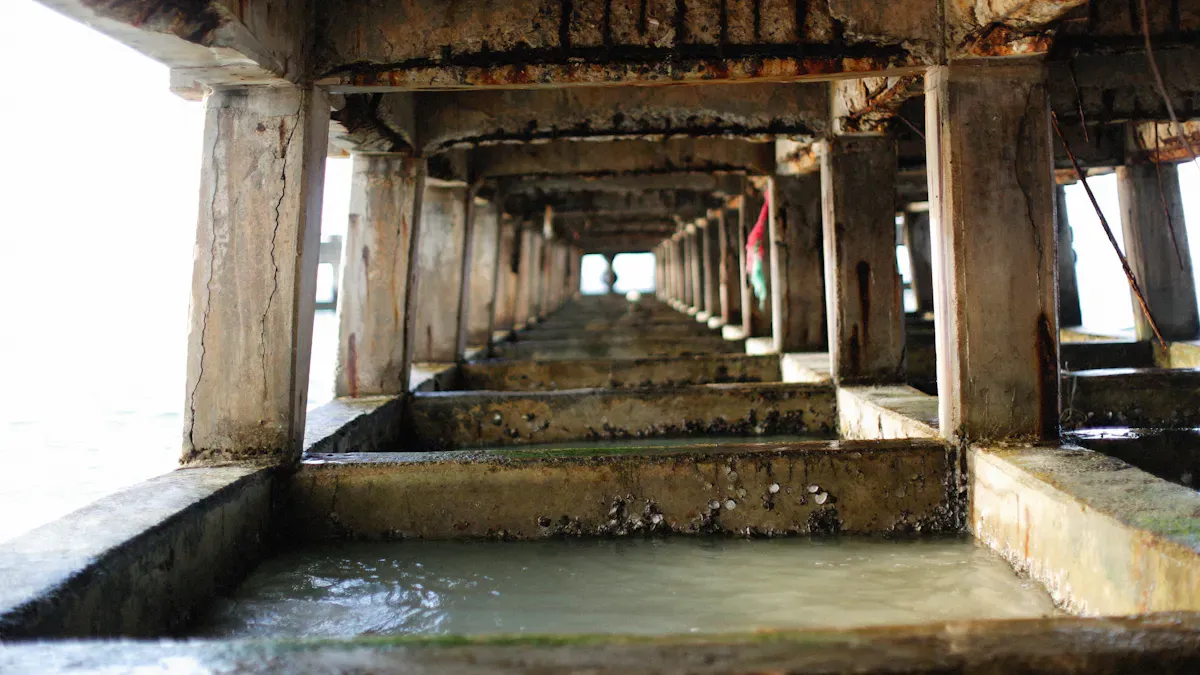
You face unique challenges when you operate telecom equipment in coastal regions. Salt spray from crashing waves, tidal splashes during storms, and chloride-rich moisture in the air all contribute to salt exposure. These factors create a harsh environment for your equipment. Salt spray and high humidity accelerate corrosion of metallic parts in your Telecom Rectifier System. Over time, you may notice rust forming on enclosures, connectors, and internal components. This corrosion can weaken the structure of your equipment and reduce its efficiency.
Several types of corrosion can affect your telecom systems. Electronic corrosion happens when moisture and corrosive gases degrade sensitive electronic parts. Galvanic corrosion occurs when different metals touch each other in the presence of an electrolyte, such as salty moisture. High humidity and corrosive gases in coastal areas make these problems worse. If you do not address corrosion, you risk shortening the operational lifespan of your equipment and increasing maintenance costs.
Tip: Sealed housings and specialized coatings can help protect your equipment from moisture and extend its service life.
Failure Modes in Harsh Environments
Coastal environments introduce several failure modes for telecom equipment. Salt spray and sandstorms can block ventilation pathways, causing your systems to overheat. Corrosion of printed circuit boards (PCBs) and connectors is a major concern, as it can lead to signal loss or complete system failure. You may also see decreased insulation performance, which increases the risk of electrical faults.
Weather exposure, dust, and UV radiation can damage external surfaces.
Moisture and salt air corrode metal enclosures, making them less effective at protecting internal components.
Poorly designed cabinets allow rain and dust to enter, which speeds up corrosion and equipment failure.
High humidity and salt air accelerate material deterioration, leading to more frequent repairs and higher costs.
You can reduce these risks by choosing equipment with weatherproof designs and corrosion-resistant materials. Regular inspections and preventive maintenance also play a key role in keeping your telecom systems running smoothly in coastal areas.
Standards and Testing for Corrosion Resistance
Salt Spray Test Methods
You need to understand how salt spray testing works when you select equipment for coastal telecom stations. Salt spray tests simulate the harsh, salty air found near the ocean. These tests help you see how well a Telecom Rectifier System can resist corrosion over time. The most common method is the ASTM B117 test. In this test, equipment sits in a chamber filled with a fine mist of saltwater for hundreds of hours. You can use the results to compare different products and choose the most durable option for your site.
Manufacturers often use international standards to guide their testing. The table below shows some of the most important standards for corrosion resistance in telecom equipment:
Standard | Description | Testing Method |
|---|---|---|
NEMA 4X | Enclosures tested for corrosion resistance | 600 hours salt spray resistance per ASTM B117, plus 200 hours against AISI Type 304 stainless steel |
IP66 | Enclosures not salt spray tested | N/A |
UL 50E | Environmental protection | N/A |
UL 508A | Controls | N/A |
IEC 60529 | Global standard for ingress protection | N/A |
Tip: Always check if your Telecom Rectifier System meets NEMA 4X or similar standards for the best corrosion protection.
Compliance for Telecom Rectifier System
You must also consider compliance requirements when you choose a Telecom Rectifier System. Different markets focus on different standards. For example, RoHS standards are important for network infrastructure and optical systems. These standards require the elimination of hazardous materials and strong EMI shielding. The table below summarizes key compliance focuses:
Telecom Component Type | Compliance Focus | Key Requirements |
|---|---|---|
Optical Systems | RoHS Standards | Elimination of hazardous materials, consistent electrical performance, EMI shielding |
Antennas | RoHS Standards | Non-reflective black plating options, consistent electrical performance |
Network Infrastructure | RoHS Standards | EMI shielding, elimination of hazardous materials |
You need to know that manufacturers do not stop at initial certification. They agree to ongoing inspections by UL inspectors. These inspections make sure that the Telecom Rectifier System continues to meet safety and performance standards over time.
Inspectors visit manufacturing sites regularly.
They check materials, processes, and finished products.
You get peace of mind knowing your equipment stays compliant year after year.
ESTEL Solutions for Corrosion Resistance
Protective Materials and Coatings
You need strong protection for your telecom equipment in coastal areas. Salt spray and moisture can quickly damage unprotected metal surfaces. ESTEL uses advanced coatings and materials to shield your systems from these harsh elements.
Corrosion-resistant platings such as gold, platinum, and palladium stop oxidation and keep electrical connections reliable.
Multi-layer plating strategies add extra defense. Nickel forms a base barrier, while noble metals on top boost corrosion resistance.
Electroless nickel plating covers every part of the component, even complex shapes, so salt spray cannot find weak spots.
These coatings help your Telecom Rectifier System last longer and perform better in salty, humid air. You get peace of mind knowing your equipment has a strong line of defense against corrosion.
Telecom Rectifier System Design by ESTEL
You want a system that stands up to coastal challenges. ESTEL builds its Telecom Rectifier System and Telecom Power System with features that protect against salt, moisture, and temperature swings.
Feature | ESTEL Smart Power Distribution Units | Traditional Units |
|---|---|---|
Corrosion Resistance | High | Moderate |
Moisture Resistance | High | Low |
Temperature Tolerance | Extreme | Limited |
ESTEL uses rugged metal bodies and moisture-resistant materials. These choices prevent corrosion and extend the life of your power distribution units. Advanced sealing methods keep water, dust, and other harmful particles out of the cabinet.
You also benefit from a modular design. This means you can replace individual parts easily, which reduces downtime during maintenance. Quick troubleshooting becomes possible, so you can fix problems fast and keep your network running. Many ESTEL rectifiers last over a decade, even in tough coastal environments. This durability means fewer replacements and lower costs for you.
ESTEL’s Telecom Rectifier System offers high efficiency, flexible input voltage options, and reliable DC output. The system fits standard racks, making installation simple. You can trust these features to deliver stable power and protect your telecom network from the risks of corrosion.
Tip: Choose equipment with weatherproof enclosures and anti-corrosion coatings for the best results in coastal stations.
Implementation and Maintenance Strategies
Installation and Quality Control
You need to follow best practices during installation to ensure your telecom rectifier system performs well in coastal environments. Start by choosing equipment with high IP ratings, such as IP55 or IP66. These ratings protect your system from dust and water, which are common threats near the ocean. Select enclosures made from stainless steel or with specialized coatings. These materials resist corrosion and extend the life of your equipment.
Factory-integrated modular designs simplify installation. You can reduce errors and speed up deployment by using systems that come pre-assembled. Always check that all seals and gaskets fit tightly. This step prevents salt spray and moisture from entering the cabinet. Use remote monitoring tools to track environmental conditions and equipment health. These tools help you spot problems early and take action before failures occur.
Protection Feature | Description |
|---|---|
IP66 or IP67 Rating | Shields against salt spray and moisture in coastal environments. |
Corrosion-Resistant Materials | Stainless steel and special coatings fight accelerated corrosion. |
Remote Monitoring | Tracks system health and alerts you to potential issues. |
Tip: Careful installation and quality checks at the start can prevent many problems later.
Maintenance for Long-Term Operation
You must maintain your telecom rectifier system regularly to keep it running smoothly. Schedule inspections and cleaning every three to six months. Adjust this interval if your site faces extreme salt exposure or harsh weather. Clean all surfaces to remove salt deposits and dust. Update firmware on rectifier modules to ensure they work correctly.
Inspect and clean equipment on a regular schedule.
Update firmware to keep modules functioning at their best.
Adjust maintenance frequency based on local conditions.
Establish a structured maintenance plan to prevent unexpected failures.
Proactive care extends the lifespan of your system.
Routine maintenance is essential for outdoor telecom cabinets. You can avoid costly repairs and downtime by staying ahead of corrosion and other risks. Many ESTEL deployments in coastal regions show that structured maintenance, combined with robust design, leads to reliable long-term operation.
Regular attention to installation and maintenance helps you protect your investment and ensures uninterrupted telecom service, even in the toughest coastal environments.
You face tough conditions at coastal telecom stations. Corrosion-resistant rectifier systems protect your network and keep your service reliable. When you choose ESTEL solutions that meet international standards, you gain more than just protection:
Benefit | Description |
|---|---|
Protects equipment from environmental threats, reducing system failures and ensuring service continuity. | |
Cost Efficiency | Prevents damage and supports easy upgrades, avoiding costly repairs or replacements. |
Improved Safety | Ensures a secure environment for sensitive equipment by meeting regulatory requirements. |
Future-Proofing | Facilitates scalability, allowing infrastructure to adapt to evolving technological demands. |
You should always prioritize robust systems and regular maintenance. This approach helps you achieve long-term reliability in harsh coastal environments.
FAQ
What makes a telecom rectifier system corrosion-resistant?
You get corrosion resistance from special coatings, sealed enclosures, and high-quality materials. These features block salt, moisture, and dust. They help your system last longer in harsh coastal environments.
How often should you inspect your telecom rectifier system in coastal areas?
You should inspect your system every three to six months. If your site faces heavy salt spray or storms, check it more often. Regular cleaning and maintenance prevent corrosion and unexpected failures.
Why do coastal telecom stations need special rectifier systems?
Salt spray, humidity, and strong winds cause rapid corrosion. Standard systems may fail quickly. You need rectifier systems with weatherproof designs and anti-corrosion features to keep your network reliable.
Does ESTEL offer solutions for different coastal climates?
Yes. ESTEL provides telecom rectifier systems with modular designs, flexible voltage options, and advanced coatings. You can choose the right configuration for your specific coastal environment.
See Also
Essential Features For Durable Outdoor Telecom Cabinets
Important Guidelines For Outdoor ESTEL Telecom Cabinet Care
Creating A Dependable Outdoor Communication Cabinet For Any Climate
Essential Materials Needed For Outdoor Telecom Cabinet Durability
CALL US DIRECTLY
86-13752765943
3A-8, SHUIWAN 1979 SQUARE (PHASE II), NO.111, TAIZI ROAD,SHUIWAN COMMUNITY, ZHAOSHANG STREET, NANSHAN DISTRICT, SHENZHEN, GUANGDONG, CHINA
