Simplified O&M Training for Telecom Rectifier Systems


You often face complicated processes when working with telecom operation and maintenance. Managing rectifier systems and power equipment can feel overwhelming. Efficient training helps you handle these telecom challenges with greater confidence. Industry studies show that strong training programs make telecom networks more reliable. ESTEL leads with integrated solutions that bring together essential telecom components. When you use a unified system like the Telecom Rectifier System, you simplify maintenance, cut costs, and reduce downtime.
Key Takeaways
Simplified training helps manage telecom rectifier systems efficiently, reducing costs and downtime.
Regular inspections and predictive maintenance improve system reliability and prevent service disruptions.
Integrated telecom rectifier systems combine key components, making maintenance easier and faster.
Real-time monitoring and remote control features enhance network reliability and reduce operational costs.
Ongoing training and support ensure telecom professionals stay updated with the latest technology and practices.
Why Simplified Training Matters
Common O&M Challenges
You face many challenges when working with telecom rectifier systems. These systems require constant attention to maintain reliability. You must perform regular visual inspections and monitor output parameters. Predictive maintenance tools help you spot problems before they disrupt service. You need to upgrade modules to keep your telecom equipment running at peak performance. Ongoing training ensures you can troubleshoot and maintain rectifier systems effectively.
Here is a table that highlights the most common challenges in telecom operation and maintenance:
Challenge | Description |
|---|---|
Low Efficiency | Hidden losses in power systems increase costs for telecom operators. |
Monitoring and Maintenance | Regular inspections and monitoring help you catch issues early and maintain efficiency. |
Upgrading Modules | Updating rectifier modules keeps performance and security at optimal levels. |
Predictive Maintenance | Predictive tools detect potential issues before they escalate, reducing downtime. |
Training | Ongoing training helps you troubleshoot and maintain rectifier systems. |
Safety Protocols | Following safety standards ensures safe telecom operations. |
Troubleshooting | Quick fault identification and resolution minimize service disruptions. |
Preventive Maintenance Scheduling | Scheduled preventive maintenance boosts system reliability and performance. |
Many telecom providers have improved efficiency by using predictive maintenance. For example, one leading provider reached energy efficiency levels of 97.8%. GreenConnect reduced energy use by 30%, downtime by 25%, and CO2 emissions by 40%.
Impact on Telecom Operations
Your approach to operation and maintenance directly affects telecom service uptime and customer satisfaction. When you use predictive maintenance, you monitor your telecom power system in real time. The system alerts you to early signs of failure, such as temperature spikes or voltage drops. You can schedule repairs before problems become critical. This proactive strategy reduces manual inspections and allows for quick adjustments.
The impact on telecom operations is clear:
You can achieve a 15%–30% decrease in downtime.
Network downtime drops by 35%.
Power-related outages fall by up to 40%.
You keep your telecom network running smoothly and your customers satisfied. Simplified training and integrated solutions help you maintain high standards and reliable service.
Integrated Telecom Rectifier System Solutions
Integrated telecom power systems play a vital role in modern telecom networks. You need a solution that brings together all essential components for reliable operation and easy maintenance. An integrated telecom rectifier system combines rectifier modules, batteries, distribution panels, and monitoring systems. This unified approach helps you streamline your operation and maintenance tasks.
Key Features of ESTEL Rectifier Systems
You benefit from several advanced features when you choose the ESTEL telecom rectifier system. The modular design stands out as a key advantage. You can upgrade or repair modules quickly, which boosts reliability and reduces downtime. The system supports flexible input voltages, including AC220VAC and 380VAC, making it adaptable to different telecom environments. You install the system easily in standard 19-inch racks, which saves space and simplifies integration.
The high-efficiency rectifiers in ESTEL systems achieve efficiency ratings above 95%. Some models reach peak efficiencies up to 97.83%. These ratings are much higher than the industry average of 92%. You minimize energy loss and operational costs with these ultra-efficient rectifiers. The system also provides consistent DC output, which is crucial for preventing disruptions in your telecom network.
Saving money is usually a big benefit of any IT solution, especially when it comes to network design and integration services.
ESTEL rectifier systems comply with major industry certifications and standards. You can see the certifications in the table below:
Certification/Standard | Description |
|---|---|
NEBS Level 3 | Ensures durability and reliability in harsh telecom environments. |
CSA/UL Recognition | Confirms compliance with North American safety standards. |
VDE Certification | Validates adherence to European electrical safety requirements. |
GR-3108 Compliance | Industry standard for telecom rectifier reliability and performance. |
CE Mark (Low Voltage Directive) | Indicates conformity with European safety and health regulations. |
You also get advanced monitoring and control features. Real-time monitoring enables early detection of issues. Predictive maintenance schedules repairs only when necessary. Centralized control provides unified monitoring across multiple sites. These features optimize your maintenance schedules and reduce operational costs.
Benefits of Integration for O&M
When you use an integrated telecom power system, you optimize network performance and enhance operational efficiency. Automation and orchestration reduce costs and streamline management, especially for 5G networks. Professional services help you develop best practices and efficient workflows.
The modular design of the ESTEL telecom rectifier system simplifies upgrades and repairs. You track system health in real time with integrated monitoring and predictive maintenance tools. Proactive maintenance scheduling reduces costs and extends asset life. You minimize the need for on-site inspections because automated alerts notify you of faults immediately.
The table below shows how integrated rectifier systems decrease downtime in telecom networks:
Feature | Description |
|---|---|
Consistent Power Supply | Reduces system downtime by ensuring uninterrupted operations. |
Voltage Management | Protects batteries from overcharging or undercharging, maintaining optimal performance. |
Robust Design | Ensures service continuity in harsh environments, enhancing overall reliability. |
You get steady DC output, which is crucial for preventing disruptions in communication networks. Studies show that DC systems outperform AC systems in reliability and efficiency.
You can implement remote control and smart monitoring to reduce operational expenses by up to 30%. Fewer emergency repairs and site visits lower labor and transportation costs. Predictive maintenance ensures repairs happen only when necessary.
Tip: Optimizing maintenance schedules and tracking rectifier status and battery health in real time minimizes operational costs and maximizes network reliability.
You see the main components of an integrated telecom rectifier system in the list below:
Rectifier module
Batteries
Distribution panel
Monitoring system
You achieve a more reliable telecom network and reduce downtime with these integrated solutions. The ESTEL telecom rectifier system and integrated telecom power system help you maintain high standards and deliver consistent service.
Telecom Power System and O&M Training

Training Essentials for Power Systems
You need a strong understanding of the telecom power system to keep your network reliable. Comprehensive training covers all the main parts of the telecom power system, such as rectifiers, batteries, and monitoring equipment. You learn about diesel generators, battery banks, chargers, and automatic mains failure (AMF) systems. Training also teaches you how to keep maintenance logs and analyze data for better forecasting. You gain knowledge of standards like IEC and IEEE, which guide safe and efficient operation.
A good training program for the telecom power system helps you:
Understand how each part of the telecom power system works together.
Learn the basics of power supply, including UPS, inverters, and circuit breakers.
Integrate the telecom power system into alarm and centralized monitoring systems.
Plan for redundancy and size the telecom power system for your site.
Monitor the telecom power system in real time to keep uptime high and improve efficiency.
You also learn about hybrid solutions, such as solar, diesel, and battery integration. This knowledge prepares you to handle the unique challenges of telecom sites in different environments.
ESTEL Power System Advantages
The ESTEL telecom power system gives you several advantages for operation and maintenance. Real-time monitoring lets you see power usage and system health instantly. You receive alerts when something goes wrong, so you can act fast and avoid long outages. Predictive maintenance tools help you fix problems before they cause downtime. Remote control features allow you to check the telecom power system from anywhere, making your job easier.
By using the ESTEL telecom power system, you improve efficiency and save money. Advanced technology in the telecom power system reduces energy use by up to 41% and cuts costs in data centers by 30%. A coastal telecom provider saw a 40% drop in service disruptions after installing the ESTEL telecom power system. Another telecom site on a college campus solved demand spike issues and improved operations.
Feature | Benefit |
|---|---|
Real-Time Alerts | Quick notifications for outages and fast response |
Predictive Maintenance | Fewer failures and longer equipment life |
Environmental Monitoring | Protects equipment from harsh conditions |
Remote Control | Manage the telecom power system from any location |
You get a telecom power system that supports your training and helps you maintain a reliable telecom network.
Real-World Operation and Maintenance
Monitoring and Troubleshooting
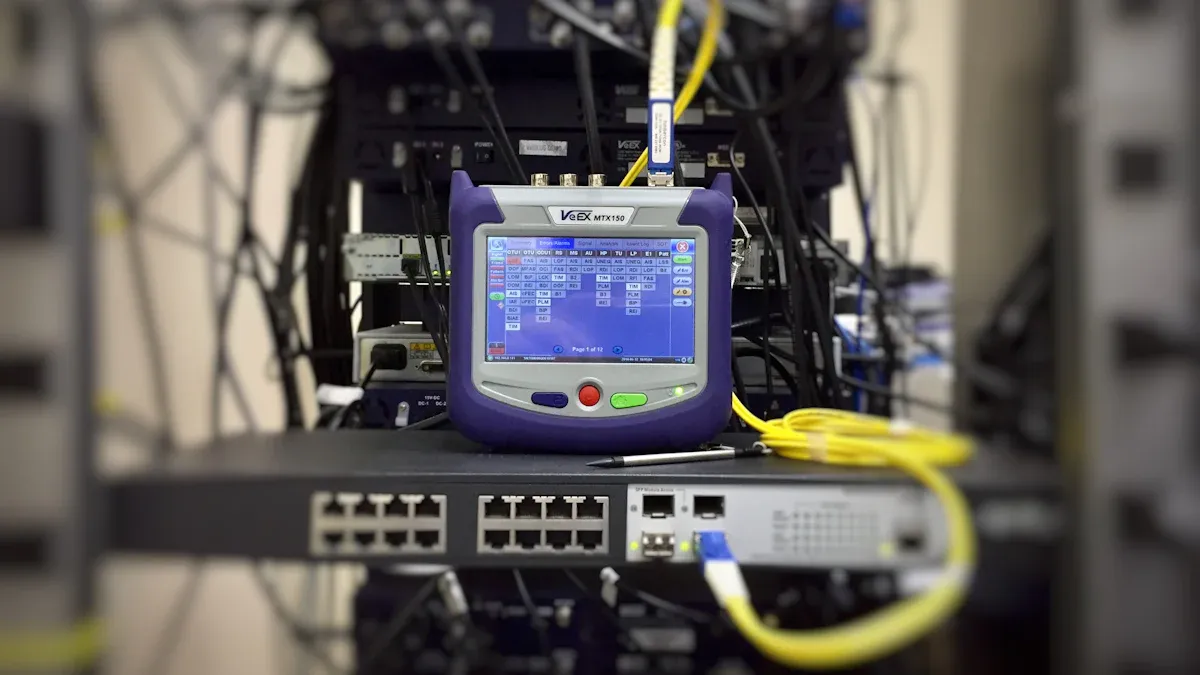
You need to focus on monitoring and troubleshooting to keep your telecom network reliable. Real-time monitoring plays a key role in modern maintenance. You use real-time monitoring to track voltage, temperature, and system health. This approach helps you spot problems early and respond quickly. You can manage and monitor your telecom rectifier system from any location. Digital control systems and real-time diagnostics help you identify issues before they cause downtime.
You should follow best practices for maintenance. Regular maintenance prevents unexpected failures. You need to train your team on preventive maintenance and safety protocols. Keep spare parts in stock for quick repairs. Check rectifier outputs and monitor load increases. Make sure LLVD and BLVD operate correctly. Inspect input feeds and module connections for faults. Use predictive maintenance tools to forecast needs and reduce risks.
Tip: Maintain logs of inspections and encourage technician feedback to improve your maintenance process.
Here is a simple maintenance schedule you can follow:
Task | Frequency | Responsible Person |
|---|---|---|
Visual Inspection | Weekly | Technician |
Output Monitoring | Weekly | Operator |
Cleaning | Monthly | Maintenance Team |
Connection Check | Monthly | Technician |
Proactive Maintenance Strategies
You can reduce failure rates by using proactive maintenance strategies. Regular checks and predictive maintenance improve network reliability. Real-time monitoring tracks critical metrics and allows you to detect anomalies early. Built-in safeguards and remote management features let you respond to issues fast. You minimize service interruptions and keep your telecom network running smoothly.
Modern telecom rectifier systems use remote monitoring as a standard feature. Real-time monitoring and diagnostics reduce the need for on-site visits. You get faster responses to problems and lower maintenance costs. Predictive maintenance tools, such as advanced platforms, give you insights into energy use and system health. These tools help you optimize maintenance schedules and identify gaps before they become issues.
You should integrate energy optimization and advanced alarm systems into your maintenance plan. Real-time monitoring and remote diagnostics enable proactive maintenance. You can schedule service before failures occur. This approach simplifies maintenance and reduces costs. You keep your telecom network efficient and reliable by focusing on real-time monitoring and predictive maintenance.
Implementation Guide
Assessing Current Infrastructure
You start by evaluating your current telecom infrastructure. Review all rectifier modules, batteries, and monitoring systems. Check for signs of wear, corrosion, or loose connections. Regular inspections help you spot physical damage early. Monitor operating temperatures and keep them between 68°F and 77°F for best efficiency. Clean and tighten electrical connections to prevent overheating. Replace worn components with original parts to maintain system stability. Use IoT-enabled rectifier modules for real-time monitoring of voltage, current, and temperature. This step ensures you understand your network’s strengths and weaknesses before making changes.
Choosing the Right Solution
When selecting an integrated O&M solution for your telecom network, focus on several key criteria:
Aim for at least 99% energy efficiency in your rectifier systems to reduce energy losses.
Choose solutions that support AI-driven predictive maintenance. This approach lets you monitor performance in real time and predict failures before they happen, reducing downtime by up to 50%.
Ensure the system meets industry standards for safety and compliance.
Look for advanced temperature management features, such as heat sinks and sensors, to protect equipment.
Select durable, weather-resistant designs with high protection ratings like IP or NEMA.
You can also benefit from cloud-based systems for remote management and optimization. Compact designs and efficient heat dissipation help your telecom network adapt to different environments without losing performance.
Ongoing Training and Support
You need ongoing training and support to keep your telecom systems running smoothly. ESTEL provides comprehensive resources, including documentation, video tutorials, and expert guidance. You receive setup assistance, troubleshooting help, and regular training sessions. Most operators learn the software quickly because of its intuitive interface. Training and support resources help your team maximize the benefits of your telecom power system. ESTEL’s technical support covers every stage, from installation to daily operation. This approach ensures your staff stays updated and your network remains reliable.
Tip: Use ESTEL’s training and support materials to keep your team skilled and your telecom network efficient.
You improve reliability across your telecom network when you choose simplified O&M training and integrated solutions. ESTEL’s modular systems and remote management features help you achieve higher reliability, lower costs, and greater efficiency. The table below shows measurable benefits:
Metric | Result |
|---|---|
O&M Cost Reduction | |
Annual Energy Savings | Over $600 per cabinet |
Reliability Improvement |
You boost reliability with advanced energy efficiency and proactive maintenance. Review your current telecom practices and consider modern solutions. Reach out to ESTEL for expert support and training to maximize reliability.
FAQ
What is the main benefit of using an integrated telecom rectifier system?
You get easier maintenance and faster repairs. Integrated systems combine all key parts, so you spend less time troubleshooting. This setup helps you keep your telecom network running smoothly and reduces the risk of unexpected downtime.
How does ESTEL support ongoing training for telecom professionals?
You receive access to detailed guides, video tutorials, and expert support. ESTEL offers regular updates and training sessions. These resources help you stay current with the latest technology and best practices for telecom operation and maintenance.
Why is reliable power delivery important for telecom networks?
You need reliable power delivery to keep your telecom equipment working without interruption. Stable power prevents outages and protects sensitive devices. This ensures your customers always have access to communication services.
Can I monitor my telecom rectifier system remotely?
Yes, you can. ESTEL systems include remote monitoring features. You track system health, receive alerts, and manage settings from any location. This makes it easier to respond quickly to any issues.
What should I check during routine maintenance?
You should inspect cables, check battery levels, and monitor output voltage. Clean dust from equipment and look for signs of wear. Regular checks help you catch problems early and keep your system in top condition.
See Also
Essential Insights for Newcomers on Telecom Power Systems
Methods for Calculating Power Systems and Batteries in Telecom
Integrating Solar Inverters and Batteries in Telecom Cabinets
Strategies for Maintaining Reliable Power in Telecom Cabinets
CALL US DIRECTLY
86-13752765943
3A-8, SHUIWAN 1979 SQUARE (PHASE II), NO.111, TAIZI ROAD,SHUIWAN COMMUNITY, ZHAOSHANG STREET, NANSHAN DISTRICT, SHENZHEN, GUANGDONG, CHINA
