Sizing battery backup runtime for rural bad-grid 5G with Outdoor Battery Cabinet

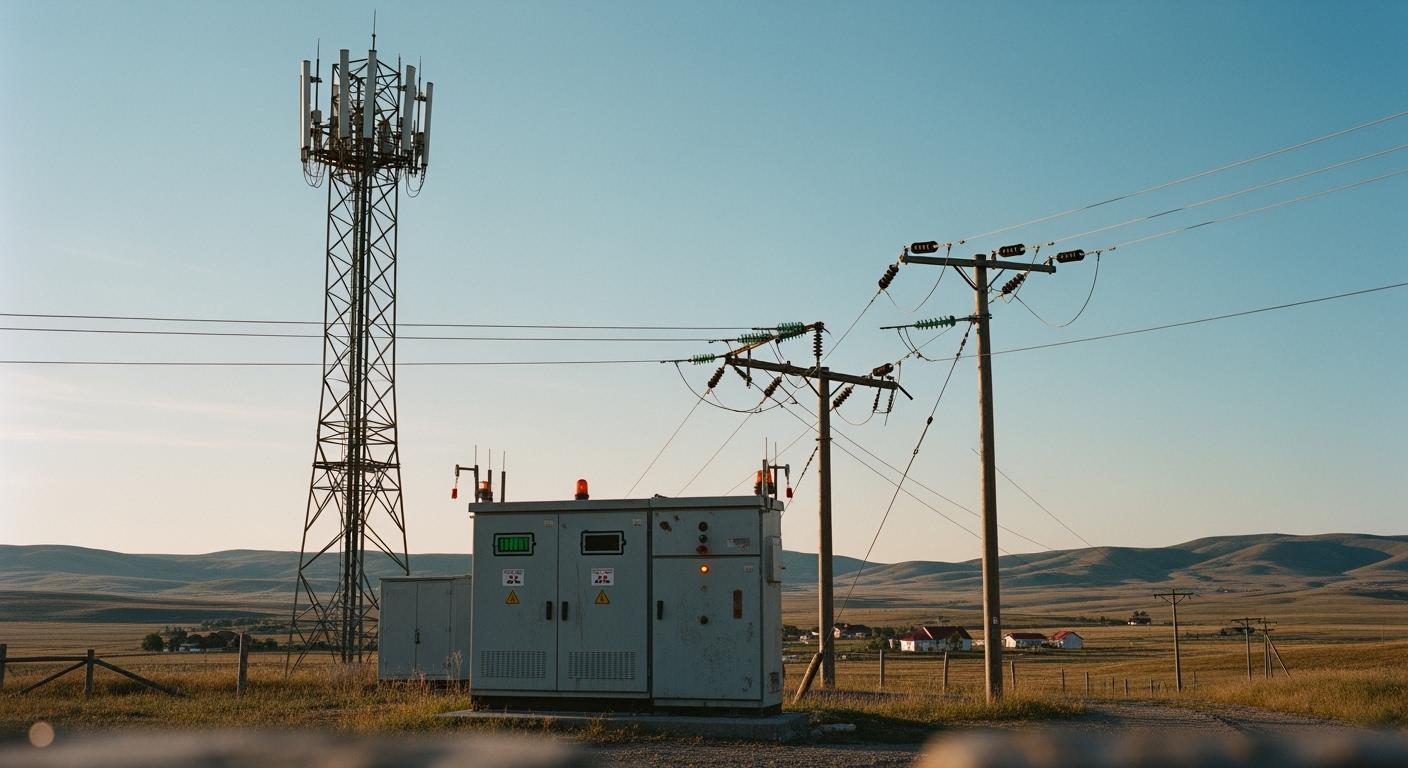
You need to size your battery backup carefully for rural 5G sites with unstable grid power. Using the right outdoor battery cabinet ensures your telecom equipment stays protected even during long outages. Accurate battery sizing improves reliability and lowers costs. Choosing the correct battery type impacts space, weight, and maintenance. For example, lithium-ion batteries last up to five times longer than lead-acid models and reduce total cost of ownership by up to 50%. See the table below for a quick comparison:
Feature | Lithium-Ion (Li-ion) | Lead-Acid |
|---|---|---|
Lifespan | 3-5 times longer | Standard lifespan |
Total Cost of Ownership (TCO) | 30-50% lower | Higher TCO |
Space Occupancy | 50-70% less | More space required |
Weight | 60-70% less | Heavier |
Maintenance Needs | Reduced due to remote monitoring | Higher due to physical visits |
Modularity | Easy expansion and adaptability | Limited flexibility |
When you use ESTEL’s outdoor battery cabinet, you get a secure, reliable, and efficient solution for your rural telecom needs.
Key Takeaways
Accurate battery sizing is crucial for rural 5G sites. It ensures reliable power during outages and reduces costs.
Choose lithium-ion batteries over lead-acid for longer lifespan and lower maintenance. They can last up to five times longer and cut costs by 50%.
Identify all critical equipment and their power needs. This helps you calculate the right battery capacity for your site.
Plan for backup runtime based on local grid reliability. Aim for several hours to days of power during outages to keep your network running.
Select an outdoor battery cabinet with high IP ratings for protection against dust and water. This keeps your equipment safe in harsh conditions.
Assess Power Needs
Identify Critical 5G Loads
You must start by listing all the essential equipment that your rural 5G site will use. Each device draws power, so understanding these loads helps you size your battery storage accurately. Here are the main components you should consider:
5G base station: This equipment uses at least twice as much power as a typical 4G base station. In fact, a single 5G base station can consume as much energy as about 73 average households.
5G antenna arrays: Massive MIMO antennas add significant demand, often requiring an extra 1000 watts per sector.
Network switches and routers: These devices keep your data flowing and need reliable backup power.
Transmission equipment: This includes fiber or microwave links that connect your site to the network.
Site monitoring and security systems: These systems protect your investment and require continuous power.
You should add up the power ratings for each critical load. This total gives you the baseline for your battery backup calculations. ESTEL’s outdoor battery cabinet provides a secure and weatherproof space for all these components, making it ideal for rural deployments.
Define Backup Runtime Goals
Next, you need to decide how long your site must operate during a grid outage. Industry standards recommend setting a minimum backup power runtime based on your location and the reliability of the local grid. For rural sites with unstable power, you should aim for several hours to multiple days of autonomy. Off-grid systems, like those used in remote telecom stations, rely on battery storage and energy generation rather than waiting for the grid to return. This approach gives you more flexibility and efficiency, especially when your equipment load changes throughout the day.
You should calculate your days of autonomy by considering the worst-case scenario for grid outages. This ensures your battery storage can support your site until power returns or a generator starts. By planning for enough battery capacity, you protect your network and avoid costly downtime.
Battery Sizing Calculation
Measure Power Consumption
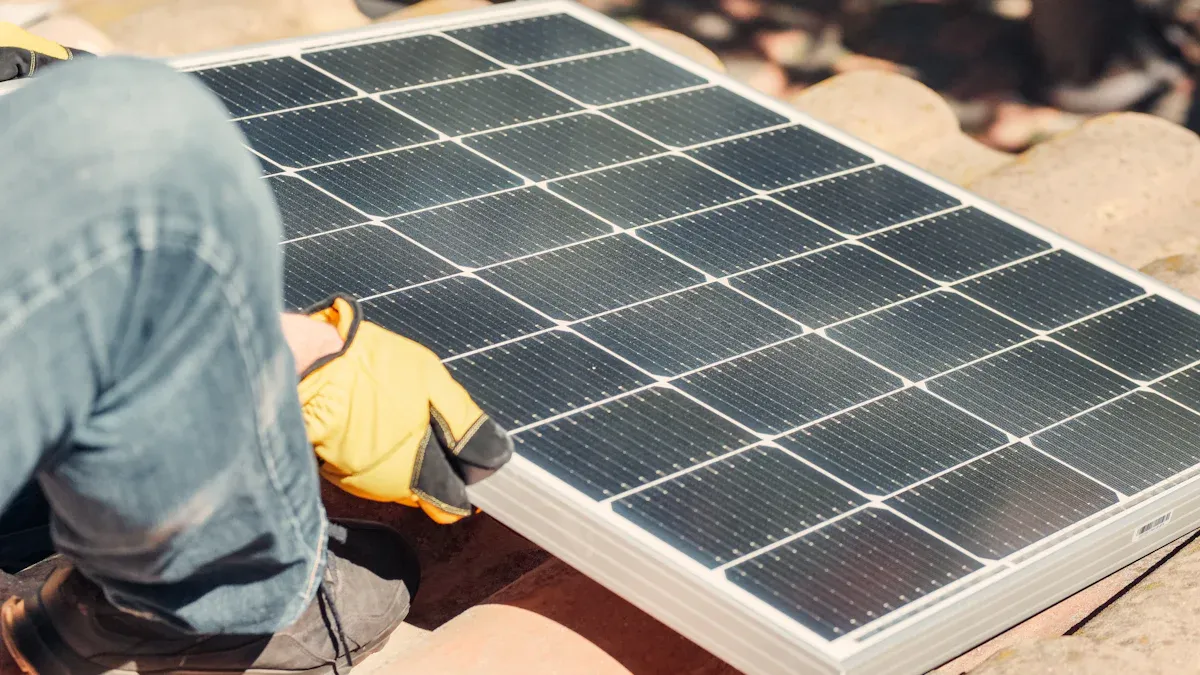
You need to start your battery sizing process by measuring the total power consumption of your rural 5G site. List every device that will draw power from your battery storage. This includes your 5G base station, antennas, network switches, routers, transmission equipment, and monitoring systems. Check the power rating label on each device or refer to the manufacturer’s datasheet. Add up the wattage for all equipment to get your total load in watts.
Tip: Always use the maximum expected load for your calculations. This ensures your battery storage can handle peak demand and unexpected surges.
If your site uses equipment that cycles on and off, such as cooling fans or air conditioners inside your outdoor battery cabinet, estimate the average power draw over time. You can use a power meter to measure real-time consumption for more accuracy.
Apply Sizing Formula and DoD
Once you know your total load, you can calculate the required battery capacity. Use this standard formula for battery sizing in telecom applications:
Backup Time (hours) = (Battery Capacity in Ah × Battery Voltage) / Total Load (W)
Or, in watt-hours:
Backup Time (hours) = Battery Capacity (Wh) / Total Load (W)
For more precise results, factor in usable depth of discharge (DoD):
Runtime (hours) ≈ (Total battery Wh × usable DoD) ÷ load W
Note: Usable DoD means the percentage of the battery’s total capacity that you can safely use without shortening its lifespan.
Why Depth of Discharge (DoD) Matters
Battery depth of discharge plays a critical role in battery sizing and energy storage planning. DoD tells you how much of the battery’s capacity you use before recharging. If you use a higher DoD, you get more runtime per cycle, but you also reduce the number of cycles the battery can deliver over its life. For example:
Greater DoD leads to shorter cycle life.
Fully discharging a battery to 100% DoD reduces usable cycles significantly.
Maintaining a smaller DoD, such as 20% or 50%, can greatly increase the number of cycles.
Higher DoD increases internal stress and speeds up material degradation. This shortens the battery’s service life. Managing DoD properly helps you get the most out of your battery storage, especially with robust chemistries like lithium iron phosphate (LiFePO₄).
Comparing Battery Chemistries
Your choice of battery chemistry affects both backup runtime and maintenance needs. See the table below for a quick comparison:
Feature | Lead-Acid | Lithium Iron Phosphate (LiFePO₄) |
|---|---|---|
Typical Lifespan (Years) | 5–12 | 12–15+ |
Depth of Discharge (DoD) | 50% recommended | 80–90% routinely used |
Energy Density (Wh/kg) | 30–50 | 90–120 |
Maintenance Needs | Monthly checks | Zero routine maintenance |
TCO (10-Year Horizon) | Higher lifetime cost | Lowest lifetime cost |
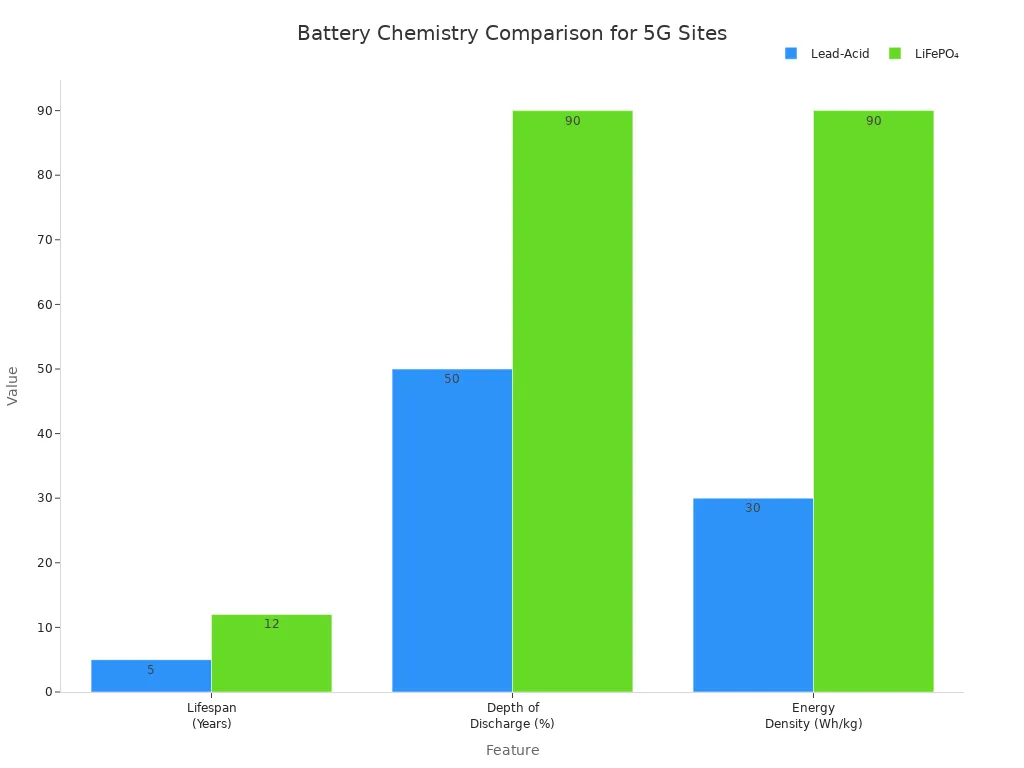
In real-world deployments, such as a wireless operator in rural Arizona, switching from VRLA to LiFePO₄ batteries led to zero battery-related outages and a 37% increase in runtime. Maintenance labor dropped by 68%. This shows how the right battery storage solution can boost reliability and reduce operational costs.
Use a Battery Runtime Calculator
You can simplify your battery sizing process by using an online battery runtime calculator. Enter your total load, desired backup time, battery voltage, and DoD. The calculator will estimate the required battery capacity for your site. This helps you avoid costly mistakes and ensures your energy storage system meets your needs.
Tip: Always round up your calculated battery capacity to the next standard size. This gives you a safety margin for unexpected load increases or battery aging.
By following these steps, you ensure your battery storage system delivers reliable backup power for your rural 5G site. Accurate battery sizing protects your network, reduces downtime, and maximizes your investment in outdoor battery cabinets.
Outdoor Battery Cabinet Selection
Environmental and Site Factors
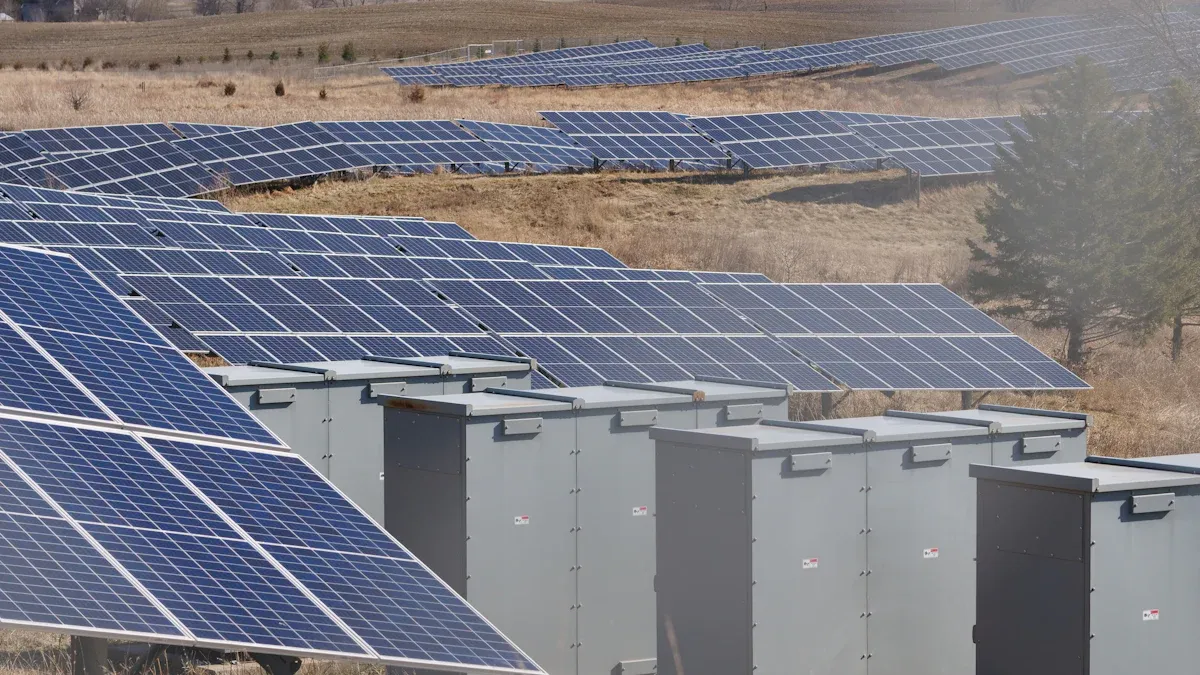
When you choose an outdoor battery cabinet for a rural 5G site, you must consider several environmental and site factors. These factors help you protect your battery storage and ensure reliable operation. You should look for cabinets with high IP ratings, such as IP55 or IP65. These ratings shield your equipment from dust and water, keeping your battery safe during storms or dusty conditions. Cabinets with IP65 or higher resist moisture and dust better than those with lower ratings.
You also need to think about the material build. Galvanized steel or powder-coated steel offers strength and corrosion resistance. This protects your battery storage from rust and damage in harsh climates. Thermal solutions matter too. In cold or hot regions, you must decide between passive cooling or active systems like air conditioners or fans. Security features play a big role in rural areas. Tamper-proof locks, alarm support, and reinforced construction prevent theft and vandalism. Some cabinets even support GPS tracking for extra protection. Space for future upgrades is important. You should pick a cabinet that allows you to add more battery units as your site grows.
Environmental ratings: IP65/IP66 or NEMA 3R/4X
Material build: Galvanized or powder-coated steel
Thermal solutions: Passive or active cooling/heating
Security: Tamper-proof locks, alarms, GPS support
Scalability: Room for future battery upgrades
ESTEL Cabinet Features
ESTEL’s outdoor battery cabinet stands out for rural telecom sites. You get a cabinet made from durable galvanized steel, which resists corrosion and harsh weather. The cabinet features IP55 or IP65 protection, so your battery storage stays safe from dust and water. Integrated cooling systems, such as air conditioners or fans, keep your battery and other equipment at the right temperature. The secure design includes multi-point locking systems and intrusion detection, which protect your battery from theft and unauthorized access.
You can customize the cabinet to fit your battery, inverters, and other telecom equipment. The flexible internal layout lets you plan for future upgrades. Use the table below to see how to size your cabinet for all components:
Factor | Description |
|---|---|
Environmental Protection | Withstands harsh conditions to keep battery storage reliable. |
Thermal Performance | Manages heat from active equipment for optimal battery life. |
Power and Energy Integration | Fits batteries, inverters, and power units for efficient energy management. |
Future Upgrades | Allows easy expansion for more battery units or new technology. |
You can use ESTEL’s outdoor battery cabinet for off-grid system deployments, residential battery storage, and telecom base stations. This solution gives you peace of mind and long-term reliability for your battery storage needs.
Ensuring Reliable Battery Backup
Grid Outage Planning
You face unique challenges when you operate rural 5G sites. Power outages happen often and can last for hours or even days. You must plan for these events to maintain energy independence and keep your network running. Start by studying the local grid’s reliability. Track how often outages occur and how long they last. Review weather patterns and climate conditions. High humidity and dust can shorten battery storage lifespan and cause failures. See the table below for how environmental factors affect battery performance and what you can do to protect your system:
Environmental Factor | Impact on Battery Storage Lifespan in Telecom Cabinets | Recommended Mitigation Measures |
|---|---|---|
Humidity | Decreases insulation performance; can cause electrical accidents; should be kept below 60%, not exceeding 80% | Use air conditioners with dehumidification, industrial dehumidifiers, and corrosion-resistant coatings |
Dust | Reduces insulation; damages electronics; impairs cooling system performance | Install dust filters, perform regular maintenance, and use cabinets with at least IP55 rating |
You should choose battery storage solutions that match your site’s climate. ESTEL’s outdoor battery cabinet offers IP55 or IP65 protection, which helps you achieve energy independence even in harsh environments. This protection ensures your backup power system works during every outage.
Integration with Inverters and Generators
You can boost energy independence by integrating inverters, rectifiers, and generators with your battery backup system. Inverters convert DC from battery storage to AC for your telecom equipment. Rectifiers do the opposite, charging your battery from AC sources. Generators provide backup power during long power outages, keeping your site operational when battery storage runs low.
Follow these best practices for integration:
Improve power factor to reduce energy losses in AC systems.
Use Class 4 power systems for safety and efficiency, especially above 50V DC.
Monitor cabling and shut off power during faults to prevent damage.
These steps help you save up to 75% on energy costs and lower carbon emissions. Reliable integration ensures your network stays online during peak demand or extreme weather, supporting your goal of energy independence.
You can also use advanced monitoring and power management options with ESTEL’s outdoor battery cabinet. Features like AI-powered predictive maintenance, automated diagnostics, and IoT sensor integration give you real-time alerts and reduce maintenance costs. Regular tasks such as cleaning solar panels, inspecting batteries, and testing inverters keep your backup power system ready for any outage. With these tools, you achieve true energy independence and uninterruptible power supplies for your rural 5G site.
Practical Example and Tips
Step-by-Step Sizing Example
Let’s walk through a real-world calculation for a rural 5G site. Imagine your site has the following equipment:
5G base station: 1,500 W
Antenna array: 800 W
Network switch: 200 W
Monitoring system: 100 W
Your total load equals 2,600 W. You want your battery backup to last 8 hours during an outage. You select lithium iron phosphate batteries with a usable depth of discharge (DoD) of 80% and a nominal voltage of 48V.
Calculation:
Total energy needed:
2,600 W × 8 hours = 20,800 WhAdjust for DoD:
20,800 Wh ÷ 0.8 = 26,000 WhConvert to amp-hours (Ah):
26,000 Wh ÷ 48V ≈ 542 Ah
You need at least 542 Ah of battery storage at 48V. ESTEL’s outdoor battery cabinet can house this capacity, along with cooling and monitoring systems.
Tip: Always round up your battery capacity to allow for aging and unexpected load increases.
Best Practices and Common Mistakes
You can improve reliability and reduce costs by following these best practices:
Best Practice | Description |
|---|---|
Proper Sizing | Match battery storage to your actual load and runtime needs. |
Cable Management | Keep DC cables organized and secure. |
Labeling & Documentation | Label all connections for easy troubleshooting. |
Surge & Lightning Protection | Install protection to prevent damage from storms. |
Load and Runtime Requirements | Calculate expected load and backup duration before installation. |
Temperature Control | Use cooling or heating to protect batteries in outdoor settings. |
Remote Monitoring & Maintenance | Use monitoring systems to catch issues early and reduce site visits. |
Avoid these common mistakes:
Setting the wrong float voltage for your battery.
Ignoring temperature effects on battery storage.
Skipping regular inspections.
Failing to collect baseline data for performance tracking.
Leaving battery connections loose or untorqued.
Regular checks and proper installation help you get the most from your outdoor battery cabinet and battery backup system.
You can achieve reliable battery backup for rural 5G sites by following these steps:
Identify your critical load.
Estimate backup duration.
Evaluate solar production.
Understand days of autonomy.
Design battery sizing.
Choosing ESTEL’s Outdoor Battery Cabinet gives you resilience, modular scalability, smart management, and energy efficiency. For next steps, consider site audits or professional consultations. Partnerships and local sourcing strengthen supply chains and improve resilience.
Benefit | Description |
|---|---|
Strengthens Supply Chains | Reduces costs and supports local economies. |
Improves Resilience | Mitigates risks from global disruptions. |
Fosters Economic Growth | Promotes employment and sustainability. |
FAQ
How do you choose the right battery type for rural 5G backup?
You should compare battery lifespan, maintenance needs, and cost. Lithium iron phosphate batteries last longer and need less maintenance than lead-acid. They also save space and reduce weight. Choose based on your site’s budget, climate, and backup time needs.
What IP rating do you need for outdoor battery cabinets?
You need at least IP55 for basic dust and water protection. For harsh or wet environments, select IP65. This rating keeps your batteries safe from rain, dust, and insects.
Can you expand your battery backup system later?
Yes, you can. ESTEL’s outdoor battery cabinets support modular expansion. You can add more batteries or equipment as your site grows. Plan for extra space when you first choose your cabinet.
How do you monitor battery health remotely?
You can use monitoring systems built into ESTEL’s cabinets. These systems track voltage, temperature, and alarms. You receive alerts for maintenance or faults. This reduces site visits and improves reliability.
See Also
Batteries for Energy Storage in ESTEL Telecom Cabinets
Solar Energy Storage Solutions for Telecom Cabinet Systems
Essential Features for Durable Outdoor Telecom Cabinets
Smart Energy Storage Systems for ESTEL Telecom Cabinets
Strategies for Safeguarding Equipment in Outdoor Telecom Cabinets
CALL US DIRECTLY
86-13752765943
3A-8, SHUIWAN 1979 SQUARE (PHASE II), NO.111, TAIZI ROAD,SHUIWAN COMMUNITY, ZHAOSHANG STREET, NANSHAN DISTRICT, SHENZHEN, GUANGDONG, CHINA
