How Smart PDU and Edge Server Integration Enables Dynamic Power Distribution

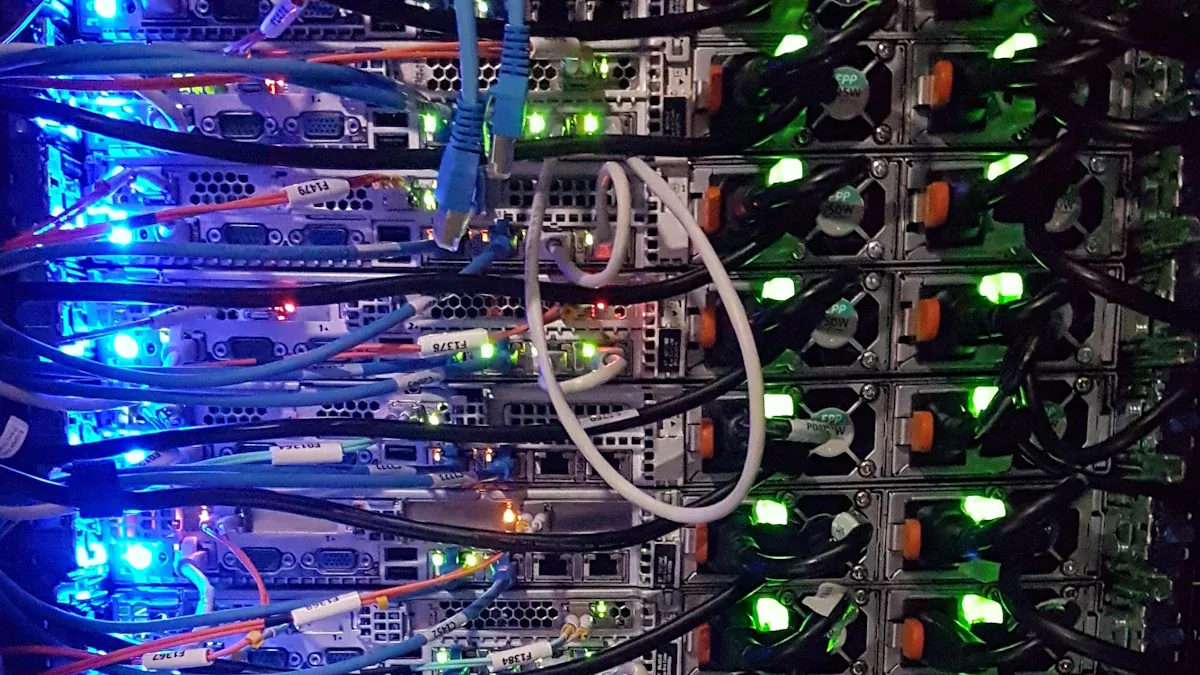
Smart PDUs and edge servers now share real-time data to adjust power allocation automatically based on computing load. This integration changes how you manage power distribution optimization in modern facilities.
The core mechanism works simply. Edge servers report workload metrics. Smart PDUs adjust power output per outlet. Software orchestrates the loop. This dynamic approach balances compute resources across racks.
You gain lower energy waste, better performance under peak loads, and cost savings. When compute demand rises, power flows where needed. When load drops, smart pdus reduce output. This prevents resource contention and wasted resources.
Hyperscale data centers and edge sites both benefit. Dynamic allocation keeps compute resources efficient. Power distribution units become active participants in infrastructure management. Hyperscale data centers increasingly adopt this model.
Key Takeaways
Smart PDUs and edge servers work together to adjust power automatically based on computing needs.
This integration reduces energy waste, lowers costs, and improves performance during peak loads.
You can implement dynamic power distribution by starting with a pilot rack and setting power thresholds.
AI-based optimization helps manage power at scale in hyperscale data centers.
Dynamic power distribution extends equipment lifespan and reduces resource contention.
Smart PDU and Edge Server Components
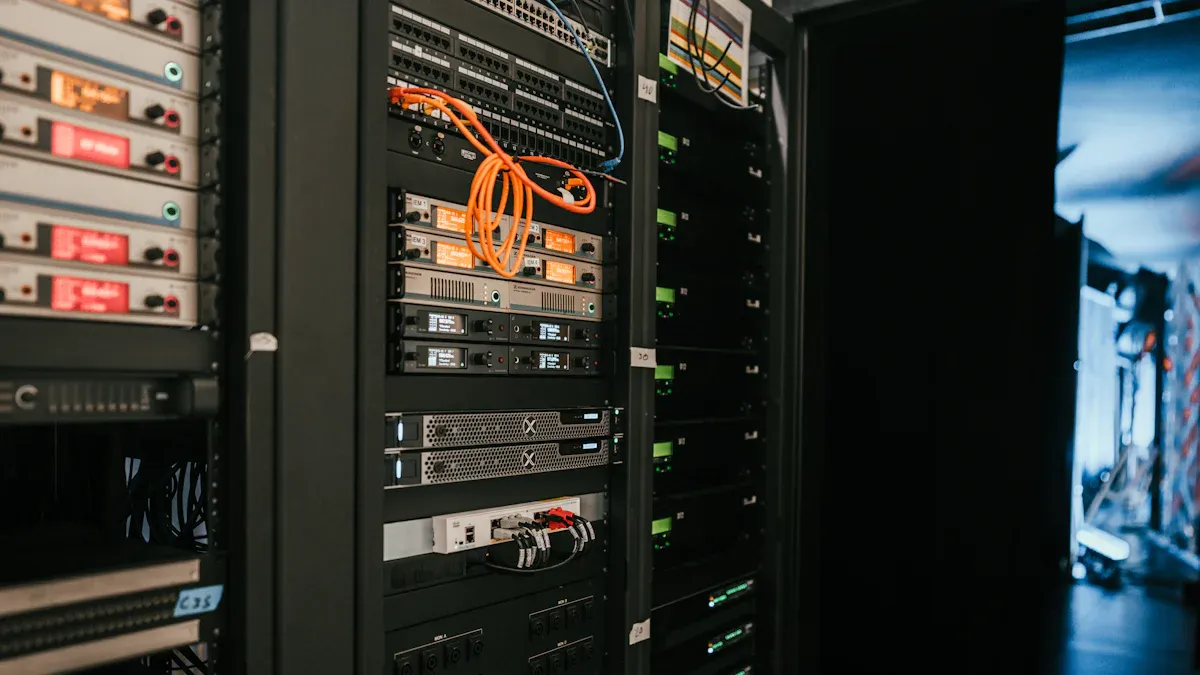
A smart PDU is an intelligent power distribution unit. You get monitoring, metering, remote control, and intelligent protocols in one device. These features give you complete visibility into every connected load. You can act on that data immediately. Power distribution units like this become active participants in daily operations.
Smart PDU Monitoring and Control
Smart PDUs track power at the outlet level. They measure voltage, current, and energy consumption. Remote switching lets you reboot a server without physical access. DCIM integration feeds real-time power data into your management platform. Load alerts warn you before a circuit trips. Load thresholds trigger automatic responses.
Specification | Value |
|---|---|
Maximum input current | 16 A |
Outlet count | 8 to 19 outlets |
Remote management protocols | Intelligent protocols, real-time updates, remote control and monitoring |
Additional features | LCD real-time monitoring, surge protection, dehumidifying function |
ESTEL's Smart Power Distribution Unit demonstrates these capabilities. It supports a 16A maximum input current. You can choose 8 to 19 outlets. The LCD display provides real-time status. Surge protection safeguards your hardware. A dehumidifying function maintains stable conditions. Remote management lets you adjust outlet settings from anywhere.
Edge Server Workload Awareness
Edge servers expose workload metrics through APIs. You read CPU utilization, memory usage, and network load. These metrics describe real-time computational power demand. They show how each server uses its resources. They identify which server needs more power. Edge servers reveal which server can share surplus.
Workload awareness turns monitoring into action. When compute demand rises in one rack, you see it immediately. When load drops, you notice the slack. This visibility enables dynamic distribution of compute resources. You can scale compute in a single rack instantly. Edge servers connect with these units in a feedback loop. Compute follows workload automatically. Compute and power become one unified system. Each rack balances its compute workload across available resources. You allocate compute capacity by reallocating resources from idle servers. This approach uses rack resources efficiently. These dynamic adjustments keep compute resources productive.
How Collaboration Enables Power Distribution Optimization
Data Communication and APIs
Edge servers send load data to a smart pdu through several standard methods. You can use RESTful APIs for modern applications. SNMP works well for legacy equipment. Both protocols carry CPU, memory, and network metrics from each server. The smart PDU receives this data and maps it to specific outlets. You configure which outlet feeds which server. This mapping creates a direct link between compute demand and power supply.
The communication loop runs continuously. Edge servers push updates every few seconds. The PDU processes each update and compares it against your thresholds. You set these thresholds based on server specifications and workload patterns. When a metric crosses a threshold, the system triggers an action. This action adjusts power output to that outlet. The entire cycle completes in milliseconds for latency-critical applications.
You gain full visibility into every rack through this data flow. Each server reports its status. Each outlet reports its consumption. The software layer correlates both data streams. You see exactly how much power each compute task consumes. This visibility supports accurate resource allocation decisions across your facility.
Real-Time Power Adjustment
The real-time loop follows a simple pattern. Load increases on a server. The server reports higher CPU or memory usage. The smart PDU detects this change through the API feed. It increases power to that specific outlet. The server receives more power and maintains performance. When load decreases, the reverse happens. The PDU reduces power to that outlet. This dynamic response prevents waste during idle periods.
Load balancing across multiple racks depends on this real-time data. You can shift compute tasks from a heavily loaded rack to one with spare capacity. The smart PDU in each rack adjusts its output accordingly. This dynamic load balancing keeps your entire facility within safe power limits. You avoid overloading any single circuit. You also avoid underusing available capacity.
Load forecasting improves these decisions further. Historical data shows you peak usage patterns. You can predict when demand will rise. The system pre-allocates power to racks that will need it. This proactive approach prevents performance drops during traffic spikes. It also supports power distribution optimization in hyperscale data centers where thousands of servers operate together.
Multi-access edge computing adds another layer of complexity. These deployments place compute resources close to end users. Power distribution optimization must account for variable workloads at each edge site. The smart PDU and edge servers work together to handle this variability. You get intelligent, real-time power delivery that matches compute demand at every location.
Resource contention becomes manageable with this approach. When multiple servers compete for limited power, the system arbitrates based on priority. You define which workloads matter most. The smart PDU ensures those workloads receive adequate power. Lower-priority tasks wait or move to other racks. This allocation strategy maximizes your available resources.
Hyperscale data centers benefit from these techniques at massive scale. You can manage thousands of racks through a unified control plane. Each rack operates autonomously within your defined parameters. The system balances load across the entire facility. Power distribution optimization at this scale requires automation. Manual adjustments cannot keep pace with changing compute demands.
Benefits of Dynamic Power Distribution
Energy Efficiency and Cost Savings
Dynamic allocation eliminates wasted electricity. You deliver power only where compute demand exists. Idle servers draw minimal power. Active servers receive exactly what they need. This targeted approach reduces energy consumption across your resources. Utility bills decrease every month.
Cooling costs fall with lower energy usage. Less power consumed generates less heat. HVAC systems run shorter cycles. Fans spin at lower speeds. This power distribution optimization trims operational expenses. Savings multiply as your facility grows.
Equipment lifespan extends through stable power delivery. Steady voltages reduce thermal cycling. Components avoid repeated heating stress. Motherboards and storage drives last longer. You replace hardware less frequently. Maintenance budgets stretch further.
Performance and Reliability Gains
Uptime improves when power supply matches server demand. Edge servers receive consistent voltage. Edge servers report metrics that guide the PDU. They handle sudden load spikes without slowdowns. The smart PDU detects load changes instantly. It raises output before problems develop. You prevent overloads proactively.
Resource contention drops with intelligent allocation. You assign compute capacity based on real-time need. Critical applications get priority access. Lower-priority tasks wait for spare capacity. This load balancing strategy uses your resources efficiently. You reduce resource contention across every rack. Hyperscale data centers rely on this precise control.
Thermal stress causes many hardware failures. Dynamic power adjustments keep temperatures steady. This dynamic management protects solder joints. Capacitors operate within safe ranges. Your compute infrastructure achieves higher stability. Unexpected outages waste fewer resources.
Capacity planning in hyperscale data centers improves with detailed usage data. Historical patterns reveal resource contention trends. You predict future compute requirements accurately. This approach scales well across thousands of servers. You optimize resources by reallocating compute workloads. Power distribution optimization becomes a strategic advantage.
Compute growth stays sustainable in hyperscale data centers. You expand compute capacity without proportional energy costs. Edge deployments balance computational power with dynamic control. You distribute compute resources exactly where needed. Resource contention decreases when power follows server load. Your infrastructure adapts continuously.
Implementing ESTEL Smart PDU with Edge Servers
Integration Steps and Best Practices
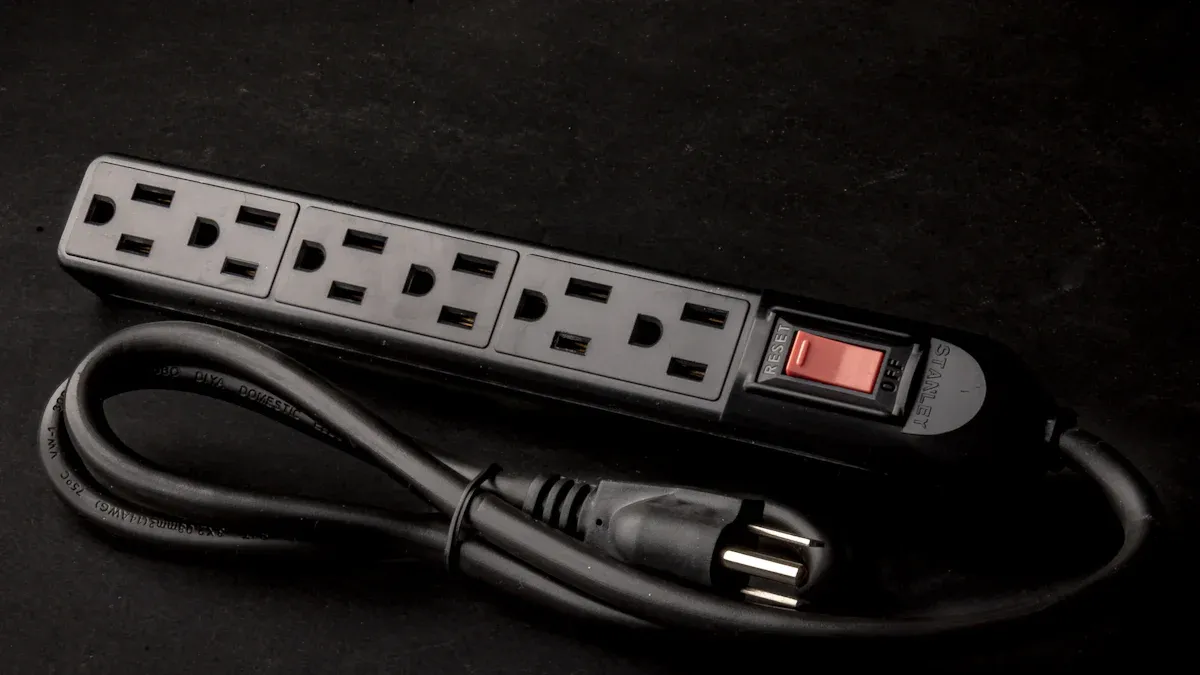
Start with a complete inventory of your edge servers. Record each server's power draw, outlet type, and workload profile. Connect ESTEL's Smart Power Distribution Unit to your rack. This smart pdu supports remote management and intelligent protocols for edge environments. Configure the APIs next. Map each outlet to its corresponding server. Set power thresholds based on your server specifications. Test failover behavior before going live.
Begin with pilot racks rather than full deployment. Monitor performance for one week. Collect data on power consumption and load patterns. Tune your thresholds after reviewing this data. Document escalation paths for your team. This approach minimizes risk while you learn how edge servers interact with the system.
Deployment Checklist and Tuning
Validate power quality before deployment. Review three months of power logs. If voltage sags exceed 10% at least twice per week, failover capability is justified. Verify input compatibility by measuring phase angle, frequency, and RMS voltage between feeds. Configure transfer thresholds for frequency deviation, phase imbalance, and harmonic distortion. Define your monitoring needs: per-outlet current readings, SNMP traps, or DCIM integration.
Deploy a Smart PDU management solution early. This captures ongoing energy usage data. Consider an out-of-band console for remote troubleshooting during failover tests. Plan network resources ahead of commissioning. Assign IP-to-switch-port mappings and review security restrictions. Update firmware before go-live. Check release notes for timing calibration and security fixes. These steps support power distribution optimization across your infrastructure.
Challenges and AI-Based Power Distribution Optimization
Latency, Security, and Compatibility
You face real obstacles when you connect edge servers to smart PDUs at scale. Communication latency tops the list. Edge power rails use predictive voltage and frequency scaling to meet strict response-time targets. Qualcomm's Snapdragon X shows sub-10ms dynamic power allocation for edge AI inference. Your 5g multi-access edge computing sites demand the same speed. Slow feedback loops hurt latency-critical applications.
Cybersecurity risks grow with every connected outlet. Rack PDU vendors now embed secure boot and signed firmware into hardware. Vertiv's Geist rack PDUs launched in 2024 include these protections for zero-trust architectures. You should encrypt every API and segment management traffic.
Mixed-vendor compatibility creates scattered policies and closed firmware interfaces. Open-standard power rails cut multi-vendor integration time by about 40%, according to the Gartner Hype Cycle for Data Center Infrastructure, 2023. Proprietary rails can be 5-15% more efficient only in optimized scenarios. Redundant communication paths, encrypted APIs, standardized protocols, and gradual rollout solve most of these problems.
Scalability in Hyperscale Data Centers
AI data-center infrastructure is hard to provision and repair at hyperscale speed. Workflows spread across legacy and multi-vendor systems that do not integrate cleanly. This is a core challenge for power distribution optimization in hyperscale data centers.
AI-based power distribution optimization offers the path forward. Predictive load forecasting predicts demand at granular levels. Real-time fault detection cuts mean time to repair. Autonomous power optimization adjusts power paths and battery utilization in real time. Load balancing across three-phase systems avoids thermal stress. Digital twins simulate failure scenarios before live deployment. Edge intelligence and federated learning let local models make low-latency decisions. AI-enabled power distribution optimization also supports renewable integration and demand response.
Power distribution optimization in hyperscale data centers remains a scalability goal. AI deployment for power distribution optimization lets agents monitor thousands of endpoints and scale without manual thresholds. Power distribution optimization in hyperscale data centers will define the next generation of edge compute resource management.
You now see how smart pdu and edge servers integration turns static provisioning into a dynamic, load-aware system. Edge servers report workload metrics. The PDU adjusts power per outlet. Software closes the loop. You reduce waste, lower costs, and improve performance. You also cut resource contention across racks.
AI-based power distribution optimization will spread. Load forecasting and autonomous control will guide allocation in hyperscale data centers. Power distribution optimization in hyperscale data centers will scale further. Edge servers will adopt these methods too. Hyperscale data centers will lead adoption. Hyperscale data centers will set the standard.
Evaluate your power infrastructure today. Check compute readiness. Assess allocation flexibility. Plan for dynamic control. Start your power distribution optimization journey now.
FAQ
How does a smart PDU know when to adjust power output?
Edge servers report CPU, memory, and network metrics through APIs or SNMP. The smart PDU maps each server to its outlet. When metrics cross your thresholds, the unit raises or lowers output to that outlet automatically. You define the thresholds based on your server specifications.
What hardware do you need for this integration?
You need smart PDUs with remote management and intelligent protocols. ESTEL's Smart Power Distribution Unit offers 8 to 19 outlets, a 16A maximum input current, LCD monitoring, surge protection, and a dehumidifying function. You also need edge servers that expose workload metrics through APIs.
Can this approach reduce resource contention across racks?
Yes. The system shifts compute tasks from heavily loaded racks to racks with spare capacity. Each smart PDU adjusts output to match. You assign priority to critical workloads. Lower-priority tasks wait or move elsewhere. This strategy uses your resources efficiently and reduces resource contention.
What is the first step to implement dynamic power distribution?
Start with a pilot rack. Inventory your edge servers and record power draw and workload profiles. Connect the smart PDU, configure APIs, and set thresholds. Monitor for one week. Tune your settings after reviewing the data. Document escalation paths before expanding to more racks.
How does AI improve power distribution optimization at scale?
AI-based optimization predicts demand at granular levels. It detects faults in real time and adjusts power paths autonomously. Digital twins simulate failures before live deployment. This approach supports power distribution optimization in hyperscale data centers. It lets you manage thousands of endpoints without manual thresholds.
See Also
Understanding ESTEL PDUs And Their Function In Data Center Cabinets
Methods To Guarantee Reliable Power Supply For Telecom Cabinet Systems
ESTEL Smart Microgrid Integrated Telecom Cabinet Energy Storage Solution Overview
Solar Photovoltaic Energy Storage Power System For Telecom Cabinet Applications
Exploring The ESTEL Telecom Cabinet Power System And Its Features
CALL US DIRECTLY
86-13752765943
3A-8, SHUIWAN 1979 SQUARE (PHASE II), NO.111, TAIZI ROAD,SHUIWAN COMMUNITY, ZHAOSHANG STREET, NANSHAN DISTRICT, SHENZHEN, GUANGDONG, CHINA
