Smart PDUs in Telecom Cabinets in the 5G Era: How to Ensure Stable Power for High-Density Devices?

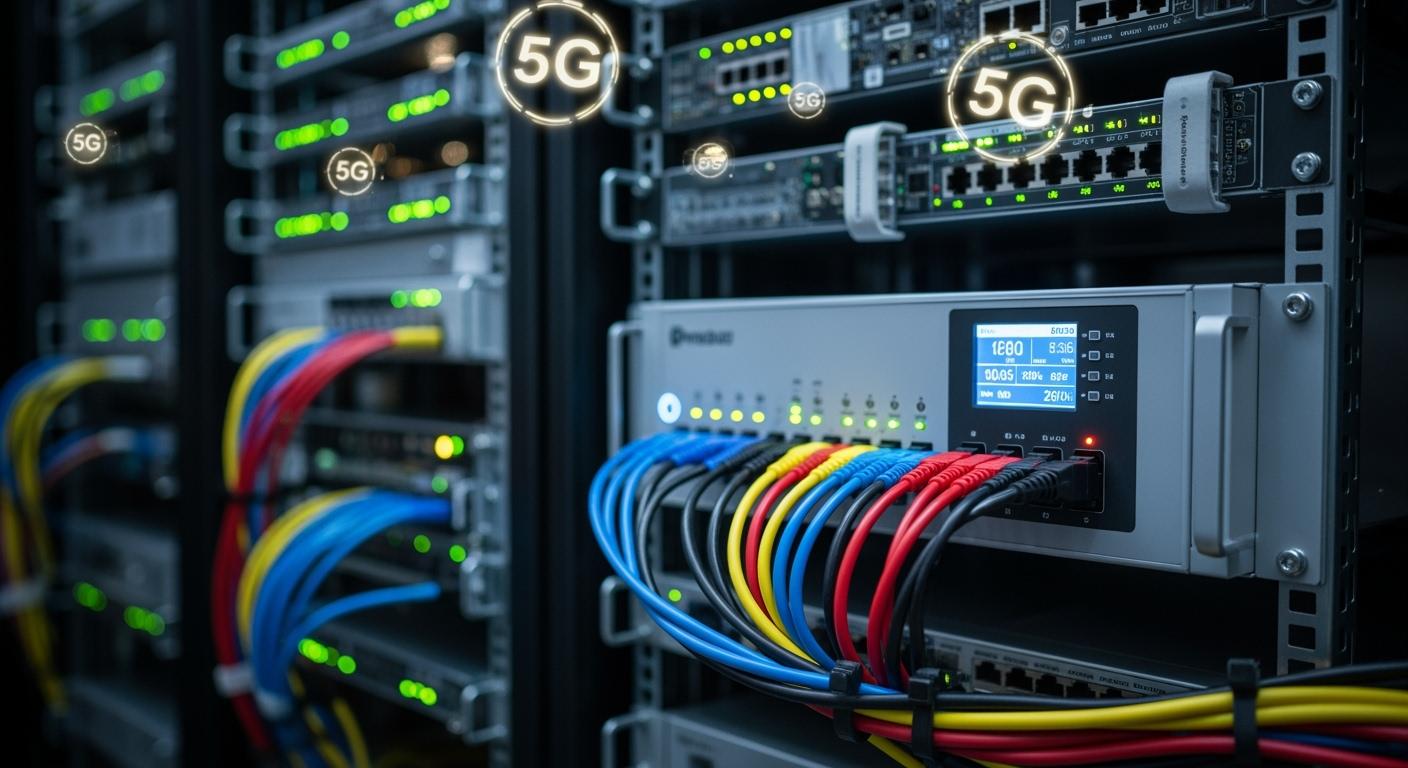
You face new challenges as telecom networks evolve with 5G. High-density devices in cabinets demand stable power and precise monitoring. Smart power distribution unit solutions from ESTEL provide immediate advantages, including remote management and real-time monitoring. Operators report several concerns:
Standardized energy metering is essential for efficient power management.
Energy costs continue to rise with increased consumption.
Complex energy management across network functions creates added risk.
Smart power distribution units address these problems and help you maintain reliable power for your telecom infrastructure.
Key Takeaways
Smart PDUs provide real-time monitoring and remote control, allowing operators to manage power efficiently from anywhere.
Effective thermal management and load balancing are crucial to prevent overheating and ensure reliable power distribution in high-density environments.
Integrating renewable energy sources with smart PDUs can reduce costs and enhance sustainability in telecom operations.
Regular maintenance and monitoring can significantly improve equipment uptime and reduce operational costs by up to 30%.
Choosing the right smart PDU with strong security features and modular design prepares your telecom infrastructure for future growth.
5G Telecom Power Challenges
High-Density Device Loads
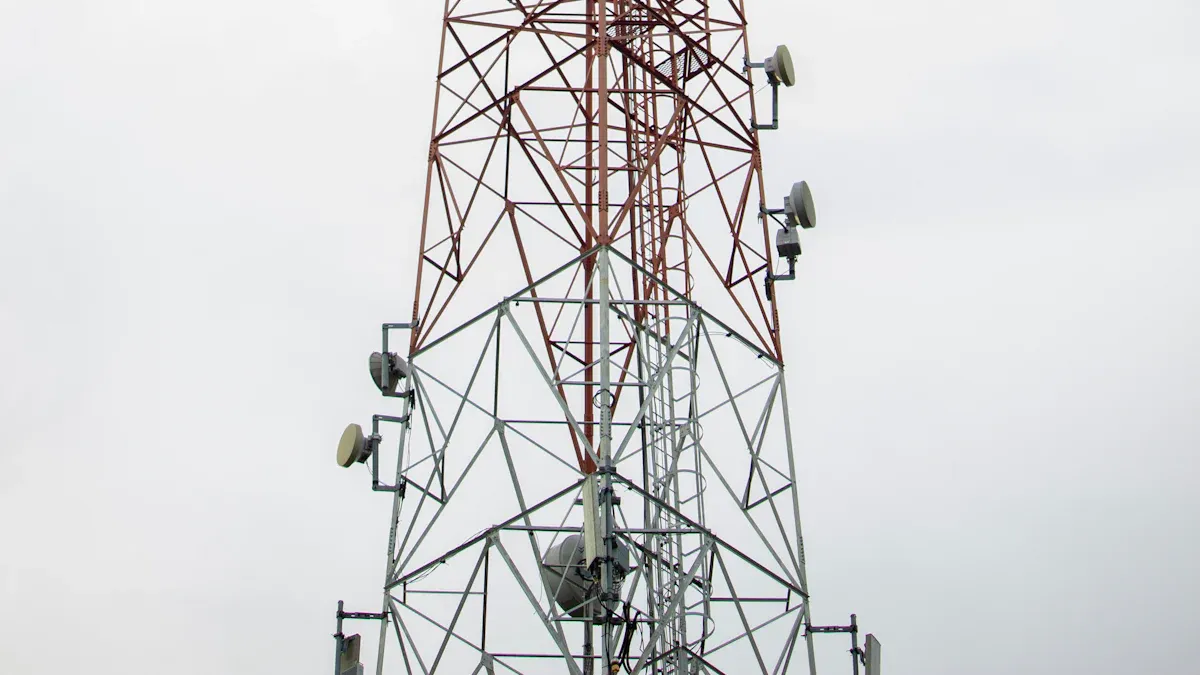
You face a new level of complexity as you deploy 5G in telecom cabinets. The density of devices in these cabinets has increased sharply. This change leads to much higher power consumption and heat generation compared to previous telecommunications generations. The table below shows how 5G base stations require far more power than 4G:
Load Level | 4G Base Station Power (Watts) | 5G Base Station Power (Watts) | Power Increase Factor |
|---|---|---|---|
Full Load (100%) | ~1045 | ~3700 | ~3.5 times higher |
Half Load (50%) | ~274 | ~925 | Significant increase |
Low Load (30%) | ~259 | ~810 | Significant increase |
You must manage these higher loads in confined spaces. The power density in 5G telecom cabinets now matches that of data centers. Heat flux can reach 300-800W/m², and without proper cooling, temperatures can exceed 85°. This environment puts your network equipment at risk of failure and downtime.
Power Spikes and Overheating
5G networks use massive MIMO antennas and advanced processing, which generate significant heat. For example, a single 64-array antenna can produce over 500 watts of heat. You need to address these spikes to prevent overheating. Outdoor cabinets often operate in harsh conditions, where high temperatures and humidity can cause equipment to overheat or corrode. Dust and debris may block airflow, reducing cooling efficiency and increasing the risk of power instability.
Tip: Effective thermal management and real-time monitoring help you avoid costly outages and protect your telecommunications investment.
Managing Multiple Power Sources
Modern telecom cabinets often rely on modular power systems to support 5G rollouts. You may use a mix of grid, battery, and renewable energy sources to ensure stable operation. The table below outlines common strategies:
Strategy | Description |
|---|---|
Flexible Power Systems | Scalable, energy-efficient, and adaptable to new network demands |
Modular Architecture | Easy expansion and modification as network needs grow |
Integration of Renewables | Solar panels and batteries reduce costs and store energy for peak demand |
Real-time Monitoring | IoT sensors and dashboards predict maintenance and enhance reliability |
You must balance these sources to maintain continuous power, especially in outdoor or remote locations. Modular designs let you expand capacity as your telecommunications needs grow, while real-time monitoring helps you respond quickly to any issues.
Smart Power Distribution Unit Solutions by ESTEL
Real-Time Monitoring and Remote Control
You need reliable tools to manage power in your telecom cabinets. ESTEL’s Smart Power Distribution Units give you real-time monitoring and remote control, which transform how you handle 5G networks. You can see immediate data about system performance and make quick decisions. Customizable alerts help you focus on critical incidents, so you respond faster and avoid unnecessary interruptions. Centralized dashboards let you oversee multiple sites, improving operational efficiency. Predictive maintenance features allow you to schedule repairs before problems occur, reducing downtime and saving costs.
Feature | Benefit |
|---|---|
Provides immediate insights into system performance, enabling quick decision-making. | |
Customizable alerts | Allows operators to focus on critical incidents, reducing alert fatigue and improving response times. |
Centralized dashboards | Streamlines monitoring across multiple sites, enhancing operational oversight and efficiency. |
Predictive maintenance | Reduces downtime by allowing proactive maintenance scheduling based on real-time data. |
Load balancing capabilities | Ensures even power distribution, minimizing unexpected shutdowns and enhancing reliability. |
You gain remote power management, which means you can control and monitor your cabinets from anywhere. This feature is essential for telecom operators who manage sites in remote or harsh environments.
Load Balancing and Redundancy
You face high-density device loads in 5G telecom cabinets. ESTEL’s Smart Power Distribution Units help you balance these loads and add redundancy. Intelligent protocols track energy usage and provide real-time insights. Dynamic power allocation ensures each device receives the right amount of power, improving efficiency and reducing waste.
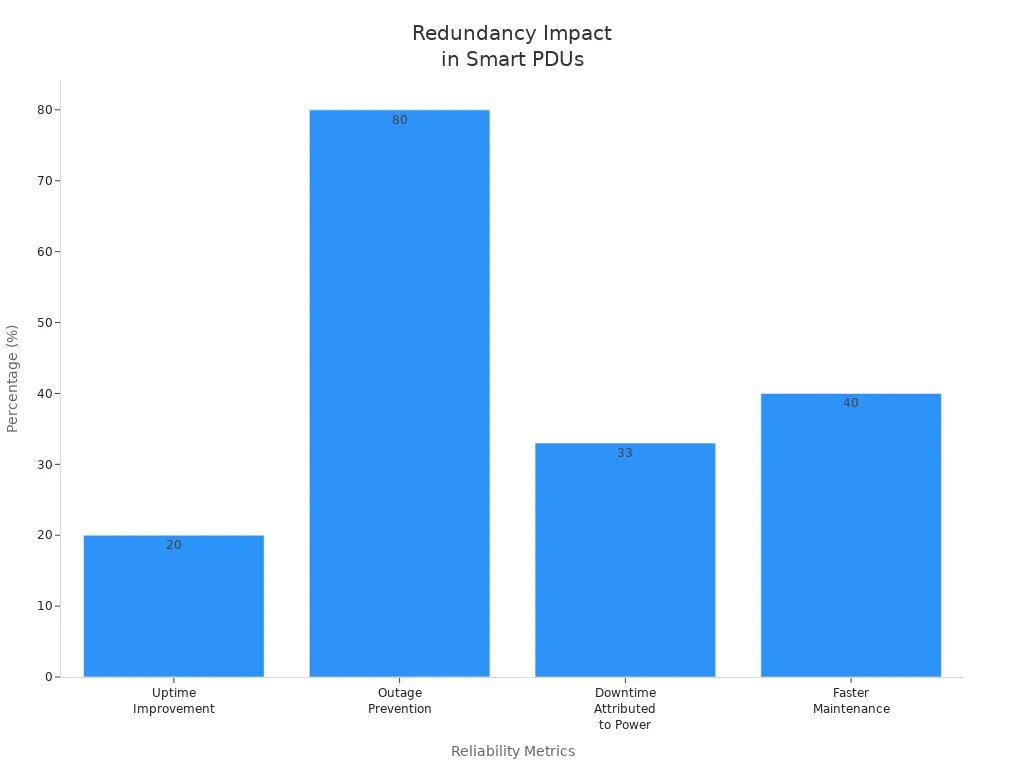
Operators have reported a 20% improvement in equipment uptime after using advanced monitoring solutions.
Battery lifespan has increased, often lasting up to 10 years, which boosts network stability.
Intelligent PDUs facilitate effective load balancing by tracking energy usage and providing real-time insights.
Dynamic power allocation ensures equitable resource distribution, improving operational efficiency and reducing energy waste.
Redundancy models like N+1 and 2N ensure backup power during equipment failures. You maintain service continuity even if one part of the system fails. Proactive monitoring can prevent up to 80% of outages, and remote monitoring enables 40% faster maintenance responses. Predictive analytics can anticipate failures weeks in advance, allowing you to schedule maintenance and avoid unexpected downtime.
You reduce the risk of service interruptions and keep your telecom network running smoothly.
Surge Protection and Environmental Controls
You must protect your equipment from power surges and harsh environmental conditions. ESTEL’s Smart Power Distribution Units include surge protection devices that shield your telecom equipment from lightning strikes and electrical disturbances. Environmental controls, such as thermal regulation and sealing against moisture, help prevent premature equipment failure.
Surge protection devices are essential for safeguarding telecom equipment against power surges.
Environmental controls, like thermal regulation and moisture sealing, prevent equipment failure.
Integrating these protections within telecom cabinets reduces the risk of damage and extends hardware lifespan.
You benefit from energy-efficient cooling and dehumidifying functions. These features maintain optimal operating conditions, even in outdoor or remote locations. You avoid overheating and corrosion, which are common threats in high-density 5G cabinets.
Integration with 5G Telecom Infrastructure
You need solutions that fit seamlessly into your existing telecom infrastructure. ESTEL’s Smart Power Distribution Units support integration with management systems and meet industry standards for safety and reliability. You get real-time monitoring, remote management, environmental sensing, overload protection, and centralized control.
Feature | Contribution to Network Reliability |
|---|---|
Real-time monitoring | Enables early detection of power issues, preventing downtime. |
Remote management | Allows for quick resolution of power issues from any location. |
Environmental sensing | Monitors conditions to prevent equipment failures due to overheating. |
Overload protection | Prevents system failures by managing power loads effectively. |
Integration with management systems | Centralizes alerts and control, enhancing operational continuity. |
You can trust ESTEL’s Smart Power Distribution Units to comply with international standards, including UL Listed, CE Mark, FCC Class A, and IEC 62368-1. These certifications confirm that your equipment meets strict safety and performance requirements.
Certification/Standard | Description |
|---|---|
UL Listed | Confirms compliance with safety standards, reducing fire and electric shock risks. |
CE Mark | Ensures compliance with safety regulations for devices sold in the EU. |
FCC Class A | Ensures electromagnetic emissions do not interfere with other devices. |
IEC 62368-1 | Standards for the safety of electronic equipment. |
You improve network reliability and operational continuity by choosing ESTEL’s smart power management solutions. You address the challenges of power distribution units in 5G telecom cabinets and ensure stable, efficient power for your high-density devices.
Best Practices for Deploying Smart PDUs in Telecom Cabinets

Selecting the Right Smart PDU
You should start by choosing a smart PDU that matches the demands of modular outdoor telecom cabinets. Consider these criteria to ensure optimal performance and flexibility:
Remote power control at the outlet level lets you manage devices in outdoor cabinets efficiently.
Use clear naming conventions for the PDU and each outlet. This helps you identify equipment and locations quickly.
Strong network security features protect your telecom infrastructure from threats.
Implement robust user authentication for secure access.
Select PDUs with bi-stable relays. These reduce power consumption during normal operation and support efficiency.
You gain flexibility and scalability by focusing on these features. This approach prepares your cabinets for future-ready networks.
Deployment and Configuration Steps
You can achieve simplified maintenance and deployment by following a structured process:
Schedule regular checks to verify load balancing. This step minimizes downtime and extends the lifespan of your equipment.
Perform routine maintenance. Inspect physical components, clean dust, and monitor performance metrics such as voltage and temperature.
Troubleshoot common issues by checking for tripped breakers. Use real-time monitoring data to identify and resolve problems.
Plan for scalability by evaluating your current setup. Monitor power load and space utilization to support future growth.
Choose modular PDUs. These provide flexibility and scalability, making upgrades and integration of intelligent features easier.
You ensure efficiency and flexibility in your modular outdoor telecom cabinets by following these steps.
Tip: Modular design of outdoor telecom cabinets supports scalability in modern networks, making your deployment adaptable to changing needs.
Integration with Existing Systems
You can enhance remote monitoring and control by integrating smart PDUs with your current telecom management systems. The table below outlines key integration features:
Feature | Description |
|---|---|
Remote Access | Access managed PDUs via a web interface for device management. |
Remote Monitoring | Track power consumption and alarms in real time. |
SNMP Support | Seamlessly communicate with existing monitoring systems for better control. |
Centralized Management | Integrate multiple PDUs for a single interface to monitor and control. |
You may face challenges during integration. These include compatibility issues, configuration challenges, ongoing management difficulties, security concerns, and cost considerations. Addressing these early ensures flexibility and efficiency in your deployment.
You support scalability, flexibility, and efficiency by following these best practices. Your outdoor cabinets will be ready for the demands of 5G and future-ready networks.
Real-World Results with ESTEL Smart PDUs
Power Stability Improvements
You see measurable improvements in power stability when you deploy ESTEL Smart Power Distribution Units in your telecom cabinets. Operators report that intelligent monitoring at the outlet level leads to a 20% increase in equipment uptime. You can track power usage and identify inefficiencies quickly, which helps you reduce maintenance costs. The modular design of ESTEL units allows you to expand your system as your network grows, supporting both small cells and macro base stations. You benefit from proactive maintenance features, such as hot-swappable components, which let you service equipment without shutting down your network. This approach ensures continuous operation and minimizes downtime.
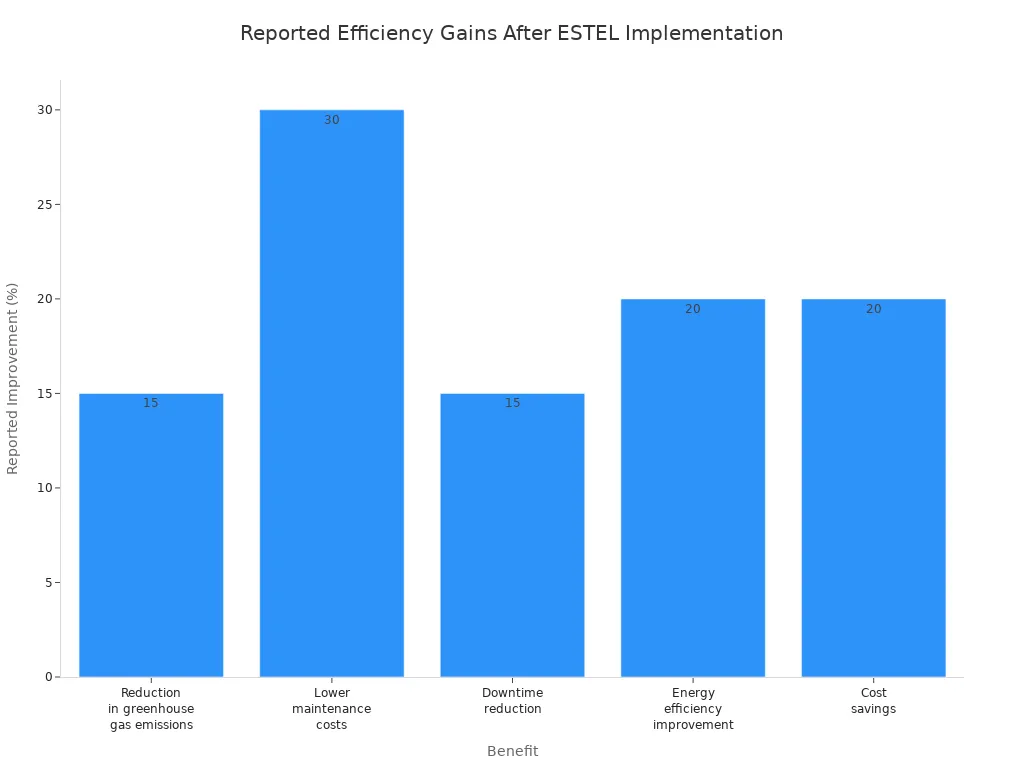
You also notice a reduction in greenhouse gas emissions by 15%, lower maintenance costs by 30%, and improved energy efficiency by up to 20%. The following table summarizes these operational gains:
Benefit | Measurement |
|---|---|
Reduction in greenhouse gases | 15% |
30% | |
Downtime reduction | 15% |
Energy efficiency improvement | Up to 20% |
Cost savings | Up to 20% reduction |
Customer Success Stories
You can learn from other telecom operators who have adopted ESTEL Smart PDUs in their outdoor cabinets. Here are some examples:
A leading telecom provider in Southeast Asia used ESTEL’s 48V power supply systems for their modular 5G small cells and macro base stations. They saw reduced energy costs and enhanced network performance.
A European data center integrated ESTEL’s modular 48V power supply systems. They achieved stable power delivery and minimized downtime, which helped them manage increased data loads.
Operators highlight enhanced reliability, reduced operational costs, and proactive maintenance capabilities. You can swap components without interrupting service, which keeps your network running smoothly.
Scalability and flexibility remain crucial for long-term success. You can invest in a modular power distribution unit that accommodates growth and reduces future disruptions.
You gain stable power, improved performance, and reliable operation in outdoor telecom environments when you choose ESTEL Smart PDUs.
You can solve the toughest 5G power challenges with ESTEL’s Smart Power Distribution Unit. Advanced features like real-time monitoring, environmental sensors, hot-swappable components, and intelligent load balancing give you control and reliability.
Feature | Benefit |
|---|---|
Real-time monitoring | Identifies inefficiencies quickly |
Environmental sensors | Maintains optimal conditions |
Hot-swappable components | Enables maintenance without downtime |
Intelligent load balancing | Reduces risk of outages |
Follow best practices such as ensuring power redundancy and using backup systems. Choose ESTEL to future-proof your telecom infrastructure with smart automation and enhanced safety.
FAQ
What makes ESTEL Smart PDUs suitable for outdoor telecom cabinets?
You get a robust design that resists harsh weather, dust, and moisture. The units feature surge protection, dehumidifying functions, and energy-efficient cooling. These features ensure reliable operation in outdoor environments.
How do you monitor and control ESTEL Smart PDUs remotely?
You access a web interface or use SNMP protocols. This lets you monitor power usage, receive alerts, and control outlets from anywhere. You improve efficiency and reduce the need for on-site visits.
Tip: Remote management helps you respond quickly to power issues and maintain network uptime.
What safety features do ESTEL Smart PDUs provide?
You benefit from multiple safety features:
Surge protection
Overload protection
Dehumidifying function
Secure user authentication
These features protect your equipment and ensure safe operation.
Can you integrate ESTEL Smart PDUs with existing telecom management systems?
Integration Feature | Benefit |
|---|---|
SNMP Support | Seamless system communication |
Centralized Control | Unified management interface |
Real-Time Alerts | Faster issue resolution |
You can easily integrate ESTEL Smart PDUs with your current systems for streamlined operations.
See Also
Ensuring Consistent Power Supply for Telecom Equipment
Solar Energy Storage Solutions for Telecom Infrastructure
The Importance of Upgrading Telecom Cabinets by 2025
CALL US DIRECTLY
86-13752765943
3A-8, SHUIWAN 1979 SQUARE (PHASE II), NO.111, TAIZI ROAD,SHUIWAN COMMUNITY, ZHAOSHANG STREET, NANSHAN DISTRICT, SHENZHEN, GUANGDONG, CHINA
