Long-Term Operational Stability Verification of Smart PDUs: 8760-Hour Continuous Full-Load Test Report

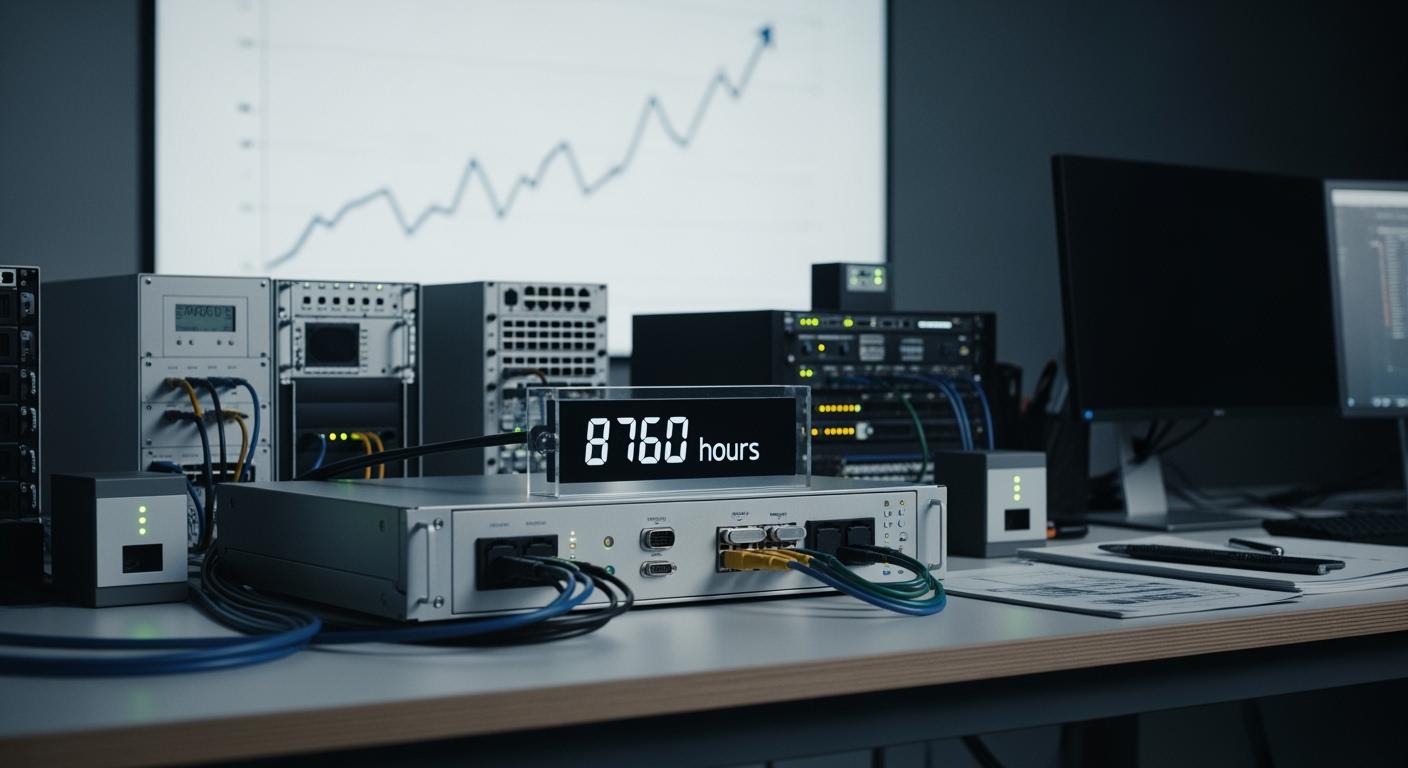
You rely on uninterrupted operations in telecom and data centers, where even minor power issues can cause costly downtime. To verify the long-term stability of the Smart Power Distribution Unit, ESTEL subjects each unit to an 8760-hour continuous full-load test. This approach reflects a deep commitment to quality and innovation, ensuring every unit meets strict international standards. Consider these facts:
65% of unplanned data center downtime results from failures in power and cooling infrastructure.
ESTEL references global standards to guarantee reliability, as shown below:
Factor | Description |
|---|---|
ASHRAE rules ensure good conditions for equipment, affecting large contracts. |
When you see these test results, you gain more confidence in your equipment’s operational stability and can plan maintenance with greater precision.
Key Takeaways
The 8760-hour test simulates real-world conditions, ensuring the Smart Power Distribution Unit performs reliably over time.
Monitoring key parameters like voltage and temperature helps prevent failures and extends equipment lifespan.
Real-time data and remote management features empower facility managers to respond quickly to any issues.
Choosing ESTEL products reduces maintenance costs and downtime, enhancing operational efficiency.
The Smart Power Distribution Unit meets international standards, providing confidence in its long-term stability.
Test Objectives and Approach
Purpose of 8760-Hour Test
You need to know how your equipment will perform over time. The 8760-hour test, which equals one full year, helps you see how the Smart Power Distribution Unit handles continuous full-load operation. This test simulates real-world conditions in telecom and data center environments. You can use the results to predict long-term reliability and plan maintenance more effectively. When you see a product pass this test, you gain confidence that it will not fail during critical operations.
ESTEL Smart Power Distribution Unit Features
You want a power distribution solution that stands out for reliability and innovation. The Smart Power Distribution Unit from ESTEL offers several advantages:
You benefit from consistent performance and durability, which means fewer unexpected failures.
Safety features protect your devices, reducing the risk of costly repairs or downtime.
The design focuses on simplicity and efficiency, making it easy for you to use and manage.
You also get advanced features such as remote management, surge protection, and real-time monitoring through an LCD display. The unit supports multiple outlet configurations and includes a dehumidifying function to maintain optimal conditions.
Key Parameters Monitored
During the 8760-hour test, you need to track several key parameters to ensure operational stability. These include:
Voltage
Current
Load
Temperature
Insulation Resistance
You can see the importance of monitoring these values in the table below:
Parameter | Threshold Value |
|---|---|
Voltage sag threshold | Below 90% of nominal |
Voltage swell threshold | Above 110% of nominal |
SEMI F47 voltage sag immunity | 50% voltage for up to 200ms |
70% voltage for up to 500ms | |
80% voltage for up to 1 second |
You should pay special attention to temperature. High temperatures can speed up equipment aging. A rise of just 6°C above the rated level can double insulation aging. Sustained high temperatures may also cause transformer oil breakdown, which can lead to thermal faults.
Test Execution and Monitoring
Step-by-Step Process
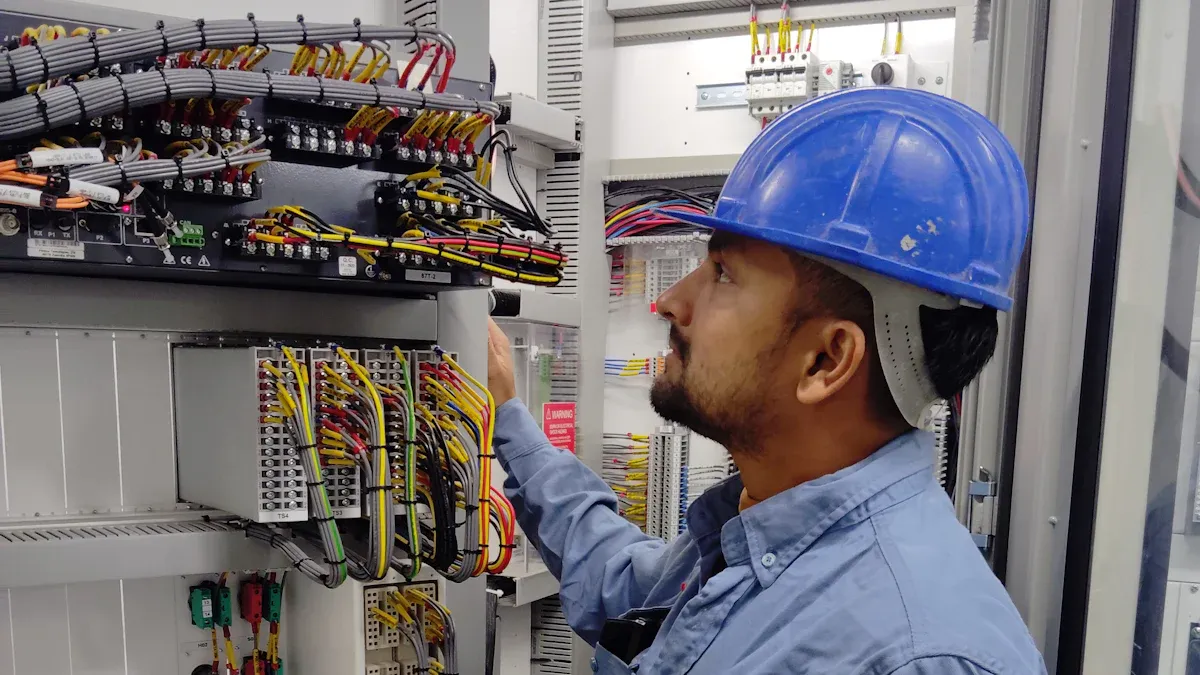
You start the 8760-hour test by setting up the Smart Power Distribution Unit in a controlled environment. You connect the unit to a full load, simulating real-world conditions. You use IoT sensors to monitor the unit’s performance from the beginning. You check all connections and confirm that the LCD display shows correct readings. You then activate remote management features to track the unit’s status from a distance.
During the test, you follow a clear process to manage any anomalies or unexpected events. The table below shows how you handle these situations:
Step | Description |
|---|---|
1 | Deploy machine learning models to analyze power consumption data in real-time. |
2 | Generate alerts for detected anomalies. |
3 | Provide tools for facility managers to respond quickly to these events. |
4 | Schedule regular model inference tasks to analyze new data. |
5 | Set up automated alert systems to notify operators of anomalies. |
6 | Create dashboards to visualize power consumption trends and system health metrics. |
7 | Implement logging and audit trails to track model decisions. |
8 | Periodically review system performance for accuracy and reliability. |
9 | Continuously improve the model based on new data and feedback. |
This process helps you keep the test running smoothly and ensures you catch any issues early.
Data Collection Procedures
You collect data using several advanced methods. Real-time monitoring through IoT sensors gives you instant updates on voltage, current, and temperature. Big data analysis helps you make decisions and plan for predictive maintenance. Anomaly detection frameworks help you spot irregularities in the data. You use data integration to combine information from different parts of the test. You store data both temporarily and permanently to make sure nothing is lost.
Tip: By using these methods, you can track every detail of the Smart Power Distribution Unit’s performance over the entire year.
Handling Interruptions
You may face interruptions during a long test. You prepare for these by setting up automated alert systems. These systems notify you right away if something goes wrong. You use dashboards to see trends and system health at a glance. You keep logs and audit trails so you can review what happened if an interruption occurs. You also review the system’s performance regularly to make sure everything stays accurate and reliable. This approach helps you respond quickly and keep the test on track.
Results and Analysis
Performance Summary
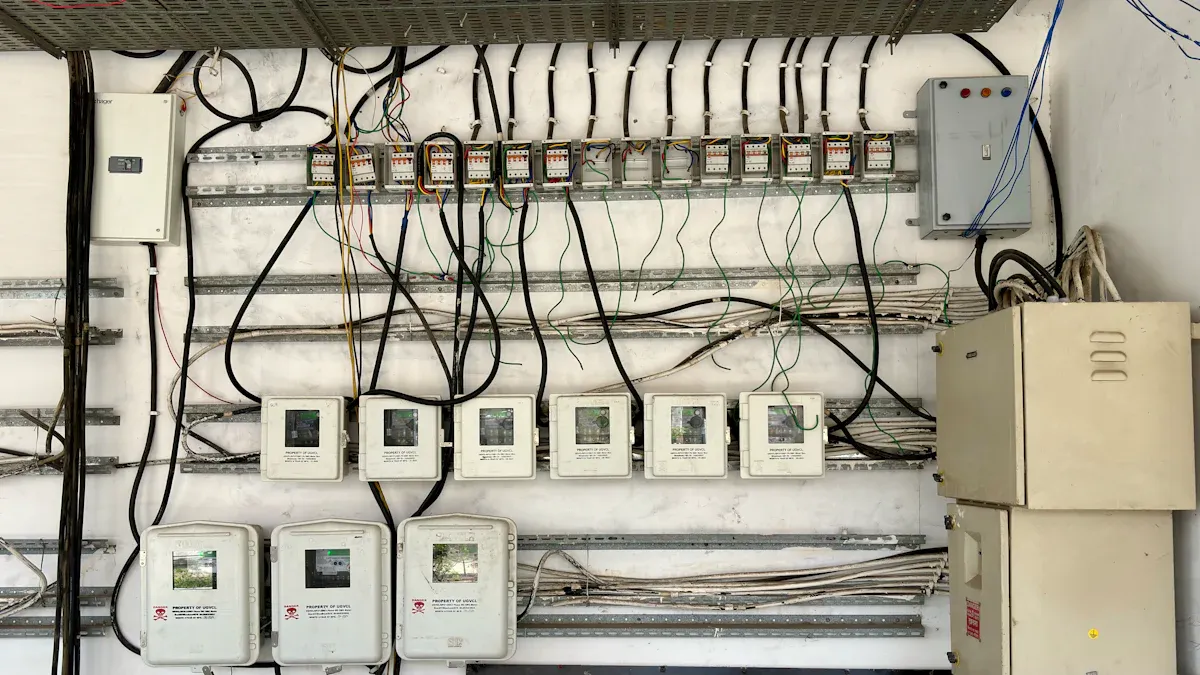
You can see the results of the 8760-hour test by looking at the performance data. The Smart Power Distribution Unit operated under full load for an entire year without interruption. You observed stable voltage and current readings throughout the test. The LCD display provided real-time updates, allowing you to monitor every parameter. Remote management features worked as expected, giving you control from any location. The dehumidifying function kept the internal environment optimal, preventing moisture-related issues.
You noticed that the unit maintained consistent energy efficiency. Advanced rectifiers minimized energy loss, which helped lower electricity bills. The outlet-level metering allowed you to track power usage for each device. You could identify patterns and optimize your setup. Aggregate metering gave you a clear picture of overall consumption. The branch circuit metering helped you balance loads and prevent overloads.
Note: You can rely on the Smart Power Distribution Unit for uninterrupted operation, even in challenging conditions.
Reliability Metrics
You measured reliability using several key metrics. The unit provided a stable power supply, which ensured continuous operation. Real-time monitoring helped you prevent failures and extend equipment lifespan. You tracked system performance with detailed data. Outlet-level switching allowed you to manage power distribution remotely. You could turn outlets on or off as needed.
The following table shows how the reliability metrics compare to industry benchmarks:
Metric | Description |
|---|---|
Energy Efficiency | Utilizes advanced rectifiers and architectures to minimize energy loss, lowering electricity bills. |
Reliability | Provides a stable power supply, ensuring uninterrupted operation even under challenging conditions. |
Monitoring Capabilities | Real-time tracking of system performance to prevent failures and extend equipment lifespan. |
You also used performance metrics to analyze the unit’s capabilities:
Performance Metric | Description |
|---|---|
Aggregate Metering | Collects overall power usage data without specifying individual outlets or circuits. |
Outlet-Level Metering | Measures power usage at each outlet individually, helping identify usage patterns and detect leaks. |
Outlet-Level Switching | Allows remote control of individual outlets, enabling management of power distribution remotely. |
Branch Circuit Metering | Measures power usage for each branch circuit, helping balance the load across circuits effectively. |
Real-Time Monitoring and Management | Provides detailed, real-time monitoring of power parameters and environmental conditions. |
You saw that the Smart Power Distribution Unit met or exceeded industry standards in every category.
Maintenance Events
You tracked maintenance events during the test. You found that failures in data centers often come from power and cooling infrastructure, not IT systems. Power delivery systems cause most unplanned downtime, including UPS malfunctions and electrical faults. Cooling system failures can lead to rapid server shutdowns because of extreme thermal loads.
You observed the following during the test:
The Smart Power Distribution Unit did not experience any critical failures.
You performed routine maintenance checks, such as cleaning and verifying connections.
You responded quickly to minor alerts, which prevented larger issues.
You used real-time monitoring to detect anomalies before they affected operations.
You learned that 65% of unplanned data center downtime comes from power and cooling failures. You saw that the unit’s advanced monitoring and management features helped you avoid these problems. You gained confidence in the unit’s reliability and reduced your maintenance workload.
Tip: You can use the Smart Power Distribution Unit to improve operational stability and minimize downtime in your facility.
Real-World Implications
Impact for Facility Managers
You play a key role in keeping your facility running smoothly. The results of the 8760-hour test give you valuable insights for planning and decision-making. You can use real-time data to monitor your systems and respond quickly to any changes. The table below shows how the test results influence your operational planning:
Aspect | Influence on Operational Planning |
|---|---|
IoT Applications | Enhance decision-making and operational efficiency through real-time data monitoring. |
Energy Efficiency | Reduces operational costs and improves sustainability by minimizing energy waste. |
Advanced Monitoring Features | Provides insights into energy consumption, allowing for informed planning and forecasting. |
Proactive Maintenance | Prevents unexpected failures and extends equipment lifespan, ensuring reliability in operations. |
You can see that these features help you manage your resources better and keep your facility reliable.
Maintenance and Lifecycle Costs
You want to reduce costs and avoid unexpected repairs. The test results show that ESTEL designs the Smart Power Distribution Unit for reliability and durability. You will spend less on maintenance and replacements because the unit can handle tough conditions. This long-term stability means you can plan your budget more accurately and avoid expensive failures. You get peace of mind knowing your equipment will last longer and require less attention.
Operational Confidence with ESTEL
You need confidence in your power systems, especially in telecom and data center environments. The year-long test proves that you can trust ESTEL products to deliver stable performance. You benefit from advanced monitoring, energy efficiency, and proactive maintenance features. These advantages help you keep your operations running without interruption. You can focus on your core tasks, knowing your power distribution is secure and reliable.
Tip: When you choose ESTEL, you invest in technology that supports your goals for efficiency, reliability, and long-term success.
You can trust the results of the 8760-hour test. This test proves that ESTEL Smart Power Distribution Units deliver stable and reliable performance.
You gain confidence in your power systems.
You reduce maintenance costs and downtime.
You improve planning for future operations.
Tip: Choose ESTEL for dependable power solutions that meet international standards and support your long-term success.
FAQ
What is the maximum input current for the ESTEL Smart Power Distribution Unit?
You can use the Smart Power Distribution Unit with a maximum input current of 16A. This rating ensures safe and reliable operation for your telecom and data center equipment.
Does the Smart PDU support remote management?
You control and monitor the Smart Power Distribution Unit remotely. The unit offers intelligent protocols and real-time updates, making power management easy and efficient.
Tip: Remote management helps you respond quickly to any issues.
How many outlets does the Smart PDU offer?
You choose from models with 8 to 19 outlets. This flexibility lets you connect multiple devices and manage power distribution for your facility.
Model Type | Outlet Count |
|---|---|
Standard | 8 |
Extended | 19 |
What safety features protect your equipment?
You benefit from surge protection and a dehumidifying function. These features keep your devices safe from electrical spikes and moisture, ensuring stable operation.
See Also
A Complete Overview of Telecom Cabinet Battery Risk Assessment
Understanding ESTEL PDUs and Their Importance in Data Centers
Innovative Energy Storage Solutions for Telecom Cabinets with Microgrids
Strategies for Maintaining Consistent Power in Telecom Cabinets
Solar Energy Storage Solutions for Telecom Cabinet Applications
CALL US DIRECTLY
86-13752765943
3A-8, SHUIWAN 1979 SQUARE (PHASE II), NO.111, TAIZI ROAD,SHUIWAN COMMUNITY, ZHAOSHANG STREET, NANSHAN DISTRICT, SHENZHEN, GUANGDONG, CHINA
