Optimizing High-Density Cabinet Performance with Smart Power Distribution Units and Air Conditioning Linkage

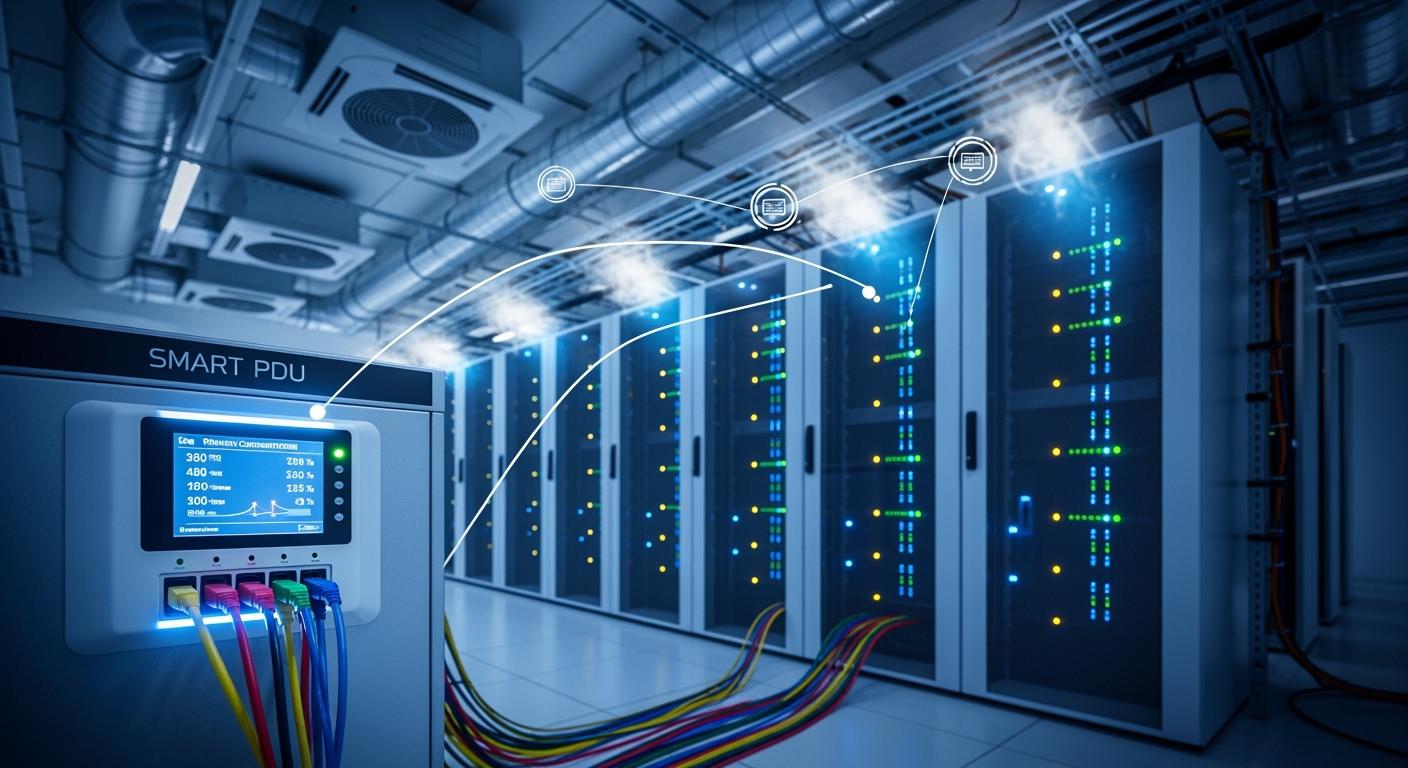
You face major challenges when you manage high-density telecom cabinets. Cooling and power systems can consume over half of a data center’s energy. Pumps alone add hundreds of watts of heat. Real-time alerts and automation help you respond quickly and save up to 30% on energy. When you use a Smart Power Distribution Unit with air conditioning linkage, you gain remote monitoring and better control. ESTEL’s dedication to innovation ensures you get reliable, efficient solutions for your telecom infrastructure.
Key Takeaways
Use Smart Power Distribution Units to monitor and control power in real time. This helps prevent outages and reduces downtime.
Integrate cooling systems with power distribution for automatic adjustments. This keeps equipment safe and lowers energy costs.
Implement predictive maintenance strategies to spot issues early. This can reduce maintenance costs by up to 40% and improve reliability.
Choose ESTEL solutions for their advanced features like surge protection and remote management. These enhance performance in high-density environments.
Utilize real-time data sharing and automation to maintain optimal cabinet conditions. This minimizes manual intervention and improves efficiency.
High-Density Cabinet Challenges
Heat Dissipation Problems
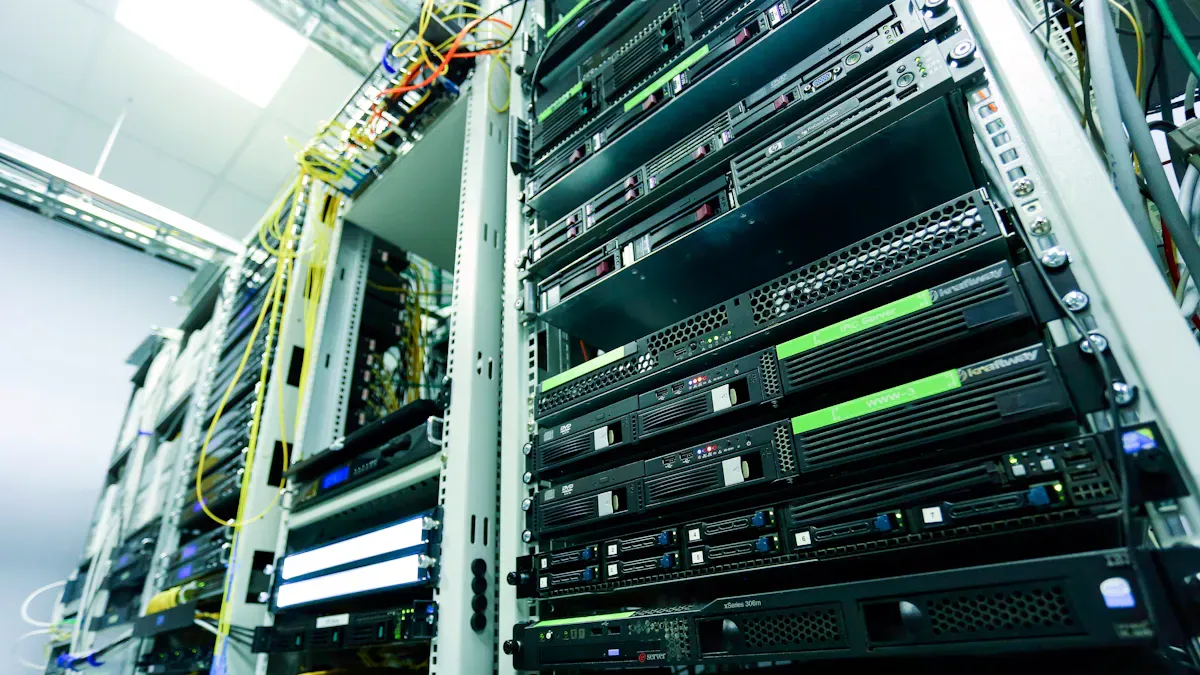
You face serious heat dissipation problems when you manage high-density telecom cabinets. Excess heat can damage sensitive components and shorten their lifespan. The table below shows common heat challenges and their effects:
Challenge | Description |
|---|---|
Thermal stress | MOSFET and power diode failures due to excessive heat. |
Component degradation | Thermal overload causing parts to fail prematurely. |
Hot spots | Improper mounting or inadequate thermal paste leading to localized heating. |
Switching losses | Can lead to thermal runaway if not managed properly. |
Environmental factors | Direct sunlight, humidity, dust, and temperature swings complicate cooling. |
You must also deal with environmental issues like direct sunlight, high humidity, dust, and sudden temperature changes. These factors make cooling even more difficult and increase the risk of equipment failure.
Power Distribution Complexity
Power distribution in high-density cabinets is not simple. You need a robust design to handle high electrical loads and advanced safety features to protect your equipment. Modularity and scalability are important because your needs can change quickly. You must manage multiple circuits efficiently and ensure reliability at all times. Specialized solutions are often necessary for data centers and other critical applications.
A Smart Power Distribution Unit helps you address these challenges by offering intelligent monitoring and control. You can track power usage, detect problems early, and adjust settings remotely.
System Overload Risks
System overloads can cause major outages and damage. The table below lists the main causes of overload risks:
Cause of Overload Risk | Description |
|---|---|
IT and network complexity | Accounts for nearly a quarter of impactful outages due to software updates or misconfigurations. |
Human error | Often results from not following procedures, leading to more than half of outages. |
Failures from third-party providers | Includes issues from cloud and telecom partners. |
Natural disasters | Events like hurricanes or earthquakes can lead to unexpected surges in demand. |
Legacy network limitations | Older technologies can increase overload risks, especially during high demand. |
Sudden spikes in demand | Events such as the COVID-19 lockdown caused significant traffic increases. |
You must stay alert to these risks. Even a small mistake or a sudden spike in demand can lead to costly downtime. Intelligent, integrated maintenance strategies are essential for keeping your systems running smoothly.
Smart Power Distribution Unit Features
Intelligent Monitoring & Control
You gain a powerful advantage when you use a Smart Power Distribution Unit in your telecom cabinet. Intelligent monitoring lets you track every detail of your power system. Sensors measure temperature, humidity, and other environmental factors. Automated alerts notify you about power or environmental issues, so you can act quickly. You access real-time data through an easy-to-use web interface. This helps you prevent failures and optimize maintenance schedules.
Feature | Description |
|---|---|
Remote Access | You check power and PDU status from anywhere. |
Sensors track temperature, humidity, and other conditions. | |
SNMP Traps | Automated alerts notify you about power or environmental issues. |
Branch Circuit Protection | Prevents overloads and keeps your cabinet safe. |
Authentication Support | Secure access with strong password policies. |
User Interface | Easy-to-use web GUI for quick management. |
Hot-Swappable Controller | Replace controllers without downtime. |
You reduce unplanned downtime by 25%. You cut service interruptions by 40% through predictive maintenance. You respond faster to emerging problems. Real-time data collection improves fault detection and response times. Maintenance response times improve by 40%. You see a 25% increase in operational reliability with backup power. Automated alerts and notifications give you real-time insights into system performance and potential failures. This enables quick action and enhances overall system reliability.
Remote Management & Safety
You control your Smart Power Distribution Unit from anywhere. Remote management allows you to monitor and adjust power settings without visiting the site. This reduces the need for on-site interventions and simplifies management. You gain immediate awareness of power issues through real-time monitoring. Environmental sensing helps you prevent equipment failure. Overload protection safeguards your devices from damage.
Feature | Benefit |
|---|---|
Real-time monitoring | Allows immediate awareness of power issues. |
Remote management | Enables control over the network from anywhere. |
Environmental sensing | Monitors conditions to prevent equipment failure. |
Overload protection | Safeguards against equipment damage. |
Centralized control | Simplifies management of multiple units. |
You benefit from compliance with ISO9001, UL, and RoHS certifications. The Smart Power Distribution Unit meets FCC Part 15 Class A, TUVus, and IEC 62368 standards. Remote power control capabilities allow you to manage power distribution from anywhere. This significantly decreases the necessity for on-site personnel. Remote monitoring facilitates access and control over power management tasks.
ESTEL PDU Advantages
ESTEL designs the Smart Power Distribution Unit with advanced features that protect your equipment and improve efficiency. Surge protection shields your devices from electrical spikes. The dehumidifying function actively removes moisture and prevents condensation. This is crucial in environments like underground telecom cabinets, where humidity can escalate quickly. By mitigating moisture-related risks, you extend the longevity of your equipment.
You choose from multiple outlet configurations to match your needs. The robust build withstands harsh outdoor conditions. The LCD display provides real-time monitoring, so you always know the status of your cabinet. ESTEL’s commitment to quality ensures reliable performance and long-term value.
Tip: You maximize uptime and reduce maintenance costs when you use a Smart Power Distribution Unit with surge protection and dehumidifying features.
You optimize maintenance schedules and resources. You prevent 80% of outages that are otherwise avoidable. You enhance reliability and simplify power management in your high-density cabinet.
Power & Cooling Integration
Data Sharing & Automation
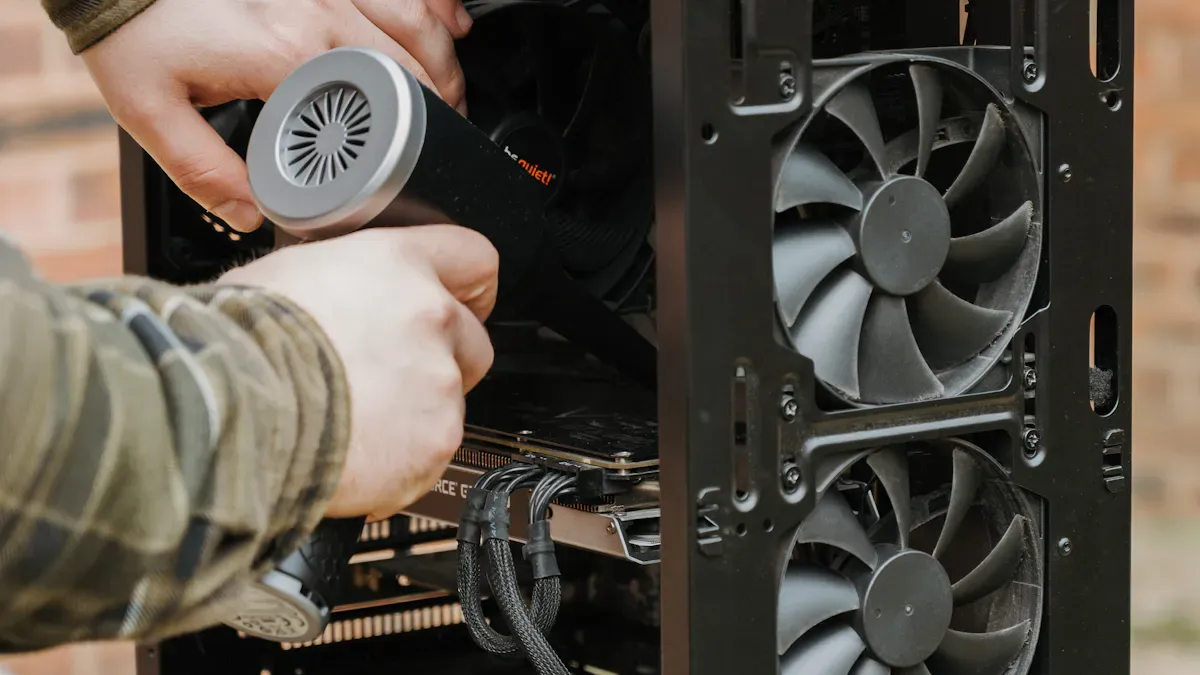
You improve cabinet performance when you link power and cooling systems. Real-time data sharing lets intelligent controllers collect information from sensors that monitor temperature, humidity, and power consumption. This integration enables automatic adjustments to cooling output based on current conditions. For example, if the temperature rises, the system increases cooling to maintain safe levels. You gain faster response times and reduce manual intervention.
Automation protocols play a key role in this process. You use protocols like Modbus, SNMP, BACnet, and MQTT to connect power and cooling devices. These protocols allow seamless communication between your Smart Power Distribution Unit and air conditioning systems. The table below shows common automation protocols and their applications:
Protocol | Application |
|---|---|
Modbus | Connects with PLC platforms |
SNMP | Monitoring and management |
BACnet | Building automation and control |
MQTT | Messaging for sensors and mobile devices |
RS485/Modbus RTU | Industrial communication |
CAN Bus | Controller Area Network |
Ethernet/Modbus TCP | High-speed Ethernet communication |
Dry Contact | Simple on/off signaling |
You benefit from automated alerts and intelligent control. This reduces the risk of overheating and improves operational reliability.
Tip: Real-time data sharing and automation protocols help you maintain optimal cabinet conditions with minimal effort.
Dynamic Cooling Adjustment
You achieve greater energy efficiency when you adjust cooling dynamically based on power load fluctuations. Algorithms analyze real-time data and modify power allocation as loads change. This ensures that only necessary power is used, which leads to energy savings and lower costs.
Integrating Smart Power Distribution Units with cooling systems allows for real-time adjustments. You optimize power allocation and minimize waste. The table below highlights the measurable impacts of dynamic cooling adjustment:
Impact | Measurement |
|---|---|
Cycle time reduction | 8-15% |
First-pass yield increase | 5-10% |
Energy consumption decrease | 15-20% |
You see more stable process temperatures, reduced cycling of heaters and chillers, and extended equipment life. Consistent product quality and improved process reliability minimize downtime. You also prevent overheating, which extends the lifespan of your equipment.
Energy-efficient air conditioning systems can reduce energy usage by up to 50% compared to traditional units.
Leading telecom providers have achieved energy efficiency levels of up to 97.8% after deploying smart solutions.
GreenConnect reported a 30% reduction in energy use.
You maximize uptime and reduce operational costs by using dynamic cooling adjustment.
ESTEL Integration Solutions
You gain advanced integration capabilities when you choose ESTEL for your telecom cabinet solutions. ESTEL’s system architecture supports scalability and reliability in high-density deployments. The modular design of outdoor telecom cabinets adapts to changing network needs. You expand operations with minimal disruption.
Proactive maintenance features, such as hot-swappable components, allow you to service equipment without shutting down the network. This ensures continuous operation and minimizes downtime. ESTEL’s smart power management solutions improve network reliability and operational continuity by addressing power distribution challenges in 5G telecom cabinets.
The table below summarizes ESTEL’s integration strengths:
Aspect | Description |
|---|---|
Scalability | Modular design supports easy expansion |
Reliability | Hot-swappable components enable maintenance without downtime |
Energy Management | Smart solutions improve reliability and continuity |
Urban Networks | High availability and seamless integration |
Remote Areas | Reliable service in challenging environments |
Disaster Recovery | Continuity of operations during emergencies |
You deploy ESTEL systems in urban networks, remote areas, and disaster recovery scenarios. You ensure high availability and seamless integration. ESTEL’s commitment to quality and innovation gives you confidence in your infrastructure.
Note: Integrated power and cooling solutions from ESTEL help you achieve enhanced efficiency, space optimization, scalability, and sustainability. Liquid cooling systems dissipate heat more effectively, maximizing space and supporting higher power densities.
Benefit | Description |
|---|---|
Enhanced Efficiency | Liquid cooling dissipates heat more effectively, supporting higher power densities. |
Space Optimization | Integrated solutions maximize space by consolidating cooling and computing resources. |
Scalability | Systems are scalable, enabling easy expansion. |
Sustainability | Energy-efficient designs lower consumption and support renewable energy sources. |
You optimize your cabinet performance and reduce energy consumption. ESTEL’s integrated approach ensures your telecom infrastructure remains reliable, efficient, and ready for future demands.
Optimization Strategies
Automated Thermal Response
You can prevent overheating in high-density cabinets by using automated thermal response strategies. These methods help you maintain safe operating temperatures and protect sensitive equipment. The table below shows common strategies and their benefits:
Strategy Type | Description | Benefits |
|---|---|---|
Passive Ventilation | Simple airflow management without active cooling. | Promotes natural convection, keeps contaminants out, low-cost solution for moderate heat loads. |
Active Cooling Systems | Includes fan trays, air conditioners, and Peltier coolers. | Controls internal temperature, prevents condensation, maintains stable conditions for electronics. |
Thermal Interface Materials | Gap fillers, insulating gaskets, and thermal pads. | Improves heat dissipation, reduces micro hot spots, enhances panel sealing while managing heat. |
You can combine these strategies with a Smart Power Distribution Unit to automate cooling adjustments based on real-time data. This approach helps you avoid hot spots and extend equipment life.
Predictive Maintenance
You improve reliability and reduce downtime when you use predictive maintenance. Real-time monitoring systems give you instant visibility into energy consumption. You can spot power-hungry devices and wasteful patterns quickly. Early detection of issues prevents service disruptions. Dynamic load allocation balances power use and protects your equipment.
Predictive maintenance uses AI to forecast failures, allowing you to schedule repairs before problems occur.
Continuous monitoring of network health reduces unexpected downtime.
Intelligent planning and resource allocation help you manage costs.
Predictive scheduling lets your team focus on high-impact tasks.
By combining asset health data with environmental intelligence, you ensure service continuity.
The table below highlights the improvements you can expect:
Metric | Improvement Description |
|---|---|
Power Usage Effectiveness (PUE) | Annual reduction by 0.013–0.018, showing better efficiency. |
Cooling System Energy Consumption | Reduced by 5.8%, lowering costs and overheating risks. |
Annual Electricity Cost Savings | Up to 21% decrease, supporting your operational budget. |
Energy Efficiency Gains
You achieve significant energy savings by integrating smart power and cooling systems. When you use a Smart Power Distribution Unit with liquid cooling, you can adjust power allocation based on real-time cooling needs. This reduces energy waste, lowers operational costs, and extends equipment life.
Aspect | Impact on Cost Savings |
|---|---|
Energy Efficiency | Significant operational cost reductions |
Downtime Reduction | Lower operational costs |
Predictive Maintenance | Maintenance costs lowered by up to 40% |
Remote Management | Saves time and resources |
One mid-sized data center saved $50,000 each year by switching to monitored power distribution units. This shows how better power allocation and energy efficiency can lead to major financial benefits.
ESTEL Case Study
You can learn from real-world results. A leading data center in Asia used the 19-inch 8 C13 Horizontal IP Smart PDU to improve energy efficiency. They reduced energy consumption by 15%, which lowered operational costs and supported green initiatives. A telecommunications company monitored power usage at the outlet level with intelligent PDUs. They saw a 20% improvement in equipment uptime and cut maintenance costs.
Case Study Description | Outcome |
|---|---|
Data center adopted 19-inch 8 C13 Horizontal IP Smart PDU | Reduced energy consumption by 15%, lowering costs and supporting green initiatives. |
Telecom company used intelligent PDUs for outlet-level monitoring | Achieved 20% improvement in uptime and reduced maintenance costs. |
Tip: Before you deploy AI or smart systems, set up a governance model, educate your team, and standardize protocols for smooth integration.
You boost cabinet performance when you integrate smart PDUs with air conditioning linkage. This approach improves energy efficiency, reduces downtime, and extends equipment life. To get started, choose ESTEL’s smart PDU, connect it with your cooling system, and enable real-time monitoring.
Tip: Use automation and data sharing to keep your network reliable and efficient. Intelligent monitoring helps you spot problems early and take action fast.
Select ESTEL solutions for quality and innovation.
Set up remote management for easy control.
Train your team on system features.
FAQ
What is a Smart Power Distribution Unit (PDU)?
A Smart PDU lets you monitor and control power in real time. You use it to track energy use, manage outlets, and protect equipment. It supports remote access and automation.
How does air conditioning linkage improve cabinet performance?
You connect your PDU with air conditioning. This setup allows automatic cooling adjustments based on temperature data. You keep equipment safe and energy use low.
Why should you choose ESTEL’s Smart PDU for telecom cabinets?
You get advanced features like surge protection, dehumidifying, and remote management. ESTEL designs products for harsh environments. You benefit from reliable performance and easy integration.
Can you manage ESTEL’s Smart PDU remotely?
Yes. You access and control your PDU from anywhere. You use a web interface or mobile app. This saves time and reduces the need for on-site visits.
See Also
Enhancing Outdoor Cabinet Efficiency Through Power and Cooling Solutions
Simplifying Cable Management in Data Center Cabinets Effectively
Exploring Various Cooling Techniques for Telecom Cabinet Efficiency
Selecting Optimal Cooling Solutions for ESTEL Telecom Cabinets
Securing Consistent Power Supply for Telecom Cabinet Operations
CALL US DIRECTLY
86-13752765943
3A-8, SHUIWAN 1979 SQUARE (PHASE II), NO.111, TAIZI ROAD,SHUIWAN COMMUNITY, ZHAOSHANG STREET, NANSHAN DISTRICT, SHENZHEN, GUANGDONG, CHINA
