Path to Contribute to Carbon Reduction in Telecom Cabinets via Smart Power Distribution Unit-BMS System Linkage

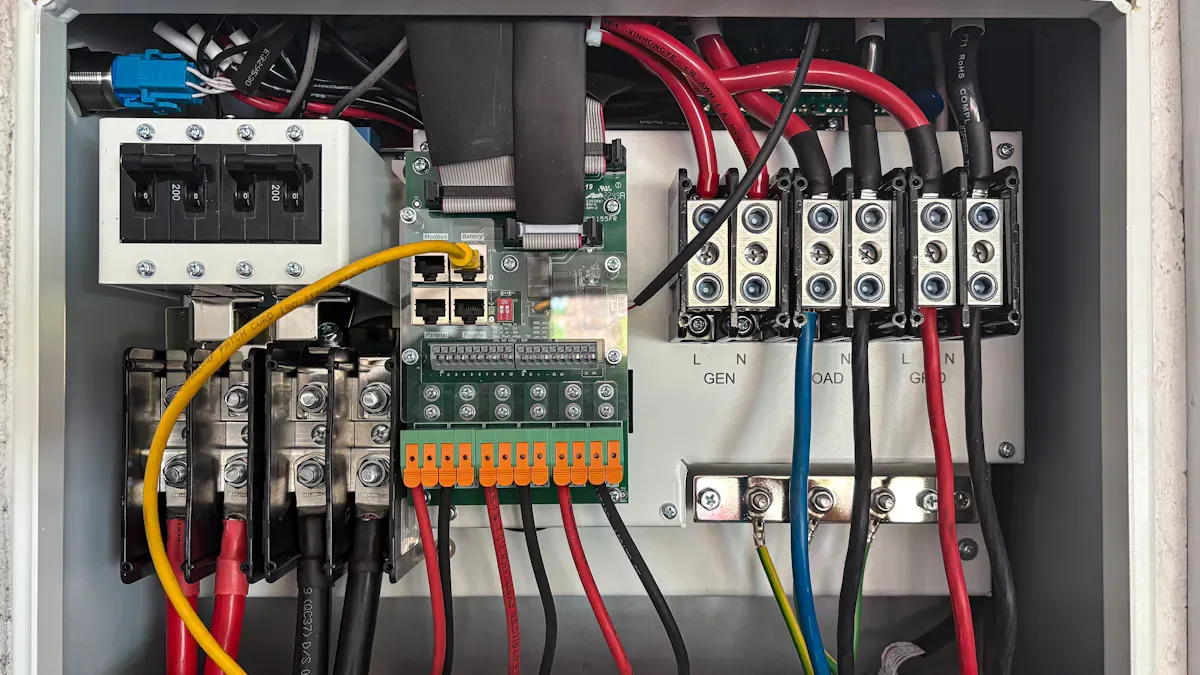
Smart power distribution units linked with battery management systems can help you reduce carbon emissions in telecom cabinets. The telecommunications sector now produces more CO2 emissions than the aviation industry.
The industry generates about 3% to 4% of global CO2 emissions.
ESTEL leads the way in providing innovative and efficient telecom solutions.ESTEL’s solar power systems lower greenhouse gas emissions in telecom operations.
Energy-efficient power distribution units from ESTEL make telecom cabinets more reliable and cost-effective.
Key Takeaways
Integrating smart power distribution units with battery management systems can significantly reduce carbon emissions in telecom cabinets.
Real-time monitoring and control of energy use lead to lower operational costs and improved efficiency, with some companies reporting up to 41% energy reduction.
Using intelligent charging algorithms and dynamic load management optimizes energy delivery, enhancing battery life and minimizing waste.
Adopting advanced technologies like IoT and AI in power management can lead to substantial savings, with some organizations achieving up to 20% reductions in energy costs.
Implementing energy monitoring systems and adaptive scheduling can help telecom operators maintain control over energy use and support sustainability efforts.
Smart Power Distribution Unit and Carbon Reduction
Direct Impact on Energy Efficiency
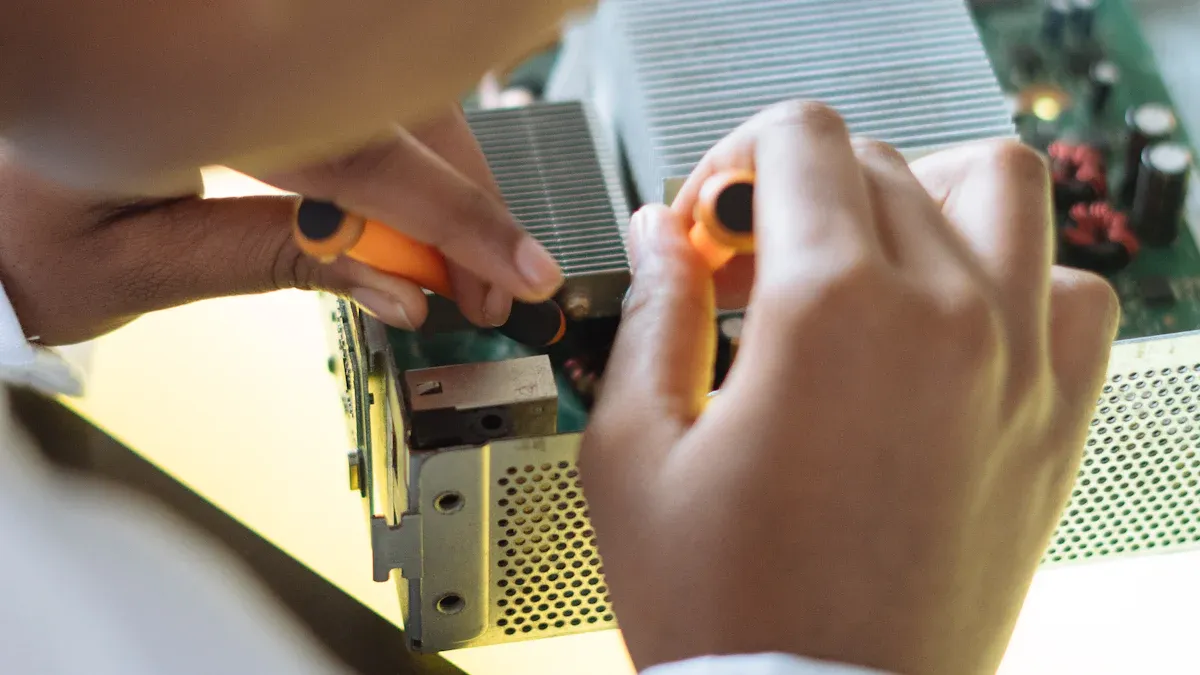
You can see a clear difference when you use a smart power distribution unit in telecom cabinets. These units help you manage power more efficiently and reduce waste. When you install a smart power distribution unit, you gain real-time monitoring and control over energy use. This means you can spot problems quickly and fix them before they lead to higher energy consumption.
Many telecom companies have already seen results. For example, a mobile operator in Southeast Asia reduced site visits by 38% and cut repair times by eight hours. This led to significant energy savings and improved efficiency. A European tower company improved system uptime by 22% and cut emergency trips by half, which reduced energy waste. Telecom power systems that use efficient power supplies have lowered energy use by 25-30%. These changes mean lower bills and less cooling needed in cabinets.
Case Study | Key Results | Impact on Energy Consumption |
|---|---|---|
Southeast Asia Mobile Operator | Reduced site visits by 38%, mean time to repair dropped by 8 hrs | Significant energy savings and improved efficiency |
European Tower Company | Improved system uptime by 22%, cut emergency trips by half | Enhanced reliability and reduced energy waste |
Telecom Power Systems | Energy use reduced by 25-30% with efficient power supplies | Lower bills and less cooling needed |
You can also benefit from auto power-off technology, which cuts energy consumption by up to 30%. Real-time monitoring can reduce energy use by up to 41%. When you use ESTEL’s smart power distribution unit, you get features like remote management, surge protection, and dehumidifying functions. These features help you keep telecom cabinets running smoothly and efficiently.
Recent advancements make these units even more powerful. IoT-enabled smart power distribution units let you monitor power usage remotely. AI-driven systems predict usage patterns and automate adjustments. Intelligent PDUs adjust power settings to match system demands. ESTEL’s cabinet PDUs can save up to 20% energy, making your telecom sites more eco-friendly. Load-balancing capabilities prevent overloads and keep operations stable. Hybrid power solutions allow you to use both renewable and traditional energy sources.
You also save money. Global technology companies have achieved up to 20% reductions in energy costs after using smart power distribution units. Verizon reported annual energy savings exceeding $100 million through digital twin technology. Organizations have seen a 30% decrease in maintenance costs, which adds to overall savings.
Integration with BMS for Energy Savings
You can maximize energy savings when you link a smart power distribution unit with a battery management system (BMS) in telecom cabinets. This integration lets you optimize power use and lower emissions. The synergy between these systems gives you several benefits.
Intelligent charging algorithms adapt charging profiles to enhance battery life and efficiency. Dynamic load management optimizes energy delivery based on real-time demand, which minimizes energy losses. Energy utilization analytics provide insights into consumption patterns, helping you improve performance. Peak load shaving charges batteries during off-peak hours, reducing costs and grid strain. Renewable energy integration allows the BMS to store excess energy, making your telecom cabinets more sustainable. Microgrid support helps maintain power stability in local energy networks, especially in areas with unreliable grids.
You can see the results in numbers. A leading telecom provider achieved energy efficiency rates up to 97.8%. GreenConnect reduced energy use by 30%, cut downtime by 25%, and lowered CO2 emissions by 40%. When you look at energy saving rates and power use efficiency across different seasons, the numbers are impressive.
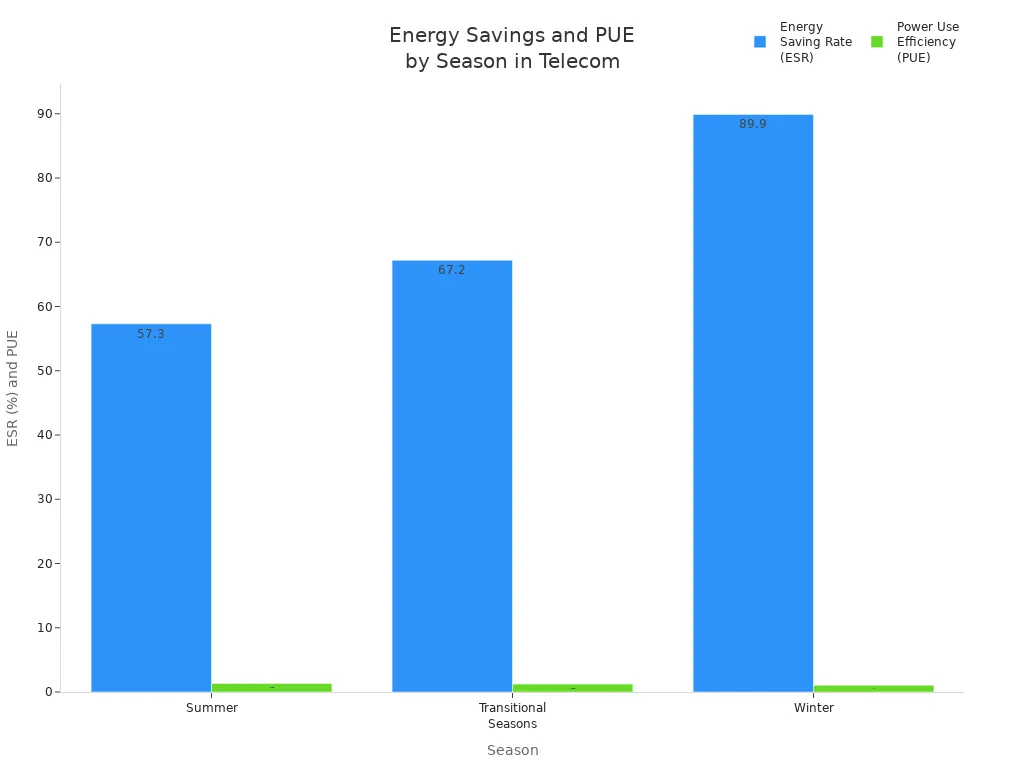
Metric | Summer | Transitional Seasons | Winter |
|---|---|---|---|
Energy Saving Rate (ESR) | 57.3% | 67.2% | 89.9% |
Power Use Efficiency (PUE) | 1.34 | 1.23 | 1.05 |
Annual ESR | 68.5% | N/A | N/A |
Annual PUE | 1.21 | N/A | N/A |
Payback Period (years) | 1.15 | N/A | N/A |
You also help the environment in other ways. Telecom cabinets can work with solar panels, wind turbines, or hybrid systems, which reduces reliance on fossil fuels. Using recyclable materials and eco-friendly coatings minimizes environmental impact during production and disposal. Sustainable practices in the lifecycle of telecom cabinets add to overall environmental benefits.
When you combine a smart power distribution unit with a BMS, you create a system that uses energy efficiently, reduces carbon emissions, and supports sustainable telecom operations. You make your cabinets smarter, greener, and more reliable.
Efficiency and Energy Management Challenges
High Energy Consumption in Telecom Cabinets
You face several challenges when managing energy in telecom cabinets. High energy consumption often comes from multiple sources:
Servers and infrastructure inside telecom cabinets draw large amounts of power.
Power systems, including rectifiers and inverters, add to the total energy use.
Cooling systems work constantly to keep equipment at safe temperatures.
The rollout of 5G networks increases the demand for reliable power supply.
The Radio Access Network (RAN) uses significant energy, making efficiency improvements essential.
Cooling remains one of the biggest contributors to energy use. When cooling systems run inefficiently, they waste power and increase operational costs. Traditional energy allocation methods supply power based on immediate needs, not on real demand. This leads to equipment running at full capacity even during low traffic periods, causing unnecessary energy consumption. You also need to consider the role of controllers, which help manage and monitor power systems for better energy management.
Overcoming Traditional Power Distribution Limits
Traditional power distribution systems in telecom cabinets have several limitations that affect efficiency and energy management. The table below shows some common issues and their impacts:
Limitation | Impact on Energy Efficiency |
|---|---|
Manual Monitoring Issues | Increases risk of human error and delays in problem detection. |
Limited Remote Control | Slows response time and increases operational costs. |
Frequent Downtime | Disrupts network and affects service quality. |
Safety Risks | Threatens equipment and personnel due to environmental factors. |
You can see that manual monitoring and limited remote control make it hard to respond quickly to problems. This leads to more downtime and higher maintenance costs. Real-time monitoring and automated alerts can reduce downtime by up to 50% and lower maintenance costs by 30%.
Digital solutions offer a better way to manage energy and power distribution in telecom cabinets. These systems provide continuous, real-time monitoring instead of static energy audits. You get real-time insights into energy usage, early detection of abnormal consumption, and automated responses to changing conditions. This reduces the need for frequent manual audits and site visits, improving operational efficiency.
Integrated digital solutions also bring features like energy optimization, smart monitoring, modular design, and dynamic power adjustment. These features help you achieve efficiency ratings of up to 95%, minimize energy losses, and reduce cooling expenses by using advanced materials. By adopting these solutions, you can address the main challenges in energy management and make your telecom cabinets more efficient and reliable.
Monitoring and Real-Time Optimization with ESTEL
Real-Time Monitoring for Energy Control
You gain control over energy use in telecom cabinets when you use real-time monitoring. This technology lets you track power distribution and efficiency every second. You can spot problems early and prevent waste. Real-time monitoring helps you save money and reduce outages. The table below shows how this approach benefits telecom cabinet management:
Evidence Type | Description |
|---|---|
Cost Savings | Significant cost savings can be achieved through real-time remote monitoring. |
Energy Reduction | Advanced cooling and ventilation systems monitored continuously can reduce air conditioner power consumption by over 50%. |
Outage Prevention | 80% of recent telecom outages could have been prevented with proactive measures enabled by continuous monitoring systems. |
You see real-time alerts when something changes. These alerts help you act fast and keep your telecom cabinets running smoothly. Real-time monitoring also supports predictive maintenance, which reduces downtime and boosts efficiency.
Automated System Integration
Automation makes optimization easier in telecom cabinet power management. You use intelligent solutions that adjust power distribution based on demand. Real-time monitoring identifies inefficiencies and triggers real-time alerts. Predictive maintenance prevents failures and keeps your telecom cabinets reliable. You can integrate renewable energy sources and eco-friendly designs for better efficiency. Automation enhances system reliability and lowers operational costs.
ESTEL’s monitoring system integrates seamlessly with existing telecom infrastructure. The table below highlights key integration features:
Feature | Description |
|---|---|
Seamless Integration | ESTEL integrates with telecom cabinet sensors for real-time monitoring and equipment protection. |
Centralized Access | Offers a unified dashboard for monitoring across multiple sites, streamlining operations. |
Improved Performance | Integration with metered power distribution units enhances performance by 25%. |
Energy Efficiency | Boosts energy efficiency by up to 20% through optimized power management. |
ESTEL’s Smart Power Distribution Unit Features
You benefit from ESTEL’s smart power distribution unit through advanced features that support energy optimization and efficiency. These units offer:
Efficient power management that reduces energy waste by 20%.
Intelligent monitoring capabilities that enhance maintenance response times by 40%.
Modular design for scalability and upgrades as power needs grow.
Remote management and real-time monitoring features for tracking energy usage.
Surge protection safeguards equipment and prevents costly repairs.
Dehumidifying functions maintain optimal environmental conditions, improving equipment longevity.
Advanced safety and environmental sensors help maintain energy efficiency.
Real-time insights into power, temperature, and humidity allow proactive adjustments.
Real-time alerts keep you informed and ready to act.
You achieve better energy distribution, improved efficiency, and reliable telecom cabinet operation with these features. Real-time monitoring and optimization help you reduce energy consumption and support sustainable telecom management.
Implementation Steps and Case Study
Practical Steps for Deployment
You can deploy a smart power distribution unit-BMS system in telecom cabinets by following a clear process. Start by assessing your current power infrastructure and identifying areas where energy use is highest. Select a modular architecture that allows you to add new sensors and controllers as your needs grow. Choose cloud-ready designs to support remote management and hybrid environments. Integrate the system with your existing tools using APIs for seamless operation. Use a single interface to manage multiple sites and streamline your workflow.
Tip: Early planning helps you avoid common challenges during deployment. For example, linking the smart power distribution unit with firefighting systems can be complex. You may need early detection systems in power control rooms to protect sensitive equipment. Custom solutions might be necessary for high-risk applications.
Challenge | Description |
|---|---|
Integration with firefighting systems | Challenges arise when linking Smart Power Distribution Units with firefighting systems. |
Early detection in power control rooms | There is a need for early detection systems to protect sensitive electrical components. |
Customized solutions for high-risk applications | Custom containerized solutions are necessary to meet code requirements for high-risk applications. |
When you scale these solutions across multiple telecom sites, focus on modularity, cloud readiness, integration, and multi-site management.
Key Feature | Description |
|---|---|
Modular Architecture | Enables the addition of new sensors, controllers, and subsystems easily. |
Cloud-Ready Designs | Supports hybrid and distributed environments, facilitating remote management. |
Integration Capabilities | APIs allow for seamless integration with third-party tools. |
Multi-Site Management | Provides a single interface for managing multiple sites efficiently. |
Case Study: Measurable Results with ESTEL
You can see the impact of ESTEL’s smart power distribution unit-BMS linkage in real-world telecom cabinets. GreenConnect achieved a 40% reduction in CO2 emissions after deploying the solution. A European operator reduced its carbon footprint by 30% by implementing ESTEL’s modular solar plants. These results show how efficient cooling and power management lead to significant energy savings and lower downtime.
Project | CO2 Reduction | Efficiency Gain |
|---|---|---|
GreenConnect | 40% | High |
European Operator | 30% | High |
You also benefit from lessons learned during these deployments. Real-time monitoring lets you observe energy use across different rooms, which improves management efficiency. The central unit detects and isolates faults in local units, reducing downtime and ensuring reliability. Machine learning models, such as the RF classifier, help you predict energy needs and optimize power distribution.
Key Findings | Description |
|---|---|
Real-time Monitoring | Continuous observation of energy usage enhances management efficiency. |
Fault Detection | Central unit identifies and isolates faults, ensuring reliability. |
Machine Learning | Accurate predictions and effective energy management. |
You can achieve efficient cooling and power distribution, reduce downtime, and improve energy management in your telecom cabinets by following these steps and learning from successful cases.
You gain clear advantages when you integrate smart power distribution units with BMS in telecom cabinets. AI algorithms optimize energy consumption and reduce costs, which supports carbon reduction. IoT-enabled monitoring systems deliver real-time data on battery performance, improving operational efficiency and minimizing downtime. Predictive maintenance powered by AI analytics lowers unplanned downtime and boosts energy utilization. ESTEL’s approach to power management stands out with advanced energy technologies, real-time monitoring, modern battery solutions, and reliable performance in challenging environments. You benefit from modular designs that reduce costs and intelligent load balancing for efficient energy distribution.
You can take action by implementing energy monitoring and optimization systems, adaptive scheduling, low-power hardware, and wireless protocol optimization. These steps help you achieve sustainability and maintain control over remote telecom operations.
Recommendation | Description |
|---|---|
Energy Monitoring and Optimization | Analyze energy usage data with machine learning for performance improvements. |
Adaptive Scheduling and Load Management | Distribute power consumption across optimal periods to reduce downtime. |
Low-Power Hardware Components | Use advanced circuit designs for reduced energy consumption and improved performance. |
Wireless Communication Protocol Optimization | Minimize power use during remote data transmission and reception for better control. |
You support sustainability and protect the environment by adopting smart, energy-efficient technologies. You improve remote telecom cabinet performance, reduce downtime, and maintain reliable control over power management.
FAQ
How do smart power distribution units help you reduce downtime in telecom cabinets?
You receive instant alerts when issues arise. These alerts let you act quickly, which means reduced downtime. You avoid long outages because alerts guide you to the problem. You keep your telecom cabinets running smoothly and prevent costly downtime.
What role do alerts play in maintaining telecom cabinet efficiency?
Alerts notify you about temperature changes, power surges, or humidity spikes. You get alerts for abnormal energy use. These alerts help you fix problems before they cause downtime. You rely on alerts to maintain safe and efficient cabinets.
How can you use alerts to improve maintenance and reduce downtime?
You set up alerts for equipment faults or environmental risks. These alerts tell you when to perform maintenance. You avoid unexpected downtime because alerts give you time to act. You use alerts to schedule repairs and keep your cabinets reliable.
Why should you trust real-time alerts for telecom cabinet management?
Real-time alerts give you up-to-date information. You see alerts for every important event. You respond to alerts fast, which means reduced downtime. You trust alerts to keep your telecom cabinets safe and efficient.
Can alerts help you save costs in telecom cabinet operations?
Yes. Alerts help you spot problems early. You avoid expensive repairs and downtime. You use alerts to monitor energy use and prevent waste. You save money by acting on alerts before issues grow.
See Also
Ensuring Consistent Power Supply for Telecom Cabinet Systems
Solar Energy Storage Solutions for Telecom Cabinet Applications
Integrated Solar Inverter and Battery Systems for Telecom Cabinets
Calculating Power Systems and Battery Needs for Telecom Cabinets
Smart Energy Storage Systems for Telecom Cabinets with Microgrid Integration
CALL US DIRECTLY
86-13752765943
3A-8, SHUIWAN 1979 SQUARE (PHASE II), NO.111, TAIZI ROAD,SHUIWAN COMMUNITY, ZHAOSHANG STREET, NANSHAN DISTRICT, SHENZHEN, GUANGDONG, CHINA
