Carbon Footprint Tracking of Smart PDUs in Telecom Cabinets: Environmental Assessment from Power Use to Full Lifecycle

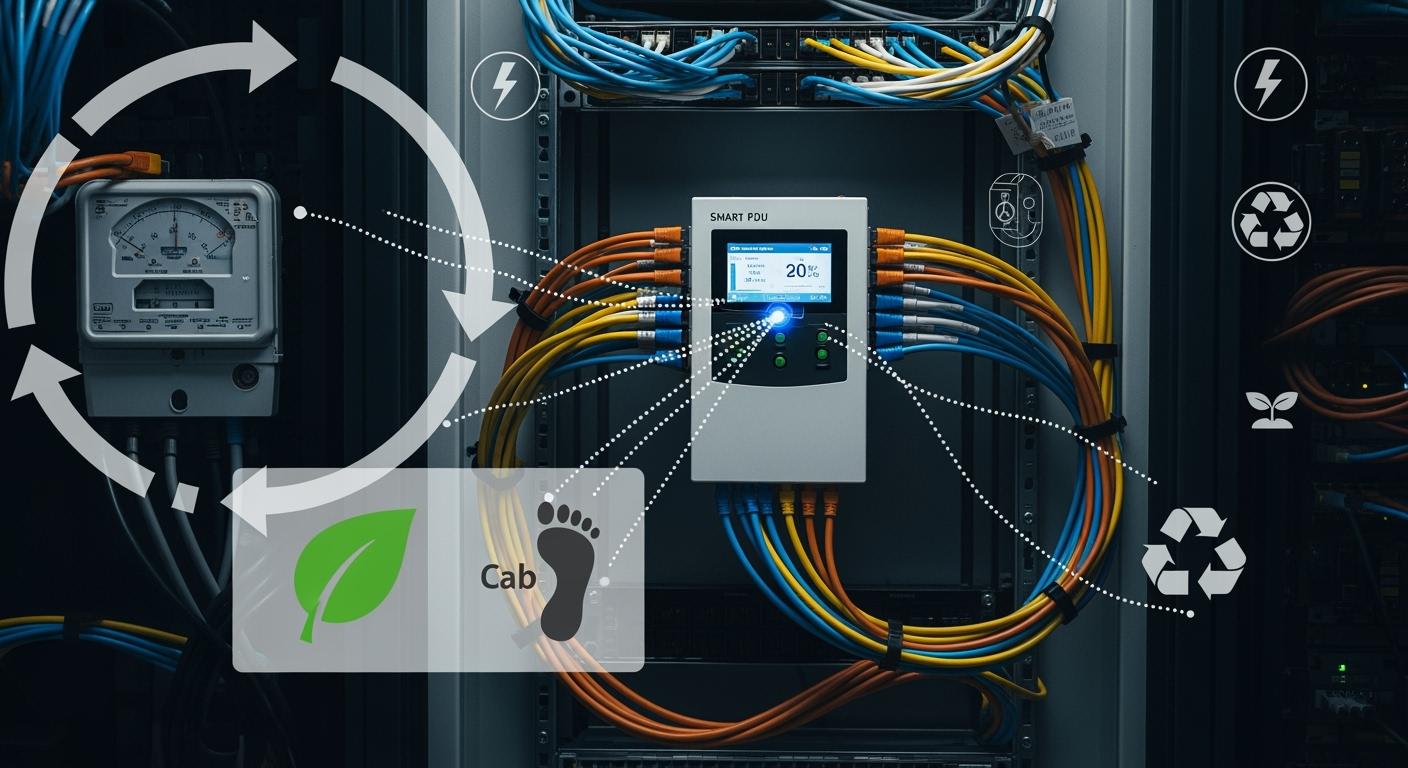
You face increasing pressure to reduce the environmental impact of your telecom operations. Accurate carbon footprint tracking in telecom cabinets gives you the insight you need to make meaningful changes. The Smart Power Distribution Unit offers advanced metering features that let you monitor energy consumption and carbon emissions with precision, unlike traditional methods.
You gain real-time data transparency.
You improve compliance and reduce risks.
Issue | Description |
|---|---|
Difficulties in meeting mandatory audits required by regulatory authorities in the UK and Europe. | |
Inefficient Utility Operations | Identified operational inefficiencies leading to higher energy costs and environmental impact. |
Lack of Data Transparency | Absence of a centralized system causing difficulties in gathering and analyzing energy data. |
Costly Non-Compliance Risks | Potential financial penalties and negative impact on reputation due to non-compliance risks. |
You can address both day-to-day energy use and the full lifecycle impact of your equipment, supporting your sustainability goals and regulatory obligations.
Key Takeaways
Track energy use in real time to identify waste and optimize consumption.
Implement load management strategies to match energy use with actual demand, reducing costs and emissions.
Integrate renewable energy sources to further lower your carbon footprint and enhance sustainability.
Utilize the Smart Power Distribution Unit's features for proactive monitoring and predictive maintenance.
Engage in responsible recycling practices to minimize environmental impact and support community health.
Carbon Footprint Basics in Telecom Cabinets

Why Track Carbon Emissions
You play a key role in shaping a sustainable future for telecom infrastructure. Tracking carbon emissions helps you understand where your operations have the biggest environmental impact. The telecom industry produces about 2% of global carbon emissions. This number can grow as more people use mobile devices and demand faster networks. You can help reduce up to 15% of global carbon emissions by making smart choices in your network. Decarbonizing your value chain is not only possible but also cost-effective, with significant reductions achievable for less than $100 per metric tonne of CO2.
The main sources of carbon emissions in telecom cabinets include:
Operation and maintenance, which uses the most energy and creates the most emissions.
Equipment production, which adds emissions during manufacturing.
Installation and construction, which also contribute, though less than operation.
Raw materials, such as steel and copper, which release greenhouse gases during extraction and processing.
Transport, which adds emissions when moving equipment to sites.
Impact on Telecom Infrastructure
You see the effects of carbon emissions in every part of your telecom network. The telecommunications sector is responsible for about 3% to 4% of total CO2 emissions worldwide. Telecom cabinets use a lot of energy, which increases emissions. High emissions from these cabinets can harm the environment by causing global warming and damaging ecosystems. By using tools like the Smart Power Distribution Unit, you can monitor and manage energy use, which helps lower your carbon footprint and supports a greener network.
Industry Standards and Compliance
You must follow industry standards and regulations to track and report your carbon emissions. Most companies start by reporting Scope 1 and Scope 2 emissions, which cover direct and indirect energy use. You should also identify and report important Scope 3 categories, which include emissions from your supply chain. Frameworks like the GHG Protocol and CDP guide you in this process. Many customers and investors now expect you to share your emissions data. In fact, 69% of telecom, media, and technology companies say customers ask for greenhouse gas disclosures. Meeting these standards brings benefits:
Benefit | Description |
|---|---|
Emissions Hotspots Identification | You can focus your efforts on areas with the highest emissions. |
Enhanced Visibility on Sustainability Indexes | You improve your chances of being recognized for sustainability. |
Meeting Stakeholder Demands | You address the needs of investors and customers who want transparency. |
Smart Power Distribution Unit: Monitoring and Data Collection
ESTEL’s Intelligent Monitoring Features
You need reliable tools to track and manage energy use in your telecom cabinets. ESTEL’s Smart Power Distribution Unit gives you a powerful set of intelligent monitoring features that help you stay ahead of problems and optimize your operations. With this unit, you can:
Monitor voltage and current in real time.
Control power remotely from any location.
Track environmental conditions that affect your equipment.
Gain granular insights for detailed analysis.
Quickly locate faults to reduce downtime.
Optimize energy consumption for better efficiency.
Analyze and adjust power usage as it happens.
Protect your equipment from environmental threats.
These features let you respond quickly to issues and make informed decisions. You can prevent equipment failures and reduce unnecessary energy use. The Smart Power Distribution Unit also supports predictive maintenance. By monitoring every power connection point, you can spot idle servers and manage them before they waste energy.
Tip: Proactive monitoring helps you avoid costly downtime and extends the life of your telecom equipment.
Real-Time Energy Tracking
You need accurate data to understand your energy consumption patterns. The Smart Power Distribution Unit provides real-time tracking, which gives you a clear view of how much energy your telecom cabinets use at any moment. This level of detail helps you:
Identify inefficiencies in your energy use.
Manage energy better by spotting unusual spikes or drops.
Calculate your carbon emissions with greater precision.
Real-time tracking means you do not have to rely on estimates or outdated reports. You see the actual numbers as they happen. This transparency allows you to take immediate action if you notice wasteful patterns. You can also use this data to support your sustainability goals and reduce operational costs.
Remote management adds another layer of control. You can monitor and adjust power settings from anywhere. This flexibility helps you optimize energy use, plan for future needs, and redistribute power to prevent overloading. The table below shows how remote management supports your carbon footprint analysis:
Benefit | Description |
|---|---|
Real-time data on power usage | Enables identification of inefficiencies and optimization of energy consumption. |
Supports sustainability goals | Helps in reducing operational costs, contributing to a lower carbon footprint. |
Capacity planning | Assists in optimizing resource utilization and preparing for future expansion. |
Identifying underutilized equipment | Allows for redistribution of power to prevent overloading, enhancing energy efficiency. |
Data Analytics for Emissions
You need more than just raw data to manage your carbon footprint. The Smart Power Distribution Unit collects and analyzes key data points that matter for emissions tracking. These include:
Description | Impact on Emissions Analysis | |
|---|---|---|
Temperature | Monitors the heat levels within the cabinet to prevent overheating. | Helps maintain optimal operating conditions. |
Humidity | Tracks moisture levels to avoid corrosion and static discharge. | Essential for equipment longevity and reliability. |
Airflow | Measures airflow to reduce hotspots and improve cooling efficiency. | Directly affects energy consumption and efficiency. |
Power Consumption | Records energy usage to identify anomalies and optimize power management. | Critical for understanding overall emissions footprint. |
You can use these analytics to spot trends, predict future energy needs, and make smarter choices about equipment use. Advanced monitoring capabilities help you identify inefficiencies and optimize energy use. ESTEL’s Smart Power Distribution Unit stands out because it adapts to different telecom environments and supports your sustainability goals. By using these insights, you can lower your carbon footprint and improve the reliability of your network.
Calculating and Reducing Carbon Footprint
Energy Use to Emissions Conversion
You need to convert energy consumption data into carbon emissions figures to understand your environmental impact. Start by collecting accurate data from your telecom cabinets. The Smart Power Distribution Unit helps you gather real-time energy usage information. You can then use standard methods to translate this data into emissions numbers.
The Green Telecom Layered Framework provides a structured approach for managing greenhouse gas concentration in telecom networks. This framework focuses on improving energy efficiency in information and communication technology (ICT). You should also select appropriate emission factors, especially when specific data is unavailable. Scope 3 emission factor selection ensures your carbon footprint assessment remains accurate.
Method Description | Key Focus |
|---|---|
Green Telecom Layered Framework | Bridges the gap in managing and mitigating GHG concentration in telecom networks. Aims to enhance energy efficiency in ICT. |
Scope 3 Emission Factor Selection | Highlights the importance of using standard emission factors when specific data is unavailable for accurate carbon footprint assessment. |
You can improve your calculations by following best practices:
Gather comprehensive data from all vendors to measure environmental impacts accurately.
Monitor the carbon intensity of different energy sources used in your network. This varies by location and affects emissions.
Adopt standardized methodologies, such as the EU Corporate Sustainability Reporting Directive, to enhance measurement and reporting.
Engage with suppliers to improve visibility of indirect emissions. This promotes sustainability throughout your supply chain.
Tip: Accurate data and standard methods help you report your carbon footprint with confidence.
Load Management and Optimization
You can reduce your carbon footprint by optimizing how your telecom cabinets use energy. Load management strategies allow you to match energy use with actual demand. The Smart Power Distribution Unit supports these strategies by providing detailed insights and remote control.
Implement deep sleep mode during off-peak hours. This can save up to 27.72% in energy, lower operational costs, and extend equipment lifespan.
Use dynamic load matching to optimize energy use in real time. This ensures you only consume necessary energy and prevent waste.
Upgrade to high-efficiency rectifiers. These can reach efficiency levels of up to 98.5%, which lowers energy bills and reduces emissions.
You can use these strategies to make your network more efficient. Real-time monitoring helps you identify underutilized equipment and adjust power settings. You also reduce the risk of overloading and improve overall reliability.
Note: Load optimization not only cuts emissions but also improves your bottom line.
Integrating Renewables
You can further reduce your carbon footprint by integrating renewable energy sources into your telecom infrastructure. Solar panels and wind turbines provide clean energy that replaces traditional fossil fuels. You should monitor the carbon intensity of each energy source to maximize your environmental benefits.
Start by assessing the feasibility of renewables at your site. Use the data collected by your Smart Power Distribution Unit to identify energy consumption patterns. This helps you size renewable systems appropriately. You can also combine renewables with energy storage solutions to ensure a stable power supply.
Many telecom operators now set targets for renewable energy adoption. You can join this movement by investing in green technologies and tracking your progress. Renewable integration not only lowers emissions but also enhances your reputation as a sustainable business.
Callout: Renewable energy adoption demonstrates your commitment to sustainability and future-proofs your network.
Lifecycle Assessment of Smart Power Distribution Unit
Manufacturing and Materials
You make a difference when you choose products built with sustainability in mind. ESTEL focuses on using eco-friendly materials in the Smart Power Distribution Unit. Manufacturers now use recyclable plastics and low-impact metals. These choices help reduce the carbon footprint from the start. You also benefit from energy-efficient designs that support global sustainability goals. When you select equipment made with these materials, you support a cleaner environment and help your company meet green standards.
Operational Efficiency
You can lower your network’s carbon emissions by improving operational efficiency. The Smart Power Distribution Unit gives you tools to optimize power distribution. You reduce energy waste and gain better control over power usage. You can monitor and manage energy consumption in real time. Remote management features let you turn off unused equipment, which cuts down on unnecessary energy use. These actions lead to a smaller carbon footprint over the product’s life. ESTEL’s technology helps you save energy and reduce greenhouse gas emissions. In fact, using this unit can cut 596,114 metric tons of greenhouse gases each year.
You optimize power distribution and reduce waste.
You monitor and control energy use for proactive management.
You turn off unused equipment remotely to save energy.
Tip: Small changes in how you manage power can lead to big reductions in emissions.
End-of-Life and Recycling
You play a key role in responsible end-of-life management. Proper recycling of smart PDUs prevents soil and water contamination from toxic materials like lead, mercury, and cadmium. If you dispose of these units in landfills, hazardous substances can leach into the environment and harm communities. You should work with vendors who support recycling programs and provide certificates for responsible disposal. Services like EcoCare help extend product life and reduce downtime. Managing the lifecycle of your IT equipment, including recycling outdated hardware, helps reduce e-waste and protects the environment.
Coordinate with certified recyclers for safe disposal.
Use services that extend product life and minimize environmental impact.
Avoid landfill disposal to prevent contamination and health risks.
Note: Responsible recycling keeps your network green and your community safe.
You can take practical steps to lower your carbon footprint with ESTEL’s Smart Power Distribution Unit:
Track energy use in real time.
Switch to hybrid solar PV systems to cut CO2 emissions by up to 55%.
Use remote management to optimize power and reduce waste.
Adopt predictive maintenance to prevent downtime.
Benefit | Description |
|---|---|
Energy Efficiency | You reduce waste and optimize usage. |
Real-time Monitoring | You improve power management. |
You lower environmental impact. |
Choose innovative, eco-friendly solutions to build a greener telecom network.
FAQ
How does a Smart Power Distribution Unit help you reduce your carbon footprint?
You monitor energy use in real time. You identify waste and take action quickly. You use remote management to turn off unused equipment. These steps lower your energy consumption and carbon emissions.
What data do you need to track your telecom cabinet’s carbon footprint?
You need energy consumption data, equipment usage patterns, and environmental conditions like temperature and humidity. The Smart Power Distribution Unit collects and displays this information for you.
Can you integrate renewable energy with your Smart Power Distribution Unit?
Yes, you can. You connect solar panels or wind turbines to your system. You use the PDU’s monitoring features to track how much renewable energy you use and measure your emissions reduction.
Why is lifecycle assessment important for telecom equipment?
You see the full environmental impact from manufacturing to recycling. You make better choices about materials, energy use, and disposal. This helps you meet sustainability goals and protect the environment.
See Also
Energy Storage Solutions for Telecom Cabinet Power Needs
Understanding ESTEL PDUs and Their Importance in Data Centers
Calculating Power Systems and Battery Needs for Telecom Cabinets
Integrating Photovoltaic Inverters and Batteries in Telecom Cabinets
Ensuring Consistent Power Supply for Telecom Cabinet Operations
CALL US DIRECTLY
86-13752765943
3A-8, SHUIWAN 1979 SQUARE (PHASE II), NO.111, TAIZI ROAD,SHUIWAN COMMUNITY, ZHAOSHANG STREET, NANSHAN DISTRICT, SHENZHEN, GUANGDONG, CHINA
