Misoperation Prevention Design of Smart Power Distribution Units with Double Insurance

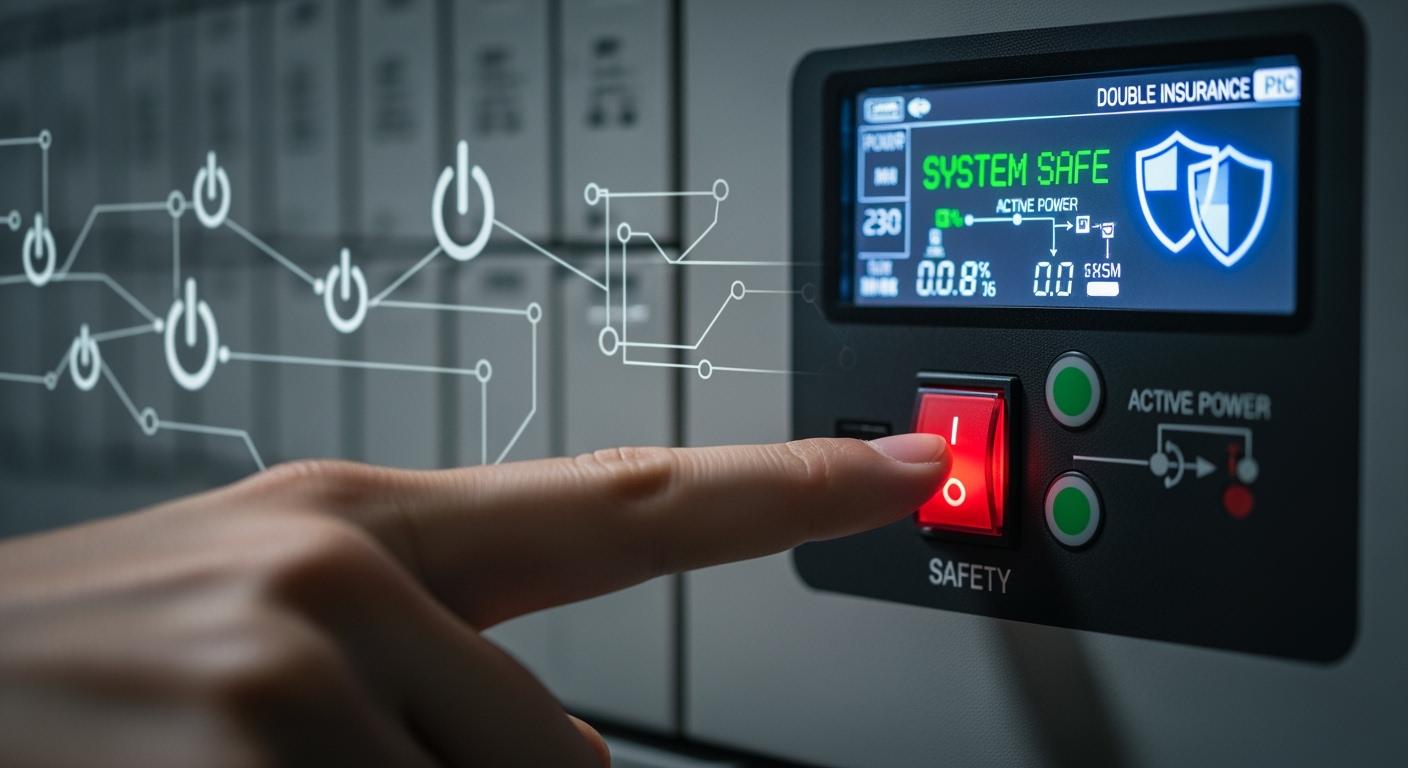
You need reliable systems to prevent mistakes in power distribution. Double insurance mechanisms in a Smart Power Distribution Unit give you extra layers of protection. Advanced concepts and intelligent anti-error systems work together to reduce risks. ESTEL leads the industry with smart solutions that improve safety. You can see real benefits in reliability and operational security. Consider how these innovations affect your daily operations and protect your equipment.
Key Takeaways
Double insurance mechanisms in Smart Power Distribution Units provide extra protection against misoperation, enhancing reliability and safety.
Consistent use of relay technologies and monitoring system stress can significantly reduce the risk of misoperation in power distribution.
Advanced protection concepts, like thorough load assessment and effective thermal management, help prevent costly equipment failures and downtime.
Intelligent anti-error systems leverage AI for predictive maintenance, improving operational efficiency and reducing unplanned outages.
Regular maintenance, staff training, and clear protocols are essential for maintaining high reliability and preventing misoperation risks.
Misoperation Risks in Power Distribution
Types and Causes of Misoperation
You face several risks when you manage power distribution units. Misoperation can happen for many reasons. Industry reports show that mixing relay technologies often leads to timing issues. You might see problems when you use microprocessor relays with electromechanical relays. Directional Comparison Blocking (DCB) issues also appear when different relay speeds cause coordination failures.
Type of Misoperation | Description |
|---|---|
Mixing Relay Technologies | Occurs when different types of relays (e.g., microprocessor and electromechanical) are used in a protection scheme, leading to timing issues and incorrect tripping. |
Directional Comparison Blocking (DCB) Issues | Misoperations can arise when one terminal uses a faster electromechanical relay and the other uses a slower microprocessor relay, causing coordination failures. |
Electrical engineering studies highlight several causes of misoperation. Failures to trip happen when the system does not remove faulty equipment. False trips occur when hidden failures cause the system to disconnect circuit elements. System stress, such as equipment faults or severe weather, can make these problems worse.
Cause of Misoperation | Description |
|---|---|
Failures to Trip | The system fails to remove faulty equipment when it should. |
False Trips | Incorrect removal of circuit elements due to hidden failures, often caused by permanent defects. |
System Stress | Conditions such as equipment faults, load/generation changes, or severe natural events that exacerbate misoperations. |
Tip: You can reduce misoperation by using consistent relay technologies and monitoring system stress.
Consequences for Telecom and Data Centers
You depend on power distribution units to keep telecom and data center operations running. Misoperation can cause downtime, equipment damage, and data loss. If a system fails to trip, faulty equipment stays online and risks spreading faults. False trips disconnect critical circuits and interrupt services. System stress can lead to cascading failures, affecting multiple devices at once.
You must protect your infrastructure from these risks. Reliable power distribution ensures smooth communication and data processing. When you prevent misoperation, you safeguard uptime and maintain trust with your clients. Smart design and double insurance mechanisms help you avoid costly disruptions and keep your network secure.
Double Insurance Approach
Hardware Mechanisms
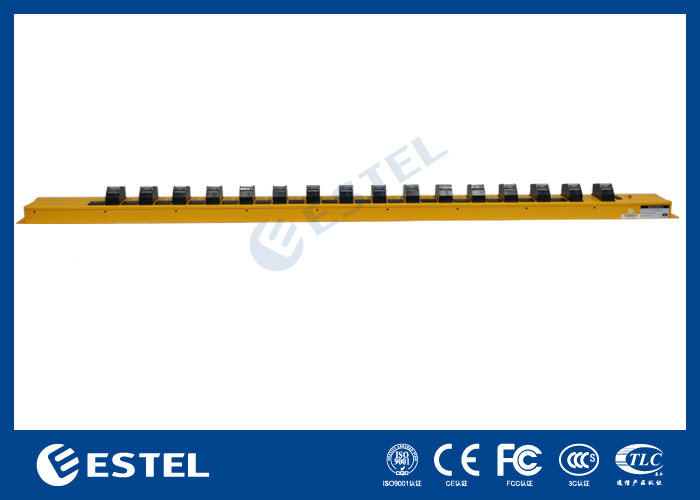
You rely on hardware mechanisms as the first line of defense in a Smart Power Distribution Unit. Physical interlocks prevent unauthorized access to critical components. Surge protection devices shield your equipment from voltage spikes. Circuit breakers and fuses disconnect faulty circuits quickly. These features work together to stop electrical faults before they cause damage. You also benefit from robust connectors and anti-theft locks. These additions keep your system secure in harsh environments. Hardware mechanisms provide a solid foundation for misoperation prevention.
Software Mechanisms
You gain another layer of protection through advanced software mechanisms in a Smart Power Distribution Unit. Intelligent monitoring systems detect abnormal conditions in real time. Automated alerts notify you when parameters move outside safe ranges. Modern units use error detection and retransmission protocols, such as CRC checksum codes. These protocols have increased data transmission success rates from 92% to 99.99% in field tests. Watchdog timers monitor system health and restart processes if they freeze. This approach reduced annual maintenance visits from eight to two in a wind farm project. Adaptive modulation adjusts communication rates based on network conditions. This feature helped a data center reach 99.999% network availability.
Error detection and retransmission protocols
Watchdog timers for system reliability
Adaptive modulation for network stability
You see how software mechanisms complement hardware features. Together, they create a double insurance approach that keeps your power distribution reliable and safe.
Smart Power Distribution Unit Design Principles
Advanced Protection Concepts
You need advanced protection concepts to keep your power distribution systems safe and reliable. These concepts form the backbone of modern unit design. You start with thorough load assessment and forward planning. This step helps you understand your current needs and anticipate future growth. You avoid costly replacements by planning ahead.
You optimize layout and clearance. Proper layout improves safety and makes maintenance easier. You ensure accessibility in tight spaces. Robust components and reliable connections support stable operation. Clear labeling and selective coordination help technicians work safely.
Effective thermal management protects your equipment. You manage heat in high-density areas to extend equipment life. Monitoring and visibility give you real-time information. You spot issues early and make better decisions. Built-in redundancy reduces single points of failure. You align reliability with your operational expectations. Modular and scalable architecture lets you upgrade efficiently.
Design Principle | Description |
|---|---|
Thorough Load Assessment and Forward Planning | You understand load profiles and plan for future growth, reducing costly replacements. |
Optimized Layout and Clearance | You improve safety and maintenance by ensuring accessibility in tight environments. |
Robust Components and Reliable Connections | You use high-quality parts for stable operation and technician safety. |
Effective Thermal Management | You manage heat to protect equipment, especially in high-density areas. |
Monitoring and Visibility | You use real-time monitoring to detect issues early and improve system awareness. |
Built-In Redundancy and Reliability | You reduce single points of failure and meet operational risk profiles. |
Modular and Scalable Architecture | You upgrade and change systems efficiently with minimal disruption. |
Smart Power Distribution Units let you monitor load distributions and spot issues early. You set thresholds and receive alerts by email, text, or SNMP. Intelligent units notify you about potential overloads. You address problems before they cause downtime.
You can achieve up to a 90% reduction in unplanned downtime and a 60% decrease in maintenance costs by using advanced protection concepts. Equipment availability increases by 35%, and resource utilization improves by 45%. Systematic maintenance extends equipment lifespan by 30-40%.
Intelligent Anti-Error Systems
You rely on intelligent anti-error systems to prevent misoperation. These systems use artificial intelligence and predictive analytics to optimize power consumption. AI enables predictive maintenance and intelligent energy management. You analyze operational data to identify patterns and anomalies.
Integration of artificial intelligence and predictive analytics for optimizing power consumption.
AI enables predictive maintenance and intelligent energy management.
Analysis of operational data to identify patterns and anomalies.
Optimization of power distribution based on real-time usage.
AI-powered analytics provide insights into energy consumption trends.
Automated control systems adjust power loads dynamically.
Enhanced asset management through prediction of component failures.
Intelligent anti-error systems leverage IoT technologies for real-time monitoring and data analysis. You identify potential misoperation events quickly. Multi-sensor information fusion technology improves fault early warning capabilities. You analyze data from multiple sources and achieve over 99% prediction accuracy with enough training data. Real-time monitoring and fault warning functions allow immediate detection and response. You improve system reliability and operational efficiency.
You comply with international safety regulations by following standards like IEC 61439. Organizations such as NEMA and UL provide guidelines for safety measures, component selection, and layout design. NEMA standards ensure quality and safety in critical applications. UL 891 addresses risks related to switchboards and includes a verification process for safety.
ESTEL Product Features
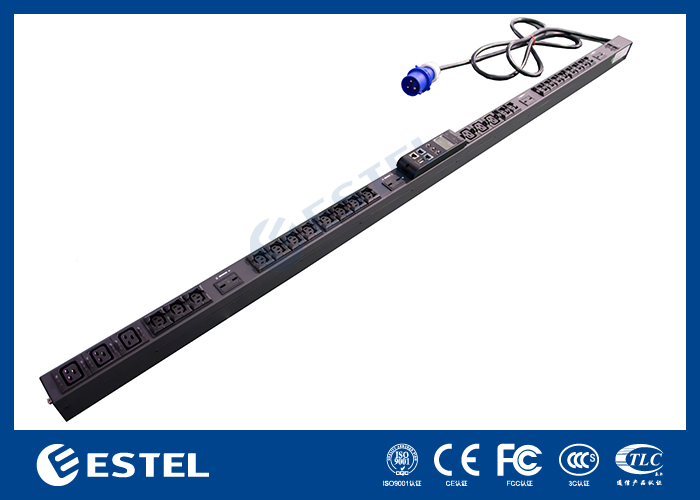
You benefit from ESTEL's Smart Power Distribution Unit, which integrates advanced protection concepts and intelligent anti-error systems. The unit offers multiple outlets for versatile connectivity. Surge protection safeguards your equipment from voltage spikes. Intelligent protocols enhance control and support remote management. You monitor and control power distribution from a distance.
The LCD display provides real-time monitoring. You use the dehumidifying function to maintain optimal operating conditions. The flat plug design makes installation easy. The robust build withstands industrial environments. You choose from different configurations, including models with 8 to 19 outlets. The unit supports a maximum input current of 16A and complies with IEC60309 standards.
Brand | Reliability | Ease of Use | Value for Money | Customer Support |
|---|---|---|---|---|
ESTEL | High | High | High | High |
CyberPower | Moderate | High | High | Moderate |
Eaton | High | Moderate | High | Very High |
Vertiv | High | Moderate | Moderate | High |
Schneider Electric | Very High | Moderate | High | Very High |
Tripp Lite | High | High | Very High | Moderate |
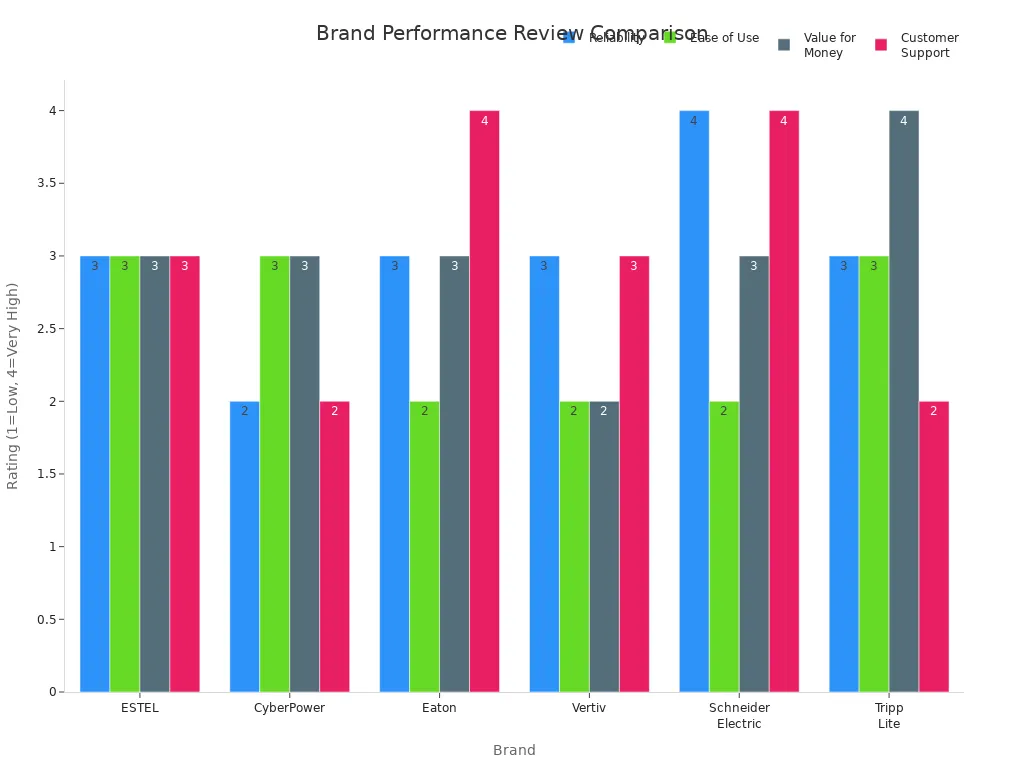
You receive high reliability, ease of use, and value for money with ESTEL's Smart Power Distribution Unit. Customers commend ESTEL for consistent performance and durability. You appreciate straightforward installation and operation. ESTEL provides good value relative to its performance.
You improve production schedule reliability with predictable equipment availability. Equipment utilization averages over 95% compared to 78% with reactive maintenance. You increase equipment lifespan by 30-40% through systematic maintenance.
You see how ESTEL's Smart Power Distribution Unit combines advanced protection and intelligent anti-error systems. You achieve reliable power distribution, enhanced safety, and operational efficiency.
Implementation and Case Studies
Integration Steps
You can integrate double insurance into your power distribution system by following a clear process. Start by assessing your current infrastructure. Identify critical loads and points where misoperation could cause the most harm. Next, select a Smart Power Distribution Unit that supports both hardware and software protection features. Make sure the unit matches your power requirements and fits your rack or cabinet.
Install the unit according to the manufacturer’s guidelines. Connect all power sources and loads securely. Enable surge protection and physical interlocks. Set up the software interface for remote monitoring. Configure alert thresholds for voltage, current, and temperature. Activate error detection protocols and watchdog timers. Test the system by simulating faults and reviewing the response. Train your staff on how to use the monitoring tools and respond to alerts.
Tip: Document each step and keep records of your configuration. This practice helps you troubleshoot and maintain the system over time.
ESTEL Application Example
You can see the benefits of double insurance in action with a real-world example from a telecom provider. The company upgraded its network site with an ESTEL Smart Power Distribution Unit. The team installed the unit in an outdoor telecom cabinet. They enabled surge protection and set up remote monitoring through the LCD display.
After integration, the provider saw a 40% drop in unplanned outages. The intelligent anti-error system detected abnormal load patterns and sent alerts before faults occurred. Maintenance staff responded quickly, preventing downtime. The dehumidifying function kept the cabinet dry, which reduced equipment failures. The provider reported higher reliability and lower maintenance costs.
This case shows how you can improve safety and efficiency by choosing advanced power distribution solutions. You protect your network and deliver better service to your customers.
Best Practices for Reliability
Maintenance and Testing
You maintain reliability by following a structured approach to maintenance and testing. Start with cable management. Plan cable routes before installation. Use patch cable managers. Keep power and data cables apart to prevent interference. Label every cable and outlet with unique tags. Maintain a logbook of changes. Outlet placement matters. Choose high outlet density for efficiency. Use mechanical locking systems to prevent accidental unplugging.
Airflow management protects your equipment. Use vertical PDUs and blanking panels. Add fans or blowers when needed. Monitor temperature and humidity. Keep temperature between 18°C and 27°C. Maintain humidity between 40% and 60%. These steps help you avoid overheating and moisture damage.
Regular maintenance and testing improve reliability. Wireless thermal sensors detect temperature rises early. Circuit breaker health monitoring prevents performance issues and extends breaker life.
Maintenance Strategy | Impact on Reliability |
|---|---|
Wireless thermal sensors | Early detection of temperature rises, reducing fire risk and downtime |
Circuit breaker health monitoring | Proactive maintenance, preventing performance issues, extending breaker life |
Preventive maintenance extends equipment lifetime. You increase mean time between failures. Cost-effective scheduling is important. Quantitative evaluation of maintenance parameters helps you make informed decisions.
Tip: Schedule routine inspections and document all maintenance activities. This practice helps you track system health and spot trends.
Staff Training and Protocols
You build reliability by training your staff and establishing clear protocols. Teach your team how to identify and respond to alerts. Use hands-on demonstrations for new equipment. Review procedures for emergency shutdowns and fault isolation.
Create checklists for daily, weekly, and monthly tasks. Encourage staff to report unusual conditions immediately. Update protocols as technology evolves. Hold regular training sessions to reinforce best practices.
Provide clear instructions for using monitoring tools.
Assign roles for maintenance and emergency response.
Review logbooks and maintenance records with your team.
You foster a culture of safety and accountability. Well-trained staff reduce misoperation risks. Consistent protocols ensure everyone follows the same steps. You protect your equipment and maintain high reliability.
Note: Continuous education keeps your team prepared for new challenges and technologies.
You strengthen misoperation prevention by combining hardware and software strategies. This dual approach improves detection and compliance, as shown below:
Aspect | Benefit |
|---|---|
Temporal Alignment | Faster, more accurate misoperation detection |
Rule Screening | Safer, compliant operations |
You can boost safety and reliability by following these steps:
Use encrypted connections and strong authentication.
Set up automated alerts and dashboards.
Schedule regular visual inspections and monitor sensor data.
ESTEL leads with real-time monitoring, energy efficiency, and modular design. Keep evaluating your system to maintain top performance and safety.
FAQ
What is double insurance in smart power distribution units?
Double insurance means you get two layers of protection. Hardware features like surge protection and software systems such as real-time monitoring work together. This approach helps you prevent misoperation and keeps your equipment safe.
How does ESTEL’s Smart Power Distribution Unit prevent misoperation?
You use ESTEL’s unit with physical interlocks, surge protection, and intelligent protocols. Remote monitoring and automated alerts help you spot issues early. These features reduce risks and improve reliability in your power distribution system.
Can you monitor the Smart Power Distribution Unit remotely?
Yes, you can monitor the unit remotely. The LCD display and intelligent protocols let you check power status and receive alerts. You control and manage your system from anywhere, improving response times.
What maintenance steps should you follow for reliable operation?
You should schedule routine inspections, label cables, and monitor temperature and humidity. Use wireless sensors and circuit breaker health checks. These steps help you detect problems early and extend equipment life.
Why is staff training important for misoperation prevention?
Staff training teaches your team to respond quickly to alerts and follow safety protocols. Well-trained staff reduce errors and improve reliability. Regular training keeps everyone prepared for new technologies and procedures.
See Also
Ensuring Consistent Power Supply For Telecom Cabinets
Effective Methods To Enhance Anti-Theft Features In Cabinets
Smart Energy Storage Solutions For Telecom Cabinets By ESTEL
A Complete Risk Assessment Guide For Telecom Cabinet Batteries
CALL US DIRECTLY
86-13752765943
3A-8, SHUIWAN 1979 SQUARE (PHASE II), NO.111, TAIZI ROAD,SHUIWAN COMMUNITY, ZHAOSHANG STREET, NANSHAN DISTRICT, SHENZHEN, GUANGDONG, CHINA
