Deep Integration of Smart PDUs with Environment Monitoring Systems: Linked Alarms for Power Data and Temp/Humidity

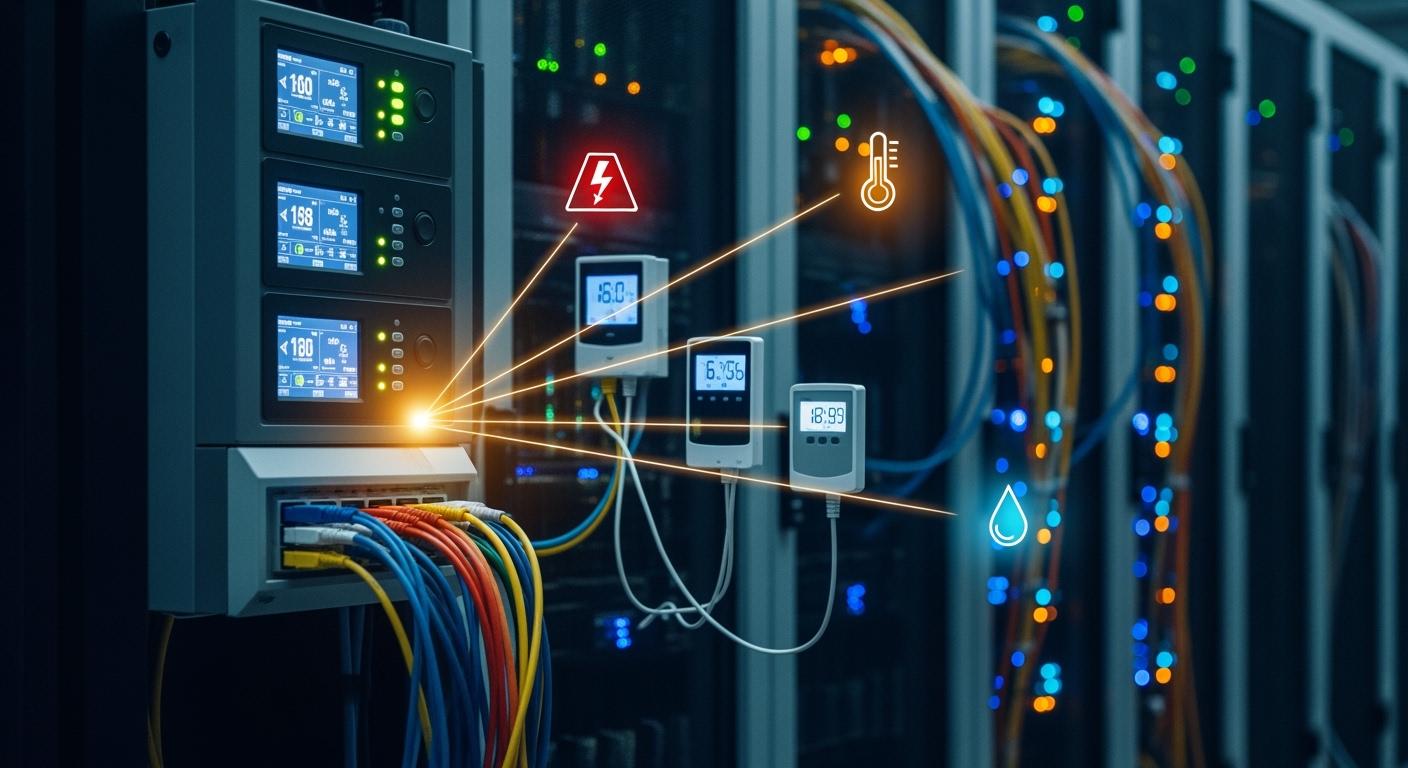
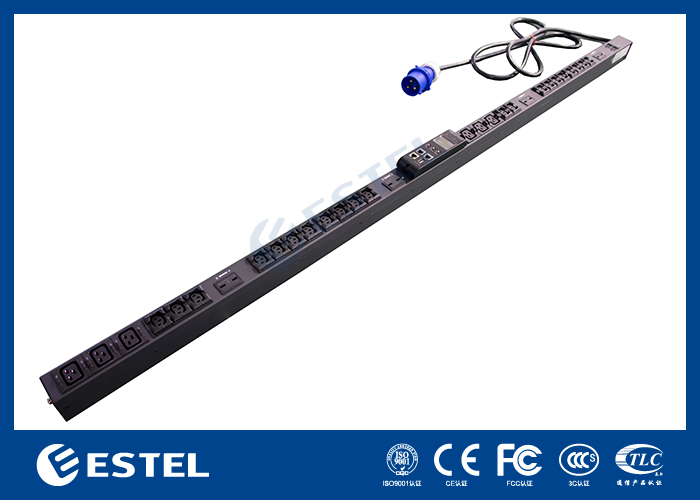
You gain greater operational efficiency and reliability when you integrate smart PDUs with environmental monitoring systems that use linked alarms. Smart PDUs give you remote control, outlet-level monitoring, and real-time alerts, while environmental monitoring tracks temperature and humidity. When you combine these systems, you can manage power and environmental data together for a complete view of your facility. This approach helps you cut energy costs, predict maintenance needs, and meet regulations. ESTEL, a trusted provider of telecom solutions, offers the Smart Power Distribution Unit to support these advanced integrations.
Feature | Smart PDUs | Basic PDUs |
|---|---|---|
Remote Management | Yes | No |
Real-time Data Analytics | Yes | No |
Alarm and Threshold Alerts | Yes | No |
Key Takeaways
Integrate smart PDUs with environmental monitoring systems for real-time data on power, temperature, and humidity. This helps you respond quickly to issues.
Use proactive alerts to prevent downtime. Automated notifications about abnormal conditions allow you to act before problems escalate.
Analyze combined power and environmental data to uncover insights that reduce energy costs and optimize resource use. This leads to better decision-making.
Implement linked alarms for a complete view of your facility. Monitoring both power and environmental conditions helps you spot potential issues early.
Choose the right sensors and ensure proper placement to enhance monitoring accuracy. This protects your equipment and maintains optimal conditions.
Integration Benefits
Real-Time Monitoring
You gain a clear advantage when you use real-time monitoring in your facility. By integrating smart PDUs with environmental monitoring systems, you can see live data on temperature, humidity, and power quality. This immediate visibility helps you respond quickly to any changes or issues. Many facilities use sensors such as temperature and humidity SmartSensors, wireless monitoring systems, and digital sensors to track these conditions.
Real-time monitoring means you do not have to wait for problems to become serious. You can act as soon as you notice something unusual.
The following table shows the top operational improvements you can expect from this integration:
Improvement Type | Description |
|---|---|
Real-time Monitoring | Integration provides real-time data on temperature, humidity, and power quality, allowing for immediate responses to alerts. |
Energy Efficiency | Smart Building Management Systems can reduce HVAC energy usage by up to 24.9%, optimizing energy consumption. |
Enhanced Management | The unified ecosystem improves operational efficiency and lowers risks, enabling better facility management decisions. |
ESTEL’s Smart Power Distribution Unit supports real-time monitoring with an LCD display and remote management features. You can access power and environmental data from anywhere, which helps you keep your operations running smoothly.
Proactive Alerts
Proactive alerts give you the power to prevent problems before they cause downtime. When your smart PDU and environmental monitoring system work together, you receive automated notifications about abnormal conditions. These alerts help you act quickly and avoid equipment failures.
Proactive monitoring allows you to spot issues early and fix them before they affect your systems.
Automated alerts notify your team about any abnormalities, so you can intervene and keep your business running.
You benefit from features like centralized dashboards, real-time data correlation, and automated workflows. These tools help you find the root cause of alarms and respond faster. ESTEL’s Smart Power Distribution Unit can send alerts for power surges, temperature spikes, or humidity changes, making your facility safer and more reliable.
Operational Insights
When you analyze combined power and environmental data, you unlock valuable insights that improve your operations. You can reduce energy costs, optimize resource use, and make better decisions for your facility. The table below highlights the types of insights you can gain:
Insight Type | Description |
|---|---|
Reduce Utility & Energy Costs | Analyze consumption in the context of daily operations to identify actions to lower usage and cost. |
Accelerate Action Across Teams | Enable faster responses with persona-based dashboards and alerts tailored to operational needs. |
Optimize Resource Efficiency | Uncover and apply best practices across facilities to improve how energy, water, and materials are used. |
Drive Measurable Improvements | Provide teams with insights to troubleshoot, collaborate, and act on what matters most. |
Uncover Hidden Waste | Detect patterns of overuse, variability, and inefficiency that traditional systems often miss. |
Operationalize Sustainability Goals | Deliver contextualized insights and benchmarked performance to support strategic decision-making and demonstrate progress. |
You can use these insights to set benchmarks, track progress, and support sustainability goals. The Smart Power Distribution Unit from ESTEL provides detailed power metrics and integrates with management software, making it easier for you to optimize your infrastructure.
Linked Alarms Integration
Power and Environment Data
You can create a safer and more efficient facility when you link alarms for power, temperature, and humidity. These systems work together to give you a complete view of your environment. You monitor not only the electricity flowing through your racks but also the air quality and temperature around your equipment. This integration helps you spot problems before they become serious.
Linked alarms rely on several technical requirements. You need the right sensors and a system that can handle multiple types of data. The table below shows what you should look for when setting up linked alarms:
Requirement Type | Description |
|---|---|
Sensor Types | Use remote temperature sensors, humidity sensors, and other available sensors. |
RTU Capabilities | Choose RTUs that send alerts by email or text and support many sensors for full monitoring. |
Power Supply Options | Pick RTUs with built-in power for sensors and consider wireless sensors for flexible setups. |
Compliance Features | Make sure your system meets regulatory standards with real-time tracking and automated alerts. |
Data Security | Protect your data with tamper-proof storage and user access controls. |
Tip: Choose a remote temperature monitoring system with enough sensor capacity. Wireless sensors make installation easier, especially in large or complex facilities.
You can use the Smart Power Distribution Unit from ESTEL to connect these sensors and manage alarms. This unit supports remote management and real-time alerts, making it easy to keep track of both power and environmental data.
Preventing Downtime
You can prevent costly downtime by using linked alarms that monitor both power and environmental conditions. Many problems in data centers start with small changes in temperature or humidity. If you catch these changes early, you can fix them before they damage your equipment.
Common causes of downtime include:
Overheating from blocked airflow or failing cooling systems.
Humidity swings that cause static discharge or condensation.
Equipment issues from not monitoring environmental conditions.
When you use linked alarms, your system can detect these risks and alert you right away. For example, if the temperature rises and the humidity drops at the same time, your system sends a warning. It can even open a support ticket with all the details, so your team knows exactly what to do.
You can see how this works in a real scenario with the Smart Power Distribution Unit. Imagine your data center experiences a sudden spike in temperature. The unit detects the change, triggers an alarm, and sends a notification to your team. You respond quickly, adjust the cooling, and prevent any damage to your servers.
Note: Monitoring temperature and humidity levels helps you avoid performance issues and keeps your equipment running reliably.
Optimizing Energy Use
You can save energy and reduce costs by integrating power and environmental data. Data centers use about 1% of the world’s electricity, so every bit of efficiency matters. When you monitor both power and environmental conditions, you can find ways to use less energy without risking your equipment.
Here are some ways linked alarms help you optimize energy use:
Match local energy demand with renewable sources to support sustainability.
Use energy-efficient equipment and advanced cooling systems.
Track metrics like Power Usage Effectiveness (PUE) to measure and improve efficiency.
Facilities that use linked alarms have reported impressive energy savings. The table below shows real examples:
Facility | Energy Savings Description | Percentage Reduction |
|---|---|---|
Penistone Elementary School | Lowered plug-in energy use to a new baseline average. | N/A |
Fife Council Office | Reduced plug-in energy load to zero on weekends by powering down devices. | N/A |
Cranfield University | Cut plug-in energy use in its archive area significantly. | 60.9% |
You can achieve similar results with the Smart Power Distribution Unit. This unit lets you monitor and control power use, set thresholds for alarms, and adjust your systems for maximum efficiency. You support your sustainability goals and protect your investment at the same time.
Smart Power Distribution Unit Deployment
Sensor Placement
You improve monitoring accuracy when you place sensors strategically in your facility. Proper sensor placement helps you detect temperature changes, manage airflow, and prevent overheating. You should use different types of sensors for specific locations. The table below shows best practices for sensor placement:
Sensor Type | Ideal Location |
|---|---|
Airflow sensors | At perforated panels, minimum of one per aisle; also at supply and return of CRAC/CRAH. |
Pressure sensors | One above and one below the same location on the raised floor. |
Temperature and humidity sensors | At three locations both in front of and at the back of the rack to capture Delta T. |
Contact closure sensors | On rack door entrances; can monitor critical electrical and control panels. |
Leak detection sensors | Around CRACs and along the route of refrigerant piping. |
Strategic sensor placement allows you to monitor vertical temperature differences, manage airflow near cooling systems, and track heat output close to server racks. You protect sensitive equipment and maintain optimal conditions.
Tip: Place sensors at different heights and near critical equipment to catch localized issues early.
System Scalability
You need scalable solutions to support growing data centers and telecom sites. High-voltage PDUs enable higher power density, which helps you meet increased rack power requirements. Intelligent PDUs integrate with your existing infrastructure management systems, maximizing monitoring and control. Proper airflow and cooling systems are essential for efficient operation as your facility expands.
Modern PDUs provide power visibility and energy management.
They support remote operations and enhance reliability.
Modular architecture allows rapid deployment and minimizes downtime.
The Smart Power Distribution Unit adapts to your evolving needs. You can expand your system easily and maintain efficient operations as your organization grows.
ESTEL Use Cases
ESTEL has helped clients achieve measurable improvements with smart PDU and environmental monitoring deployments. The table below highlights real-world outcomes:
Deployment Context | Outcome Description |
|---|---|
Leading data center in Asia | 15% reduction in energy consumption, lowering operational costs and supporting green initiatives. |
Telecommunications company | 20% improvement in equipment uptime and reduced maintenance costs. |
Clients like GreenConnect reported a 30% reduction in energy use, 25% reduction in downtime, and 40% reduction in CO2 emissions. A leading telecom provider achieved energy efficiency up to 97.8% and seamless network expansion. You can expect similar results when you deploy ESTEL solutions in your facility.
You gain reliable operations and improved efficiency when you integrate smart PDUs with environmental monitoring systems. Real-time monitoring lets you spot issues early, optimize resources, and minimize downtime. Proactive management supports business continuity and compliance. Future trends include AI-driven analytics, expanded sensor networks, and edge computing for faster responses and energy savings. ESTEL delivers advanced solutions with reliability, energy efficiency, and adaptability, helping you meet evolving demands in telecom and data centers.
FAQ
What is a smart PDU?
A smart PDU is a power distribution unit with advanced features. You can monitor, control, and manage power remotely. It helps you track energy use and protect equipment.
How do linked alarms improve facility safety?
Linked alarms alert you when power, temperature, or humidity levels move outside safe ranges. You can respond quickly to prevent equipment damage or downtime.
Can I add more sensors as my facility grows?
Yes, you can scale your system. You add sensors and connect them to your smart PDU. This flexibility supports future expansion.
What makes ESTEL’s Smart Power Distribution Unit unique?
You get remote management, real-time monitoring, and surge protection. The unit also includes a dehumidifying function. These features help you maintain safe and efficient operations.
Tip: Regularly review your alarm thresholds to match changing facility needs.
See Also
Understanding ESTEL PDUs and Their Importance in Data Centers
Enhancing Outdoor Cabinets Through Power, Cooling, and Monitoring
Exploring Integration of Supervision Systems in ESTEL Cabinets
Ensuring Effective Monitoring for Outdoor Telecom Cabinets
Installing and Maintaining Smoke Sensors in Communication Cabinets
CALL US DIRECTLY
86-13752765943
3A-8, SHUIWAN 1979 SQUARE (PHASE II), NO.111, TAIZI ROAD,SHUIWAN COMMUNITY, ZHAOSHANG STREET, NANSHAN DISTRICT, SHENZHEN, GUANGDONG, CHINA
