Extreme Altitude Adaptation of Smart Power Distribution Units: Stable Operation Verification in Low-Pressure Environments Above 4000m

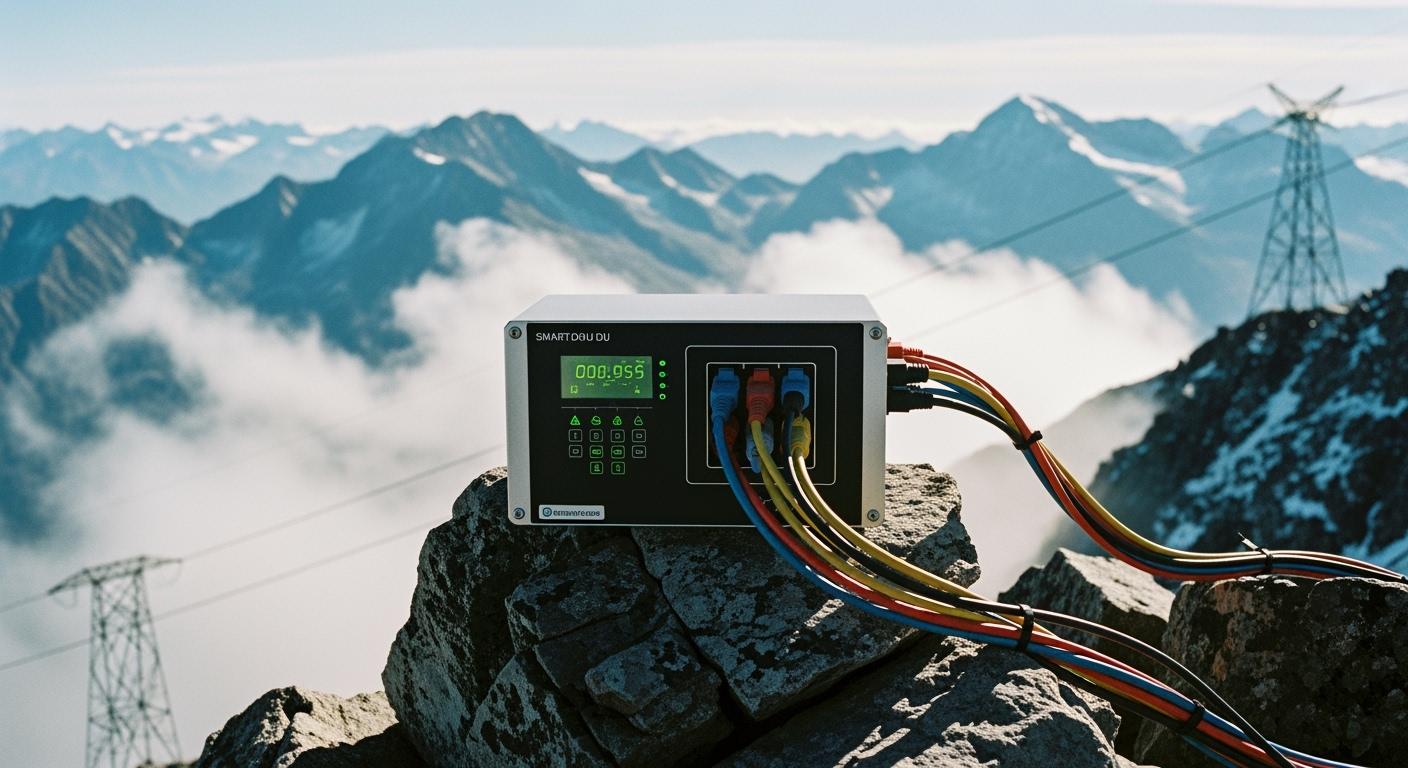
You face unique challenges when you deploy telecom infrastructure at altitudes above 4000m. Low pressure, temperature swings, and harsh weather can affect the stability of your equipment. ESTEL brings proven expertise and a strong commitment to quality in extreme environments. You can trust practical engineering solutions and reliable verification methods to keep your Smart Power Distribution Unit operating safely and efficiently, even where conditions are toughest. Reliable power distribution keeps your communication networks running without interruption.
Key Takeaways
Deploying telecom infrastructure above 4000m requires careful consideration of low pressure and temperature variations. These factors can affect equipment stability.
Upgrading hardware, such as using special PCB designs and altitude-grade materials, is essential for reliable operation in extreme conditions.
Implementing intelligent software features, like remote monitoring, enhances performance and reduces downtime, especially in hard-to-reach locations.
Regular maintenance and inspections are crucial. Create a checklist to ensure all components are functioning properly and to extend the life of your equipment.
Choosing ESTEL’s Smart Power Distribution Units means investing in reliable technology designed for the toughest environments, ensuring your network stays operational.
Extreme Altitude Challenges
Low Pressure Impact
When you operate Smart Power Distribution Units above 4000m, you face a significant drop in atmospheric pressure. This low pressure reduces the external dielectric strength of your equipment. For example, vacuum circuit breakers become more prone to insulation flashovers. You must consider derating voltage and current ratings to prevent failures. Thinner air at high altitudes also affects how your unit manages heat. Cooling becomes less efficient, which can threaten the stability of your electrical systems. You need to pay close attention to these factors to ensure safe and reliable operation.
Temperature Variations
High-altitude environments often bring wide temperature swings. These fluctuations can challenge the stability of your Smart Power Distribution Unit. You must optimize performance to handle both hot days and cold nights. The table below shows how temperature changes impact operational stability:
Evidence Description | Impact on Operational Stability |
|---|---|
Performance optimization of electrical equipment in high-altitude photovoltaic power stations | Essential for maintaining stability and efficiency in fluctuating temperatures at high altitudes. |
Development of energy management framework for high-altitude integrated energy systems | Addresses renewable energy fluctuations and unstable load demands, crucial for operational stability. |
You should use advanced energy management and robust design to keep your system running smoothly, even when the weather changes quickly.
Insulation and Safety
Insulation becomes even more important at high altitudes. Lower air pressure means less cooling and higher thermal stress on your equipment. You should select insulation materials that meet or exceed recommended standards. The table below highlights insulation classes suitable for these conditions:
Insulation Class | Description |
|---|---|
Class 220 (R) | Standard for VPI and VPE dry-type transformers, offering superior thermal endurance and long life expectancy in high-altitude conditions. |
Higher insulation classes | Compensate for reduced cooling efficiency and increased thermal stress in low-pressure environments. |
Combination of higher temperature-class insulation with lower design temperature rise | Extends transformer life in high ambient and high-altitude environments. |
By choosing the right insulation and following safety guidelines, you can protect your Smart Power Distribution Unit and ensure long-term reliability.
Smart Power Distribution Unit Adaptation
Hardware Upgrades
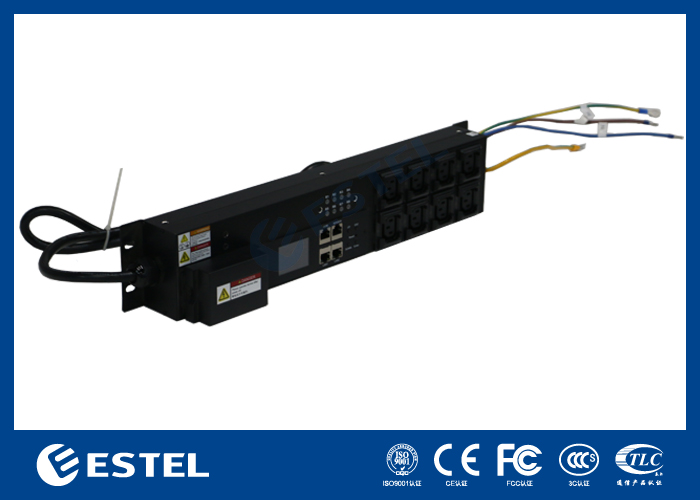
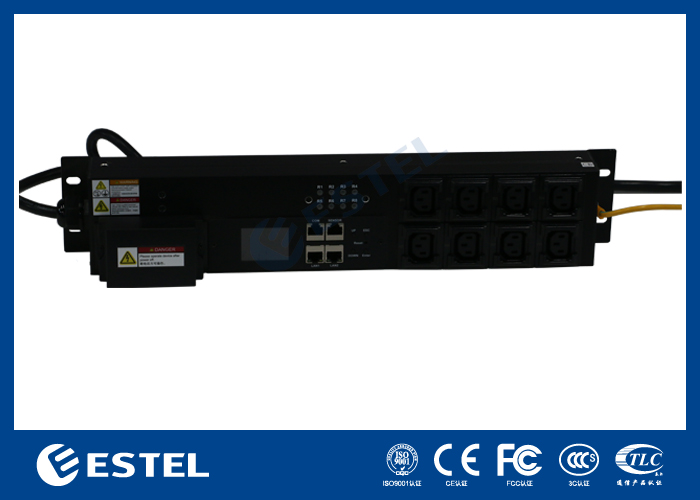
You need to make specific hardware upgrades to ensure your Smart Power Distribution Unit works reliably above 4000 meters. High altitude brings unique challenges, such as lower air pressure and reduced cooling efficiency. You can address these issues with the following modifications:
Use special PCB layout designs. These layouts minimize leakage conductivity between components, which becomes more important in thin air.
Increase creepage distances. This change helps prevent insulation breakdown when the air is less dense.
Select altitude-grade insulating materials. These materials maintain their properties even in low-pressure environments.
Add advanced thermal management solutions. Forced-air cooling and heat-sink designs improve heat dissipation, which is critical when natural cooling is less effective.
These upgrades help your Smart Power Distribution Unit maintain stable operation and protect your telecom infrastructure in extreme conditions.
Software Enhancements
You can boost the performance of your Smart Power Distribution Unit with intelligent software features. Remote monitoring and control allow you to manage power distribution from anywhere. Intelligent protocols help you detect faults early and respond quickly. Real-time data from the LCD display gives you instant feedback on system status. These enhancements reduce downtime and improve safety, especially in remote or hard-to-reach locations. You can also set up alerts for temperature, humidity, or voltage changes, which helps you prevent problems before they affect your network.
Material Selection
Choosing the right materials is essential for durability and insulation at high altitudes. The table below shows materials that perform well in extreme environments:
Material Type | Key Features | Environmental Suitability |
|---|---|---|
Oil-Immersed Transformers | Superior insulation (breakdown strength: 40-60 kV/2.5mm); Efficient heat dissipation (thermal conductivity: 0.12 W/m·K) | Designed for extreme conditions (-40°C to +50°C, high humidity, altitudes up to 4000m) |
Solid Insulated Materials | All conductive parts fixed or sealed in solid insulating materials; Operates effectively in temperatures from -40°C to +50°C | Suitable for highland, coastal, alpine areas; seismic intensity: 9 degrees; Altitude limit: 4000m |
You should consider solid insulation ring network switchgear for its environmental protection materials. These materials work well in highland, coastal, and alpine areas. They also handle strong seismic activity and extreme temperatures. By selecting the right materials, you extend the life of your Smart Power Distribution Unit and reduce maintenance needs.
ESTEL Engineering Solutions
ESTEL designs Smart Power Distribution Units with high-altitude challenges in mind. You benefit from robust components that handle demanding power distribution environments. The system operates efficiently at altitudes up to 4000 meters. You can rely on a high efficiency of up to 96%, which helps you lower operational costs in remote locations. ESTEL’s engineering team focuses on quality and innovation, ensuring every unit meets international standards. You get a product that combines advanced hardware, smart software, and durable materials for reliable performance in the toughest conditions.
Tip: When you choose ESTEL, you invest in a Smart Power Distribution Unit that supports your telecom network’s stability, even in the world’s most challenging environments.
Operation Verification
Laboratory Testing
You start by verifying the reliability of your equipment in a controlled laboratory setting. In the lab, you can test each component of the Smart Power Distribution Unit under different electrical loads and environmental conditions. You use advanced diagnostic tools to check for insulation breakdown, overheating, and voltage fluctuations. ESTEL’s engineers follow strict protocols that match international standards. You can trust these tests to reveal any weaknesses before you deploy the unit in the field.
Note: Laboratory testing helps you identify potential issues early. You can make adjustments to hardware or software before facing real-world challenges.
Simulated Low-Pressure Tests
You need to know how your equipment will perform at high altitudes. Simulated low-pressure tests let you recreate the thin air found above 4000 meters. You place the Smart Power Distribution Unit in a pressure chamber. You lower the air pressure to match high-altitude conditions. You monitor the unit for insulation strength, cooling efficiency, and electrical stability. ESTEL uses these simulations to ensure that every unit can handle the stress of reduced atmospheric pressure.
You check for:
Insulation flashover risks
Heat dissipation performance
Voltage and current stability
These tests give you confidence that your equipment will work safely and reliably, even in the most demanding environments.
Field Deployment Above 4000m
After lab and simulation tests, you move to real-world deployment. You install the Smart Power Distribution Unit at actual high-altitude sites, such as mountain telecom stations. You monitor the unit’s performance over time. You collect data on temperature, humidity, voltage, and current. ESTEL’s field engineers use remote monitoring tools to track every detail. You can see how the unit handles daily temperature swings, low pressure, and harsh weather.
Tip: Field deployment provides the final proof of reliability. You see how the unit performs in real conditions, not just in the lab.
Performance Metrics
You measure success using clear performance metrics. These metrics help you judge the stability and efficiency of your Smart Power Distribution Unit at high altitudes. The table below shows some key metrics you should track:
Metric | What It Shows | Why It Matters |
|---|---|---|
Insulation Resistance | Ability to prevent electrical leakage | Ensures safety and prevents failures |
Temperature Rise | Effectiveness of cooling systems | Protects components from overheating |
Voltage Stability | Consistency of power output | Keeps telecom equipment running |
Remote Monitoring Uptime | Reliability of remote management features | Reduces downtime and maintenance |
Surge Protection Response | Speed and effectiveness of surge handling | Protects against power spikes |
You use these metrics to verify that your equipment meets or exceeds industry standards. ESTEL’s quality assurance team reviews all results to guarantee long-term reliability.
When you follow these verification steps, you ensure that your telecom infrastructure remains stable and efficient, even in extreme high-altitude environments.
ESTEL Smart Power Distribution Unit Case Study
High-Altitude Deployment
You can see the real impact of ESTEL’s engineering in high-altitude telecom sites across the Tibetan Plateau and the Andes. These locations sit above 4000 meters, where air pressure drops and temperatures swing dramatically. ESTEL’s team worked with local telecom operators to install the Smart Power Distribution Unit in remote mountain base stations. You face unique challenges in these regions, such as rapid weather changes, low humidity, and limited access for maintenance. ESTEL’s deployment process included:
Pre-installation site surveys to assess environmental risks.
Customizing units with enhanced insulation and thermal management.
Training local technicians on remote monitoring and emergency protocols.
You benefit from a system that arrives ready for harsh conditions. The Smart Power Distribution Unit integrates seamlessly with existing telecom infrastructure, supporting both new and legacy equipment.
Results and Insights
After deployment, you monitor the units using ESTEL’s remote management platform. Data collected over twelve months shows stable operation, even during severe winter storms and summer heatwaves. You notice that insulation resistance remains high, and voltage output stays within safe limits. The dehumidifying function prevents condensation, which protects sensitive electronics.
Here is a summary of key performance data from a site at 4,300 meters:
Metric | Value (12-Month Average) | Industry Standard |
|---|---|---|
Insulation Resistance | 1200 MΩ | >1000 MΩ |
Voltage Stability | ±1.5% | ±2% |
Remote Uptime | 99.98% | >99.9% |
Maintenance Calls | 1 per year | 3 per year |
You gain peace of mind knowing your network remains reliable, even in extreme environments. ESTEL’s case studies prove that careful adaptation and thorough verification lead to long-term stability for your telecom power systems.
Best Practices
Installation Guidelines
You need to follow clear steps when installing Smart Power Distribution Units at high altitudes. Start by selecting a stable, level surface for the cabinet. Make sure the site has proper drainage to prevent water accumulation. Use anti-corrosion mounting hardware to secure the unit. Check all electrical connections for tightness and correct placement. You should avoid placing the unit near sources of vibration or direct sunlight. Install surge protection devices to shield your equipment from power spikes.
Tip: Always verify grounding before powering up the unit. Proper grounding protects your equipment and ensures safety.
Maintenance Strategies
You must schedule regular inspections to keep your Smart Power Distribution Unit running smoothly. Clean dust and debris from vents and cooling fans. Inspect insulation materials for signs of wear or damage. Test surge protection and dehumidifying functions monthly. Record temperature and humidity readings using the LCD display. Replace worn components promptly to prevent failures.
Create a maintenance checklist:
Inspect electrical connections
Test remote monitoring features
Clean cooling systems
Check insulation resistance
Note: Consistent maintenance extends the life of your equipment and reduces unexpected downtime.
Reliability Tips
You can boost reliability by using remote monitoring tools. Set up alerts for voltage, temperature, and humidity changes. Review performance data weekly to spot trends. Train your staff to respond quickly to alarms and warnings. Use only certified replacement parts for repairs. Keep spare components on hand for emergencies.
Reliability Action | Benefit |
|---|---|
Remote monitoring setup | Early detection of issues |
Staff training | Faster response to problems |
Certified parts | Maintains unit performance |
Spare components | Reduces repair time |
🛡️ Reliable operation starts with proactive monitoring and quick action. You protect your telecom network by following these best practices.
You can achieve stable operation of Smart Power Distribution Units above 4000m by using proper adaptation and thorough verification. ESTEL leads the industry with reliable products designed for extreme environments. You should follow best practices for installation and maintenance. Consider ESTEL’s solutions when you need dependable power distribution for high-altitude telecom sites.
Choose ESTEL to keep your network strong, even in the world’s toughest conditions.
FAQ
What makes ESTEL’s Smart Power Distribution Unit suitable for high altitudes?
You get a unit designed for extreme environments. ESTEL uses altitude-grade insulation, advanced cooling, and robust materials. These features help your equipment perform reliably above 4000 meters.
How do you monitor the Smart Power Distribution Unit remotely?
You use the built-in remote management system. This system lets you check voltage, temperature, and humidity in real time. You receive alerts for any abnormal conditions.
What maintenance steps should you follow at high-altitude sites?
Inspect insulation and electrical connections regularly.
Clean cooling fans and vents.
Test surge protection and dehumidifying functions monthly.
Regular checks help you prevent failures and extend equipment life.
Can you customize the Smart Power Distribution Unit for specific site needs?
Yes, you can request custom configurations. ESTEL offers options for outlet numbers, insulation levels, and thermal management. You get a solution tailored to your site’s unique challenges.
See Also
Grasping Global Guidelines for Communication Power Systems
Ensuring Consistent Power Supply Within Telecom Equipment Cabinets
How ESTEL Maintains Correct Voltage in Telecom Cabinets
Enhancing Outdoor Cabinets Through Power, Cooling, and Oversight
ESTEL's Intelligent Energy Storage System for Telecom Cabinets
CALL US DIRECTLY
86-13752765943
3A-8, SHUIWAN 1979 SQUARE (PHASE II), NO.111, TAIZI ROAD,SHUIWAN COMMUNITY, ZHAOSHANG STREET, NANSHAN DISTRICT, SHENZHEN, GUANGDONG, CHINA
