Smart PDU and Firefighting System Linkage in Telecom Cabinets: Power Anomaly Triggers Fire Alarm

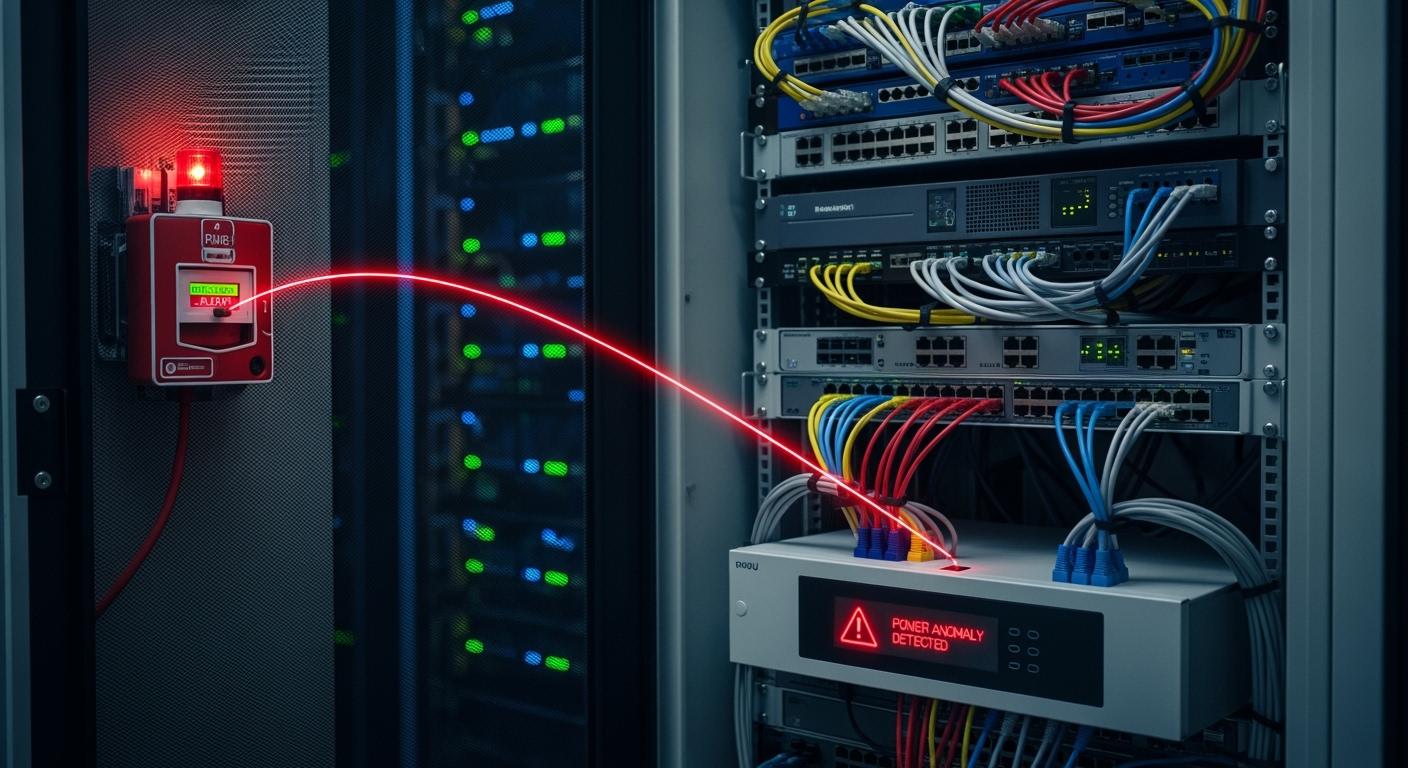
You can protect your telecom cabinets from fire risks by using a Smart Power Distribution Unit that detects power anomalies. This system identifies abnormal electrical activity and sends instant alerts to trigger fire alarms. Integrating power management with fire safety increases reliability and safety for your network. ESTEL leads the industry by offering advanced solutions that keep your equipment safe and your operations running smoothly. Operators and infrastructure managers gain confidence knowing their assets have strong protection.
Key Takeaways
Use a Smart Power Distribution Unit to detect power anomalies early. This helps prevent fire risks in telecom cabinets.
Integrate power management with fire safety systems for faster detection and response. This keeps your operations running smoothly.
Utilize real-time alerts and remote monitoring features. These tools allow you to act quickly and reduce downtime.
Follow installation and maintenance best practices to ensure safety and efficiency. Regular checks help protect your equipment.
Choose ESTEL solutions for reliable performance and compliance with safety standards. This gives you peace of mind for your telecom infrastructure.
Smart Power Distribution Unit Detection in Telecom Cabinets
Key Monitoring Functions
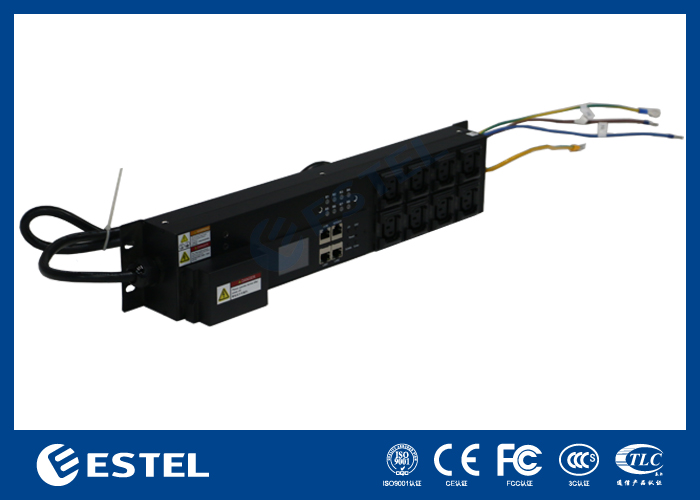
You need reliable monitoring to keep your telecom cabinets safe and efficient. ESTEL’s Smart Power Distribution Unit gives you several core features that help you manage power effectively. You can monitor power usage and circuit status in real time, even from a distance. The unit distributes power evenly, which prevents overloads and keeps your equipment running smoothly. With remote management, you can control power to your devices without being on-site. Surge protection and power filtering add extra layers of safety, protecting sensitive telecom equipment from sudden spikes or drops in voltage. These features help you spot problems early and take action before they become serious.
Power Anomalies and Fire Risks
Power anomalies can lead to dangerous situations in telecom cabinets. The most common issues include thermal runaway, overcharging, and environmental factors. Each of these can increase the risk of fire if not detected quickly. The table below shows how these anomalies relate to fire risks:
Type of Power Anomaly | Description | Relation to Fire Risks |
|---|---|---|
Thermal Runaway | Uncontrollable temperature rise due to internal or external factors | Can cause fires and explosions from cell rupture and flammable gases |
Overcharging | Battery receives more current than it can handle, causing heat | Raises the chance of thermal runaway and failure |
Environmental Factors | External conditions affect battery safety | Can lead to overheating and equipment failure |
By using a Smart Power Distribution Unit, you can detect these anomalies early and reduce the risk of fire.
Real-Time Data and Alerts
Real-time data and alerts give you the power to act fast. The Smart Power Distribution Unit sends immediate notifications if it detects any abnormal power events. You get instant insights into power usage and potential problems, which helps you make quick decisions. Automated alerts notify your team so you can respond before issues escalate. Strong circuit design and remote control features make the system reliable and responsive. Remote management also reduces downtime and the need for emergency site visits, saving you time and money. With these tools, you can maintain a safer and more efficient telecom environment.
System Linkage and Fire Alarm Integration
Communication Protocols
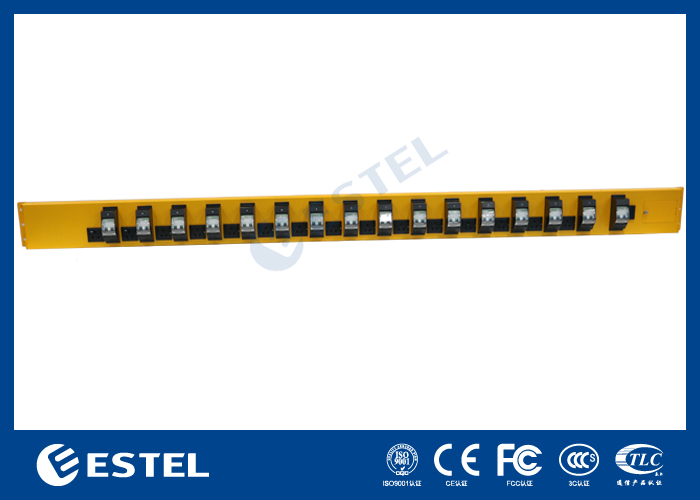
You need reliable communication between your Smart Power Distribution Unit and the firefighting system in your telecom cabinet. This connection ensures that both systems work together to detect and respond to fire risks quickly. Several communication protocols help make this integration possible. Each protocol has its own strengths and use cases. The table below shows the most common protocols used for linking these systems:
Protocol | Description |
|---|---|
RS232 | A standard for serial communication. |
RS485 | A standard for serial communication that supports multiple devices. |
SNMP | A protocol for network management. |
TCP/IP | A suite of communication protocols used for interconnecting network devices. |
You can choose the protocol that best fits your cabinet’s needs. For example, RS485 works well when you need to connect several devices, while SNMP and TCP/IP are ideal for network-based monitoring and control. These protocols allow your Smart Power Distribution Unit to send real-time data to the firefighting system, making sure you get fast alerts and responses.
Automation and Alarm Triggers
Automation plays a key role in keeping your telecom cabinet safe. Your Smart Power Distribution Unit uses advanced features to monitor and respond to power anomalies. Here is how the automation process works:
The unit continuously monitors electrical parameters like current, voltage, and temperature using built-in sensors.
It analyzes the collected data with embedded algorithms to spot patterns that differ from normal operation.
When it detects abnormal conditions such as overheating, arcing, or overloads, the unit flags these as possible fire hazards.
The system activates visual and audible alarms to alert you and your team right away.
It sends notifications through connected systems or mobile apps, so your maintenance team can respond quickly.
Some units can even shut down power automatically to stop a fire from spreading, especially in critical environments.
This automated process helps you act fast and prevent damage. You do not have to rely only on manual checks or delayed responses. The Smart Power Distribution Unit gives you a strong layer of protection by linking power management with fire safety.
ESTEL Integration Solutions
ESTEL offers seamless integration between Smart Power Distribution Units and firefighting systems in telecom cabinets. You benefit from solutions that follow international standards and best practices. ESTEL designs its products to support multiple communication protocols, making it easy for you to connect and manage both power and fire safety systems. The company’s focus on quality and innovation means you get reliable performance and easy installation. You can trust ESTEL’s solutions to provide real-time monitoring, fast alerts, and automated responses. This integration helps you meet safety regulations and protect your valuable telecom equipment. With ESTEL, you gain peace of mind knowing your infrastructure is secure and compliant.
Benefits of Integration for Telecom Safety
Enhanced Detection and Response
You gain faster detection and response when you link your power management and fire safety systems. The Smart Power Distribution Unit monitors electrical parameters in real time. It identifies faults and sends alarm notifications to your team. You can access remote monitoring features, which means you do not need to be on-site to know what is happening. This quick flow of information helps you act before a small issue becomes a major problem.
Tip: Use automated alerts to notify your maintenance team right away. This reduces the risk of fire spreading and protects your equipment.
Reduced Downtime and Equipment Protection
You reduce downtime and protect your valuable telecom equipment with integrated systems. When the system detects a fault, it can trigger alarms and even shut down power to affected circuits. This action prevents further damage and keeps your network running smoothly. You also benefit from data logging and analysis. By reviewing historical data, you can spot trends and address issues before they lead to failures.
You avoid costly repairs by acting early.
You keep your network available for customers.
You extend the life of your telecom assets.
Operational Efficiency and Compliance
You improve operational efficiency and meet safety regulations with integrated solutions. Many telecom operators report gains in real-time monitoring, fault detection, and centralized control. The table below shows how these features support your daily operations:
Benefit Type | Description |
|---|---|
Real-time Monitoring | Tracks electrical parameters during emergencies. |
Fault Detection | Identifies faults quickly to prevent damage. |
Alarm Notifications | Alerts your team for fast response. |
Remote Monitoring | Gives you access to data from anywhere. |
Data Logging and Analysis | Records data for trend analysis and system improvement. |
Integration with BMS | Centralizes control with other building systems. |
Compliance and Reporting | Helps you generate reports for safety audits. |
You also need to follow important standards in telecom safety. The table below lists some key standards and their relevance:
Standard | Description | Relevance to Telecom Operators |
|---|---|---|
NFPA 76 | Fire Protection of Telecommunications Facilities | Ensures your facility has fire protection measures. |
NFPA 75 | Protection of IT Equipment | Protects your critical IT infrastructure from fire hazards. |
NFPA 2001 | Clean Agent Fire Extinguishing Systems | Uses clean agents that do not damage your equipment. |
NFPA 13 | Sprinkler Systems | Sets requirements for sprinkler systems in telecom facilities. |
You stay compliant and keep your operations efficient by using integrated systems that support these standards.
Implementation Considerations
Installation and Configuration
You should start by choosing a cool and ventilated location for your telecom cabinet. This helps prevent overheating and supports reliable operation. When installing your Smart Power Distribution Unit, seal gaps around cables with sealant to block dust and moisture. Make sure the grounding bar is securely connected to protect your equipment from electrical faults. Arrange hardware to allow airflow and use ventilated doors for better cooling. These steps help you set up a safe and efficient system.
Tip: Always follow manufacturer guidelines during installation to ensure compliance with safety standards.
Maintenance and Security
Regular maintenance keeps your Smart Power Distribution Unit and firefighting system working at their best. You need to inspect cables and connections often to spot damage and replace worn parts. Clean the PDU and cabinet surfaces to prevent dust buildup, which can block airflow. Monthly cleaning of ventilation screens helps maintain cooling efficiency. You should also check that all grounding connections remain secure.
Security is just as important as maintenance. You must protect your remote management system from cyber threats. Use strong access controls and update your system regularly. Encrypt your data and monitor your network for suspicious activity. Physical security measures, such as biometric access and surveillance, add another layer of protection. Employee training and incident response planning help you respond quickly to any issues.
Strategy | Description |
|---|---|
Remote Code Attestation | Verifies the integrity of code and its execution on devices controlling the power grid. |
Network Separation | Ensures that different network segments are isolated to reduce risk exposure. |
Intrusion Detection Systems | Monitors network traffic for suspicious activities and potential breaches. |
Strong Risk Management Practices | Involves conducting cyber threat assessments and creating risk profiles specific to the sector. |
Challenges and Solutions
You may face challenges when integrating Smart Power Distribution Units with firefighting systems. Custom containerized solutions help you meet code requirements for high-risk applications. Power control rooms need early detection and system integration for sensitive electrical components. Fire alarm and detection systems use smoke, heat, and multi-criteria detectors for early warning. Clean agent and water mist suppression options protect your equipment from water damage. Pre-engineered containerized designs allow rapid deployment and easy integration with your electrical and IT infrastructure.
Solution Type | Description |
|---|---|
Customized Containerized Solutions | Built to code for high-risk applications with advanced suppression agents and thermal monitoring. |
Power Control Rooms | Sensitive areas requiring early detection and system integration for electrical components. |
Fire Alarm & Detection Systems | Includes smoke, heat, and multi-criteria detectors, and aspirating smoke detection for early warning. |
Fire Suppression Options | Clean agent systems and water mist systems for environments needing minimal water damage. |
Custom Containerized Designs | Pre-engineered systems for rapid deployment and integration with electrical and IT infrastructure. |
Note: Addressing these challenges with the right solutions helps you maintain a safe and reliable telecom environment.
You improve telecom cabinet safety when you integrate Smart Power Distribution Units with firefighting systems. ESTEL’s solutions help you detect faults early, respond quickly, and keep your operations reliable. User feedback shows you can reduce maintenance time and catch problems before they grow.
Benefit | Impact for You |
|---|---|
Faster Maintenance | 31% quicker repairs, fewer site visits |
Early Fault Detection | IoT sensors and AI spot issues before escalation |
Proactive Maintenance | Real-time alerts prevent outages and downtime |
Start by choosing the right ESTEL unit, follow setup guidelines, and schedule regular checks for best results.
FAQ
What is a Smart Power Distribution Unit (PDU)?
A Smart PDU lets you monitor and control power in your telecom cabinet. You get real-time data, remote management, and surge protection. This helps you keep your equipment safe and efficient.
How does the Smart PDU trigger a fire alarm?
Sensors in the Smart PDU detect power anomalies like overheating or overloads. When the system finds a risk, it sends a signal to the fire alarm system. You receive instant alerts for quick action.
Can you manage the Smart PDU remotely?
Yes, you can. The Smart PDU supports remote monitoring and control. You can check power status, receive alerts, and even turn outlets on or off from anywhere using a secure connection.
Why should you choose ESTEL for telecom cabinet solutions?
Feature | ESTEL Advantage |
|---|---|
Quality | Meets international standards |
Innovation | Advanced smart features |
Support | Reliable customer service |
You get robust, efficient, and compliant solutions for your telecom needs.
See Also
Ensuring Consistent Power Supply for Telecom Equipment Cabinets
Understanding ESTEL PDUs and Their Importance in Data Centers
Installing and Caring for Smoke Sensors in Communication Cabinets
Solar Energy Storage Solutions for Telecom Cabinet Power Needs
Exploring Outdoor Communication Cabinets and Their Telecom Functions
CALL US DIRECTLY
86-13752765943
3A-8, SHUIWAN 1979 SQUARE (PHASE II), NO.111, TAIZI ROAD,SHUIWAN COMMUNITY, ZHAOSHANG STREET, NANSHAN DISTRICT, SHENZHEN, GUANGDONG, CHINA
