Linkage Between Smart PDUs and Liquid Cooling Systems: Dynamic Power Priority Adjustment by Cooling Demand

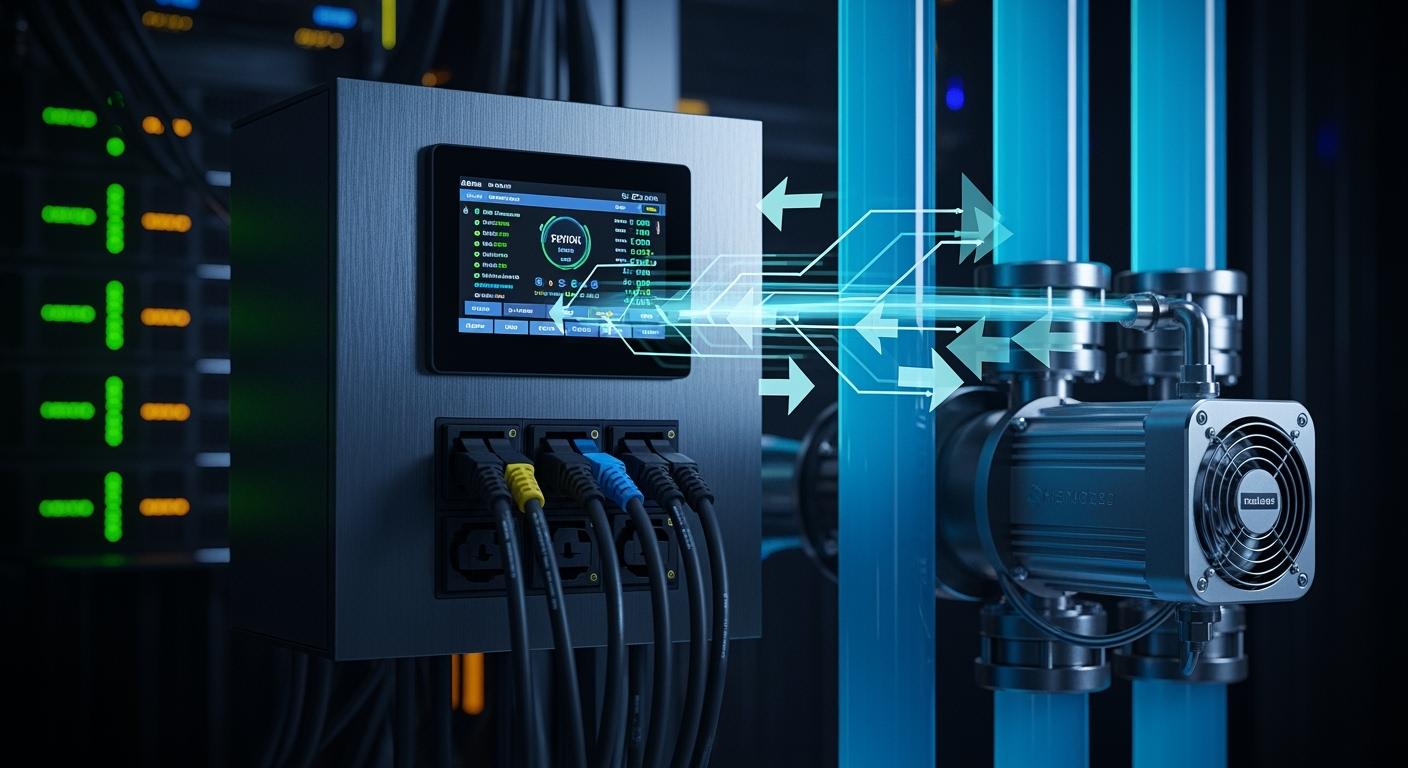
You can achieve dynamic power priority adjustment by integrating a Smart Power Distribution Unit with your liquid cooling system. This integration lets you respond to real-time cooling demand, which protects equipment and improves energy efficiency. ESTEL’s solutions give you advanced control and reliability for your data center. You gain the ability to adapt power allocation based on actual cooling needs.
Key Takeaways
Integrate a Smart Power Distribution Unit with your liquid cooling system to adjust power based on real-time cooling needs, enhancing energy efficiency.
Monitor key metrics like thermal stability and flow rate to maintain optimal cooling performance and protect your equipment from overheating.
Utilize standard communication protocols like Modbus and EtherNet/IP for seamless data exchange between cooling and power systems, ensuring reliable operations.
Implement dynamic power priority algorithms to allocate power to critical devices during temperature spikes, improving operational efficiency and reducing energy waste.
Follow a clear setup process for integration to achieve a reliable connection between your Smart Power Distribution Unit and liquid cooling system, enhancing overall data center performance.
Smart Power Distribution Unit and Liquid Cooling Basics
Key Features of ESTEL Smart Power Distribution Unit
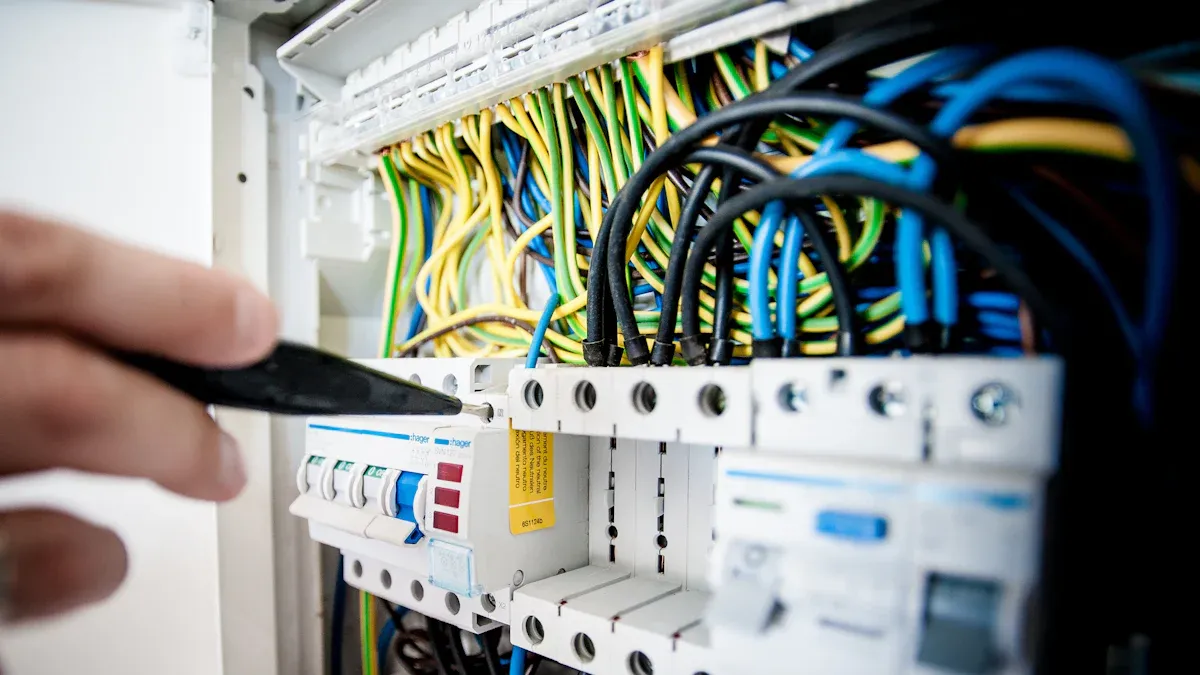
You need reliable power management in your data center. The Smart Power Distribution Unit from ESTEL gives you advanced control and safety. You can monitor power usage in real time with the built-in LCD display. This feature helps you spot problems before they affect your equipment. You also get remote management, which means you can control power distribution from anywhere. This saves you time and reduces the need for on-site visits.
The Smart Power Distribution Unit includes surge protection. This feature shields your devices from unexpected voltage spikes. You also benefit from a dehumidifying function. It keeps the environment inside your cabinet dry and safe. The unit offers multiple outlet options, so you can connect different types of equipment easily. Its robust design stands up to harsh conditions, making it ideal for outdoor or industrial use. You get a system that supports both safety and efficiency.
Tip: Use the remote management feature to adjust power settings during peak loads. This action can prevent downtime and extend the life of your equipment.
Liquid Cooling System Metrics
You must track key metrics to keep your liquid cooling system efficient. These metrics help you maintain stable operations and protect your equipment. The table below shows the most important metrics and how they impact cooling efficiency:
Metric | Impact on Cooling Efficiency |
|---|---|
Thermal Stability | Ensures reliable performance and proper heat dissipation, preventing equipment failure under peak loads. |
Power Capacity Validation | Confirms power systems can handle real-world load fluctuations, preventing downtime due to overloads. |
Leak Detection & Safety Protocols | Protects electrical equipment from water hazards, ensuring operational safety and reliability. |
Flow Rate & Pressure Consistency | Maintains optimal flow dynamics, predicting maintenance needs and preventing cooling performance issues. |
You should monitor these metrics regularly. By doing so, you can quickly respond to changes in cooling demand. This approach helps you avoid overheating and keeps your data center running smoothly.
Real-Time Linkage Mechanism
Data Exchange Between Cooling and Power
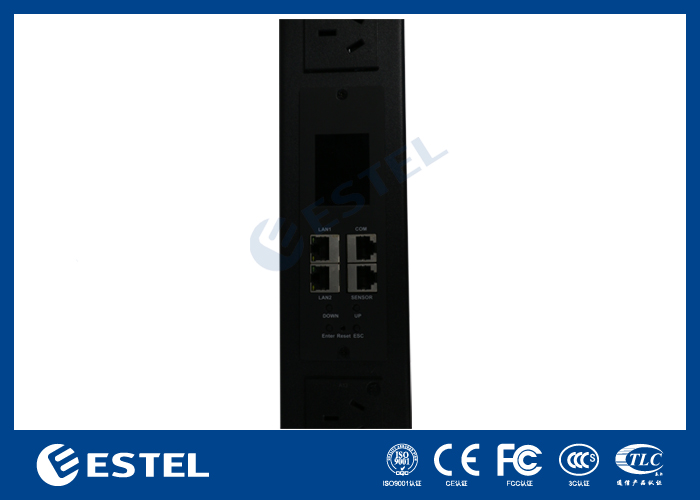
You need a reliable way for your cooling and power systems to communicate. This connection lets your Smart Power Distribution Unit respond to changes in cooling demand. Data exchange happens through industrial communication protocols. These protocols help your systems share information quickly and accurately.
Here is a table showing the most common protocols used in smart data centers:
Protocol | Description |
|---|---|
Modbus | A widely used industrial communication protocol for connecting devices. |
Profibus | A standard for fieldbus communication in automation technology. |
EtherNet/IP | An industrial network protocol that uses standard Ethernet for communication. |
Redfish | A standardized interface for data exchange and management in data centers. |
You can use these protocols to link your Smart Power Distribution Unit with your liquid cooling system. This setup allows real-time monitoring of temperature, humidity, and power usage. When your cooling system detects a rise in temperature, it sends a signal to the power system. The Smart Power Distribution Unit then adjusts power allocation to critical equipment. This process helps you prevent overheating and maintain stable operations.
Note: Using standardized protocols like Modbus or Redfish ensures compatibility between different brands and systems.
Dynamic Power Priority Algorithms
You face new challenges as digital demand grows. Data centers now run hotter because cloud and AI workloads require more processing power. Traditional air-based cooling methods cannot keep up with high-density racks. You need advanced solutions to manage heat and energy use.
Dynamic power priority algorithms help you solve these problems. These algorithms use real-time data from your cooling system. They analyze temperature, flow rate, and equipment load. When the cooling demand increases, the algorithm tells your Smart Power Distribution Unit to shift power to the most critical devices. Less important equipment may receive less power or enter a low-power state.
Here is how the process works:
Your cooling system detects a temperature spike.
It sends data to the Smart Power Distribution Unit using a standard protocol.
The unit’s algorithm reviews the data and identifies which equipment needs priority.
The unit reallocates power to keep essential systems running safely.
The system continues to monitor and adjust as conditions change.
This approach gives you several benefits:
You improve operational efficiency by matching power use to cooling needs.
You protect your equipment from thermal stress.
You reduce energy waste, which supports sustainability goals.
Tip: Dynamic power priority algorithms work best when you combine them with advanced cooling techniques like immersion or direct-to-chip liquid cooling.
You can see that integrating your Smart Power Distribution Unit with liquid cooling systems is not just about technology. It is about meeting the demands of modern workloads, improving thermal management, and supporting your data center’s sustainability.
Integration and Implementation with ESTEL
Integration Architecture
You can build a reliable integration between your Smart Power Distribution Unit and liquid cooling system by following a clear architecture. Start by connecting the monitoring sensors from your cooling system to the PDU’s intelligent interface. Use standard industrial protocols like Modbus or EtherNet/IP to ensure smooth data flow. This setup allows your cooling system to send real-time temperature and flow data directly to the power management unit.
Place the Smart Power Distribution Unit inside your telecom cabinet or server rack. Connect it to your main power source and link it to your network for remote management. The PDU’s LCD display gives you instant feedback on power status and environmental conditions. This architecture supports both centralized and distributed cooling setups, making it flexible for different data center designs.
Tip: Choose plug-and-play components when possible. These options reduce installation time and help you avoid major construction work or downtime.
Setup Process for Dynamic Linkage
You can set up dynamic linkage in a few straightforward steps:
Install the Smart Power Distribution Unit in your cabinet or rack. Make sure it is securely connected to your power supply.
Connect the cooling system’s sensors to the PDU using compatible communication cables and protocols.
Configure the remote management interface. Use the PDU’s software to set thresholds for temperature, humidity, and power allocation.
Test the data exchange between the cooling system and the PDU. Confirm that the unit receives real-time updates and responds by adjusting power distribution.
Monitor the system using the LCD display and remote dashboard. Adjust settings as needed to optimize performance.
You may encounter some challenges during setup. Higher initial costs and the need for skilled maintenance are common. Integration can seem complex, especially with direct liquid cooling systems. However, plug-and-play solutions from ESTEL can simplify the process and reduce downtime. The limited vendor ecosystem is improving quickly, so you have more options than ever before.
By following these steps, you can achieve a seamless connection between your cooling and power systems. This integration helps you protect your equipment, improve energy efficiency, and maintain reliable operations.
Benefits, Use Cases, and Challenges
Energy Efficiency and Equipment Protection
You can boost both energy efficiency and equipment protection by integrating your Smart Power Distribution Unit with liquid cooling systems. This combination helps you manage power and cooling more precisely. You reduce energy waste and lower your operational costs. You also protect your valuable equipment from overheating and environmental risks.
You monitor and manage cooling fluids effectively, which keeps your system running smoothly.
You maintain optimal thermal conditions, so your equipment does not overheat.
Advanced sensors track fluid quality and system performance, which increases reliability in high-density environments.
Improved energy efficiency means you remove heat at the source and use warmer water temperatures, which reduces the load on chillers.
You cut operational costs by relying less on air conditioning and cold aisle containment.
Note: High-efficiency transformers in PDUs can be 2% to 3% more efficient than standard ones, which further reduces energy waste.
Real-World Applications
You see these integrated systems in many modern data centers. Telecom operators use them to keep outdoor cabinets cool and reliable, even in harsh environments. Cloud service providers rely on them to support high-density computing and artificial intelligence workloads. You can also find them in research labs and financial institutions where uptime and equipment safety are critical.
Data centers with high-density racks use liquid cooling and smart power management to prevent downtime.
Telecom sites in remote or hot locations depend on these systems for stable operations.
Companies running AI or big data workloads use them to handle rapid changes in power and cooling demand.
Overcoming Integration Challenges
You may face challenges when you set up these advanced systems. You can overcome them with the right strategies.
You implement advanced cooling technologies to match your site’s needs.
You add redundancy in your power systems to ensure continuous operation.
You integrate renewable energy sources to support sustainability and reduce costs.
Tip: Choose solutions that support standard communication protocols. This makes integration smoother and helps you scale your system in the future.
You can transform your data center by integrating a Smart Power Distribution Unit with liquid cooling systems. This approach lets you adjust power priorities based on real-time cooling needs, which boosts efficiency and protects equipment. To get started, follow these steps:
Calculate total power consumption.
Ensure power capacity and redundancy.
Match amperage and voltage.
Explore ESTEL’s solutions to stay ahead as liquid cooling and intelligent power management become essential for high-density computing.
FAQ
How does a Smart Power Distribution Unit improve data center reliability?
You gain real-time monitoring and remote control. These features let you spot issues early and adjust power settings quickly. You keep your equipment safe and reduce downtime.
Can you integrate ESTEL’s Smart PDU with any liquid cooling system?
Yes, you can. ESTEL’s Smart PDU supports standard protocols like Modbus and EtherNet/IP. This compatibility lets you connect with most modern liquid cooling systems.
What maintenance does the Smart PDU require?
You should check the LCD display and remote dashboard regularly. Clean the unit and inspect connections for safety. Schedule routine tests to ensure all features work as expected.
Does dynamic power priority adjustment save energy?
Yes. You match power use to cooling demand. This reduces waste and lowers your energy bills. You also extend the life of your equipment.
See Also
Exploring Various Cooling Techniques for Telecom Equipment Cabinets
Enhancing Outdoor Cabinets Through Power, Cooling, And Monitoring
Understanding ESTEL PDUs And Their Importance In Data Centers
Selecting The Ideal Cooling Solution For ESTEL Telecom Cabinets
Benefits Of ESTEL Cooling Solutions For Industrial Cabinet Use
CALL US DIRECTLY
86-13752765943
3A-8, SHUIWAN 1979 SQUARE (PHASE II), NO.111, TAIZI ROAD,SHUIWAN COMMUNITY, ZHAOSHANG STREET, NANSHAN DISTRICT, SHENZHEN, GUANGDONG, CHINA
