Physical Lock Integration of Smart Power Distribution Units in Telecom Cabinets: Protection Against Unauthorized Operations

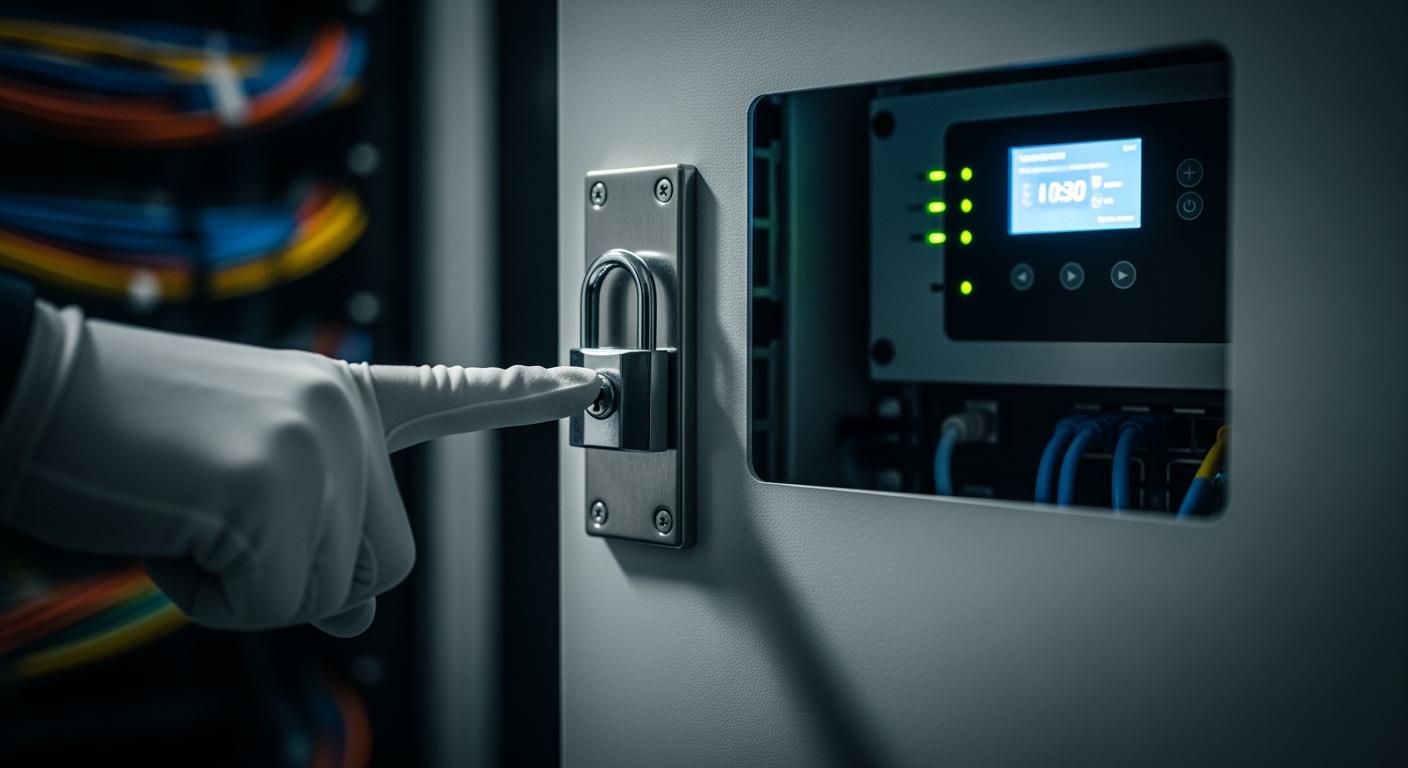
Combining physical locks with a Smart Power Distribution Unit in telecom cabinets creates a strong defense against unauthorized operations. You protect your equipment with both physical barriers and advanced digital controls. Security for telecom infrastructure demands attention to every layer. ESTEL delivers secure cabinet solutions that help you maintain compliance and reliability.
Consider how this integration improves operational security and reduces risk in your network.
Key Takeaways
Combining physical locks with Smart Power Distribution Units enhances security against unauthorized access in telecom cabinets.
Unauthorized access can lead to serious risks, including service interruptions, data loss, and damage to equipment.
Smart Power Distribution Units offer features like remote monitoring and overload protection, but they need physical locks for complete security.
Choose the right type of lock based on your security needs, such as mechanical, combination, or electronic locks.
Regular maintenance and audits of security systems are essential to ensure ongoing protection and compliance.
Risks of Unauthorized Access in Telecom Cabinets
Threats to Power Distribution Units
You face several risks when unauthorized individuals gain access to telecom cabinets. Power distribution units often become the main target. Intruders may attempt to tamper with connections, reroute power, or even shut down critical systems. These actions can disrupt network operations and damage sensitive equipment. If someone bypasses your security, they might install rogue devices or create unsafe wiring conditions. This can lead to electrical fires or equipment failure.
A Smart Power Distribution Unit helps you monitor and control power flow. However, without proper physical security, even the most advanced digital systems remain vulnerable. Physical breaches can allow attackers to override digital controls or disconnect monitoring devices. You need to recognize that both physical and digital threats exist.
Note: A single weak point in your cabinet security can compromise the entire network.
Impact of Unauthorized Operations
Unauthorized operations in telecom cabinets can have far-reaching consequences. You may experience service interruptions, data loss, or equipment damage. These incidents often result in costly repairs and extended downtime. When someone manipulates your power systems, they can cause billing errors or unauthorized charges. This not only affects your bottom line but also damages your reputation.
Unauthorized activities, such as telecom fraud, create compliance gaps. You risk violating data protection laws, which can lead to legal actions and financial penalties. Service disruptions and fraud erode consumer trust. Customers expect reliable and secure service. If you fail to protect your infrastructure, you may lose their confidence and face long-term reputational harm.
You must take these risks seriously. Protecting your telecom cabinets with both physical locks and smart technology ensures a stronger defense against unauthorized operations.
Smart Power Distribution Unit Security Features
Digital Controls and Monitoring
You gain many advantages when you use a Smart Power Distribution Unit in your telecom cabinet. These units offer advanced digital controls that help you manage and monitor your power systems efficiently. For example, ESTEL’s Smart Power Distribution Unit provides remote management, surge protection, and real-time data. You can track power usage, adjust settings, and respond to issues without being on-site.
Here is a table showing common digital features you find in a Smart Power Distribution Unit:
Feature | Description |
|---|---|
Real-time monitoring | Continuous tracking of power usage and performance. |
Remote control | Manage power distribution from a distance. |
Energy efficiency | Optimize power usage to reduce waste and costs. |
Overload protection | Prevent equipment damage by managing power loads. |
Environmental sensors | Monitor conditions to ensure reliable operation and prevent failures. |
You can also benefit from digital monitoring systems that use electronic locks, biometric access, and motion sensors. These systems send real-time alerts and keep audit trails for every access event. You stay informed about who enters your cabinet and when. Motion-activated cameras and sensors add another layer of security by detecting movement and triggering alarms.
Limitations Without Physical Locks
You should understand that digital controls alone do not provide complete protection. If someone gains physical access to your telecom cabinet, they can bypass or disable digital systems. Even the most advanced Smart Power Distribution Unit cannot stop a determined intruder if the cabinet lacks a strong physical lock.
Consider these points:
Physical locks prevent unauthorized people from opening the cabinet and tampering with equipment.
Digital systems can alert you to suspicious activity, but they cannot physically stop someone already inside.
Combining physical locks with digital controls creates a layered defense that is much harder to defeat.
You need both digital and physical security to protect your telecom infrastructure. When you use a Smart Power Distribution Unit with integrated physical locks, you reduce the risk of unauthorized operations and improve the reliability of your network.
Physical Lock Integration Methods
Types of Cabinet Locks
You have several options when choosing physical locks for telecom cabinets. Each lock type offers unique security features and access methods. You can see the main types in the table below:
Lock Type | Description |
|---|---|
Mechanical Key Locks | Traditional locks that use physical keys for basic access control. |
Combination Locks | Locks that use a numeric code, eliminating the need for keys and reducing the risk of loss. |
Electronic Locks | Locks that utilize keypads, RFID cards, or biometric readers, allowing for multiple user access. |
Anti-theft Locks | Advanced locks that provide extra resistance against forced entry and tampering. |
Mechanical locks restrict access to authorized users. You must keep track of physical keys to prevent unauthorized entry. Electronic locks use credentials like PIN codes or RFID cards. You can manage access remotely and monitor who enters the cabinet. Anti-theft locks add extra protection against tampering and forced entry. Combination locks use codes, so you do not need to worry about losing keys.
You can compare mechanical and electronic locks in the following table:
Lock Type | Security Features | Advantages | Limitations |
|---|---|---|---|
Mechanical Locks | Key-operated latches restrict access to authorized personnel. | Enhanced security for high-security environments. | Physical keys can be lost or duplicated. |
Electronic Locks | Use credentials like PIN codes or RFID cards for access control. | Remote management and audit trails for monitoring access. | Dependence on power and technology. |
You should select lock types based on your security needs and operational requirements.
Integration with Smart PDUs
You can strengthen cabinet security by integrating physical locks with digital access controls. This approach creates a layered defense. You combine mechanical or electronic locks with the Smart Power Distribution Unit to protect your equipment from unauthorized operations.
You can follow these best practices for integration:
Integrate multiple authentication methods to enhance security.
Implement auto-lock features to prevent human error in securing cabinets.
Regularly maintain and update access controls to ensure compliance and security.
Log all access attempts for audit trails and compliance reporting.
Use durable lock control boards that can withstand environmental stress and tampering.
You can synchronize physical locks with digital systems. For example, you can set up electronic locks that work with remote monitoring features in the Smart Power Distribution Unit. You can receive alerts when someone tries to access the cabinet. You can also track every access attempt for compliance.
You improve security by combining physical barriers with digital controls. You reduce the risk of unauthorized operations and protect your network infrastructure.
ESTEL’s Approach to Secure Cabinets
You can rely on ESTEL for advanced cabinet security solutions. ESTEL integrates physical locks with Smart Power Distribution Units and Outdoor Telecom Cabinets. You benefit from tamper-proof designs that use reinforced materials and multi-point locks. These features prevent unauthorized access and theft.
ESTEL includes intrusion detection systems in their cabinets. You receive early alerts for unauthorized access attempts through sensors and motion-activated cameras. You can monitor your cabinets in real time. Secure boot technology ensures only verified firmware runs on the device. You block unauthorized changes at startup.
You can trust ESTEL to deliver cabinets that meet international standards. You protect your equipment with a combination of physical and digital security. You maintain compliance and reliability in your telecom operations.
Tip: You can visit ESTEL’s official website to explore secure cabinet solutions and learn more about integrated lock systems.
Combined Security Benefits
Layered Protection Strategy
You strengthen your telecom cabinet security when you use both physical locks and smart power distribution units. This layered approach makes it much harder for unauthorized people to gain access or disrupt your operations. You can use several strategies to build this defense:
Pre-register visitors and verify their IDs before granting access.
Issue visitor badges that expire automatically, so no one can reuse them.
Escort guests in sensitive areas to prevent unsupervised movement.
Define guest-only pathways to control where visitors can go.
Assign zone-based permissions, allowing only certain people into specific areas.
You also benefit from broader security measures:
Install perimeter fencing and CCTV cameras to monitor the area.
Use ID badges, biometrics, and mantraps for strict access control.
Monitor your site 24/7 and respond quickly to incidents.
Segment internal spaces, separating offices, shared areas, and equipment racks.
Lock racks and track assets to prevent theft or tampering.
Conduct regular audits and access reviews to ensure compliance.
A multi-layered security approach reduces the risk of unauthorized operations. The table below shows how each aspect works together:
Aspect | Description |
|---|---|
Physical Security | Controls access to cabinets and prevents unauthorized entry. |
Digital Security | Protects data and network access using encryption and secure practices. |
Integrated Approach | Combines both methods for a stronger defense. |
Proactive Planning | Identifies and fixes vulnerabilities early. |
Continuous Education | Keeps your team updated on new threats and best practices. |
Enhanced Compliance and Reliability
You improve compliance and reliability when you combine physical locks with smart PDUs. Physical locks stop unauthorized people from reaching your equipment. Smart PDUs help you monitor power use and predict maintenance needs, so you can fix problems before they cause failures. This combination protects your equipment and keeps your network running smoothly.
You also meet industry standards and regulatory requirements by using these security measures. Regular audits and access reviews help you stay compliant. You show your customers and partners that you take security seriously. This builds trust and supports your reputation for reliability.
Tip: A multi-layered defense not only protects your assets but also ensures your telecom operations remain stable and compliant with industry standards.
Implementation Best Practices
Deployment Tips for ESTEL Solutions
You can achieve the best results by following a few key steps when deploying ESTEL Smart Power Distribution Units and Outdoor Telecom Cabinets with integrated locks:
Start with careful planning to ensure your power distribution supports high availability and efficiency.
Select a Smart Power Distribution Unit that matches your cabinet’s needs, focusing on scalability and reliability.
Use the right tools for installation and enable remote power monitoring from the start.
Mount the unit in the optimal position for easy access and proper airflow.
Schedule regular maintenance to keep your system running smoothly.
You should also avoid common mistakes during deployment. The table below highlights issues you may encounter and how they can affect your setup:
Mistake | Explanation |
|---|---|
Improper sensor placement | Inaccurate data and false alarms can result from poor sensor positioning. |
Inadequate grounding | Risks for equipment and personnel may lead to network outages. |
Poor equipment concealment | Increases vulnerability to tampering and damage. |
Inadequate planning | Ordering the wrong equipment can cause supply chain delays. |
Ignoring hotspots | Missed temperature changes can damage equipment and raise costs. |
Poor cable management | Airflow blockages and overheating risks require proper cable organization. |
Tip: Careful planning and attention to detail during installation help you avoid costly errors.
Maintenance and Operational Guidance
You should follow a routine maintenance schedule to keep your telecom cabinets secure and reliable. The table below outlines recommended tasks and how often you should perform them:
Maintenance Task | Frequency | Key Actions |
|---|---|---|
Seal & Gasket Inspection | Quarterly | Check for cracks, clean debris, replace damaged seals |
Cooling System Check | Monthly | Verify fan operation, clean blades, monitor temperature |
Internal Equipment Audit | Bi-Monthly | Inspect cables, connections, power systems, mounting |
Exterior Cleaning & Damage Check | Monthly (Outdoor) | Remove debris, inspect vents, check for corrosion |
Security System Test | Monthly | Test locks, alarms, access logs, tamper detection |
Regular inspections help you spot physical damage or loose connections early. This practice increases the reliability and lifespan of your smart power distribution units.
Real-World Outcomes
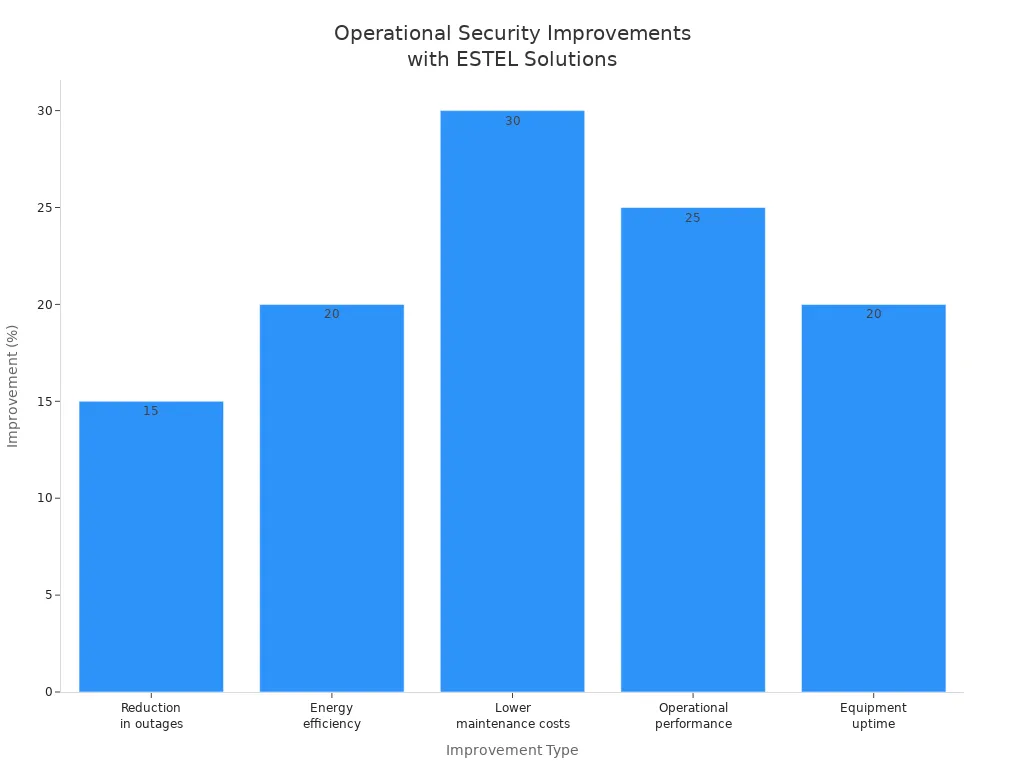
You can see measurable improvements in security and performance after implementing ESTEL’s integrated solutions. The table below shows the positive changes reported by users:
Improvement Type | Measurable Improvement |
|---|---|
Reduction in outages | 15% |
Improvement in energy efficiency | Up to 20% |
Lower maintenance costs | 30% |
Improvement in operational performance | 25% |
Equipment uptime improvement | 20% |
A telecom site in Alaska reduced site visits from four to one per year by using real-time alerts from ESTEL’s smart cabinets. This change improved reliability and lowered operational costs. You can expect similar benefits by following best practices and maintaining your equipment regularly.
You strengthen your telecom cabinet security when you combine physical locks with smart power distribution units from ESTEL. This integration blocks unauthorized operations and supports reliable network performance. A layered approach, including sturdy barriers and intelligent monitoring, aligns with best practices for telecom infrastructure.
Regularly audit and review your security measures to ensure they evolve with changing threat profiles and compliance requirements.
Assess vulnerabilities in your network.
Choose cabinets with lockable access and structured cable management.
Optimize features like adjustable shelving for better organization.
You should prioritize both physical and digital security for optimal protection.
FAQ
What is the main advantage of integrating physical locks with smart PDUs?
You create a layered security system. Physical locks stop unauthorized entry. Smart PDUs let you monitor and control power remotely. This combination gives you better protection for your telecom equipment.
How often should you inspect cabinet locks and security systems?
You should check locks and security systems at least once a month. Regular inspections help you find problems early and keep your equipment safe.
Can you manage ESTEL Smart Power Distribution Units remotely?
Yes. You can use remote management features to monitor power usage, control outlets, and receive alerts. This helps you respond quickly to any issues.
What types of locks work best for outdoor telecom cabinets?
You get the best results with anti-theft locks or electronic locks. These locks resist tampering and provide strong access control. Choose a lock that matches your security needs.
Where can you find more information about ESTEL’s secure cabinet solutions?
Visit ESTEL’s official website for product details, technical support, and contact information.
See Also
Effective Methods to Enhance Anti-Theft Features in Cabinets
Safeguarding Equipment Using Outdoor Telecom Cabinets Effectively
Ensuring Consistent Power Supply for Telecom Cabinets
Proven Strategies for Protecting Cabinets in Risky Locations
CALL US DIRECTLY
86-13752765943
3A-8, SHUIWAN 1979 SQUARE (PHASE II), NO.111, TAIZI ROAD,SHUIWAN COMMUNITY, ZHAOSHANG STREET, NANSHAN DISTRICT, SHENZHEN, GUANGDONG, CHINA
