Acoustic Optimization Design of Smart PDUs: Low-Noise Cabinet Solution with ≤40dB Operating Sound

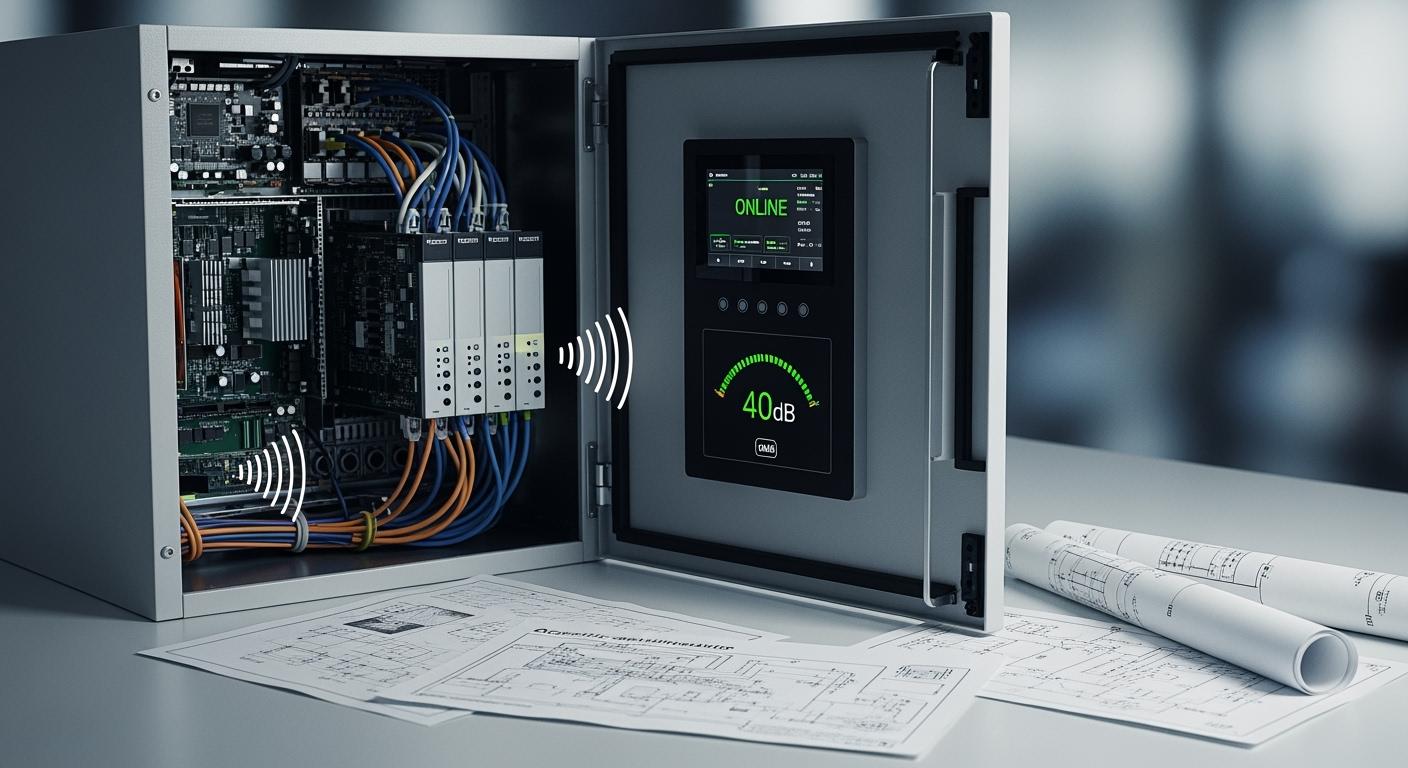
You want quiet, efficient operations in your telecom and data center environments. Acoustic optimization helps you achieve ≤40dB operating sound in your Smart Power Distribution Unit. You face challenges from unwanted noise, but you can overcome them with the right solutions. Solutions for cabinet structure, solutions for airflow, and solutions for vibration management all play a role. Solutions using advanced materials and solutions with smart technology enhance noise control. Solutions that integrate sealing and solutions that use innovative designs make a difference. Solutions focused on performance and solutions that prioritize reliability matter. Solutions from ESTEL reflect a commitment to quality and solutions that deliver value. You choose solutions that protect your equipment and support your goals.
Key Takeaways
Achieve quieter operations in telecom and data centers by optimizing cabinet structure and sealing to block unwanted sound.
Use advanced materials like high-density panels and metamaterials to enhance sound absorption and reduce noise levels.
Implement effective airflow management and vibration control to minimize noise from fans and internal components.
Leverage smart acoustic sensor networks to monitor noise levels in real time and adjust settings for optimal performance.
Validate your smart power distribution unit's performance through rigorous testing to ensure it meets the ≤40dB sound target.
Noise Challenges in Smart Power Distribution Unit Design
Main Noise Sources and Their Effects
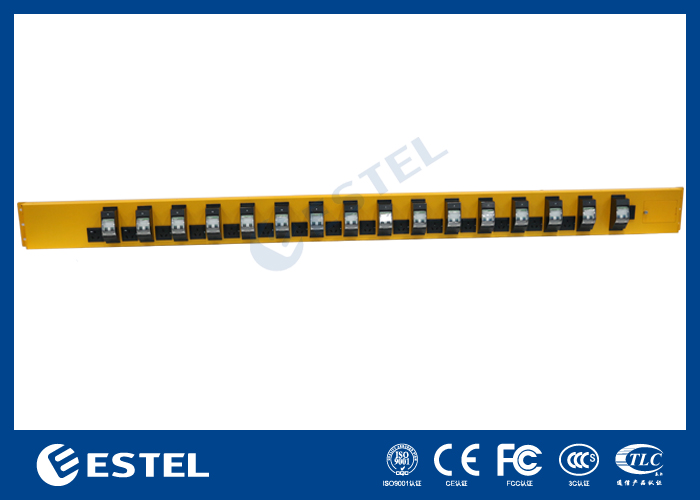
You often face several sources of noise when you use smart power distribution units in telecom cabinets. Fans, transformers, and relays inside the cabinet can create a constant hum or sudden spikes. Harmonics in the electrical system can disrupt your equipment, causing overheating and extra wear. You may also notice transients, sags, undervoltage, or overvoltage, all of which can add to the noise and affect your system’s stability.
Transients: Short bursts of high voltage or current.
Interruptions: Sudden loss of power.
Sags: Drops in voltage for a short time.
Undervoltage: Lower voltage for a longer period.
Swell/Overvoltage: Higher voltage than normal.
Waveform distortion: Imperfect electrical signals.
Voltage fluctuations: Unstable voltage.
Frequency variations: Changes in the normal frequency.
These noise sources can lead to false circuit breaker tripping, equipment malfunctions, and reliability problems. You might see synchronization errors in your UPS or generator, which can cause downtime and higher energy costs. ESTEL’s smart power distribution unit uses advanced noise control and traffic noise control strategies to reduce these risks and keep your equipment safe.
Impact of Sound on Data Center Performance
Noise does not just affect your equipment. It also impacts your team and the overall performance of your data center. When you have constant noise, you may see more fatigue and less satisfaction among your staff. Excessive vibration from noise can cause micro-damage to sensitive components, leading to early failures. Noise-generating parts often create extra heat, which puts more stress on your cooling systems.
Effect Type | Description |
|---|---|
Cumulative noise pollution | Constant low-frequency hum from multiple components affects staff and sensitive equipment. |
Mechanical interference | Excessive vibration can cause micro-damage to components, leading to premature failures. |
Heat + noise synergy | Noise-generating components often correlate with inefficient power handling, increasing heat stress on cooling systems. |
Workplace impact | Prolonged noise exposure contributes to fatigue and reduces workplace satisfaction among staff. |
You need effective noise control and traffic noise control to protect both your equipment and your people. ESTEL’s focus on low-noise design helps you maintain a reliable, efficient, and comfortable environment in your telecom and data center operations.
Acoustic Optimization Strategies for Noise Control
Cabinet Structure and Sealing
You can achieve superior acoustic performance in your smart power distribution unit by focusing on cabinet structure and sealing. The cabinet acts as the first barrier against unwanted sound. You should select a robust frame with reinforced panels. This approach improves the acoustic properties of the enclosure. You can use double-walled construction to enhance broadband sound absorption. The air gap between the walls helps trap and dissipate sound energy. You should also pay attention to door seals and cable entry points. High-quality gaskets and precision-cut foam inserts block noise leaks. These features maintain consistent acoustic performance and prevent sound from escaping.
You can further improve acoustic properties by using labyrinth seals around access points. This design forces sound waves to travel a longer path, reducing their intensity before they exit the cabinet. You should ensure that all seams and joints fit tightly. This step eliminates gaps that could compromise broadband sound absorption. When you combine these structural choices, you create a smart power distribution unit that excels in noise reduction and acoustic performance.
Airflow and Vibration Management
You need effective airflow management to balance cooling and acoustic performance. Fans and ventilation systems often generate noise. You can reduce this by using low-noise fans and optimizing airflow paths. Curved fan blades and variable speed controls help minimize turbulence. These features enhance broadband sound absorption and maintain stable acoustic properties.
Vibration management plays a key role in acoustic performance optimization. You can use unconstrained layer damping by applying high-damping material to metal panels. This technique dissipates vibration energy as heat. Constrained layer damping involves sandwiching high-damping material between metal sheets. This method significantly lowers noise levels. Vibration isolation pads offer a simple way to prevent vibration from machinery from amplifying noise. These pads improve the acoustic properties of the cabinet and support broadband sound absorption.
You should also consider mounting sensitive components on floating platforms. This approach isolates them from vibration sources. When you combine airflow and vibration management, you boost the acoustic performance of your smart power distribution unit.
ESTEL’s Approach to Low-Noise Design
You benefit from ESTEL’s commitment to acoustic solutions and design optimization. ESTEL integrates advanced acoustic materials and topology optimization into every smart power distribution unit. The cabinet uses high-density panels with excellent broadband sound absorption. These panels enhance the acoustic properties of the enclosure. ESTEL engineers select materials with superior acoustic performance to ensure consistent noise reduction.
You will find that ESTEL’s smart power distribution unit features precision sealing and innovative airflow channels. These features maintain optimal acoustic properties and support broadband sound absorption. The design includes vibration isolation pads and constrained layer damping. These elements work together to minimize noise from internal components.
ESTEL also leverages acoustic metamaterials for targeted broadband sound absorption. These materials block specific frequencies that cause the most disruption. You can trust that every smart power distribution unit undergoes rigorous acoustic performance testing. This process ensures that each unit meets the ≤40dB operating sound target. ESTEL’s focus on acoustic properties, broadband sound absorption, and performance optimization delivers reliable noise reduction for your telecom and data center environments.
Material Selection for Sound Reduction
Acoustic Properties of Cabinet Materials
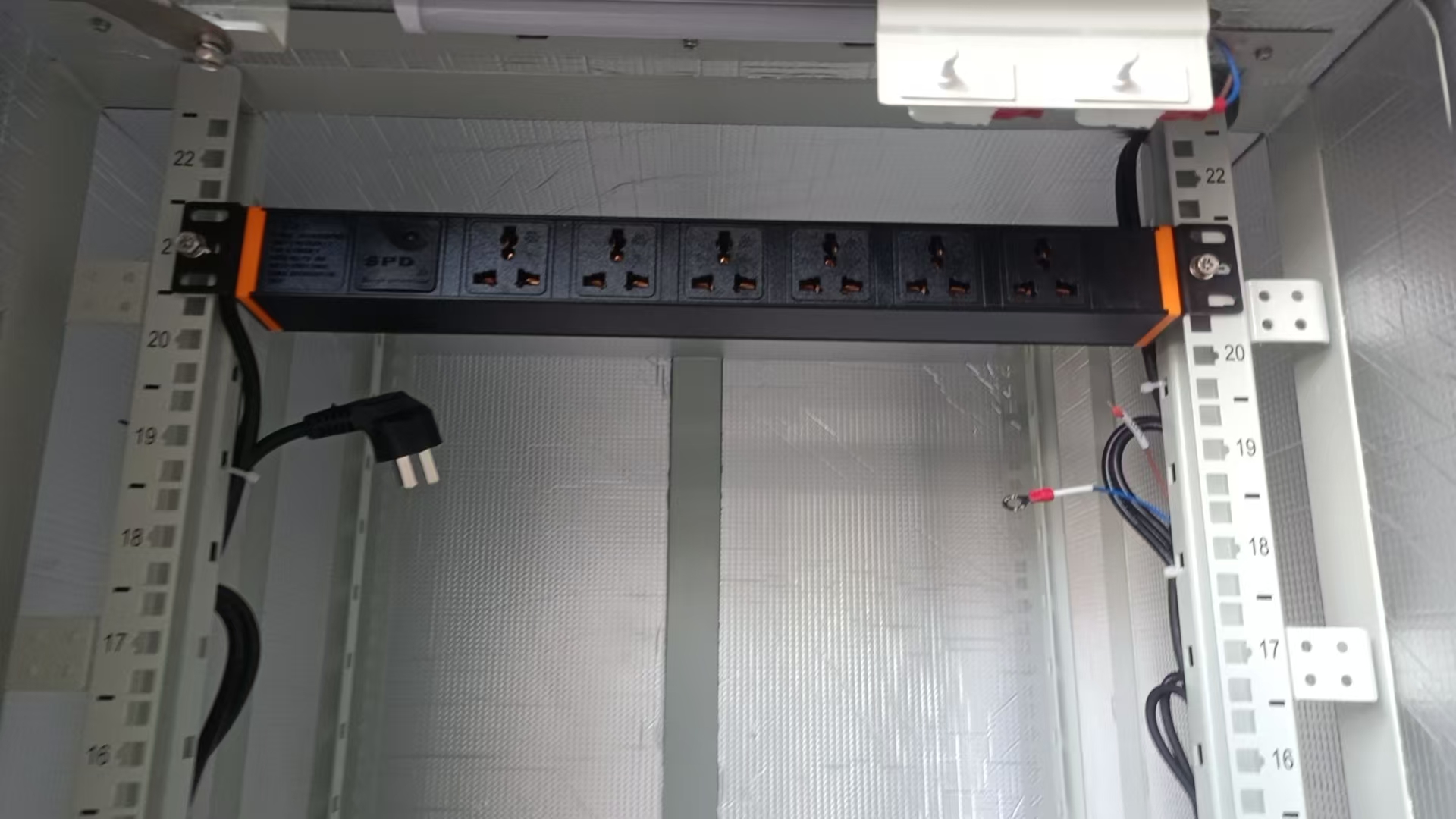
You need to understand how cabinet materials affect noise levels in your smart power distribution unit. Materials with high density and internal damping can block and absorb unwanted sounds. Steel and aluminum panels provide a strong barrier against external noise. You can improve sound absorption by adding internal linings made from foam or fiber. These linings trap sound waves and reduce reflections inside the cabinet. You should also look for materials that resist vibration. This resistance helps prevent the transfer of noise from one part of the cabinet to another. When you choose the right materials, you create a quieter and more stable environment for your equipment.
Innovative Materials and Metamaterials
You can achieve better noise control by using innovative materials and metamaterials. Metamaterials have unique structures that target specific frequencies. These materials can block or redirect sound waves that traditional materials cannot handle. For example, you might use multi-layer composites that combine metals and polymers. These composites increase absorption and reduce the transmission of noise. You can also find amorphous cores in transformers. These cores improve sound absorption by reducing magnetic noise. When you use these advanced materials, you boost the overall performance of your smart power distribution unit.
ESTEL’s Material Solutions for Noise Control
ESTEL selects materials that maximize noise reduction and reliability. You benefit from a careful selection process that combines advanced engineering with strict quality standards. The table below shows how each material or component supports noise control in your smart power distribution unit:
Material/Component | Role in Noise Reduction |
|---|---|
High-permeability alloys | Absorb and block unwanted electromagnetic noise |
Amorphous cores | Enhance noise absorption capabilities |
Multi-layer shielding | Protect sensitive circuits from conducted and radiated interference |
IEC-compliant connectors | Reduce resistance and improve signal integrity |
Copper sticks | Meet strict international standards for optimal performance |
Surge protection features | Safeguard against voltage spikes and moisture interference |
You see that each choice supports sound absorption and system stability. ESTEL’s approach ensures that your smart power distribution unit meets the ≤40dB operating sound target. You gain a solution that protects your equipment and creates a quieter workspace.
Advanced Technologies in Smart Power Distribution Unit Noise Control
Active Noise Control Systems
You can use active noise control systems to lower cabinet sound levels. These systems detect unwanted sound and produce an opposing signal to cancel it. You see real results when you apply this technology.
Active noise control systems can reduce cabinet sound levels to about 40 dB.
You may observe noise levels inside a silent cabinet at about 42 dB, which shows significant noise reduction.
Cooling fans can increase noise levels, sometimes raising total cabinet noise to 50 dB in hot conditions.
You improve performance when you combine active noise control with acoustic metamaterials. Acoustic metamaterials absorb and redirect sound waves. You achieve better performance by using metamaterials that target specific frequencies. Research shows that you can reach the ≤40dB goal with these combined strategies. You enhance performance and reliability in your smart power distribution unit.
Smart Acoustic Sensor Networks
You can monitor and control noise in real time with smart acoustic sensor networks. These networks use sensors to track sound levels and identify sources of noise. You gain valuable data for performance optimization. You adjust settings based on sensor feedback to maintain low noise levels. Research advancements in sensor technology allow you to detect even minor changes in sound. You use acoustic metamaterials and metamaterials to improve sensor accuracy. You create a system that responds quickly to noise and protects your equipment.
You benefit from multifunctional acoustic metamaterials in sensor networks. These materials help sensors filter unwanted frequencies and improve performance. You see better results when you combine sensor networks with acoustic metamaterials and metamaterials. You maintain consistent performance and achieve reliable noise control.
Validation and Testing for ≤40dB Sound
You must validate and test your smart power distribution unit to ensure it meets the ≤40dB sound target. You use precise instruments to measure sound levels inside and outside the cabinet. You check performance under different conditions, including high temperatures and heavy loads. You rely on research to guide your testing methods. You use acoustic metamaterials and metamaterials to maintain low noise levels during tests. You document results and make adjustments to improve performance.
You follow strict standards for noise testing. You confirm that your smart power distribution unit delivers consistent performance. You trust that acoustic metamaterials and metamaterials support your goal of ≤40dB operating sound. You achieve a quiet and efficient environment for your telecom and data center operations.
You achieve low-noise operation by optimizing cabinet structure, selecting advanced materials, and using smart technologies. ESTEL leads in acoustic design with ultra-modular systems, predictive analytics, and conversion efficiency above 98%. You evaluate reliability through monitoring, alarm systems, and remote management.
You gain long-term benefits like cost savings, quick installation, and real-time data access.
Strategy | Impact on Energy Efficiency |
|---|---|
Efficient Cooling | Lowers energy use and noise |
Smart Energy Use | Reduces heat and cooling needs |
Explore ESTEL’s Smart Power Distribution Unit for reliable, quiet performance.
FAQ
What is the main benefit of acoustic optimization in smart power distribution unit design?
You gain quieter operation and improved reliability. Acoustic optimization reduces environmental noise and protects sensitive equipment. You create a comfortable workspace and enhance system performance. You achieve sound energy absorption and maintain stable conditions.
How does cabinet structure affect sound levels?
You control sound by selecting robust cabinet designs. Double-walled panels and tight seals block noise. You prevent leaks and improve sound energy absorption. You maintain consistent acoustic performance and reduce environmental noise.
Why should you use advanced materials for sound reduction?
You boost sound energy absorption with innovative materials. Metamaterials target specific frequencies. You minimize environmental noise and improve design optimization. You protect your equipment and achieve reliable sound reduction.
How do smart acoustic sensor networks help with sound optimization?
You monitor sound in real time. Sensors detect noise sources and provide data for design optimization. You adjust settings to maintain low sound levels. You improve performance and reduce environmental noise.
What testing methods ensure ≤40dB operating sound?
You use precise instruments to measure sound levels. You test under different conditions. You validate design optimization and confirm sound energy absorption. You document results and make adjustments. You achieve reliable performance and low environmental noise.
See Also
Effective Strategies for Reducing Noise in Server Enclosures
Ensuring Consistent Power Supply for Telecom Cabinet Operations
Enhancing Outdoor Cabinets Through Power, Cooling, and Monitoring
Innovative and Eco-Friendly Outdoor Communication Cabinets for 2025
Key Design Considerations for ESTEL Outdoor Communication Cabinets
CALL US DIRECTLY
86-13752765943
3A-8, SHUIWAN 1979 SQUARE (PHASE II), NO.111, TAIZI ROAD,SHUIWAN COMMUNITY, ZHAOSHANG STREET, NANSHAN DISTRICT, SHENZHEN, GUANGDONG, CHINA
