Low-Power Standby Mode of Smart PDUs in Telecom Cabinets: Fine-Grained Energy Management During Idle Periods

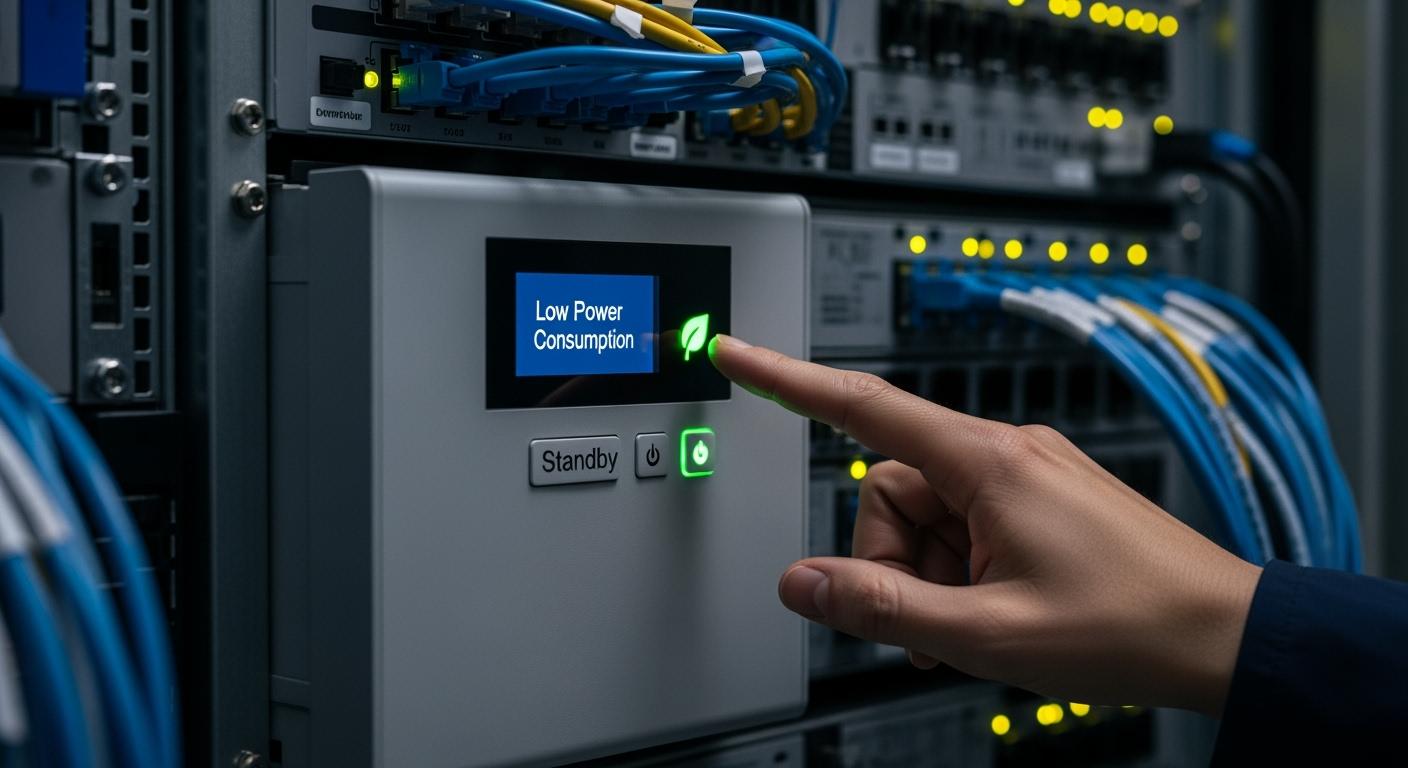
You can control energy use in telecom cabinets more precisely when you implement low-power standby modes in a Smart Power Distribution Unit from ESTEL. Idle equipment often draws power even when not in use, and overprovisioned networks waste energy during off-peak hours. Inefficient cooling systems also add to this waste. By using deep sleep and adaptive sleep modes, you may reduce operational costs by up to 27.72% during low-demand periods. These advanced features help you keep systems reliable while lowering energy bills.
Key Takeaways
Implement low-power standby modes to cut energy costs by up to 27.72% during low-demand periods.
Use advanced features like selective shutdown and clock gating to reduce idle power consumption in telecom cabinets.
Automate transitions between active and standby modes to save time and improve system reliability.
Monitor your telecom cabinet remotely to quickly address issues and reduce maintenance costs.
Choose a Smart Power Distribution Unit that fits your needs to enhance energy management and support sustainability.
Low-Power Standby and Energy Management

Reducing Idle Power Consumption
You can make a big difference in your telecom cabinet’s energy use by focusing on idle power consumption. Many devices continue to draw power even when they are not actively processing data. Traditional power management methods, like lowering transmission power during quiet periods, only scratch the surface. For example, a medium-power O-RU still consumes 59W in an active-idle state with zero percent utilization. This shows that older strategies leave a lot of room for improvement.
Smart Power Distribution Unit technology gives you more control over energy use. You can take advantage of advanced mechanisms that target specific components and functions. Here is a table that explains how these mechanisms work:
Mechanism | Description |
|---|---|
Reduced Power Consumption | Substantial reduction in power usage to extend operational periods between charges. |
Selective Component Shutdown | Specific components can be powered down or put into low-power states to save energy. |
Clock Gating | Minimizes dynamic power consumption by halting clock signals to certain components. |
Memory Retention | Allows partial shutdown of memory while retaining essential data for quick resumption. |
Wake-up Mechanisms | Enables devices to transition back to normal states in response to specific triggers. |
Dynamic Voltage and Frequency Scaling (DVFS) | Adjusts voltage and frequency based on workload to optimize power usage. |
You can use these features to reduce unnecessary energy drain. Selective shutdown and clock gating help you target only the parts of your system that need to sleep. Memory retention lets you keep important data ready for fast recovery. Wake-up mechanisms ensure your equipment returns to full operation when needed. DVFS adapts power use to match the workload, so you never waste energy.
Tip: You can extend battery life and lower costs by using these mechanisms during off-peak hours.
Automated Standby Transitions
Automated transitions between active and standby modes help you maintain efficiency without manual intervention. You do not need to constantly monitor your equipment or make adjustments. The Smart Power Distribution Unit uses technologies that respond to real-time conditions and system demands.
Here is a table showing some of the key features that enable automated transitions:
Feature | Description |
|---|---|
Programmable Current Limits | Allows flexible adaptation to varying load requirements and system configurations. |
Low Power Idle Mode | Minimizes power consumption during standby, reducing battery drain and improving energy efficiency. |
Real-time Monitoring | Provides precise current and voltage monitoring for feedback on the electrical system’s condition. |
You can set programmable current limits to match your system’s needs. Low power idle mode keeps energy use to a minimum when equipment is not needed. Real-time monitoring gives you instant feedback, so you always know the status of your telecom cabinet.
You save time and reduce errors by letting the Smart Power Distribution Unit handle transitions automatically.
You improve reliability because your system responds quickly to changes in demand.
You protect your equipment and extend its lifespan by avoiding unnecessary power cycles.
Note: Automated standby transitions help you achieve fine-grained energy management, making your telecom infrastructure smarter and more sustainable.
Smart Power Distribution Unit Features by ESTEL
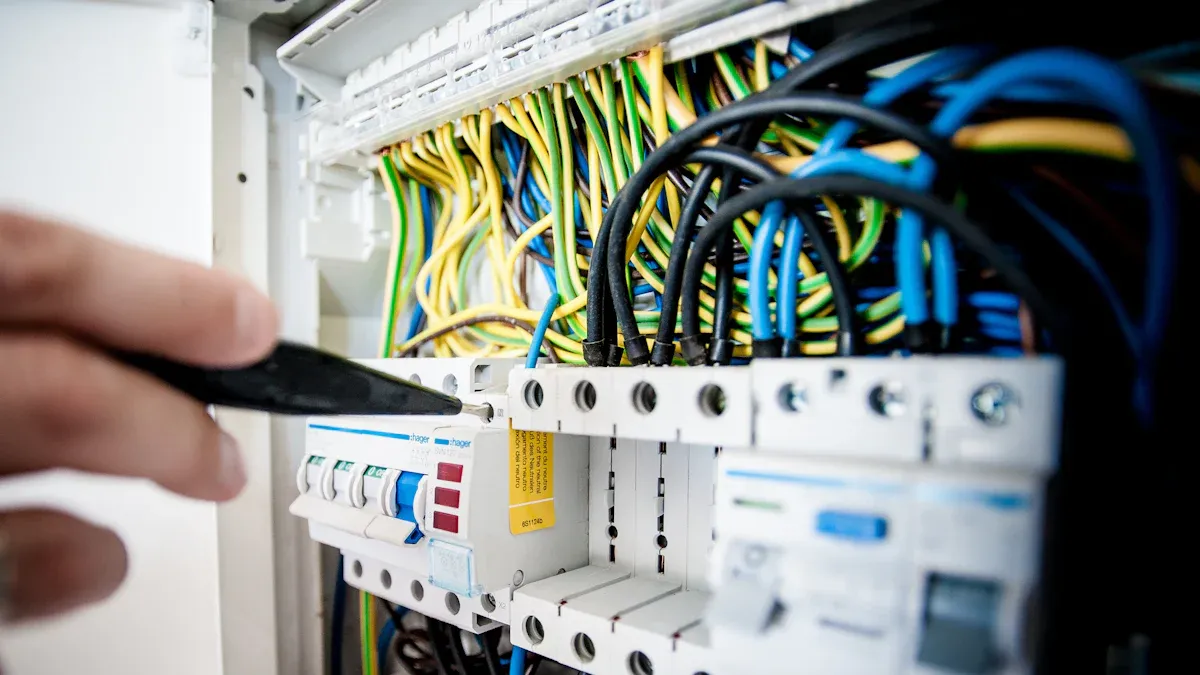
You need reliable power management in your telecom cabinets. ESTEL’s Smart Power Distribution Unit gives you advanced tools to monitor, control, and protect your equipment. This unit stands out because it combines intelligent design with practical features that help you save energy and keep your systems running smoothly.
Remote Monitoring and Control
You can manage your telecom cabinet from anywhere using remote monitoring and control. The Smart Power Distribution Unit lets you track real-time data on power usage and environmental conditions. You see detailed metrics for voltage, current, and power consumption. You can switch outlets on or off remotely, which helps you troubleshoot problems without visiting the site. Automated notifications alert you to issues like overloads, so you can act quickly.
Feature | Benefit |
|---|---|
Access real-time data on power usage and environmental conditions from anywhere. | |
Provides precise data on voltage, current, and power consumption to optimize energy usage. | |
Remote Outlet Switching | Enables turning outlets on or off remotely for troubleshooting without physical presence. |
Issue Notifications | Alerts to potential problems like overloads, allowing proactive issue resolution. |
You reduce downtime and maintenance costs because you can respond to problems before they become serious. Predictive maintenance and automated alerts help you prevent outages and keep your network reliable.
Safety and Environmental Functions
You protect your telecom equipment with built-in safety features. The Smart Power Distribution Unit uses circuit protection and surge protection technology to shield sensitive devices from power surges and overloads. Reports show a 40% decrease in equipment failures due to power surges among telecom operators who use these features. The unit meets international safety standards, giving you peace of mind.
Environmental functions also play a key role. The dehumidifying function keeps humidity low, preventing condensation and corrosion inside your cabinet. Intelligent monitoring lets you adjust settings remotely. The system only activates when needed, saving energy while maximizing protection. Data logging helps you analyze performance and plan maintenance.
Feature | Description |
|---|---|
Active Condensation Prevention | Maintains low humidity, preventing water droplets on circuits and components. |
Corrosion & Mold Inhibition | Stops reactions and growth that degrade electrical components. |
Intelligent Monitoring & Control | Allows remote monitoring and adjustments via smartphone or BMS. |
Energy-Efficient Operation | Activates only when necessary, minimizing power consumption while maximizing protection. |
Data Logging & Diagnostics | Records operational data for maintenance and failure analysis. |
You benefit from a safer, more reliable, and energy-efficient telecom cabinet. These features help you meet sustainability goals and reduce operational costs.
Implementation and Practical Benefits
Integration with Telecom Cabinets
You can integrate a Smart Power Distribution Unit into your telecom cabinet by following a few important steps. Start by inspecting all incoming and outgoing wires to make sure each connection is secure at the PDU panel. Pay close attention to the PE cables to prevent electrical issues. Use a resistance meter to test insulation resistance, aiming for values above 0.5MΩ. Always perform comprehensive product testing for reliability and safety. Before going live, run a no-load test and check different load scenarios.
Tip: Wear insulated gloves and safety goggles during installation. Use certified tools and confirm that your cabinet and PDU meet local electrical codes.
You should also assess the environment for hazards like flammable liquids or gases. Choose a well-ventilated, safe location for your PDU. If you cannot move the cabinet, use protective barriers.
Compatibility Aspect | Description |
|---|---|
Power Density Requirements | Make sure the PDU matches your system’s power needs. |
Scalability | Pick a unit that can grow with future demands. |
Real-time Monitoring | Ensure the PDU supports monitoring for stable operations. |
Surge Protection | Protect equipment from voltage spikes. |
Environmental Factors | Manage temperature and humidity for best performance. |
Operational Cost Savings
You can lower your operational costs by using real-time monitoring and proactive management. The Smart Power Distribution Unit helps you spot problems early, which means fewer interruptions and less money spent on repairs. Many organizations have seen up to a 75% reduction in maintenance costs and a 30% drop in failure costs. You also extend the lifespan of your equipment and keep your network running nonstop.
Real-time monitoring lets you address issues before they become serious.
Early warnings reduce downtime by up to 15%.
Smart PDUs help prevent water intrusion and overheating, so you need fewer technician visits.
Note: About 68% of large organizations use smart PDUs to improve energy management and reduce HVAC energy use by nearly 25%.
Reliability and Battery Backup
You improve reliability in your telecom cabinet by using a Smart Power Distribution Unit. These units can prevent up to 80% of outages, which is important since power outages cause a third of all telecom incidents. Features like remote management and real-time monitoring keep your operations stable.
During emergencies, efficient power distribution and real-time monitoring help you respond quickly. Intelligent systems allow immediate action to prevent downtime. Solar modules can also provide backup power, keeping your network online when the grid fails.
Feature | Benefit |
|---|---|
Efficient power distribution | Keeps essential equipment running |
Real-time monitoring | Speeds up response to power issues |
Remote management | Supports smooth operations in emergencies |
Intelligent systems | Prevents downtime with fast action |
Best Practice: Choose products with standby power levels of 1 watt or less when possible. Always request standby power statements from vendors to ensure energy efficiency.
You gain significant advantages when you use low-power standby modes in ESTEL’s Smart Power Distribution Unit. You save on operational costs, improve reliability, and support sustainability goals. To upgrade your energy management, follow these steps:
Choose a unit that fits your cabinet’s needs.
Implement remote power control for efficient management.
Schedule regular checks and maintenance.
Assess your current setup and identify areas for improvement.
Plan for future growth by selecting scalable solutions.
You can take these actions to make your telecom cabinets more efficient and reliable.
FAQ
How does the Smart Power Distribution Unit help you save energy?
You use advanced standby modes and remote management to cut energy waste. The unit powers down unused components and tracks real-time data. You see lower electricity bills and longer equipment life.
Can you monitor your telecom cabinet from a remote location?
You access real-time power and environmental data using remote monitoring. You control outlets and receive alerts on your phone or computer. You solve problems quickly without visiting the site.
What safety features protect your equipment?
You get surge protection, circuit protection, and a dehumidifying function. These features shield your devices from voltage spikes, moisture, and overheating. You reduce the risk of equipment failure.
How many outlets does the Smart PDU offer?
Model Type | Number of Outlets |
|---|---|
Standard | 8 |
Extended | 19 |
You choose the model that fits your cabinet’s needs.
Tip:
You extend battery life and improve reliability by scheduling regular maintenance checks on your Smart PDU.
See Also
Innovative Energy Storage Solutions for Telecom Cabinet Applications
Advanced Energy Storage Systems for ESTEL Microgrid Telecom Cabinets
Understanding ESTEL PDUs and Their Importance in Data Centers
Strategies for Maintaining Consistent Power Supply in Telecom Cabinets
The Role of Energy Storage Batteries in ESTEL Telecom Cabinets
CALL US DIRECTLY
86-13752765943
3A-8, SHUIWAN 1979 SQUARE (PHASE II), NO.111, TAIZI ROAD,SHUIWAN COMMUNITY, ZHAOSHANG STREET, NANSHAN DISTRICT, SHENZHEN, GUANGDONG, CHINA
