Integration of Smart PDUs with New Energy Microgrids: Intelligent Utilization of PV/Wind Surplus Power

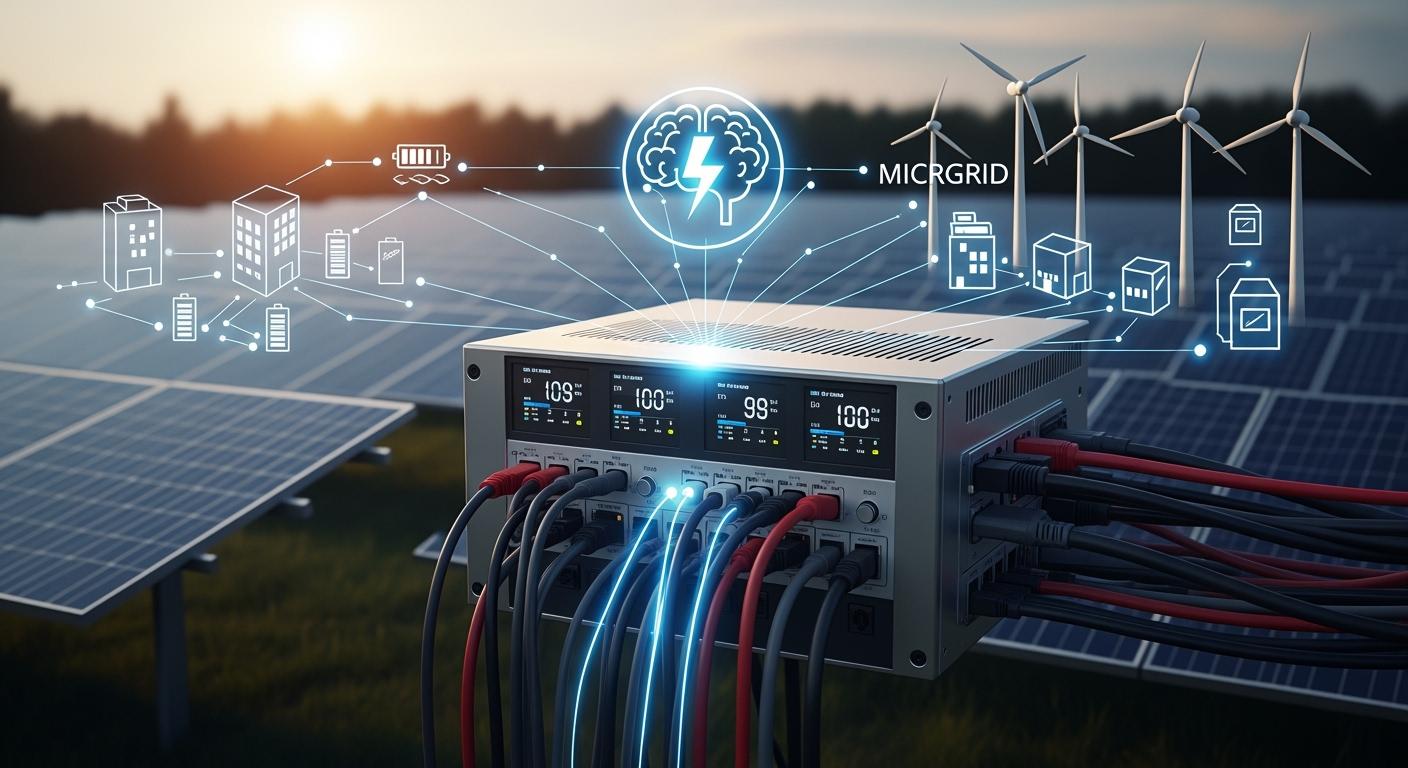
You can now take control of PV and wind surplus power in your microgrid with ESTEL's Smart Power Distribution Unit. When you integrate this technology, you unlock real-time management that adapts to changing energy conditions. Automation, monitoring, and advanced communication make it possible for you to optimize how you use renewable energy.
You benefit from dynamic pricing that improves economic outcomes.
Machine learning and AI boost efficiency and respond quickly to demand changes.
Real-time adaptive management lets you react to external factors with precision.
Automated energy optimization balances renewable sources, storage, and demand.
This shift from traditional to intelligent solutions helps you support sustainability and improve operational efficiency.
Key Takeaways
Integrate ESTEL's Smart Power Distribution Unit to optimize renewable energy use in your microgrid.
Utilize real-time monitoring and automated load control to enhance efficiency and reduce energy waste.
Adopt advanced communication protocols to ensure secure and reliable device interaction within your microgrid.
Implement best practices like regular maintenance and data monitoring to maximize the benefits of your energy system.
Explore successful case studies to understand the practical advantages of smart PDUs in various applications.
Smart Power Distribution Unit and Microgrids
ESTEL Product Overview
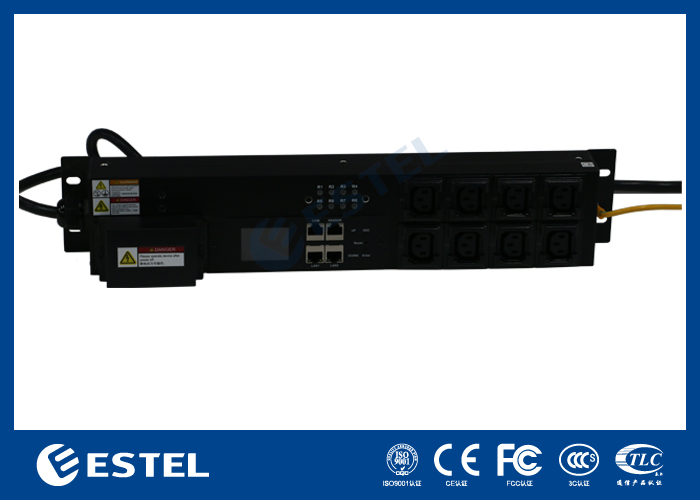
You can improve your microgrid’s performance with ESTEL’s Smart Power Distribution Unit. This advanced device stands out from conventional PDUs because it offers features that support both reliability and efficiency. You get remote management, which lets you control and monitor power usage in real time. Surge protection keeps your equipment safe from unexpected power spikes. The dehumidifying function helps prevent moisture damage, which is important in outdoor or harsh environments. Hot-swappable components allow you to perform maintenance without shutting down your system. Dual power automatic transfer ensures your operations continue even during power failures. The table below highlights these features and their benefits:
Feature | Description |
|---|---|
Remote management | Real-time control and monitoring of power usage |
Surge protection | Shields equipment from power surges |
Dehumidifying function | Prevents moisture damage |
Hot-swappable components | Maintenance without downtime |
Dual power automatic transfer | Uninterrupted operation during power failures |
Up to 15% reduction in energy consumption | |
Cost savings | Up to 20% savings over the product lifecycle |
Maintenance cost reduction | 30% decrease in maintenance costs |
Downtime reduction | 25% decrease in downtime |
Microgrid Basics
A microgrid is a small-scale power network that can operate independently or connect to the main grid. You will find several key components in a microgrid:
Power sources, such as solar panels, wind turbines, or small hydro plants
Energy storage systems, like batteries or flywheels
Power conversion systems, including inverters
Control systems for real-time monitoring and optimization
Microgrids help you integrate renewable energy sources with traditional ones. They can keep running even if the main grid fails, which increases reliability.
Surplus Power Management
Managing surplus power is a major challenge in microgrids, especially when you use renewable energy. You can use hybrid systems that combine renewables with energy storage to handle power fluctuations. Battery storage and fuel cells help stabilize voltage and frequency. Advanced methods, such as distributed agent controllers and real-time load shedding, let you optimize power flow and reduce losses. When you use a Smart Power Distribution Unit, you gain better control over these processes. This device supports real-time monitoring and automated adjustments, which means you can respond quickly to changes in supply and demand.
Challenges of PV/Wind Surplus Power
Variability Issues
You face unique challenges when you rely on solar and wind power in your microgrid. The amount of energy these sources produce changes constantly. For example, wind energy often peaks between August and December. During these months, you may see a lot of surplus energy that your system cannot use or store. This leads to energy spillage, which means you waste valuable power. If your microgrid uses only renewable sources, you must deal with the mismatch between when energy is generated and when you actually need it. This mismatch makes it hard to design your system and choose the right size for your storage.
Surplus energy generation is highest during peak wind months, often leading to energy spillage.
Isolated microgrids struggle with matching generation to consumption, making storage a critical issue.
Using multiple renewable sources can meet all your demand but often creates even more surplus, which increases storage costs.
Traditional Management Limitations
Traditional power management systems do not handle renewable energy fluctuations well. You might remember that older power stations use large spinning turbines. These turbines provide inertia, which helps keep the grid stable. Solar panels and modern wind turbines connect through electronic inverters, so they do not add this stabilizing force.
The energy from renewables changes quickly, so traditional plants must stay on standby. Without storage, you must use renewable energy right away or risk grid problems. On windy days, too much wind power can even cause outages.
You need new solutions that can react quickly to these changes and store energy efficiently.
Grid Stability Concerns
The variability of solar and wind power can make your microgrid unstable. Voltage and frequency may change rapidly, which can damage equipment or cause blackouts. You can see these effects in the table below:
Aspect | Description |
|---|---|
Impact of Variability | Intermittent PV and wind cause voltage and frequency instabilities. |
Solution | Advanced controls and energy storage help maintain stability and reliability. |
Energy storage devices, such as batteries, help you store extra energy during peak times. This ensures you have a steady power supply, even when the sun is not shining or the wind is not blowing.
Integration of Smart Power Distribution Unit
Integrating ESTEL's Smart Power Distribution Unit with your new energy microgrid brings advanced control and efficiency to your renewable energy system. You can follow a clear process to connect the unit with your microgrid components, such as solar panels, wind turbines, batteries, and the main grid. This integration allows you to balance loads, monitor conditions, and communicate across devices for optimal performance.
Description | |
|---|---|
Adaptive Load Balancing | The system uses algorithms to analyze real-time data and adjust power distribution based on predicted needs. |
Real-time Monitoring | Smart sensors track temperature and humidity, sending alerts for safe power usage limits. |
Integration of Energy Sources | The microgrid can connect solar panels, wind turbines, batteries, and traditional grid power for efficient energy supply. |
Real-Time Monitoring
You gain a powerful advantage with real-time monitoring. ESTEL's Smart Power Distribution Unit uses smart sensors and advanced software to track energy generation, consumption, temperature, and humidity. This data helps you make quick decisions and avoid problems before they occur.
Technique | Description |
|---|---|
Improves grid stability and resilience by integrating renewable sources and enabling remote control. | |
Collects data on energy generation and consumption, ensuring efficient monitoring and control. | |
Power Hardware in the Loop | Used in SCADA for real-time microgrid system control. |
IoT Devices | Measure and track energy generation and consumption, detect issues, and enable remote monitoring. |
SCADA System | Monitors and regulates components, collects performance data, and provides real-time updates. |
You can use IoT devices and SCADA systems to monitor your microgrid from anywhere. The LCD display on the unit gives you instant feedback on system status. If the sensors detect unsafe conditions, you receive alerts so you can act quickly. This level of monitoring helps you maintain safe and efficient operations.
Automated Load Control
Automated load control lets you optimize how you use surplus power from PV and wind sources. The Smart Power Distribution Unit tracks energy consumption and identifies usage patterns. You can spot inefficiencies and adjust loads automatically.
You enable continuous tracking of energy consumption.
You gain insights into usage patterns to identify inefficiencies.
You allow for proactive management of energy resources.
With automated load control, you can shift non-essential loads to times when surplus power is available. This reduces waste and lowers costs. The system can also balance supply and demand in real time, which helps you avoid overloading your microgrid. You get a more reliable and efficient energy system.
Communication Protocols
Communication is key to successful integration. ESTEL's Smart Power Distribution Unit supports industry-standard protocols that ensure devices in your microgrid can talk to each other securely and efficiently.
Description | Advantages | |
|---|---|---|
IEC 61850-7-2:2010+AMD1 | Communication networks and systems for power utility automation—Part 7-2: Basic information and communication structure—Abstract communication service interface (ACSI) | Facilitates communication between client and server, enabling event distribution across devices. |
IEC 61850-7-1:2011+AMD1 | Basic communication structure–Principles and models | Aids in understanding information models and device functions for interoperability. |
IEC 61850-8-2 | Specific communication service mapping (SCSM) | Ensures end-to-end security and describes XML payloads for effective communication. |
IEEE 1815 | Distributed network protocol (DNP3) | Specifies structure and application choices for efficient communication in electric power systems. |
You may face challenges such as the need for reliable, scalable, and secure communication infrastructures. Moving from centralized to decentralized communication systems can improve reliability and performance. ESTEL's Smart Power Distribution Unit addresses these needs by supporting robust protocols and secure data exchange. This ensures your microgrid remains stable and responsive, even as you add more renewable sources or expand your system.
Tip: Using advanced communication protocols not only improves system reliability but also protects your microgrid from cyber threats.
By integrating ESTEL's Smart Power Distribution Unit, you create a smarter, more responsive, and efficient microgrid. You gain real-time insights, automated control, and secure communication—all essential for maximizing the value of your PV and wind surplus power.
Benefits of Integration
Efficiency and Cost Savings
You can achieve significant efficiency improvements when you integrate a Smart Power Distribution Unit into your microgrid. This technology helps you reduce overloaded time steps, improve reliability, and cut penalties from network congestion.
The reliability coefficient rises from 0.05788 to 0.08215.
Penalties for network congestion decrease by more than 75%.
You also benefit from cost savings through smarter energy management and collaboration. The table below shows how these advantages work for you:
Evidence Type | Description |
|---|---|
Energy Trading | You can trade electricity to optimize costs. |
Demand Response | Peak-load shaving lowers supply needs and reduces electricity prices. |
Energy Management | Efficient load management and demand response reduce operational costs. |
Collaboration | Sharing resources and trading electricity with other microgrids cuts costs. |
Renewable Integration | Using more renewable energy reduces reliance on external power sources. |
Coalition Benefits | Multiple microgrids can share energy and support each other, lowering costs. |
Stability Support | Managing generation and consumption fluctuations improves economic viability. |
Enhanced Reliability
You improve the reliability of your microgrid by using advanced control and protection schemes. A Smart Power Distribution Unit supports dynamic reconfiguration and renewable integration. This approach reduces power loss and stabilizes voltage. You also prevent overload and equipment damage by coordinating protection techniques. These improvements make your microgrid more robust and efficient, even as you add more renewable energy sources.
Sustainability Impact
You help your microgrid meet sustainability goals by enabling efficient energy flow and integrating more renewable sources. Advanced control systems optimize energy management. You can operate in grid-connected mode, drawing power from the main grid and supplying excess energy back. In islanded mode, your microgrid provides electricity independently, which increases resilience during outages. These features support a cleaner, more reliable energy future.
Implementation Strategies and Use Cases
Practical Steps
You can start integrating a Smart Power Distribution Unit into your microgrid by following a clear process. First, assess your current energy sources and consumption patterns. Identify where you have surplus power from solar panels or wind turbines. Next, select the right model of the unit that matches your load requirements and environmental conditions. Install the unit near your main distribution panel. Connect it to your renewable sources, storage systems, and critical loads. Set up remote monitoring using the LCD display and network interface. Test the system to ensure all connections work and that you receive real-time data. Train your team to use the monitoring features and respond to alerts.
Best Practices
You should follow best practices to get the most value from your system. Schedule regular maintenance checks to keep the unit in top condition. Use surge protection and dehumidifying functions to protect your equipment. Monitor energy data daily to spot unusual patterns. Adjust load schedules to use surplus power during peak generation times. Enable automated load control to shift non-essential tasks, such as battery charging, to periods with extra renewable energy. Keep your software updated to benefit from the latest security and performance features.
Tip: Involve your technical staff in every step of the integration. This helps you solve problems quickly and ensures smooth operation.
ESTEL Success Stories
You can see the impact of ESTEL’s solutions in real-world projects. In Kenya, telecom operators installed these units in solar-powered cell towers. They saw a 40% reduction in energy expenses and smoother network operation. In India, rural regions used Smart Power Distribution Units to support photovoltaic systems. This improved connectivity and lowered carbon emissions. In Pakistan, off-grid solar energy systems powered telecom cabinets, bringing social benefits and better access to clean water.
Region | Case Study Description | Impact |
|---|---|---|
Thailand | Telenor-DTAC upgraded telecom infrastructure with ESTEL’s VMS. | Seamless digital transformation and improved management. |
Nigeria | Multi-purpose recharge cards enhanced telecom services. | Increased convenience and customer satisfaction. |
Kenya | ESTEL units installed in solar-powered cell towers. | 40% reduction in energy expenses, smooth network operation. |
India | Smart PDUs support photovoltaic systems in rural regions. | Better connectivity, lower carbon emissions. |
Pakistan | Off-grid solar energy systems power telecom cabinets. | Social benefits and improved access to clean water. |
These examples show how you can achieve cost savings, reliability, and sustainability by choosing the right technology.
You can transform surplus power management in your microgrid with ESTEL’s Smart Power Distribution Unit. This technology helps you optimize energy use, reduce losses, and support renewable integration. You improve efficiency, lower emissions, and boost grid stability.
Consider the practical and strategic advantages of adopting smart PDUs for your facility.
Facility managers and energy professionals should explore integration now to secure long-term gains in reliability and sustainability.
FAQ
How do you install ESTEL’s Smart Power Distribution Unit in a microgrid?
You mount the unit near your main distribution panel. Connect it to your renewable sources, storage, and loads. Use the LCD display for setup. Follow the user manual for safety.
Can you monitor the Smart PDU remotely?
Yes. You access real-time data and control the unit from anywhere. The system supports remote monitoring through network interfaces and IoT devices.
What safety features protect your equipment?
The Smart PDU includes surge protection and a dehumidifying function. These features help prevent damage from power spikes and moisture.
Which communication protocols does the unit support?
You use industry-standard protocols like IEC 61850 and IEEE 1815 (DNP3). These ensure secure and reliable communication between your devices.
See Also
Innovative Energy Storage Solutions for Telecom Cabinet Integration
Solar-Powered Energy Storage Solutions for Telecom Infrastructure
Connected Solar Inverter and Battery Systems for Telecom Use
Understanding ESTEL PDUs and Their Importance in Data Centers
Enhancing Outdoor Cabinet Performance Through Power and Cooling
CALL US DIRECTLY
86-13752765943
3A-8, SHUIWAN 1979 SQUARE (PHASE II), NO.111, TAIZI ROAD,SHUIWAN COMMUNITY, ZHAOSHANG STREET, NANSHAN DISTRICT, SHENZHEN, GUANGDONG, CHINA
