Smart PDU and Microgrid Coordination: Adaptive Matching for New Energy Power Supply in Telecom Cabinets

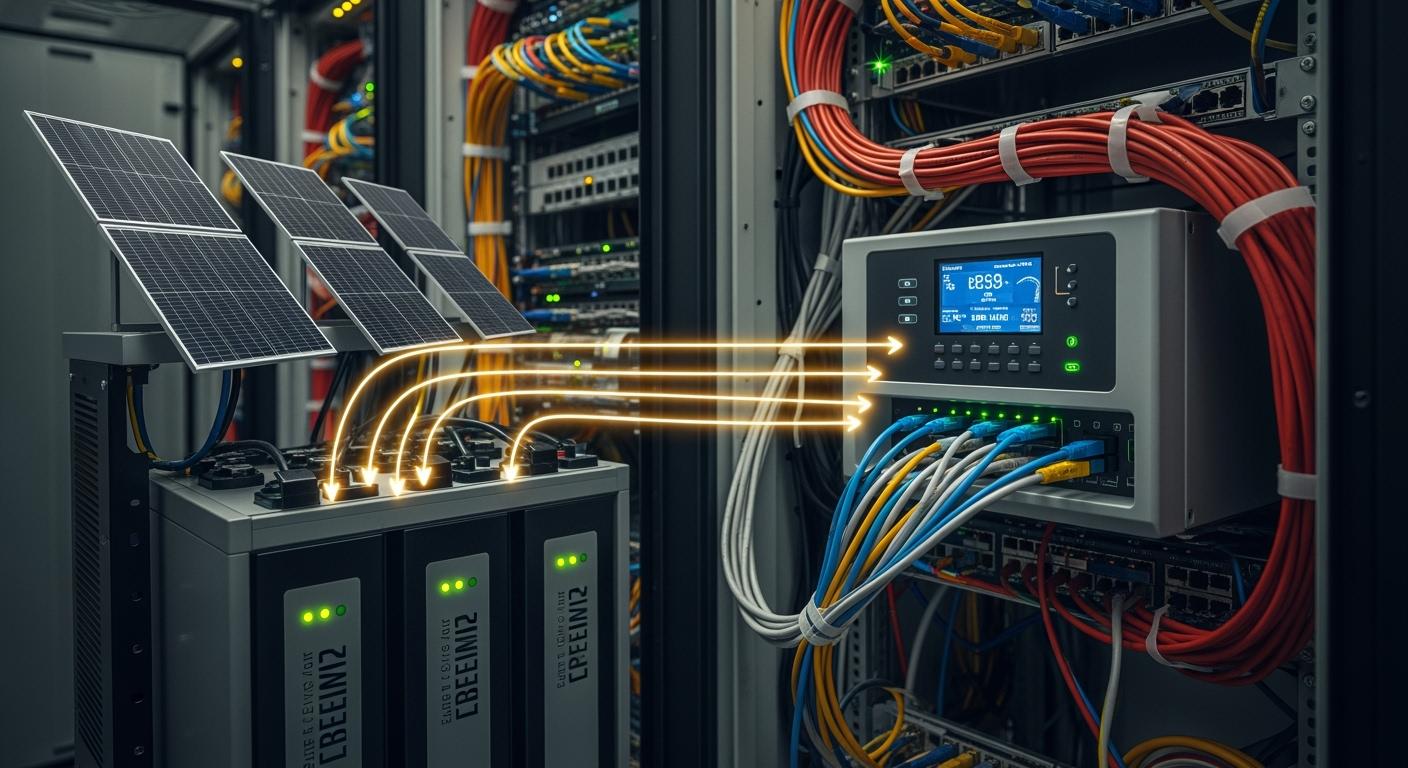
You need dependable power for your telecom cabinets. Intelligent power management ensures you get efficiency and reliability. Real-time monitoring lets you track energy use and optimize it. Remote management reduces downtime by detecting faults early. Advanced safety features protect your equipment. The Smart Power Distribution Unit from ESTEL meets international standards, including FCC Part 15 Class A, TUVus, and IEC 62368. These certifications guarantee safety and performance for global telecom deployments.
Feature | Benefit |
|---|---|
Real-time monitoring | Enables tracking of energy consumption and optimization of usage. |
Remote management | Facilitates proactive fault detection and reduces downtime. |
Advanced safety features | Protects equipment from overload and environmental threats. |
Energy efficiency improvement | Reduces operational costs and enhances overall performance. |
Key Takeaways
Smart Power Distribution Units (PDUs) enhance telecom cabinet reliability through real-time monitoring and surge protection.
Adaptive matching allows power supplies to adjust to changing demands, ensuring efficient energy use and reducing operational costs.
Remote management tools enable you to monitor and control your telecom cabinets from anywhere, minimizing downtime and maintenance visits.
Integrating renewable energy sources in microgrids boosts reliability and sustainability, helping reduce carbon emissions significantly.
Using intelligent power control technologies optimizes energy consumption, ensuring your telecom network runs smoothly and efficiently.
Adaptive Matching in Telecom Cabinets
What Is Adaptive Matching
You need your telecom cabinet to handle changing power demands. Adaptive matching means the power supply adjusts to what your equipment needs at any moment. This process uses smart systems to balance the energy coming in with the energy your devices use. You get a stable and efficient power supply, even when your network load changes.
Modern telecom cabinets use advanced technology to achieve adaptive matching. These systems include modular rectifier designs, energy efficiency features, and real-time monitoring. The table below shows how these technical mechanisms work together to support adaptive matching:
Feature | Description |
|---|---|
Modular Rectifier Designs | Allows for scalability and easy upgrades without system disruption. |
Energy Efficiency Features | Includes intelligent load sharing and adaptive cooling mechanisms to enhance overall efficiency. |
Advanced Monitoring Capabilities | Provides real-time insights into system performance, helping to identify issues early. |
Compatibility with Renewable Energy | Ensures rectifiers can adapt to intermittent power inputs from sources like solar or wind. |
IoT-Enabled Monitoring | Tracks critical metrics such as voltage and temperature, preventing costly downtime. |
You benefit from these features because they help your cabinet stay reliable and efficient. The Smart Power Distribution Unit plays a key role by distributing power intelligently and supporting remote management.
Why Adaptive Power Matters
You face many challenges when managing telecom cabinets. Power needs can change quickly, and equipment must keep running without interruption. Adaptive power solutions help you solve these problems by adjusting to real-time demands.
Here are some common challenges and their impact on your operations:
Challenge | Impact on Operations |
|---|---|
Budget planning becomes critical | |
Complex Setup | Requires skilled technicians |
Maintenance Needs | Increases workload |
Space Limitations | May restrict upgrades |
Integration Issues | Can delay deployment |
You can see that adaptive power systems help you manage these challenges. They make your network more flexible and reliable. You save time and reduce costs by using smart solutions that adjust to your needs. When you use adaptive matching, you prepare your telecom cabinet for future growth and new energy sources.
Smart Power Distribution Unit in Telecom Cabinets
Key Features of ESTEL’s Smart PDU
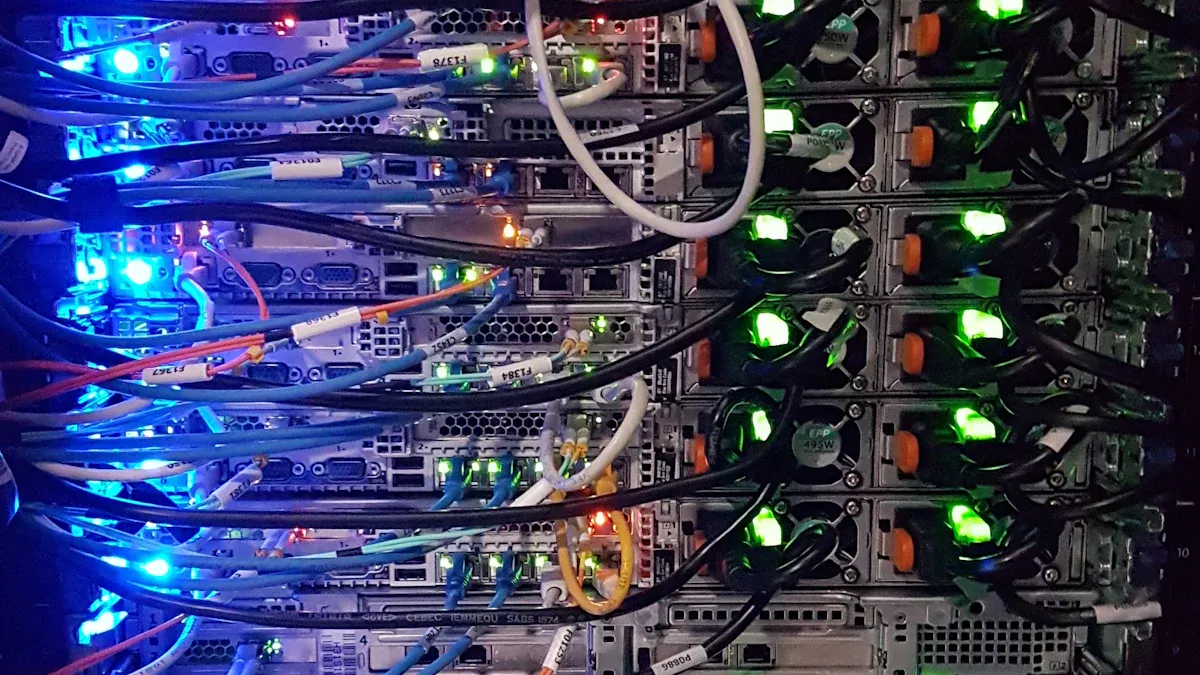
You need a power solution that goes beyond basic distribution. ESTEL’s Smart Power Distribution Unit brings advanced features that set it apart from traditional PDUs. You get more than just outlets—you gain a system designed for reliability, safety, and efficiency.
Feature/Benchmark | Description |
|---|---|
Outlet-level power monitoring detects issues and helps balance loads. | |
User Interface | Rich, color matrix LCD display makes navigation and monitoring simple. |
Connectivity Options | Redundant network connections and wireless support ensure reliable access. |
You also benefit from surge protection, which shields your equipment from lightning strikes and power surges. The Smart Power Distribution Unit responds quickly to surges, keeping residual voltage low and protecting sensitive devices. You can set your own alerts for current and voltage thresholds, so you always know when something needs attention.
Feature | Description |
|---|---|
Lightning Protection | Guards against lightning and surges, ensuring equipment safety. |
Fast Response Times | Minimizes damage by reacting instantly to power surges. |
Low Residual Voltage | Keeps voltage safe after a surge, protecting your devices. |
User-Definable Alerts | Lets you set custom alerts for overload risks. |
Intelligent Monitoring | Tracks equipment status in real time to prevent downtime. |
The dehumidifying function is another key advantage. Moisture can cause corrosion and short circuits inside telecom cabinets. The Smart Power Distribution Unit prevents moisture buildup, which extends the life of your equipment and keeps your network running smoothly.
Remote Management and Safety
You want to manage your telecom cabinets without being on-site all the time. ESTEL’s Smart Power Distribution Unit gives you remote management tools that make this possible. You can monitor, diagnose, and adjust settings from anywhere. This reduces the need for frequent site visits and lowers your maintenance costs.
Evidence Description | Benefit |
|---|---|
Continuous monitoring and fast notifications | Protects your equipment from failures and enhances operational safety. |
Remote management capabilities | Cuts down on site visits, saving time and money. |
Fast alarm acknowledgment | Reduces response times from over 1,800 minutes to under one minute. |
Predictive solutions | Helps you stay ahead of problems and avoid downtime. |
Monitoring of environmental factors | Detects hazards early, so you can act quickly and reduce risks. |
You get real-time alerts for temperature, humidity, and other environmental factors. This means you can take action before small issues become big problems. Maintenance teams can troubleshoot and repair issues up to 40% faster, which keeps your network reliable and your customers satisfied.
Intelligent Power Control
You need a system that adapts to changing demands. ESTEL’s Smart Power Distribution Unit uses intelligent power control technologies to help you manage energy efficiently.
You can measure, manage, and report energy usage in real time. This helps you optimize energy consumption and reduce waste.
You can schedule power cycling for unused equipment remotely, which saves energy and lowers costs.
The system sends proactive notifications if it detects potential issues, such as overloads, so you can fix them before they cause downtime.
You also benefit from intelligent monitoring systems that track environmental conditions. These systems ensure your equipment operates within safe parameters. Load balancing features distribute power evenly, which minimizes the risk of overloads and unexpected shutdowns. Hot-swappable components allow you to perform maintenance without shutting down the system, so your power distribution stays continuous.
The Smart Power Distribution Unit supports adaptive power management. You get a reliable, efficient, and safe power supply for your telecom cabinets. This technology helps you meet the demands of modern telecom networks and prepares you for future growth.
Microgrid Coordination for New Energy

Microgrid Basics
You can think of a microgrid as a small, local energy system that brings together different power sources and storage. It works independently or with the main grid. In telecom infrastructure, a microgrid helps you keep your equipment running, even if the main power supply fails. You get more control over your energy use and can add new energy sources as needed.
Here is a table that shows the main parts and functions of a microgrid in telecom:
Component/Function | Description |
|---|---|
Distributed Energy Resources (DER) | Includes renewable (solar, wind) and conventional (diesel, gas) energy sources. |
Energy Storage Systems | Primarily battery storage for managing excess electricity and peak demand. |
Energy Management System (EMS) | Manages energy resources to ensure stable supply and optimize usage. |
Distribution Network | Transmits electricity from generation to end users, including transformers and transmission lines. |
Control and Communication System | Ensures data transmission and coordination among devices for stable operation. |
Interfaces and Switching Devices | Connects the microgrid to the main grid, allowing for mode switching to ensure continuous supply. |
Improving Energy Reliability | Operates independently during main grid failures, ensuring power supply to critical areas. |
Promoting Renewable Energy Use | Integrates renewable sources, reducing fossil fuel reliance and carbon emissions. |
Optimizing Costs and Efficiency | Reduces peak load demands and lowers energy costs through intelligent management. |
Enhancing Grid Flexibility | Allows adjustments to power supply based on demand, reducing stress on the main grid. |
Increasing Energy Security and Independence | Utilizes local generation and storage to enhance security and reduce dependence on the main grid. |
Providing Backup Power in Emergencies | Can switch to off-grid mode during emergencies to maintain power for critical infrastructure. |
Integrating Multiple Energy Sources
You can boost the reliability of your telecom cabinet by using different energy sources in your microgrid. Many telecom microgrids use solar panels and hybrid systems that run on renewable fuels like hydrotreated vegetable oil. You also see battery energy storage systems, such as Lithium Iron Phosphate and Nickel-Hydrogen batteries, which store extra power and release it when needed. These batteries give you safe, long-lasting energy storage. By combining these sources, you make sure your telecom site stays powered, even when one source is unavailable.
Stability and Efficiency for Telecom
You want your telecom network to stay online without interruption. Microgrids help you reach this goal by making your power supply more stable and efficient. When you add distributed energy resources, you get several benefits:
Benefit | Description |
|---|---|
Faster Installation | You can set up distributed energy resources more quickly. |
Reduced Energy Losses | You lose less energy during transmission. |
Enhanced Reliability | Your telecom microgrid delivers a more reliable energy supply. |
You can trust ESTEL to integrate these advanced microgrid solutions into your telecom infrastructure. ESTEL’s experience ensures that your system works smoothly with the Smart Power Distribution Unit, giving you a dependable and efficient power supply for your telecom cabinets.
Smart PDU and Microgrid Synergy
Real-Time Communication
You need your telecom cabinet to respond instantly to changes in power demand. Real-time communication between the Smart Power Distribution Unit and the microgrid makes this possible. Sensors collect data on voltage, current, temperature, and humidity. The system sends this information to a central controller. You can monitor every detail from a remote location. This setup helps you spot problems before they cause downtime.
You benefit from fast data exchange. The Smart Power Distribution Unit shares status updates with the microgrid controller. If a surge or drop in power happens, the system reacts right away. You do not have to wait for manual checks. This level of automation keeps your telecom equipment safe and running smoothly.
Tip: Real-time alerts let you act quickly. You can prevent equipment failures and reduce maintenance costs.
Adaptive Load Balancing
You want your telecom cabinet to use energy efficiently, even when demand changes. Adaptive load balancing helps you reach this goal. The system uses advanced algorithms to analyze real-time data. Artificial intelligence and machine learning predict how much power your equipment will need. The system adjusts power distribution to match these predictions.
You also see optimization-based allocation algorithms at work. These algorithms break down complex power allocation tasks into simple steps. Convex optimization techniques, such as successive convex approximation, improve energy efficiency and throughput. The Hungarian algorithm helps balance loads in networks with different types of equipment.
Here is a summary of the main technologies used for adaptive load balancing:
AI and machine learning analyze data and predict demand.
Optimization-based allocation algorithms manage power distribution.
Convex optimization techniques improve efficiency.
The Hungarian algorithm balances loads in complex networks.
You get a stable power supply and avoid overloads. The Smart Power Distribution Unit works with the microgrid to shift loads automatically. This means your telecom cabinet stays reliable, even during peak usage or when switching between energy sources.
ESTEL Case Example
You can see the benefits of this synergy in a real-world example. A telecom operator in a remote region needed a reliable power supply for outdoor cabinets. The site used solar panels, batteries, and grid power. ESTEL provided a Smart Power Distribution Unit and a coordinated microgrid solution.
The system monitored energy from all sources. When solar output dropped, the microgrid switched to battery power. The Smart Power Distribution Unit balanced the load across all devices. If a surge occurred, the unit responded instantly to protect sensitive equipment. Remote management allowed the operator to monitor performance and adjust settings without visiting the site.
The result was impressive:
Benefit | Outcome |
|---|---|
Reduced Downtime | Network stayed online during power changes |
Lower Maintenance Costs | Fewer site visits and faster repairs |
Improved Energy Efficiency | Less wasted power and lower operating costs |
Enhanced Equipment Safety | No damage from surges or overloads |
You can trust ESTEL’s solutions to deliver adaptive matching, reliability, and efficiency. The combination of a Smart Power Distribution Unit and microgrid coordination prepares your telecom cabinet for the future.
Benefits and Challenges
Reliability and Efficiency Gains
You want your telecom cabinets to run smoothly and efficiently. When you use ESTEL’s Smart Power Distribution Unit and microgrid solutions, you see real improvements in reliability and energy savings. Many telecom operators report that hybrid solar PV systems help reduce CO2 emissions by up to 55%. As 5G networks grow, this reduction could reach 58%. You also save money. For example, switching to solar energy helped MTN South Sudan cut fuel costs by 30%. These solutions support environmental sustainability, which means you help protect the planet while keeping your network strong.
Benefit | Description |
|---|---|
CO2 Emission Reduction | Hybrid solar PV systems can reduce CO2 emissions by 55%, with potential for 58% as 5G expands. |
Cost Savings | Solar energy adoption can lead to significant cost savings, such as a 30% reduction in fuel costs. |
Environmental Sustainability | Solar solutions support global sustainability and energy efficiency goals. |
Overcoming Integration Challenges
You may face challenges when adding smart PDUs and microgrids to your telecom infrastructure. One common issue is compatibility with older systems. Upgrading can require extra investment and specialized skills. You might worry about downtime or budget limits. These challenges can slow down your progress. You need solutions that work with your current setup and do not interrupt your service.
Note: Careful planning and expert support help you overcome these hurdles. You can upgrade your network without risking performance.
ESTEL’s Approach
You benefit from ESTEL’s practical approach to integration. ESTEL designs its Smart Power Distribution Unit and microgrid systems to work together as a unified ecosystem. You get real-time monitoring, remote management, and environmental tracking. Smart sensors keep you informed about temperature and humidity. The system sends alerts if power usage crosses safe limits. This setup helps you prevent problems before they affect your network.
Feature | Benefit |
|---|---|
Real-time monitoring | Enhances operational efficiency |
Remote management | Reduces downtime |
Environmental monitoring | Supports sustainability goals |
Integration with SmartSensors | Tracks temperature and humidity |
Alerts for power usage | Notifies you before issues arise |
Unified ecosystem | Lowers energy costs and boosts reliability |
You can trust ESTEL to deliver solutions that fit your needs and help you manage your telecom cabinets with confidence.
You gain adaptive, efficient, and reliable power for your telecom cabinets with ESTEL’s Smart Power Distribution Unit and microgrid coordination. ESTEL leads the industry by ensuring uninterrupted supply, energy efficiency, and sustainability:
Feature/Benefit | Description |
|---|---|
Reliability | Ensures uninterrupted power for telecom infrastructure in all conditions. |
Energy Efficiency | Uses advanced management for optimal renewable energy usage. |
Sustainability | Supports renewable integration and reduces carbon footprint. |
Future trends you should watch include:
AI-enhanced microgrid control for smarter energy distribution
Real-time monitoring and predictive maintenance
Seamless integration with renewable sources
Microgrids as essential parts of smart grid architecture
You stay prepared for tomorrow’s telecom challenges with ESTEL’s ongoing innovation.
FAQ
How does ESTEL’s Smart Power Distribution Unit improve telecom cabinet reliability?
You get real-time monitoring, surge protection, and remote management. These features help you prevent downtime and protect your equipment. The Smart PDU keeps your telecom cabinet running smoothly in all conditions.
Can you manage ESTEL’s Smart PDU remotely?
Yes, you can control and monitor the Smart PDU from anywhere. You receive alerts for power issues and environmental changes. Remote management helps you reduce site visits and respond quickly to problems.
What types of energy sources can the microgrid integrate?
You can connect solar panels, wind turbines, batteries, and traditional grid power. The microgrid coordinates these sources to ensure stable and efficient energy supply for your telecom cabinet.
Is the Smart PDU compatible with older telecom systems?
You can install ESTEL’s Smart PDU in most existing telecom cabinets. The unit supports standard connections and protocols. You may need minor adjustments for full integration with legacy equipment.
See Also
Telecom Cabinets Powered By Photovoltaic Energy Storage Solutions
Smart Energy Storage Systems For Telecom Cabinets With Microgrid
Ensuring A Consistent Power Supply For Telecom Cabinets
Photovoltaic Inverter And Battery Systems For Telecom Power Needs
Calculating Power Systems And Battery Needs For Telecom Cabinets
CALL US DIRECTLY
86-13752765943
3A-8, SHUIWAN 1979 SQUARE (PHASE II), NO.111, TAIZI ROAD,SHUIWAN COMMUNITY, ZHAOSHANG STREET, NANSHAN DISTRICT, SHENZHEN, GUANGDONG, CHINA
