Modular Hot-Swap Design of Smart PDUs: Fault-Tolerant Mechanism Ensuring Uninterrupted Power with Single-Module Failure


You experience uninterrupted power when a single module fails, thanks to the modular hot-swap design in the Smart Power Distribution Unit. This reliability matters in telecom and data center environments, where operational continuity protects critical systems. ESTEL leads with innovative, fault-tolerant power solutions. You benefit from advanced technology that ensures your equipment stays powered, even during maintenance or unexpected events.
Key Takeaways
The modular hot-swap design allows you to replace faulty power modules without shutting down your system, ensuring continuous operation.
Implementing redundancy strategies like N+1 or 2N+1 enhances reliability, providing backup power sources to minimize downtime.
Real-time monitoring and intelligent control systems help you track power usage and respond quickly to issues, reducing unplanned outages.
The Smart Power Distribution Unit supports easy scalability, allowing you to add or upgrade modules as your power needs grow without disrupting operations.
Regular maintenance and proactive monitoring can lead to significant cost savings, reducing downtime and energy waste while improving overall efficiency.
Hot-Swap Power Continuity
Fault-Tolerant Design Overview
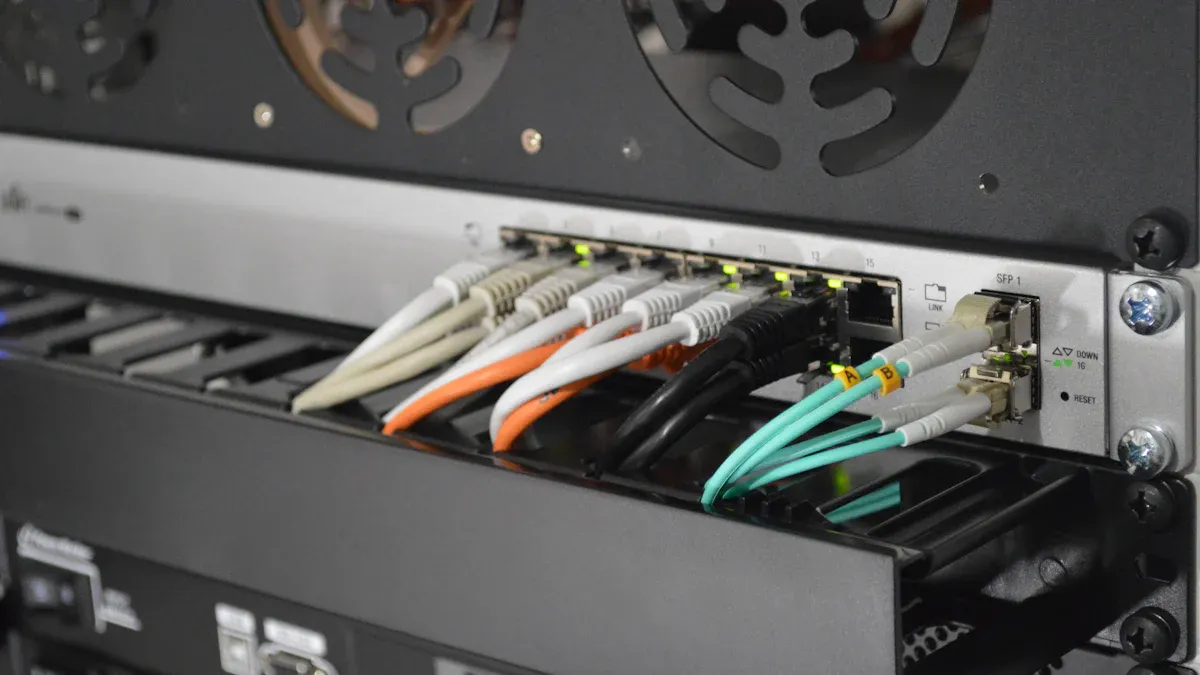
You rely on continuous power for your critical systems. A fault-tolerant design in a Smart Power Distribution Unit makes this possible. Industry standards recommend several strategies to ensure power remains stable, even if one part fails.
N+1: You get one extra backup module for every essential system. This means if one module fails, a spare takes over instantly.
2N: You benefit from a fully independent second power path. Each path can supply all the power your equipment needs.
2N+1: You receive two independent power paths plus an extra spare module. This setup provides the highest level of redundancy.
Component Type | Description |
|---|---|
N+1 | One extra backup component for every essential system (e.g., 4 UPS modules, 1 spare). |
2N | A fully independent second power path (e.g., two utility feeds, separate UPS and generators). |
2N+1 | Two independent power paths with an extra spare component for fault tolerance. Rated-4 data centers must have a fully redundant 2N+1 design to guarantee uptime even if one power path fails. |
Automated transfer switches and static transfer switches play a key role. These devices switch between power sources without delay. You avoid downtime because the system isolates electrical circuits, preventing one fault from affecting the rest.
Module Failure Response
You do not need to worry when a module fails. The Smart Power Distribution Unit uses advanced monitoring systems to detect problems quickly. Intelligent control platforms watch each module in real time. If a fault appears, the system isolates the faulty module and reroutes power through healthy modules.
You see this in action when a circuit breaker or protective relay responds instantly. The system contains the fault, so your equipment keeps running. You do not experience interruptions, even during maintenance or unexpected failures. This approach meets Tier III standards for reliability, which many data centers and telecom sites require.
ESTEL’s Approach
ESTEL designs each Smart Power Distribution Unit with these fault-tolerant principles. You benefit from modular hot-swap capability. You can replace a failed module without shutting down the system. The unit’s intelligent monitoring and automated diagnostics ensure you always know the status of each module.
In a telecom base station, you might see a technician swap out a power module while the rest of the system continues to operate. In a data center, you can perform maintenance on one power path while the other path supplies uninterrupted power to your servers. These real-world examples show how you maintain uptime and protect your critical operations with ESTEL’s solutions.
Tip: You can schedule routine maintenance without planning for downtime. The modular design and hot-swap features keep your network or data center running smoothly.
Smart Power Distribution Unit Architecture
Modular System Features
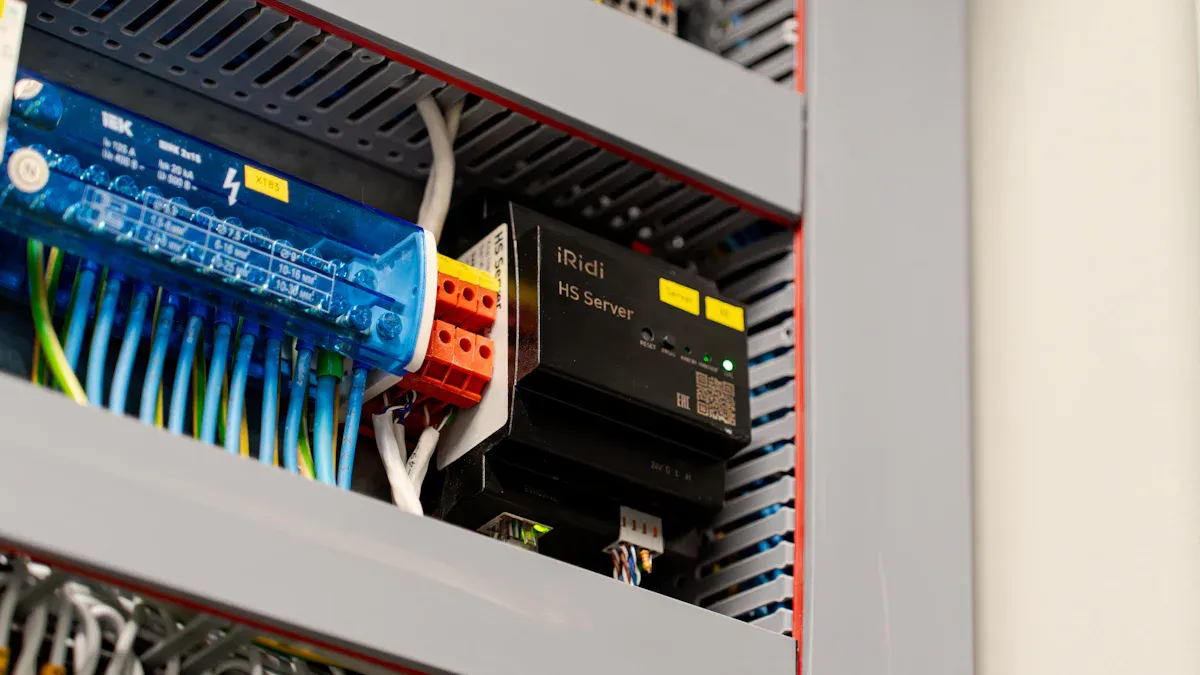
You gain reliability and flexibility when you use a modular system. The Smart Power Distribution Unit from ESTEL uses a modular design that brings several advantages:
Redundant power inputs and outputs keep your equipment running, even if one source fails.
Automatic transfer switching ensures your devices always receive power, reducing the risk of outages.
Surge protection shields your sensitive electronics from voltage spikes.
The dehumidifying function maintains optimal conditions, which helps prevent moisture-related failures.
You can add or replace modules without shutting down the system, which means you avoid costly downtime.
These features work together to provide a stable and safe power environment for your telecom or data center operations.
Intelligent Control & Monitoring
You can manage your power distribution more efficiently with intelligent control and monitoring. The Smart Power Distribution Unit includes advanced features that give you real-time insights and control:
Feature | Description |
|---|---|
You can control outlets and balance loads from anywhere. | |
Real-time Monitoring | You track power usage, voltage, and current to optimize efficiency. |
Advanced Power Quality Monitoring | You receive actionable insights to improve power management. |
You receive alerts and notifications if something goes wrong. This rapid response reduces unplanned downtime by up to 25% and cuts service interruptions by 40%. You can identify and fix problems quickly, often before they affect your operations.
Scalability and Flexibility
You can easily expand your power system as your needs grow. The modular design of the Smart Power Distribution Unit supports upgrades and changes without disrupting your work. Here is how this benefits you:
Feature | Description |
|---|---|
Scalability | You add modules as your power requirements increase. |
Customization | You tailor the system to fit your specific needs. |
Reduced Downtime | You perform maintenance or upgrades without stopping operations. |
Energy Efficiency | You save on energy costs with efficient load balancing and smart controls. |
You future-proof your infrastructure and keep operational costs low. You also ensure your power distribution adapts to new technologies and higher demands.
Maintenance & Redundancy Benefits
Hot-Swap Maintenance Process
You can perform maintenance on your power system without shutting down your equipment. Hot-swap maintenance lets you replace or upgrade components while the system stays online. This process uses maintenance bypass switches, which allow utility power to flow directly to your devices during service. You avoid downtime and keep your operations running smoothly.
You replace faulty modules without interrupting power.
Maintenance bypass switches let you work on the system while utility power continues to supply your load.
You maintain continuous power, even when replacing a UPS or other critical component.
This approach saves you time and reduces the risk of outages during routine maintenance.
Redundant Power Supply
You gain extra protection with redundancy features built into your power system. The Smart Power Distribution Unit uses advanced redundancy to ensure continuous power. You can see the main features and their benefits in the table below:
Feature | Description |
|---|---|
Redundant Power Supplies | Provide a backup source of power to minimize downtime if one source fails. |
Dual-Source PDUs | Utilize two independent power sources and automatically switch between them when one fails. |
High Uptime Availability | Designed to maintain an industry standard of 99.999% uptime availability for continuous power. |
You can compare dual input PDUs with single input PDUs to understand the difference:
Feature | Dual Input PDUs | Single Input PDUs |
|---|---|---|
Reliability | Enhanced reliability with two power sources | Limited reliability with one power source |
Downtime Minimization | Automatically switches to secondary source | No automatic switch, potential downtime |
Ideal Use Case | Critical applications needing uninterrupted power | Non-critical setups |
Zero Downtime Operations
You benefit from zero downtime operations in real-world scenarios. In a telecom site, you can swap a power module without affecting network traffic. In a data center, you perform maintenance while servers stay online. These capabilities lead to measurable business improvements.
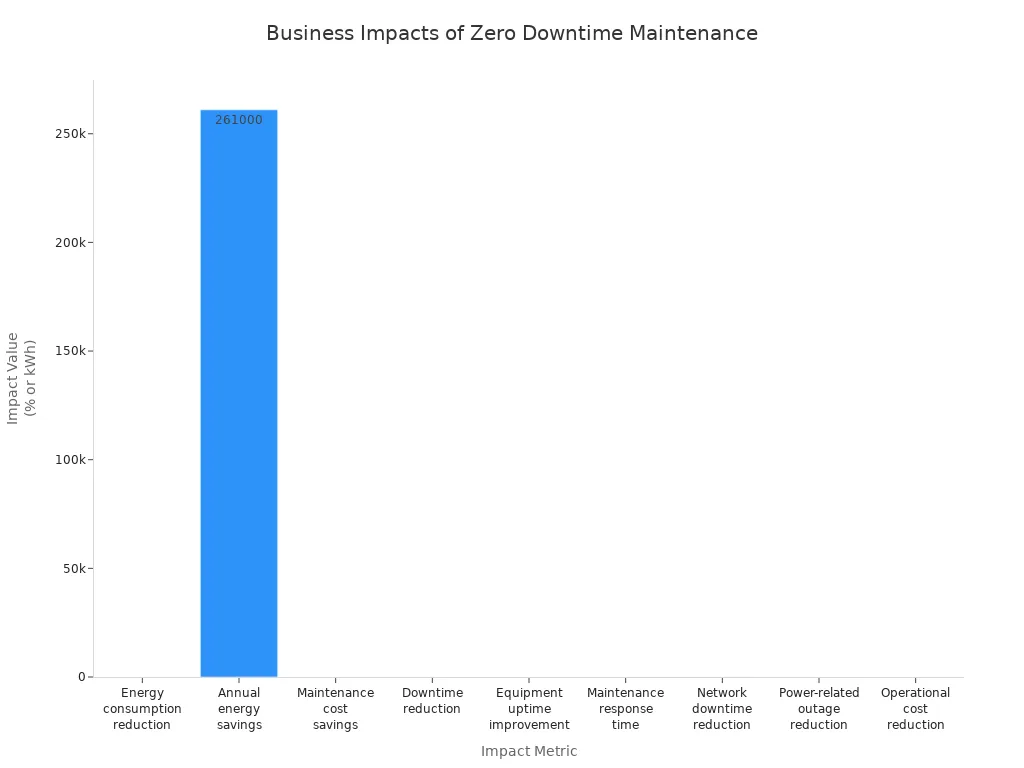
You can achieve up to 20% energy savings and reduce maintenance costs by 40%. Downtime drops by as much as 30%, and you see up to 20% improvement in equipment uptime. Maintenance response times become 40% faster, and you experience up to 40% fewer power-related outages. These benefits help you lower operational costs and keep your critical systems running.
Implementation & Value
Simplified Operations
You simplify your daily operations when you use a Smart Power Distribution Unit. The modular hot-swap design means you do not need to power down equipment for maintenance or upgrades. Your staff learns new protocols for installation, monitoring, and maintenance. Training covers modular handling, real-time monitoring, and load balancing. You also integrate the unit with DCIM software for centralized management. Security controls and regular firmware updates keep your system safe and up to date.
Staff learn to handle modular components safely.
You monitor power loads in real time.
Centralized management streamlines your workflow.
Regular updates protect your infrastructure.
Cost Efficiency
You see real savings when you switch to intelligent power distribution. Intelligent spare part reminders reduce maintenance costs by up to 30%. This proactive approach minimizes downtime by 15% and brings total cost savings of up to 20%. You also cut energy waste by 20%. Operators report up to a 30% drop in energy use and a 40% reduction in CO2 emissions. High-efficiency rectifiers lower power loss by as much as 75%.
Benefit | Improvement |
|---|---|
Lower maintenance costs | 30% |
Downtime reduction | 15% |
Cost savings | Up to 20% |
Over five years, you offset the initial investment with lower operational costs, fewer maintenance needs, and easy scalability.
Deployment Recommendations
You ensure a smooth deployment by following best practices. Start by preparing the cabinet and clearing debris. Verify dimensions before mounting the unit securely. Connect the Smart Power Distribution Unit to the primary power source and distribute power using labeled cables. Test the system to confirm consistent power delivery. Conduct routine preventative maintenance and annual testing of switches and breakers. Monitor power metrics daily and set alerts for unusual consumption. Regular performance checks help you spot energy waste early.
Tip: Accurate load calculation and continuous monitoring prevent overloading and compatibility issues.
You gain a reliable, efficient, and future-ready power solution for your telecom or data center environment.
You gain many advantages with ESTEL’s modular hot-swap Smart Power Distribution Unit.
Track energy use and manage power remotely for better efficiency.
Rely on enhanced reliability and surge protection for uptime.
Upgrade or replace components easily as your needs change.
Save costs by scaling your system as you grow.
Feature | Description |
|---|---|
Remote Monitoring and Management | Access real-time data and optimize performance from anywhere. |
Integration with DCIM Software | Centralize power usage data for efficient management. |
Explore more technical details and resources on the ESTEL website.
FAQ
How does hot-swap technology prevent downtime?
You can replace a faulty module while the system stays online. The Smart Power Distribution Unit reroutes power instantly. Your equipment keeps running without interruption.
Can you monitor the Smart PDU remotely?
Yes. You access real-time data and control power distribution from any location. The system sends alerts for faults or unusual activity.
What safety features protect your equipment?
You get surge protection, dehumidifying functions, and automated fault isolation. These features shield your devices from electrical hazards and environmental risks.
Is the Smart PDU suitable for outdoor telecom sites?
Yes. The robust design withstands harsh conditions. You can use it in remote roads, mountains, or challenging environments with confidence.
See Also
Ensuring Consistent Power Supply for Telecom Equipment Cabinets
Understanding ESTEL PDUs and Their Importance in Data Centers
Integrating Grid-Connected Inverters and Batteries in Telecom Cabinets
Utilizing Photovoltaic Energy Storage Systems in Telecom Cabinets
Enhancing Outdoor Cabinet Efficiency with Power and Cooling Solutions
CALL US DIRECTLY
86-13752765943
3A-8, SHUIWAN 1979 SQUARE (PHASE II), NO.111, TAIZI ROAD,SHUIWAN COMMUNITY, ZHAOSHANG STREET, NANSHAN DISTRICT, SHENZHEN, GUANGDONG, CHINA
