Adaptation of Smart Power Distribution Units for Offshore Communication Platforms: Corrosion Resistance and Stable Operation in High-Salinity Environments

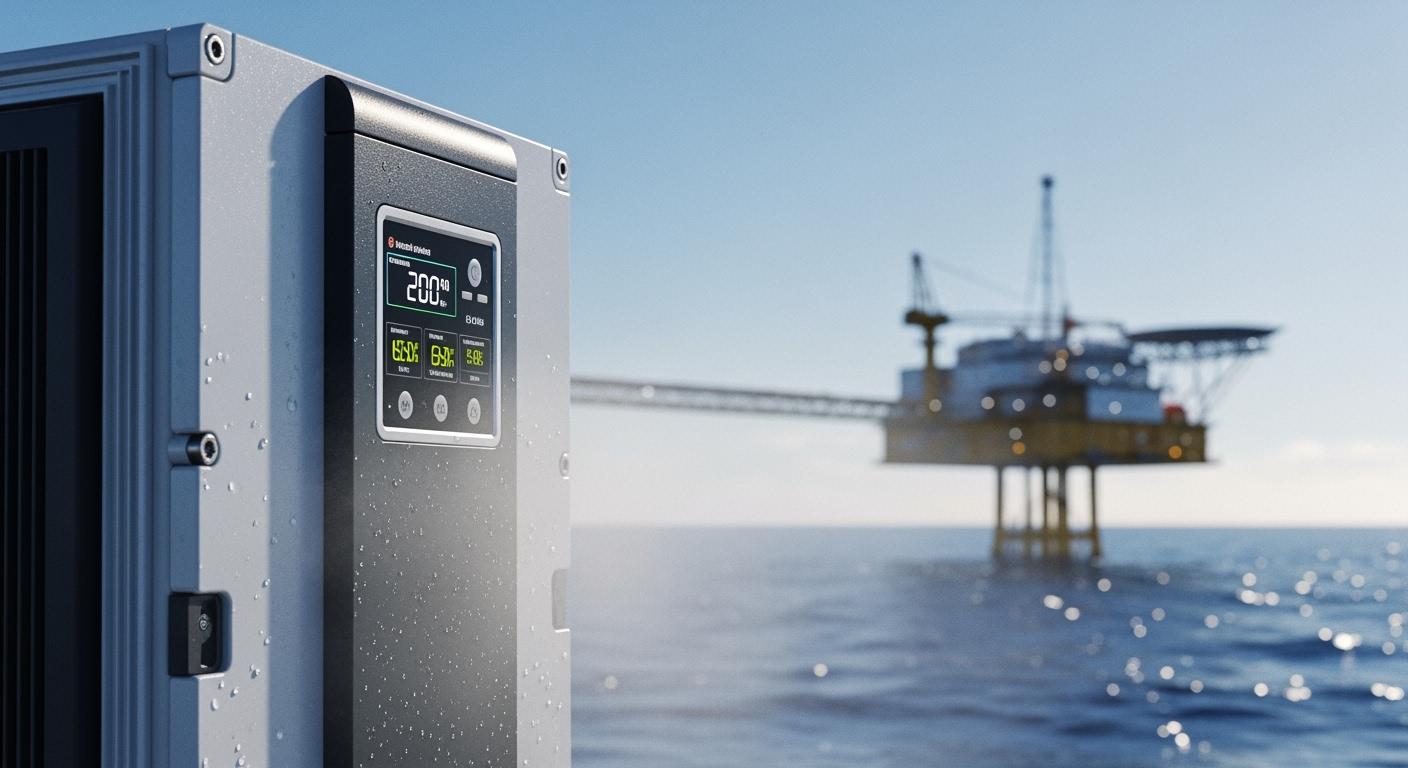
You face demanding conditions when you deploy electrical systems on offshore communication platforms. Salt-laden air increases corrosion risks, threatening the integrity of your equipment. High humidity and constant exposure to harsh elements put stability at risk. You need a Smart Power Distribution Unit that resists corrosion and operates reliably. ESTEL draws on years of experience to deliver robust solutions that maintain performance in these environments.
Key Takeaways
Corrosion is a major threat to offshore equipment. Use marine-grade materials and protective coatings to enhance durability.
Regular maintenance is crucial. Schedule inspections and cleaning to prevent salt buildup and extend the life of your Smart Power Distribution Unit.
Implement remote monitoring systems. These tools help you track humidity and temperature, allowing for early detection of potential issues.
Choose Smart Power Distribution Units with redundancy features. This ensures reliable operation even if one component fails.
Select units designed for high ingress protection. This feature helps keep your equipment safe from harsh offshore conditions.
Offshore Environment Challenges

Corrosion Risks in High-Salinity Areas
You face unique threats when you install equipment on offshore platforms. Salt in the air speeds up corrosion, which can damage metals and electronic parts quickly. This process affects not only the outside of your equipment but also the internal components. Here are some of the most common environmental challenges you will encounter:
Salinity accelerates corrosion of metals and equipment.
Salt can clog filters, reducing airflow and cooling efficiency.
HVAC components degrade faster, lowering system performance.
Salt aerosols harm indoor air quality, making filtration and ventilation essential.
Fluctuating temperatures and confined spaces put extra strain on HVAC systems.
Corrosion comes in many forms. The table below shows the types you may see on offshore platforms:
Type of Corrosion | Description |
|---|---|
Uniform Corrosion | Metal thins evenly or gets a uniform layer of corrosion. |
Galvanic Corrosion | Two different metals touch in a salty environment, causing one to corrode faster. |
Crevice Corrosion | Forms in small gaps, often much faster than uniform corrosion. |
Pitting Corrosion | Creates deep, narrow holes, especially in stainless steel. |
Intergranular Corrosion | Moves along grain boundaries, which can cause sudden failure. |
Stress Corrosion Cracking | Cracks form under tension in a corrosive setting, leading to unpredictable failures. |
Impact on Power Distribution Reliability
Corrosion does more than just weaken metal. It can cause your Smart Power Distribution Unit to lose reliability over time. Localized pitting and cumulative damage compromise the structure and function of your equipment. You need to manage these risks to keep your systems running. Maintenance and advanced corrosion models help extend the service life of your units. Corrosion is not a simple process; it can reduce reliability in ways that are hard to predict.
Evidence Description | Impact on Reliability and Lifespan |
|---|---|
Corrosion leads to localized pitting and damage | Weakens structural integrity over time |
Maintenance and advanced models are essential | Help manage risks and extend service life |
Corrosion is a non-linear, non-uniform process | Makes reliability harder to maintain |
Maintenance and Accessibility Issues
You will find that maintaining offshore equipment is much harder than on land. Harsh weather, remote locations, and constant exposure to saltwater make regular maintenance a challenge. Equipment ages faster, and spare parts may be hard to find. High costs and the need for skilled technicians add to the difficulty. You must also follow strict safety rules and regulations.
Category | Description |
|---|---|
Environmental Challenges | Harsh conditions, remote sites, and saltwater corrosion |
Equipment-Related Challenges | Aging parts, wear, and lack of spares |
Operational & Financial | High failure costs and expensive maintenance |
Workforce & Strategy | Need for skilled staff and proactive maintenance |
Accessibility issues make things even tougher. Offshore wind farms and platforms face high temperatures, humidity, and salt fog, which increase the risk of failure. Maintenance teams often work far from each other, making access difficult. Risks like falling, drowning, and electric shock are higher due to poor accessibility. These factors reduce how often you can perform maintenance and how effective it will be.
Corrosion Resistance Strategies for Smart Power Distribution Unit
Material Selection and Protective Coatings
You need to choose the right materials to protect your Smart Power Distribution Unit from corrosion in offshore environments. Marine-grade stainless steel offers strong resistance to rust and keeps moisture away from internal components. Aluminum gives you a lightweight option that resists corrosion and supports sustainability goals. Polycarbonate and marine-grade plastics provide excellent protection against saltwater, UV radiation, and chemical exposure. Advanced coatings, including nanotechnology-based and ceramic-reinforced layers, add another level of defense.
Material | Key Properties | Applications |
|---|---|---|
Marine-grade stainless steel | Exceptional resistance to rust, high strength, non-porous nature | Protects internal components from moisture in marine and industrial settings. |
Aluminum | Lightweight, corrosion-resistant, cost-effective, often anodized or coated | Used in portable and solar-powered applications. |
Polycarbonate | Excellent resistance to saltwater, UV radiation, and chemical exposure | Offers design versatility for residential, commercial, and recreational settings. |
Marine-grade plastics | Lightweight, customizable, resistant to environmental factors | Used for electrical insulation and impact resistance. |
Advanced coatings | Nanotechnology-based, ceramic reinforcements, multi-layered assemblies | Enhances corrosion resistance and mechanical strength. |
Protective coatings play a vital role in extending the life of your equipment. Anti-corrosive powder coatings shield metals from aggressive environments. These coatings are eco-friendly and improve corrosion resistance, which is essential for units exposed to high salinity. Innovations in nanocomposite coatings and bio-based polymers also boost durability and support environmental sustainability. Self-healing smart coatings, such as those with graphene-based nanocomposite matrices, repair minor damage and further increase resistance to corrosion.
ESTEL uses advanced materials and anti-corrosion powder coatings in its Smart Power Distribution Unit. These features help you maintain reliable operation even in the harshest offshore conditions.
Enclosure Design and Sealing Methods
You must focus on enclosure design to keep saltwater and moisture out of your Smart Power Distribution Unit. Waterproof connectors rated for IP68 or IP69K prevent ingress and resist salt corrosion. Marine-grade materials ensure durability and long service life. Robust sealing techniques, such as o-ring seals and epoxy seals, block moisture entry and protect sensitive electronics.
Feature | Description |
|---|---|
Waterproof Connectors | Prevent ingress; rated for IP68 or IP69K; resist salt corrosion. |
Marine-Grade Materials | Withstand harsh marine environments; ensure durability and longevity. |
Robust Sealing Techniques | Use o-ring seals and epoxy seals to prevent moisture entry. |
You should use connectors designed for continuous submersion. Avoid plug/socket systems and choose hardwired or twist-lock types. Pressure tests on cable assemblies confirm the effectiveness of your sealing methods.
Sealing methods, such as hermetic and polymer sealing systems, isolate electrical contacts from moisture and corrosive agents. These technologies enhance corrosion resistance and extend the operational life of your Smart Power Distribution Unit. ESTEL’s products feature high ingress protection, which keeps your equipment safe from salt fog and humidity.
Anti-Corrosion Maintenance Protocols
You need to follow strict maintenance protocols to keep your Smart Power Distribution Unit in top condition. Regular inspections help you spot early signs of corrosion. Cleaning schedules remove salt deposits and prevent buildup. You should apply touch-up coatings to any damaged areas and replace worn seals promptly.
Tip: Schedule routine pressure tests and moisture checks to catch problems before they affect performance.
You can use remote monitoring systems to track humidity and temperature inside the enclosure. These systems alert you to changes that could lead to corrosion. ESTEL’s Smart Power Distribution Unit supports these protocols with intelligent features and remote diagnostics, making maintenance easier and more effective.
Ensuring Stable Operation of Smart Power Distribution Unit
Environmental Monitoring and Diagnostics
You need to monitor your equipment closely when you operate in offshore environments. Early detection of corrosion or system failure helps you prevent costly downtime. Modern Smart Power Distribution Units use advanced sensors and monitoring technologies to track environmental and operational parameters. These systems give you real-time data, so you can respond quickly to any changes.
Method | Description |
|---|---|
Detectors | Metal coupons and electronic corrosion sensors monitor for early warning |
Data Analysis | Analyzes corrosion state and predicts equipment lifespan |
Measurement Frequency | Electronic sensors transmit data continuously or semi-continuously |
You benefit from IoT-enabled monitoring systems that track temperature, humidity, and corrosion. These systems use multi-parameter sensors, data acquisition units, and cloud connectivity. You can move from scheduled maintenance to predictive, condition-based strategies. This approach helps you extend the life of your Smart Power Distribution Unit and avoid unexpected failures.
Feature | Description |
|---|---|
Technology Type | IoT-enabled smart distribution transformer monitoring system |
Functionality | Tracks operational parameters in real time |
Maintenance Strategy | Enables predictive, condition-based maintenance |
Components | Integrates sensors, data units, cloud connectivity, and analytics |
ESTEL’s Smart Power Distribution Unit includes intelligent diagnostics and a dehumidifying function. These features help you maintain optimal conditions inside the enclosure, even when humidity and salt levels rise.
Redundant Design and Fail-Safes
You need redundancy to keep your power distribution reliable. Offshore platforms face harsh conditions, so a single point of failure can cause major disruptions. Redundant design features ensure your system keeps running, even if one component fails.
Feature | Description |
|---|---|
Dual Power Inputs | N+1 redundancy allows seamless power source takeover |
Automatic Transfer Switching | Switches between power sources to prevent outages |
Failover Capabilities | Maintains operation during component failures |
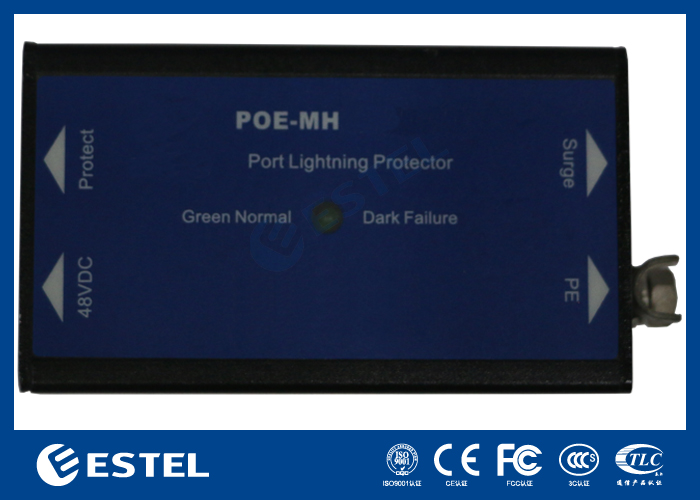
Surge Protection | Protects equipment from electrical spikes |
Circuit Breakers | Interrupts electricity flow during overloads or short circuits |
Overload Protection | Prevents excessive power draw beyond system capacity |
You can rely on ESTEL’s Smart Power Distribution Unit for these critical features. The unit’s surge protection and circuit breakers shield your equipment from electrical hazards. Automatic transfer switching and dual power inputs keep your systems online, even during unexpected events. These fail-safes help you maintain stable operation in challenging offshore environments.
Remote Management and Predictive Maintenance
You often work far from your offshore equipment. Remote management becomes essential for efficient operation and quick response. Modern Smart Power Distribution Units use Remote Telemetry Units (RTUs) to provide real-time monitoring and autonomous control. You can access data on power usage, voltage, and switch status from anywhere.
Remote management lets you adjust settings, monitor performance, and receive alerts without visiting the site. Predictive maintenance uses data analytics to identify potential issues before they cause failures. You can schedule repairs based on actual equipment condition, not just time intervals. This approach reduces downtime and lowers maintenance costs.
ESTEL’s Smart Power Distribution Unit supports remote control and intelligent monitoring. The dehumidifying function helps you maintain stable internal conditions, even when the outside environment changes rapidly. These features ensure your offshore communication platform stays reliable and efficient.
Tip: Use remote diagnostics and predictive analytics to catch problems early and keep your systems running smoothly.
Integration with Offshore Communication Platforms
System Compatibility and ESTEL Solutions
You need equipment that works seamlessly with your offshore communication systems. ESTEL designs solutions that fit a wide range of telecom platforms. You can install their units in remote base stations, marine communication hubs, and coastal relay sites. ESTEL engineers focus on compatibility, so you avoid integration issues. Their Smart Power Distribution Unit connects easily with modern telecom cabinets and supports both legacy and new network setups. You get a system that adapts to your needs and reduces downtime.
Note: ESTEL’s experience in offshore telecom sites helps you select the right configuration for your platform.
Power Quality and Reliability
You want stable power for your offshore communication equipment. Smart Power Distribution Units deliver higher efficiency and reliability than traditional systems. You see faster fault clearance, lower energy losses, and improved noise control. The table below compares smart PDUs with older solutions:
Feature | Smart PDUs | Traditional Solutions |
|---|---|---|
Efficiency | 70% reduction in dissipated power | Higher energy losses |
Reliability | Over 25x Improvement in MTBF | Lower reliability |
Fault Clearance Time | < 1ms | Slower response times |
Size, Weight, and Power (SWaP) | 7x improvement in power/volume density | Larger and heavier |
Noise Floor | 2 magnitudes lower than competitors | Higher noise levels |
You benefit from a system that keeps your communication platform running smoothly. You avoid outages and protect sensitive equipment from power fluctuations.
Case Studies and Application Examples
You can see the impact of ESTEL’s solutions in real-world offshore deployments. For example, telecom operators use ESTEL units on coastal relay stations to maintain stable power in high-salinity conditions. In one project, engineers installed Smart Power Distribution Units on a marine platform. The units operated without interruption during storms and heavy fog. Maintenance teams used remote diagnostics to monitor humidity and temperature, reducing the need for onsite visits. You gain confidence knowing that ESTEL’s products perform reliably in harsh environments.
Tip: Review application examples to understand how you can apply these solutions to your own offshore projects.
You improve offshore communication reliability when you choose the right adaptation strategies. You protect your equipment with corrosion-resistant materials, advanced coatings, and robust sealing methods. You maintain stable operation by using environmental monitoring, redundant designs, and remote management. ESTEL’s Smart Power Distribution Unit gives you long-term performance in high-salinity environments.
Tip: Select units with high ingress protection and schedule regular inspections to extend service life.
FAQ
What makes ESTEL’s Smart Power Distribution Unit suitable for offshore environments?
You get advanced anti-corrosion powder coatings, high ingress protection, and robust enclosure design. These features help your unit resist salt, humidity, and harsh weather.
How does remote management improve maintenance for offshore platforms?
You monitor and control your unit from anywhere. Remote diagnostics alert you to issues early. You reduce onsite visits and lower maintenance costs.
Can you customize the Smart Power Distribution Unit for different offshore applications?
Yes, you select from various outlet configurations and enclosure sizes. ESTEL engineers help you match your unit to your platform’s requirements.
What safety features protect your equipment in high-salinity conditions?
You benefit from surge protection, circuit breakers, and dehumidifying functions. These features shield your equipment from electrical hazards and moisture.
See Also
Creating A Durable Outdoor Communication Cabinet For Any Weather
Essential Design Features For Outdoor Communication Base Station Cabinets
Maintaining A Consistent Power Supply In Telecom Cabinets
The Importance Of Outdoor Communication Cabinets In Telecom Networks
Understanding Outdoor Communication Cabinets And Their Main Attributes
CALL US DIRECTLY
86-13752765943
3A-8, SHUIWAN 1979 SQUARE (PHASE II), NO.111, TAIZI ROAD,SHUIWAN COMMUNITY, ZHAOSHANG STREET, NANSHAN DISTRICT, SHENZHEN, GUANGDONG, CHINA
