Adaptation of Smart Power Distribution Units for Offshore Communication Platforms: Corrosion Resistance in High-Salinity Environments

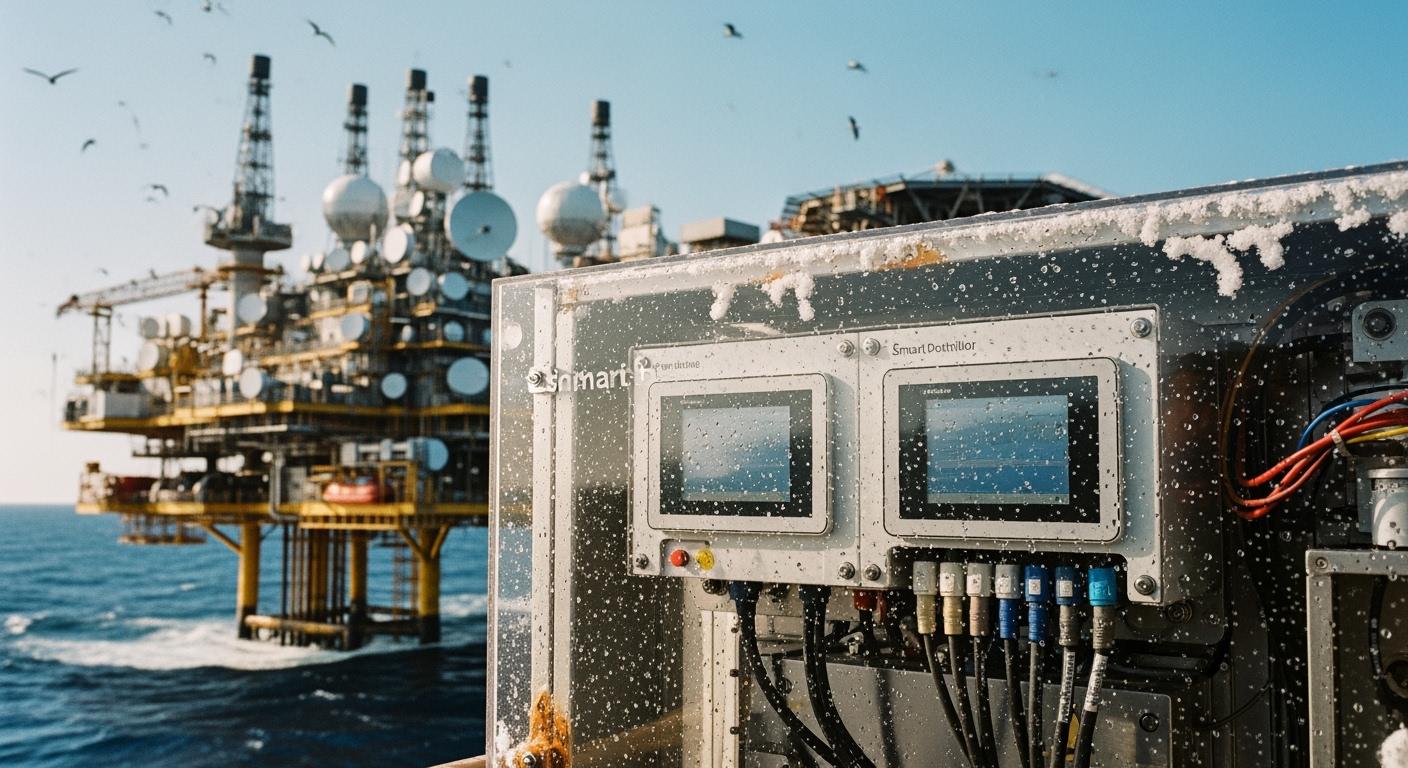
You face unique challenges when operating offshore communication platforms in high-salinity environments. Saltwater can accelerate corrosion, threatening the reliability of your equipment. Adapting a Smart Power Distribution Unit helps you overcome these issues by using advanced materials and intelligent design. Compared to traditional solutions, you gain better efficiency, longer equipment life, and faster fault response. The table below shows how these units outperform older systems in every critical area.
Feature | Smart PDUs | Traditional Solutions |
|---|---|---|
Efficiency | Higher energy losses | |
Reliability | Over 25x Improvement in MTBF | Lower reliability |
Fault Clearance Time | < 1ms | Slower response times |
Size, Weight, and Power | 7x improvement in power density | Larger and heavier |
Noise Floor | 2 magnitudes lower | Higher noise levels |
ESTEL brings deep expertise and robust products to help you build resilient offshore infrastructure.
Key Takeaways
Choose Smart Power Distribution Units for better efficiency and reliability in offshore environments. They outperform traditional solutions in critical areas.
Select corrosion-resistant materials and advanced coatings, like nano-coating, to protect equipment from saltwater damage and extend service life.
Implement regular maintenance checks to ensure optimal performance. Inspect seals, clean connectors, and monitor humidity levels to prevent corrosion.
Utilize remote monitoring and control features to manage power systems efficiently. This reduces the need for on-site visits and enhances operational stability.
Integrate Smart Power Distribution Units with robust outdoor telecom cabinets for added protection against harsh marine conditions.
Offshore Corrosion Challenges
High-Salinity Risks for Equipment
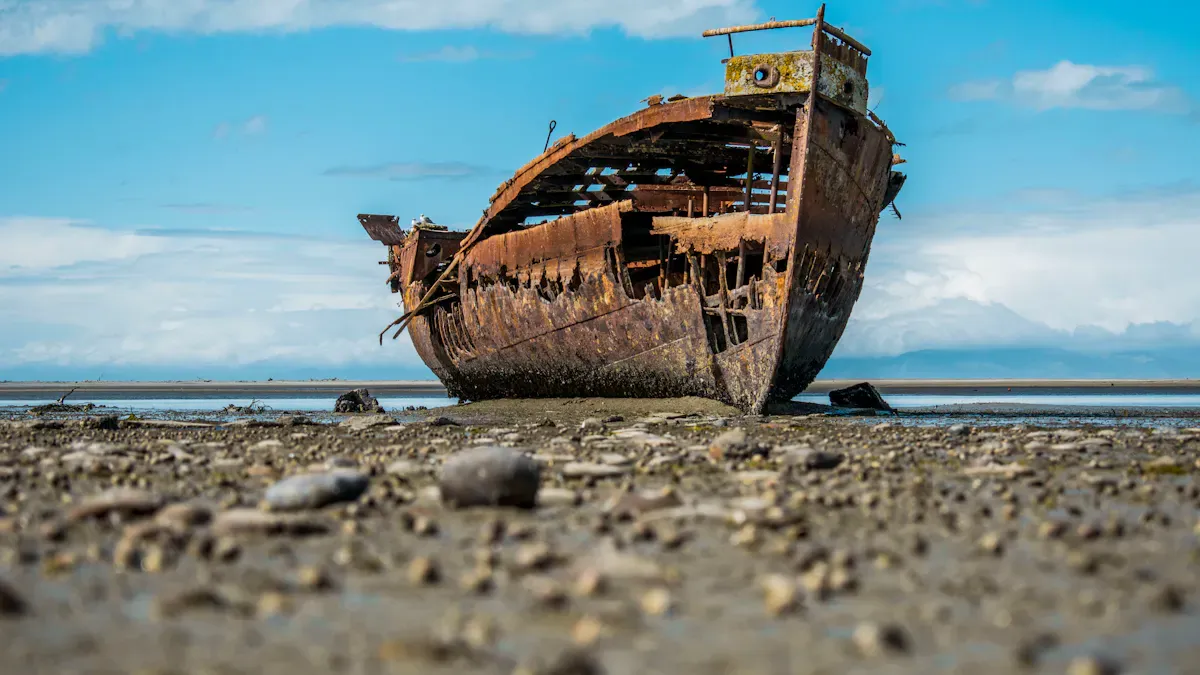
You face serious risks when you operate electrical equipment in high-salinity offshore environments. Salt in the air and water acts as a strong catalyst for corrosion. This process can damage metal surfaces and weaken the structure of your equipment. You may notice that even stainless steel can develop rust spots or pits over time.
Corrosion does not always look the same. Different mechanisms can attack your equipment in various ways. The table below shows the most common types of corrosion you might encounter on offshore platforms:
Type of Corrosion | Description |
|---|---|
Uniform Corrosion | Metal thins evenly or gets a uniform layer of corrosion. |
Galvanic Corrosion | Two different metals touch in a salty environment, causing one to corrode faster. |
Crevice Corrosion | Forms in small gaps, often much faster than uniform corrosion. |
Pitting Corrosion | Creates deep, narrow holes, especially in stainless steel. |
Intergranular Corrosion | Moves along grain boundaries, which can cause sudden failure. |
Stress Corrosion Cracking | Cracks form under tension in a corrosive setting, leading to unpredictable failures. |
You need to understand these risks because they can lead to unexpected failures. For example, pitting corrosion can create tiny holes that grow quickly, while galvanic corrosion can occur if you use different metals together.
Impact on Power Distribution Reliability
Corrosion does more than just damage the outside of your equipment. It can affect the reliability of your entire power distribution system. When connectors, terminals, or circuit boards corrode, you may see increased resistance, overheating, or even short circuits. These problems can cause sudden power loss or equipment shutdowns.
You rely on a Smart Power Distribution Unit to keep your offshore platform running smoothly. If corrosion attacks the internal components, you risk losing remote monitoring, surge protection, or even basic power delivery. Regular maintenance and the use of corrosion-resistant materials become essential for long-term reliability. By understanding these challenges, you can take steps to protect your equipment and ensure stable operations in harsh marine environments.
Smart Power Distribution Unit: Corrosion-Resistant Solutions
Material Selection and Coatings
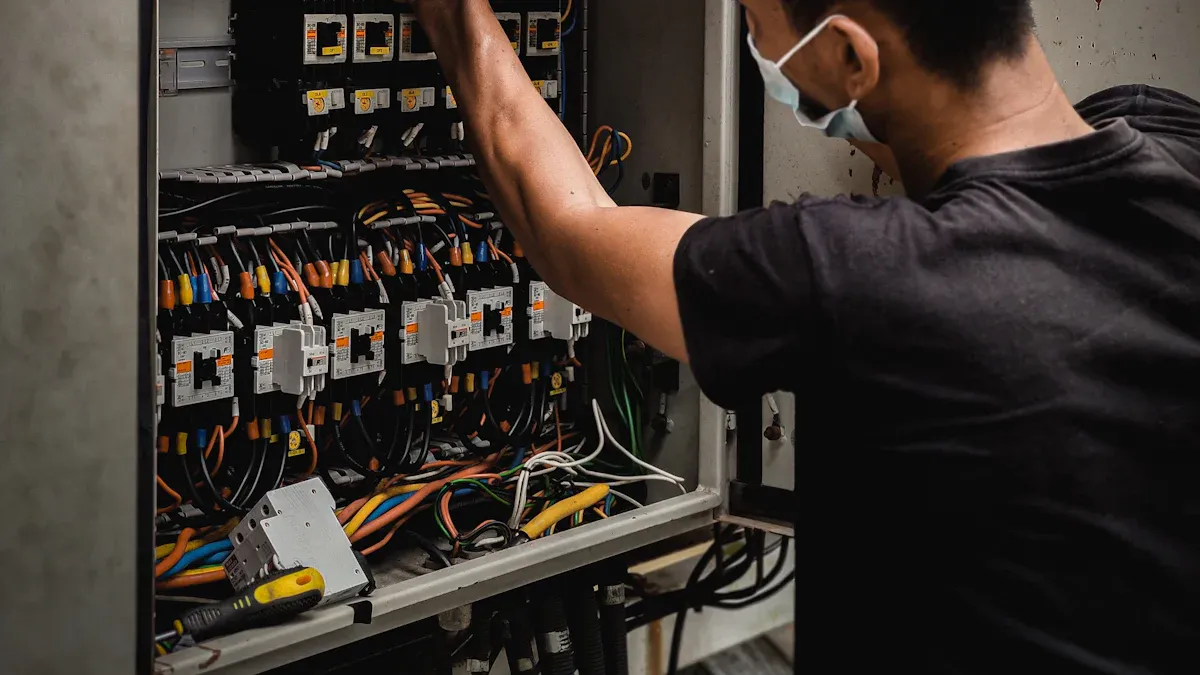
You need to choose the right materials and coatings to protect your equipment from saltwater corrosion. Offshore environments demand advanced solutions. Marine-grade cabling resists saltwater and UV exposure. Aluminum alloys with low copper content prevent corrosion. Stainless steel fasteners hold up against harsh marine conditions.
Material Type | Key Features |
|---|---|
Marine-grade cabling | Saltwater-resistant, UV-resistant sheathing, double-insulated with tinned copper conductors |
Aluminum alloys | Low copper content to prevent corrosion in marine environments |
Stainless steel fasteners | Effective in preventing corrosion in offshore applications |
Coatings play a critical role in corrosion resistance. Nano-coating technology offers superior protection in high-salinity environments. Units with nano-coating show no significant corrosion after five years. Traditional coatings often develop rust and pitting. Nano-coating outperforms older methods, especially in coastal telecom cabinets.
Nano-coating technology prevents corrosion in high-salinity environments.
Five-year field tests show nano-coated units remain free of rust and pitting.
Nano-coating is more effective than traditional coatings for coastal applications.
You can see the difference in performance between traditional coatings and nano-coatings.
Feature | Traditional Coating | Nano-Coating |
|---|---|---|
Visible Rust After 2 Years | Yes | No |
Surface Pitting | Moderate to Severe | Minimal |
Maintenance Interventions | Frequent | Rare |
Replacement Rate | High | Low |
Power Distribution Reliability | Decreased | Consistent |
Enclosure Design for Offshore Use
You must protect your Smart Power Distribution Unit from saltwater ingress and corrosion. Enclosure design is essential. Higher-grade materials like stainless steel or fiberglass resist corrosion. Protective finishes such as galvanization or powder coating increase durability. Weather resistance ratings like IP65, NEMA 3R, or NEMA 4X ensure your unit withstands severe conditions. Strengthened seals with elastomeric gaskets and double-seal designs block moisture. Ventilation and thermal management systems prevent overheating. Robust hardware, including stainless steel hinges and three-point locking mechanisms, adds security. Compliance with IEC, UL, and NEMA standards guarantees reliability and safety.
Feature | Description |
|---|---|
Higher-grade materials | Stainless steel or fiberglass resist corrosion from saltwater exposure. |
Protective finishes | Galvanization or powder coating enhance durability and lifespan. |
Weather resistance ratings | IP65, NEMA 3R, or NEMA 4X withstand severe weather conditions. |
Strengthened seals | Elastomeric gaskets and double-seal designs prevent moisture ingress. |
Ventilation and thermal management | Cooling systems manage internal temperatures and prevent overheating. |
Robust hardware | Stainless steel or zinc-plated hinges and three-point locking mechanisms for security. |
Compliance with standards | IEC, UL, and NEMA standards ensure reliability and safety. |
Tip: You should prioritize enclosures with marine-grade finishes in coastal areas. Regularly inspect and replace worn seals to maintain protection. Choose enclosures rated for extreme conditions to ensure reliability.
Dehumidifying functions help you fight corrosion inside the enclosure. Dehumidifiers lower ambient humidity. Keeping relative humidity below 60% slows corrosion rates. Optimal levels range from 40-50%. Dehumidifiers prevent condensation, reducing the risk of corrosion-related failures.
Dehumidifiers reduce humidity, preventing corrosion in enclosed spaces.
Maintaining humidity below 60% slows corrosion rates.
Dehumidifiers prevent condensation and corrosion-related failures.
ESTEL’s Product Features
You benefit from ESTEL’s Smart Power Distribution Unit because it uses corrosion-resistant materials and advanced coatings. The unit features marine-grade cabling, aluminum alloys, and stainless steel fasteners. Nano-coating technology protects surfaces from rust and pitting. The enclosure uses galvanized steel and powder coating for extra durability. You get IP65-rated protection, which keeps dust and water out.
ESTEL’s design includes strengthened seals and robust hardware. You can rely on three-point locking mechanisms and stainless steel hinges for security. The unit offers ventilation and thermal management systems. You can use air conditioning or heat exchangers to maintain optimal temperatures. The dehumidifying function keeps humidity low, preventing condensation and corrosion.
You get products that comply with international standards. ESTEL’s Smart Power Distribution Unit meets IEC, UL, and NEMA requirements. You can trust the unit to perform reliably in offshore, high-salinity environments. ESTEL’s construction ensures long-term durability and minimal maintenance. You reduce replacement rates and keep power distribution consistent.
Class | Definition | Application Example |
|---|---|---|
E0 | Indoor, non-aggressive | Indoor substations |
E1 | Outdoor mild pollution | Urban substations |
E2 | Outdoor heavy pollution / coastal | Offshore, chemical plants |
You see that ESTEL’s Smart Power Distribution Unit fits the E2 class, which is ideal for offshore and coastal applications. You gain peace of mind knowing your equipment is protected against corrosion and environmental threats.
Ensuring Reliable Operation Offshore
Environmental Monitoring and Remote Control
You need to keep your offshore systems running smoothly, even in unpredictable marine environments. Environmental monitoring gives you real-time data about climate, weather, and sea conditions. This information helps you spot potential problems before they affect your equipment. By tracking temperature, humidity, and other factors, you can make quick decisions to protect your Smart Power Distribution Unit from harsh conditions. Sea-sky monitoring also supports better planning and maintenance, making your operations more stable and efficient.
Remote control features add another layer of reliability. You can manage and monitor your power systems from anywhere. Key capabilities include:
Remote monitoring for constant oversight of your equipment.
Secure access to ensure only authorized users can make changes.
Expandability, so you can add more monitoring stations as your needs grow.
These features help you respond quickly to issues and reduce the need for on-site visits.
Redundancy and Maintenance Protocols
Redundancy keeps your power distribution running, even if one part fails. You can use protocols like Parallel Redundancy Protocol (PRP) to avoid data loss and protect against network failures. The table below shows the main advantages and important factors for using PRP in offshore environments:
Advantages of PRP | Important Factors for Implementation |
|---|---|
No data loss during a single fault in LAN A or B | Support of PRP by IACS devices |
Protection against extended infrastructure issues | Ability to build two independent network topologies |
Recovery after multiple faults in some situations | Connectivity to non-PRP parts of the infrastructure |
Flexible network topologies and protocols | Configuration of other network services |
Regular maintenance checks and clear protocols help you catch problems early. You can schedule inspections, replace worn parts, and update software to keep your system reliable.
Integration with Outdoor Telecom Cabinets
You get the best results when you combine your Smart Power Distribution Unit with a robust outdoor telecom cabinet. The cabinet shields your equipment from salt, wind, and rain. It also provides cooling and security features. Together, these products create a strong defense against offshore challenges. You can trust this combination to deliver stable power and protect your communication systems, even in the toughest environments.
Application and Best Practices
Platform Integration Considerations
You need to consider several factors when integrating a Smart Power Distribution Unit into your offshore communication platform. Safety, reliability, and space efficiency play a major role in successful deployment. You should also focus on remote management to ensure smooth operations in challenging environments.
Factor | Description |
|---|---|
Safety Features | Surge protection, short-circuit protection, and residual current monitoring keep your system safe. |
Reliability | Automatic power cycling and remote reboot functions reduce downtime and improve reliability. |
Space Efficiency | Compact design saves valuable rack space for other critical equipment. |
Remote Management | You can monitor and control devices from anywhere on the platform, increasing flexibility. |
You must also match your power distribution solution to the specific needs of your offshore project. Voltage levels, installation types, and environmental challenges all influence your choice.
Factor | Description |
|---|---|
Voltage Levels | Use low voltage for small projects. Choose medium or high voltage for large, deepwater installations. |
Installation Types | Shallow water projects need cost-effective solutions. Deepwater sites require advanced technology and robust design. |
Environmental Challenges | Extreme pressures and corrosive conditions in ultra-deepwater locations require specialized equipment. |
Tip: Always review your platform’s unique requirements before selecting and installing power distribution equipment. This ensures long-term reliability and safety.
Real-World Use Cases
You can see the benefits of these best practices in action through ESTEL’s customer applications. Offshore telecom operators have integrated ESTEL’s Smart Power Distribution Unit with outdoor telecom cabinets to protect equipment from salt spray and humidity. These operators report fewer outages and lower maintenance costs. In deepwater projects, teams use remote management features to monitor power systems without sending technicians offshore. This reduces risk and saves time.
You can follow these steps for successful integration:
Assess your platform’s voltage and environmental needs.
Choose corrosion-resistant enclosures and cabling.
Schedule regular maintenance and humidity checks.
Use remote monitoring to detect issues early.
By following these best practices, you ensure your offshore communication platform remains reliable and efficient, even in the harshest marine environments.
You can protect your offshore communication platform by choosing the right Smart Power Distribution Unit. Select corrosion-resistant materials and advanced enclosure designs for the best results. Schedule regular maintenance to keep your system reliable. ESTEL leads the industry with innovative solutions and proven durability. Apply these best practices to improve your telecom infrastructure and ensure long-term performance in high-salinity environments.
FAQ
What makes ESTEL’s Smart Power Distribution Unit suitable for offshore environments?
You get corrosion-resistant materials, nano-coating technology, and IP65-rated enclosures. These features protect your equipment from salt, moisture, and harsh weather. You ensure long-term reliability for your offshore communication platform.
How does the dehumidifying function help prevent corrosion?
You lower humidity inside the enclosure with the dehumidifying function. This reduces condensation and slows corrosion. You keep your power distribution system safe and extend its service life.
Can you monitor and control the Smart Power Distribution Unit remotely?
Yes. You use remote management features to monitor, control, and troubleshoot your unit from anywhere. This reduces the need for on-site visits and helps you respond quickly to any issues.
What maintenance steps should you follow for offshore Smart PDUs?
You should inspect seals, check for rust, clean connectors, and test the dehumidifying system regularly. You also need to schedule routine software updates and replace worn parts to maintain peak performance.
See Also
Creating A Durable Outdoor Communication Cabinet For Any Climate
Key Design Considerations For Outdoor Communication Base Station Cabinets
Latest Innovations Shaping Outdoor Telecom Cabinet Designs
The Importance Of Outdoor Communication Cabinets In Telecom Networks
Understanding Outdoor Communication Cabinets And Their Essential Features
CALL US DIRECTLY
86-13752765943
3A-8, SHUIWAN 1979 SQUARE (PHASE II), NO.111, TAIZI ROAD,SHUIWAN COMMUNITY, ZHAOSHANG STREET, NANSHAN DISTRICT, SHENZHEN, GUANGDONG, CHINA
