Open API of Smart Power Distribution Units in Telecom Cabinets: Seamless Data Interconnection with Third-Party O&M Platforms

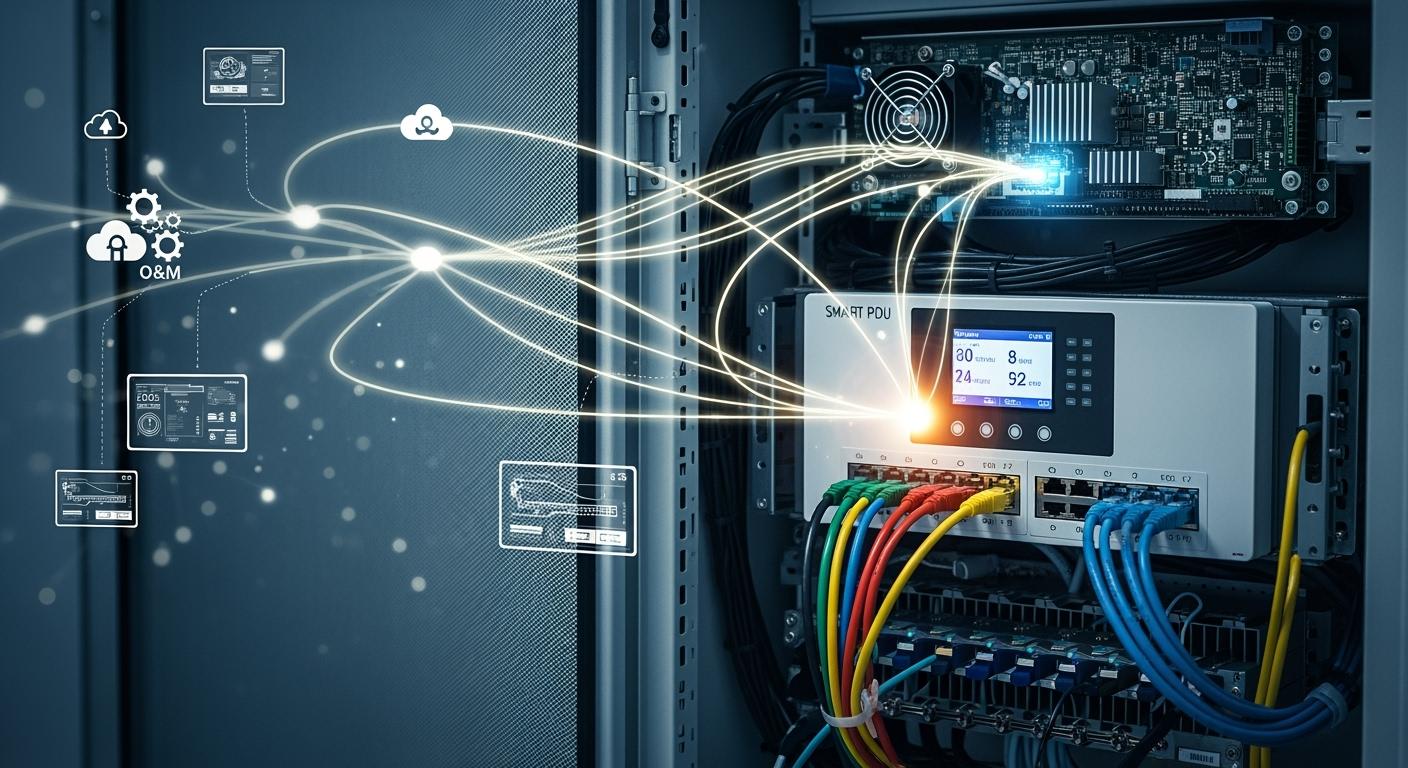
Open APIs let you connect your Smart Power Distribution Unit in telecom cabinets to third-party O&M platforms with ease. You gain access to real-time data exchange, which improves operational visibility. Interoperability helps you manage power more efficiently. ESTEL promotes smart power management by supporting international standards and innovative solutions. You can trust their technology to deliver reliable performance for your telecom infrastructure.
Key Takeaways
Open APIs enable seamless integration of Smart Power Distribution Units with third-party O&M platforms, enhancing operational visibility.
Real-time data exchange allows for immediate monitoring and control, helping you respond quickly to changes in your telecom environment.
Using modular components and flexible options can simplify upgrades and improve compatibility with existing systems.
Implementing strong security measures, like encrypted communication, protects sensitive data during integration.
Following best practices, such as regular software updates and thorough testing, ensures reliable power management and reduces downtime.
Open API Integration for Smart Power Distribution Unit
API Architecture and Data Flow
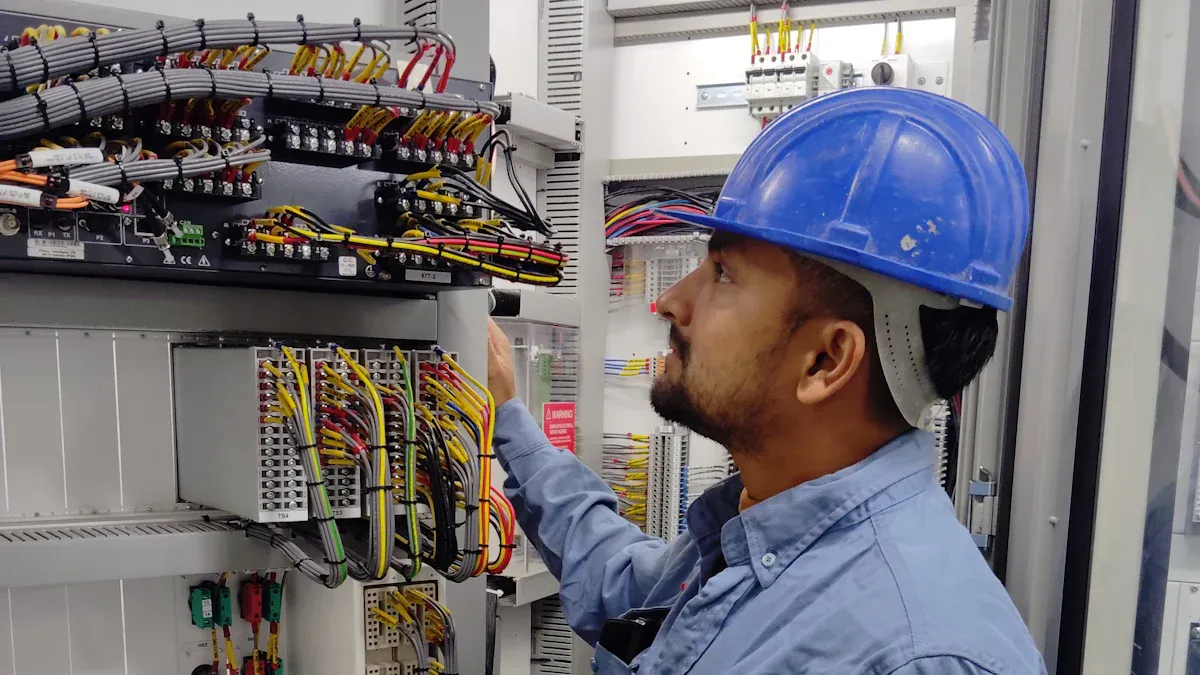
You can achieve seamless connectivity between your Smart Power Distribution Unit and third-party O&M platforms by using an open API architecture. This approach lets you exchange data efficiently and manage power systems with greater flexibility. The API acts as a bridge, allowing different systems to communicate without compatibility issues. You can send commands, receive status updates, and monitor power usage in real time.
The data flow starts with your Smart Power Distribution Unit collecting information from connected devices. The unit then transmits this data through the API to your O&M platform. You can visualize the process in the following table:
Step | Description |
|---|---|
Data Collection | The unit gathers voltage, current, and power usage information. |
Data Transmission | The API sends collected data to the O&M platform. |
Command Execution | You send remote commands to the unit for power management. |
Status Feedback | The unit provides feedback on command execution and system health. |
This architecture supports interoperability, making it easier for you to integrate new technologies and scale your operations.
Real-Time Data Exchange
You can monitor and control your Smart Power Distribution Unit in real time. This capability gives you instant access to critical information and lets you respond quickly to changes in your telecom cabinet environment. Real-time data exchange relies on several technical requirements. The following table highlights key features:
Feature | Description |
|---|---|
Real-time Monitoring | You can remotely monitor voltage, current, and power usage. |
Remote Control | You can reboot devices or cycle power without being physically present. |
Network Protocol Support | The unit supports SNMP, which helps you manage and monitor devices over the network. |
Redundant Power Supply | Active redundant power ensures sensor connections remain stable during outages. |
Connectivity | Standard Cat5 connections provide reliable network visibility. |
You benefit from intelligent power input management and enhanced remote control. These features help you maintain optimal performance and reduce downtime.
Tip: Use remote monitoring to detect issues early and prevent equipment failures.
ESTEL’s Role in Open API Adoption
ESTEL leads the way in open API adoption for telecom power management. You can rely on ESTEL’s commitment to innovation and international standards. The company designs Smart Power Distribution Units that support open protocols and remote management features. You gain access to advanced solutions that integrate easily with third-party O&M platforms.
ESTEL’s products offer:
Multiple outlet configurations for versatile connectivity.
Surge protection to safeguard your equipment.
LCD displays for real-time monitoring.
Dehumidifying functions to maintain optimal conditions.
Compliance with international standards for reliability.
You can trust ESTEL to deliver solutions that meet the evolving needs of the telecom industry. The company’s focus on quality and customer satisfaction ensures you receive dependable products that support seamless data interconnection.
Overcoming Telecom Integration Challenges
Infrastructure Compatibility
You may encounter several compatibility issues when you connect new systems to telecom cabinets. Some controllers do not support modern protocols like CANopen. Sometimes, the network and controller operate at different speeds, which requires adjustments. Complex parameter settings can slow down integration. Electrical mismatches, such as voltage or current differences, may cause failures. Communication errors often result from incorrect network settings. The table below summarizes common challenges:
Compatibility Issue | Description |
|---|---|
Unsupported Protocols | Some controllers do not support CANopen. |
Baud Rate Mismatches | Network and controller may operate at different speeds. |
Configuration Difficulties | Complex settings can slow down integration. |
Electrical Incompatibility | Voltage or current mismatches may cause failures. |
Communication Errors | Incorrect network settings can lead to errors. |
You can address these challenges with several solutions. Modular components allow easy upgrades and customization. Flexible voltage and output options help you adapt to changing workloads. Daisy-chaining lets you manage many units under one IP address. Plug-and-play architecture expands capacity by adding modules. Advanced monitoring and analytics enable proactive management. The table below shows effective solutions:
Solution Type | Description |
|---|---|
Modular components | Enable easy upgrades and customization. |
Flexible voltage/output options | Adapt to changing workloads and requirements. |
Daisy-chaining | Manage up to 64 units under one IP address. |
Plug-and-play architecture | Expand capacity by adding modules. |
Advanced monitoring and analytics | Enable proactive management and integration with DCIM systems. |
Tip: Always verify electrical requirements before connecting new equipment.
Security and Privacy
You need to protect sensitive data when you integrate telecom cabinets with third-party platforms. Unauthorized access can disrupt operations and compromise privacy. You should use encrypted communication protocols to secure data in transit. Strong authentication methods help prevent unauthorized access. Regular software updates reduce vulnerabilities. You can also monitor access logs to detect suspicious activity. These steps help you maintain a secure environment and protect your network.
Legacy System Interoperability
You may need to connect modern systems to older equipment. This process requires careful planning. You can develop a comprehensive API strategy to expose data and functionality from legacy systems. Middleware helps different systems communicate effectively. The strangler fig pattern allows gradual modernization, so new systems can take over old functions over time. Consider these strategies:
Develop an API strategy to expose legacy system data.
Use middleware for effective communication.
Implement the strangler fig pattern for gradual modernization.
You can integrate your Smart Power Distribution Unit with both new and legacy systems by following these strategies. This approach ensures smooth operation and future scalability.
Benefits of Open API for O&M Platforms

Operational Efficiency
You can boost operational efficiency by integrating Open APIs with your telecom cabinet systems. When you use a Smart Power Distribution Unit, you gain access to automated processes that reduce manual work. Proactive monitoring helps you cut maintenance costs by up to 25%. You also improve overall efficiency by 30%. Automated incident categorization speeds up your response time, so you spend less time sorting through alerts. AI-driven anomaly detection helps you spot problems early, which means fewer unexpected outages.
Note: Proactive monitoring ensures your network runs smoothly and reduces emergency repairs.
Real-Time Monitoring
Real-time monitoring gives you instant access to critical data. You can track voltage, current, and power usage as events happen. Immediate alerts from sensors let you respond quickly to abnormal conditions. Remote management and AI-driven detection help you identify issues before they become serious. Predictive maintenance extends the life of your equipment and cuts the mean time to repair from 4.8 hours to 3.1 hours.
Here are some key features and their impact:
Feature | Impact |
|---|---|
Automated Incident Categorization | Speeds up initial response by reducing manual triage by 58%. |
AI-driven Anomaly Detection | Enhances early detection and predictive capabilities in 65% of deployments. |
Mean Time to Repair (MTTR) | Cuts MTTR from 4.8 hours to 3.1 hours, enabling faster incident resolution. |
Real-time Drone Feeds | Improves resource deployment by 18% and reduces response time by 30 minutes during crises. |
You benefit from continuous data collection and automated alerts. Advanced analytics help you predict failures and optimize maintenance schedules. Visual and thermal data from switchgear camera systems support predictive maintenance.
Simplified Management
Open APIs make management tasks easier for you. You can connect your Smart Power Distribution Unit to existing telecom management systems without hassle. Centralized control lets you oversee power and cabinet data from one platform. Multi-role collaboration becomes possible because team members get timely access to information.
Management Task | Description |
|---|---|
Seamless Integration | Open APIs facilitate easy connection with existing telecom management systems. |
Enhanced Collaboration | Multi-role collaboration is supported by providing team members with timely access to information. |
Improved Monitoring and Control | Centralized management of power and cabinet data enhances oversight and operational efficiency. |
Tip: Centralized management helps you streamline operations and improve teamwork.
You simplify your workflow and reduce the risk of errors. With Open APIs, you can focus on strategic tasks instead of routine maintenance.
Implementation Guide for Smart Power Distribution Unit
Recommended Technologies
You should select technologies that support open communication and reliable performance. Look for devices that use standard network protocols like SNMP or Modbus. These protocols help you connect your Smart Power Distribution Unit to third-party O&M platforms. Choose hardware that supports remote management and real-time monitoring. ESTEL’s units offer features such as LCD displays, surge protection, and dehumidifying functions. These features help you maintain stable operations in outdoor telecom cabinets. Always check that your devices meet international standards for safety and compatibility.
Integration Steps
You can follow a clear process to connect your Smart Power Distribution Unit with your O&M platform:
Make a list of all devices in your telecom cabinet. This helps you plan and avoid mistakes.
Check that each device supports the required network protocols.
Connect the unit to your network using standard cables.
Configure the API settings on both the unit and the O&M platform.
Test the connection by sending a command and checking for feedback.
Monitor the system for any errors or communication issues.
Tip: Careful planning and testing reduce troubleshooting time and help you avoid common problems.
Best Practices for Telecom Operators
You can improve your integration results by following these best practices:
Use devices from trusted manufacturers that follow international standards.
Plan for device diversity. Telecom cabinets often include equipment from different brands.
Ensure interoperability between new and legacy systems.
Test all connections before going live.
Update software and firmware regularly to keep your system secure.
Train your team on remote management and monitoring tools.
By following these steps, you can achieve seamless integration and reliable power management for your telecom infrastructure.
You can transform telecom cabinet power management by adopting Open API-enabled smart power distribution units. Open APIs let you connect systems for real-time monitoring and remote management, which improves network stability and reduces downtime. ESTEL’s Smart Power Distribution Unit helps you future-proof your infrastructure with features such as advanced power management, strong safety, and adaptability for new technologies.
Key advantages include:
Real-time monitoring for proactive maintenance
Remote management that saves time
Advanced power conditioning and support for AC/DC conversions
Modular designs that lower costs over time
Benefit Type | Description |
|---|---|
Cost-effectiveness | Modular designs reduce upfront investment and ensure savings. |
Downtime reduction | Reliable backup power minimizes downtime during grid failures. |
You can take action by choosing solutions that meet international standards and support open protocols. ESTEL’s products give you the flexibility and reliability you need for the next generation of telecom networks.
FAQ
How do you connect a Smart Power Distribution Unit to a third-party O&M platform?
You use standard network cables and configure the API settings on both devices. Most units support protocols like SNMP or Modbus. This setup lets you monitor and control power remotely.
What benefits do you get from using ESTEL’s Smart Power Distribution Unit?
You gain real-time monitoring, remote management, surge protection, and a dehumidifying function. These features help you maintain stable operations and protect your telecom equipment.
Is it safe to share data between your power unit and O&M platforms?
Yes. You should use encrypted communication and strong authentication. Regular software updates and access monitoring also help keep your data secure.
Can you integrate ESTEL’s Smart Power Distribution Unit with older telecom systems?
You can. Middleware and open APIs help bridge the gap between new and legacy systems. This approach ensures smooth operation and future scalability.
See Also
Ensuring Consistent Power Supply for Telecom Cabinets
Smart Energy Storage Systems for Telecom Cabinets by ESTEL
Solar Energy Storage Solutions for Telecom Cabinet Power
CALL US DIRECTLY
86-13752765943
3A-8, SHUIWAN 1979 SQUARE (PHASE II), NO.111, TAIZI ROAD,SHUIWAN COMMUNITY, ZHAOSHANG STREET, NANSHAN DISTRICT, SHENZHEN, GUANGDONG, CHINA
